
First start of the Siemens dishwasher
 Experience shows that many housewives don't read the instructions immediately after purchasing a household appliance, rushing to use their new "home helper" as quickly as possible. In this case, using a Siemens dishwasher for the first time can be more trouble than fun, as you could accidentally damage both your dishes and the dishwasher itself. To ensure proper operation, be sure to first read the user manual. If you don't have the manual, check out our cheat sheet.
"Idle" activation of Siemens dishwasher
To properly run your dishwasher for the first time, simply load it with all the necessary cleaning products, but skip the dirty dishes. Many users believe this is pointless and wastes energy, but this isn't true.
- The idle cycle allows you to clean the insides of the machine from oil, dirt, and debris that may have accumulated during assembly at the factory and subsequent storage in a warehouse or store display.
- The test will also clearly demonstrate the machine's functionality—whether it draws and heats water properly, whether it drains all used liquid well, and whether there is any water remaining in the chamber after drying.
- This is also an opportunity to check whether the machine is installed correctly, whether there are any problems with the connection to all utilities, and whether the wire or hose is pinched.
Don't assume that just because the dry run is performed without dishes, there's no need for household chemicals, since there's nothing to wash. Detergent and special salt must be added for the test cycle, as the former will help remove all dirt, and the latter will prevent damage to the ion exchanger.
Let's start with the most important thing: salt. Your Siemens dishwasher needs it if you live in a town with hard water. Salt will restore the softening properties of the ion exchanger, which bears the brunt of the impact of poor-quality water. To add salt: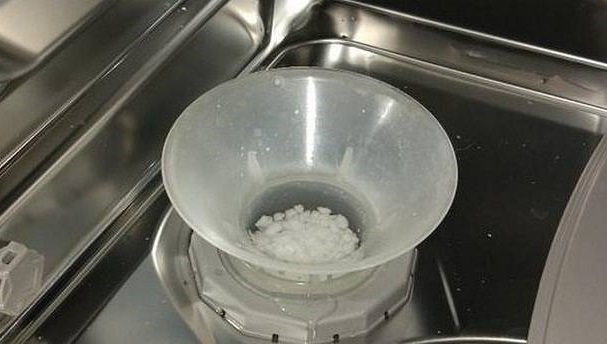
- open the dishwasher door, find the salt container at the bottom and unscrew its lid;
- pour about a liter of water inside, and then add about a kilogram of special salt;
Do not use regular table salt in dishwashers, as it is not purified as thoroughly as industrial salt, and its granules are smaller, making it much less effective at performing the restorative functions of the ion exchanger.
- If a small amount of salt solution spills from the reservoir, wipe the water with a cloth and run the cycle to remove any remaining salt from the bottom of the wash chamber.
To reduce or increase your salt intake, you need to know the quality of your tap water. You can find out for yourself using test strips, which are often included with household appliances. If you don't have anything to test at home, you can check your local water utility's website, where they should post up-to-date information on water hardness and other parameters.
Now load the dishwasher with detergent, which can be powder, gel, tablet, or capsule. These should be added to the separate compartments located on the door of the washing chamber. The rinse aid dispenser, which helps keep your dishes sparkling, is also located on the door. After loading the detergent, be sure to turn on the dishwasher and note the type of detergent you selected on the control panel.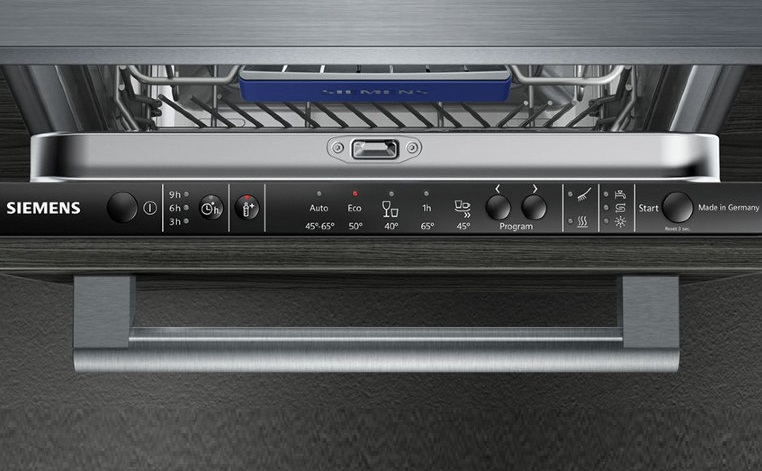
Now all that's left is to start the idle wash. Select the longest wash cycle using the hottest water temperature—the intensive wash program is suitable. Press the "Start" button.
Washing dishes for the first time
Once the test is complete, allow the dishwasher to cool and dry for several hours. This should be done with the door open to allow moisture to evaporate better and prevent mold and unpleasant odors from developing over time. Also, avoid running the dishwasher continuously to avoid overloading the heating element and pump.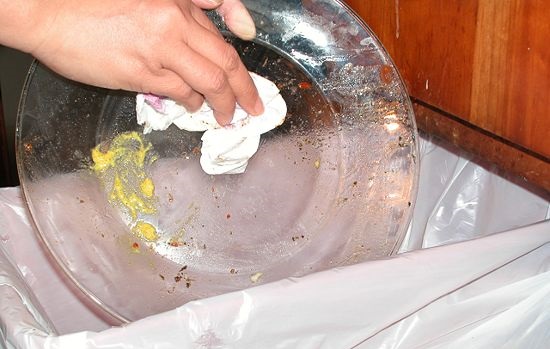
Once your Siemens dishwasher is ready for use, load the racks with dirty dishes, ensuring nothing blocks the spray arms and leaving a small gap between items to allow water to reach all surfaces. Check that you have sufficient detergent and start the wash.
Never load dishes with food scraps, napkins, pits, tea leaves, coffee grounds, or other debris – remove all of this manually beforehand to avoid clogging the dishwasher's debris filter.
Starting a dishwasher with dishes for the first time can be challenging, but with practice, you'll learn how to properly arrange the cutlery in the washing chamber, and the entire process will take no more than five minutes.
Rules for working with Siemens PMM
A proper first start-up helps extend the life of your dishwasher, but it's far from the only thing you can do to extend its lifespan. Carefully read the following expert recommendations to ensure your dishwasher serves you well for many years to come.
- Do not touch the machine with wet hands while working.
- It is advisable not to use an adapter or extension cord to connect equipment to the power supply.
- Be careful not to leave any foreign objects in the washing chamber.
- Show children how to use the equipment correctly so that they do not accidentally damage the device or dishes.
- After each working cycle, manually clean the debris filter by rinsing it under a strong stream of tap water.
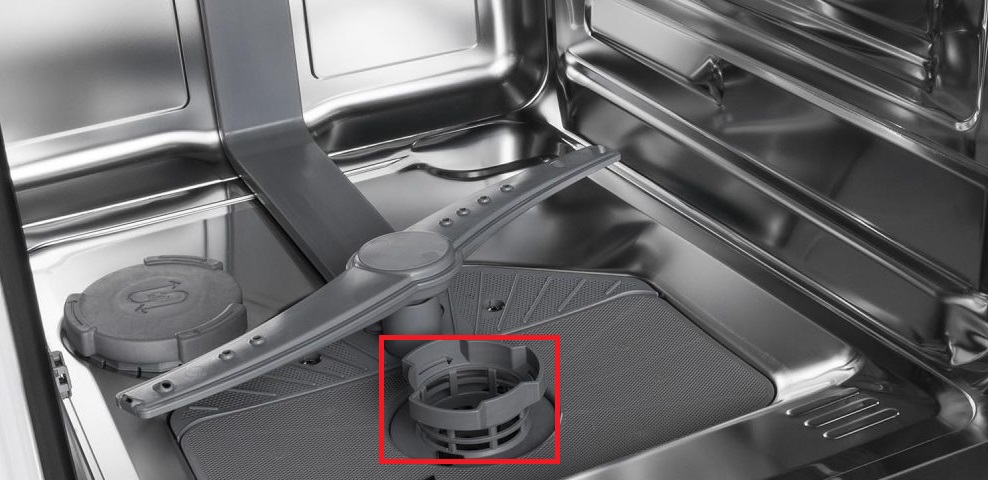
- Regularly clean the rubber door seals from food residue and grease.
Never rush to use complex household appliances immediately after purchase without reading the user manual. It's always better to spend ten minutes reading the instructions than to spend money on repairs later.
Interesting:


Readers' comments
Headings
Washing machine repair




For buyers




For users


Dishwasher




Add a comment