
First use of the DEXP washing machine
 It's not enough to simply select, purchase, and bring home a new washing machine—it's crucial to properly prepare it before use. Failure to perform certain essential steps can result in accidental damage not only to your favorite items but also to your "home helper," which will require repairs, possibly at your own expense. To prevent this, the first use of your DEXP washing machine must be carried out strictly according to the instructions. In this article, we'll cover in detail what needs to be done before using your automatic washing machine.
Initial steps with the DEXP machine
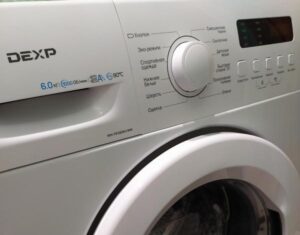
A new washing machine of any brand requires a series of preparatory steps, which are detailed in the user manual. This means that the first step after purchasing it is to carefully read the instructions. This will help you not only learn about all the capabilities of your home appliances, but also learn all the symbols on the control panel. After reading, you can proceed to other preparations.
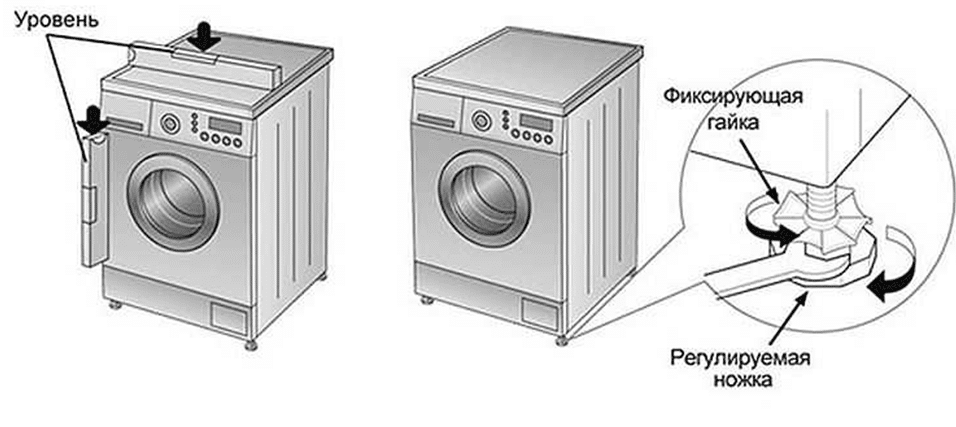
- Use a building level to install the washing machine so that it stands as level as possible.
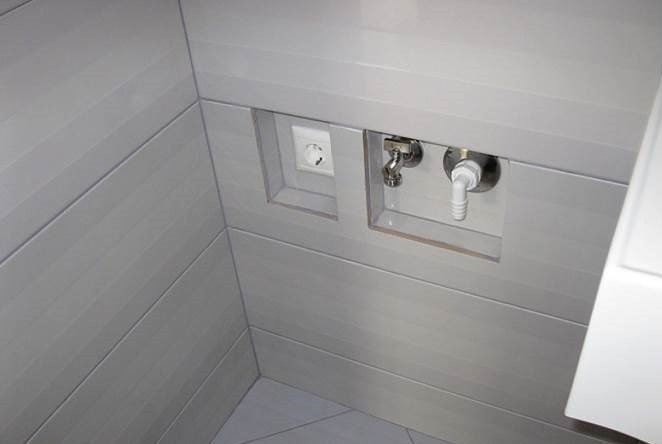
- Prepare all communications if you have not done so already.
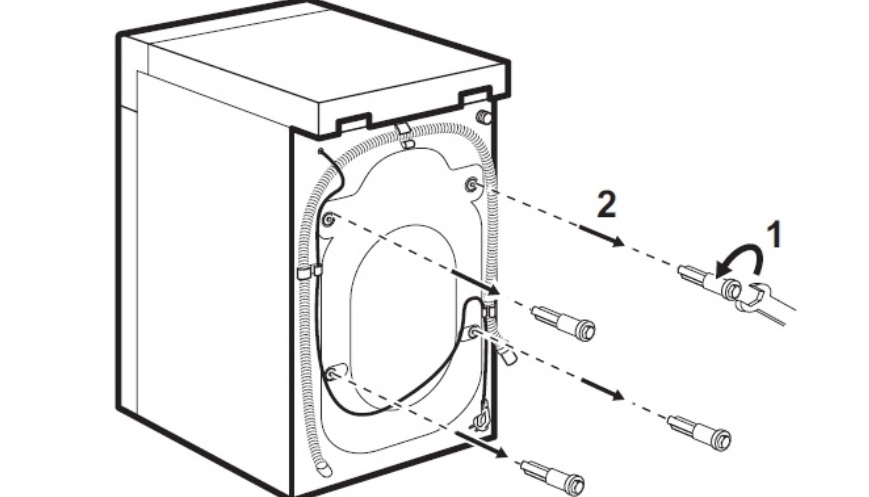
- Remove the shipping bolts from the rear of the case.
- Clean the drum from foreign objects.
- Remove unnecessary factory stickers.
Each step must be carefully examined, as many of them directly impact the appliance's performance. It's best to have the appliance installed by professionals, as this will help avoid common installation mistakes. However, you can also handle this process yourself; all you need to do is adjust the position of the washing machine and secure the clamps on all hoses. Failure to do this will cause the unit to bounce and move around the room during the spin cycle due to increased vibration, and loose hose connections will lead to leaks.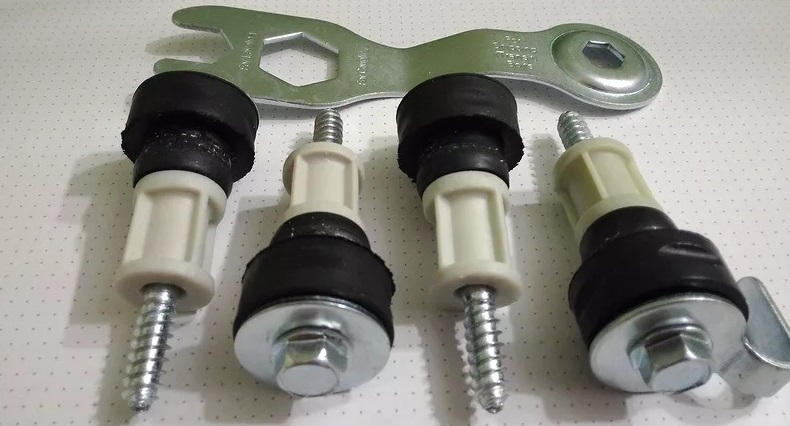
Next, be sure to remove all shipping bolts installed to secure the washing drum in place. Without them, the drum could become loose during transport, causing deformation or damage to other internal components. After transport, these bolts must be removed, as if the first wash is carried out with them in place, the motor will try unsuccessfully to spin the stationary drum, potentially damaging the drum itself, the shaft, bearings, shock absorbers, the motor, and other key components. Therefore, it's crucial to remove the fasteners promptly by first loosening them with a wrench, then pushing them inward, and finally closing them with the special plastic plugs included with the machine. The exact number and location of the bolts can be found in the machine's manual.
Using a DEXP washing machine with transit bolts in place will void the warranty, so do not rush to start your first wash until you have removed all the bolts.
The final step is to clean the appliance of any stickers, tape, foam, and other debris. Also, be sure to carefully inspect the drum, where the manufacturer typically stores various parts, plastic plugs, instructions, hoses, and so on. Additionally, wipe the surfaces with a dry cloth. This completes the preparation, so proceed to the test run.
Washing the machine
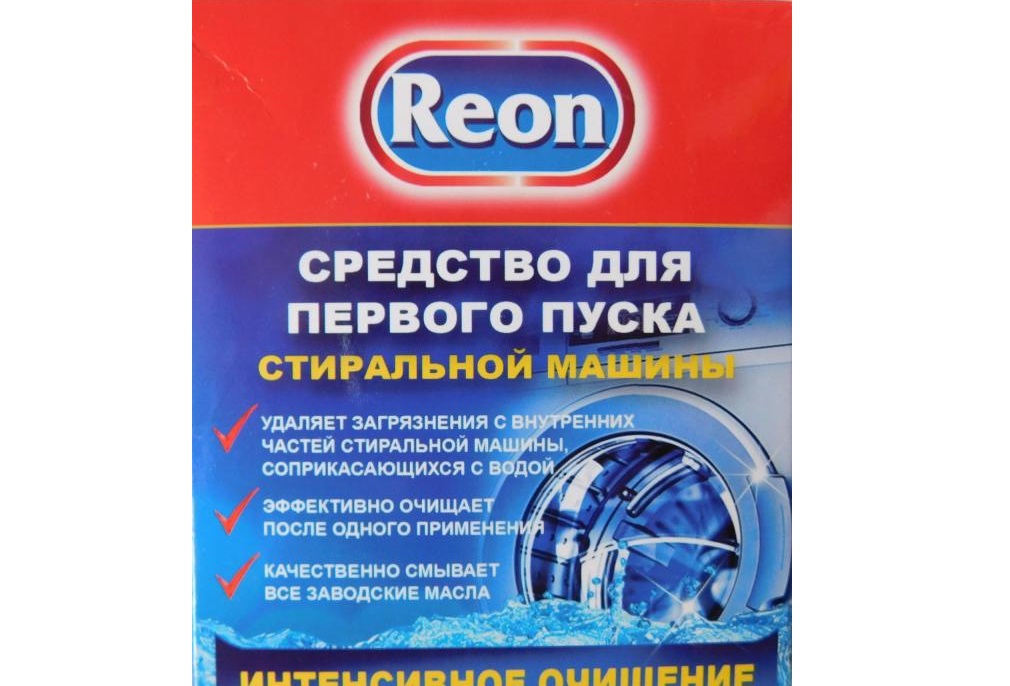
A new washing machine also requires an initial technical run-through to remove any dust and dirt that may have remained after assembly at the factory and storage in the warehouse. It's very easy to do, as this cycle is no different from a regular wash, except that you don't need to add laundry to the drum. Simply connect the equipment to the power and water supply, turn it on, and add household chemicals for even more effective cleaning. Then, all that's left to do is start the cycle and wait for it to complete.
Never add clothes to the drum unless you want to damage them with the technical lubricant.
In addition to cleaning the washing machine's internal components, an empty wash is also necessary to check the appliance's functionality and installation quality. During this first wash, you can determine whether the washing machine is filling and draining properly, whether there is excessive vibration or noise, whether there are any leaks, and so on. Monitor all stages of the cycle so you can quickly troubleshoot the problem if necessary.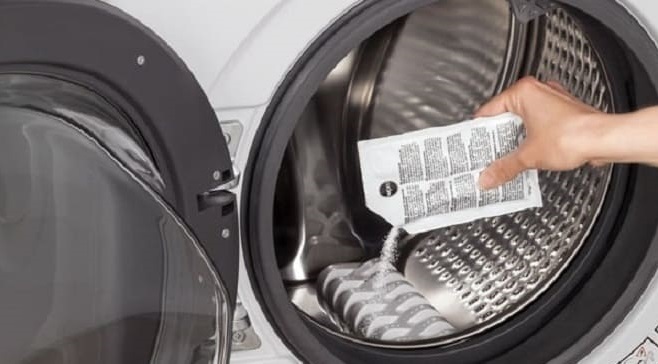
If the test reveals no leaks, malfunctions, spin problems, or anything else, you can safely proceed with the first full wash. Otherwise, you should immediately stop the cycle and call a repair service. It's best to act quickly in this case, especially since free warranty service is usually included after purchase.
The test program and how to run it
The test work cycle can be on any program, only with the condition of high temperature and duration. In the future, for washing, you should select modes depending on the type of fabric, type of clothing and degree of contamination. Selecting a function is very easy, as modern DEXP washing machines offer a wide variety of modes to suit any occasion.
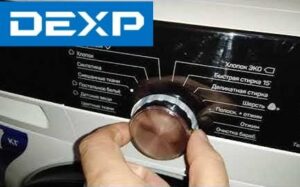
Most of the functions are self-explanatory, even without assistance. This will be even easier for users who have previously owned an automatic washing machine. However, it's best to follow the instructions, which explain all the icons on the washing machine's control panel, rather than rely on intuition. The official manual describes all the programs, their duration, spin strength, water temperature, and much more. Once you've selected the appropriate mode, you can begin washing.
- Connect the machine to the power supply.
- Turn on the water supply tap.
- Place the clothes in the drum, sorting them by color, type and dirtiness.
Remember the minimum and maximum drum load to prevent system imbalance.
- Close the hatch door until it clicks.
- Add household laundry detergent to the powder dispenser.
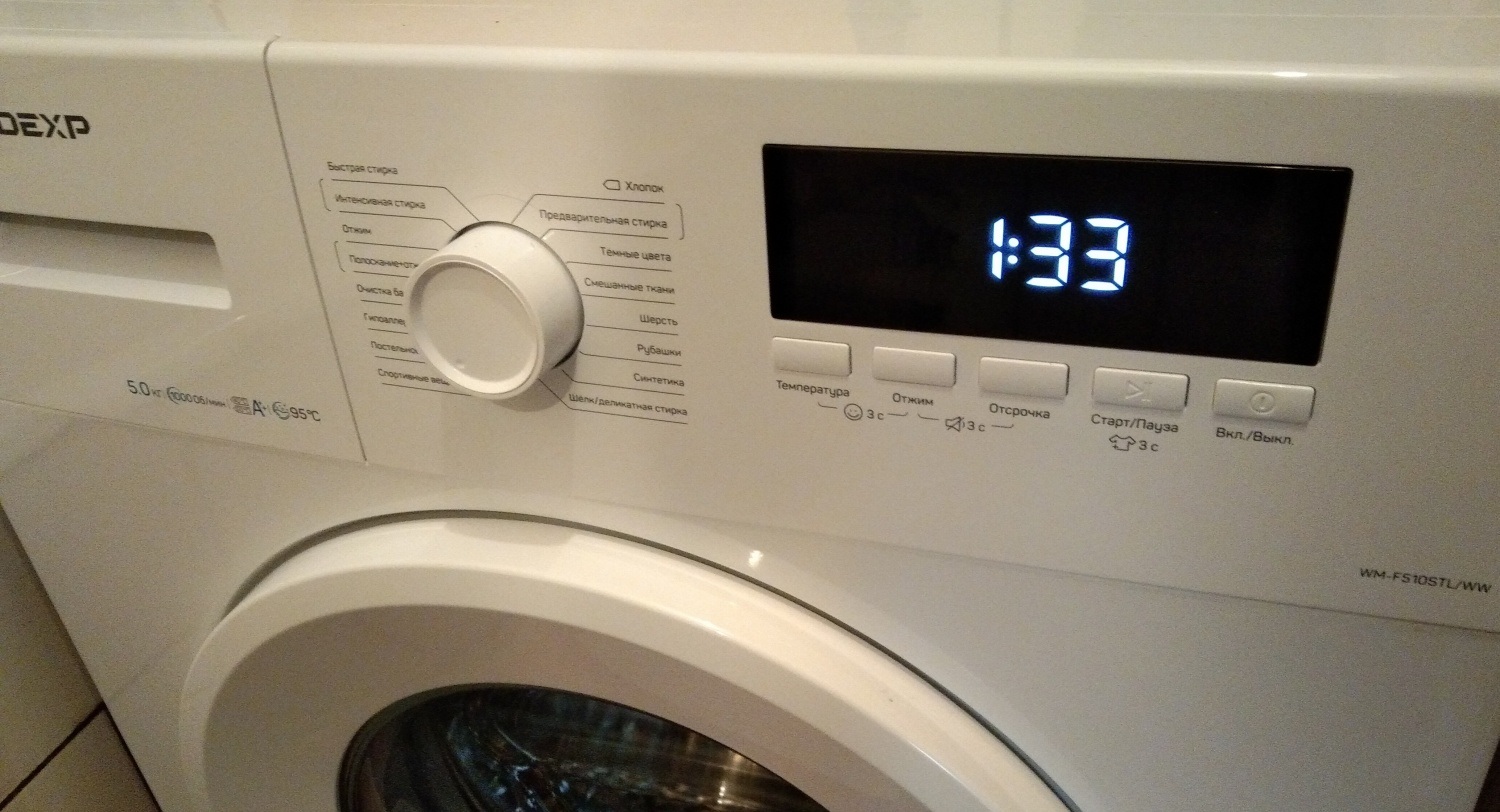
- Select the desired function using the programmer.
- If necessary, further customize the cycle using the appropriate buttons.
- Click the Start button.
All that remains after these steps is to wait for the job to complete, which most modern "home assistants" signal with a distinctive beep. After this message, you should wait a few minutes, as the hatch will be locked for safety reasons.
It is better to wash with a detergent
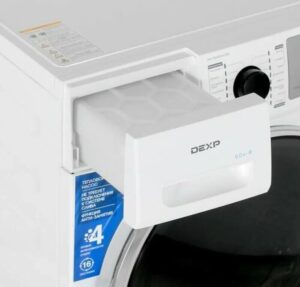
Washing in an automatic washing machine is very effective, but even high-tech household appliances cannot cope without high-quality household chemicals. At the same time, it is necessary to add detergents to the system correctly so that they are not washed out prematurely, but gradually enter the drum. For this purpose, manufacturers have developed a special detergent drawer with compartments for each type of household chemical. The drawer can be found at the top left of the unit—to open it, simply pull it gently. How do you properly use the detergent drawer and detergents?
- Add only household chemicals to the drawer that are intended for automatic washing machines.
- It is best to buy products that are distinguished by their high quality and natural composition.
- If you need to clean clothes made from delicate fabrics, you should use liquid detergents, as they dissolve better in cold water and do not leave white marks on the clothes.
- Don't add household chemicals "by eye" - use a measuring dispenser or cap, and also follow the limit marks in the dispenser compartments.
- It's safer and more effective to use household chemicals for black, white, and colored laundry in different situations, rather than using just one product for all your clothes.
- Never confuse the compartments of the detergent drawer, as they serve different purposes: the left compartment is for the main wash cycle, the right compartment is for the pre-wash cycle, and the central compartment is for fabric softeners, bleaches, and other auxiliary detergents.
Be sure to monitor how much household chemicals you add to the detergent dispenser, as excessive amounts can lead to increased foam formation, which can damage the electronics of the washing machine.
Of course, you can also use the most modern laundry detergents in your washing machine, such as cleaning wipes, laundry tablets, and gel capsules. These should be placed directly into the drum, bypassing the powder compartment. They are slightly more expensive than standard powders and gels, but they offer increased effectiveness and ease of use.
Interesting:

Readers' comments
Headings
Washing machine repair




For buyers




For users


Dishwasher




Add a comment