
Why does the washing machine socket melt?
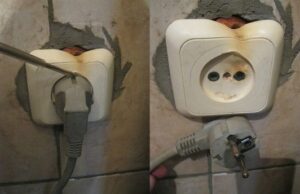 Electricity is no joke. If your washing machine outlet melts, or you smell something burning, see sparks, or see smoke when plugged in, you can't ignore the problem, as it could cause a fire and all the consequences. Any suspected wiring issue should be checked, especially when using a washing machine. Let's figure out how to find the culprit yourself.
Is the socket definitely to blame?
According to statistics, most fires are caused by problems with electrical wiring. Broken insulation, incorrectly calculated load, disregard for safety precautions, faulty equipment – all this creates an emergency situation. To avoid a fire, prepare the power line for the washing machine, and begin troubleshooting if any warning signs appear. Melting, smoke, a burning smell, dark spots around the outlet, and sparking are serious reasons to check. If you notice these symptoms, take action: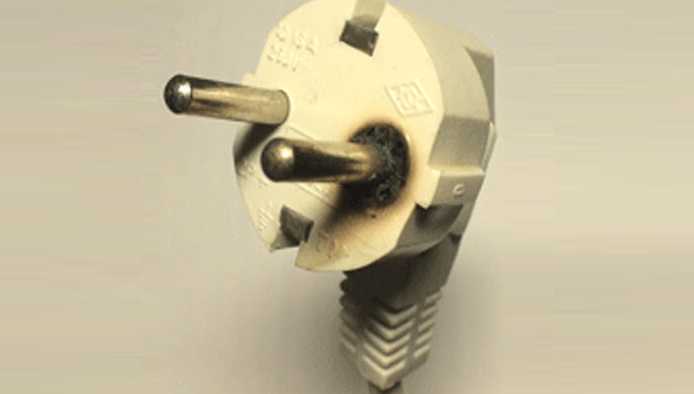
- de-energize the room or the entire apartment;
- make sure the power is off;
- start diagnostics.
When checking electrical connections, follow safety regulations or call an electrician.
The problem isn't always with the outlet itself. Often, the plug is to blame, with screws coming loose and contacts becoming loose. The cord can also start to heat up if the plug isn't the right size for the outlet: the pins are smaller than the holes in the outlet. It's easy to test this: plug the washing machine into a different outlet. If the heating and melting process continues within 10 minutes, the problem has been identified: the plug needs repair or replacement. Spot repairs are not recommended. It's safer and more reliable to replace the entire cord.
The socket is not designed for the consumer
If the plug doesn't get hot when plugged into a different outlet, the power cord is fine. In this case, check the washing machine itself. The outlet installed is likely not designed for the high-power load. These critical situations can include the following.
- The machine is too powerful. Every washing machine has its own power rating, which must match the outlet's capabilities. If the wiring is undersized, the line won't handle it and will start to overheat.
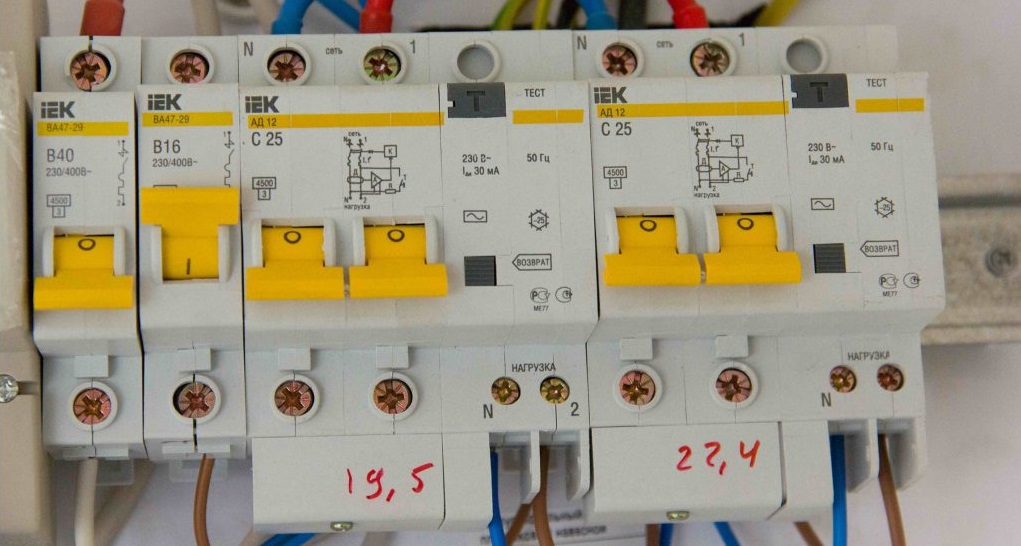
- An "intermediary" is used. Connecting large household appliances through extension cords and multiple sockets is strongly discouraged. The lack of direct contact often results in sparking and melting.
- Several devices are connected at once. The situation becomes even worse when a third-party appliance is plugged into a double outlet or extension cord along with the washing machine. In this case, the combined power consumption of the connected appliances exceeds the established limit.
Preventing a breakdown depends on the situation. Sometimes, it's enough to avoid plugging in multiple appliances at once or avoid using extension cords. In other cases, it's necessary to go further and find a more suitable outlet for the washing machine.
It's a different matter if there's sparking, but everything appears to be fine—the load is within acceptable limits and the connection is direct. Then the heating is caused by the outlet itself. To fix the problem, you'll need to thoroughly inspect the electrical outlet, repair it, or install a new one.
Let's disassemble and inspect the socket
If your washing machine's outlet melts, smokes, or sparks even with a balanced load, the culprit is obvious—the outlet itself. To make an accurate diagnosis, you'll need to disassemble the outlet and check for proper operation. Follow these steps:
- we de-energize the network in the room or throughout the entire living space (we turn the circuit breaker, unscrew the plugs or deactivate the circuit breakers);
- We check the voltage in the electrical network (we insert an indicator screwdriver or connect a lamp);
Before removing the socket, make sure there is no power in the network using an indicator screwdriver, multimeter or table lamp!
- unclip the housing from the socket;
- we loosen the fasteners that hold the “guts” of the socket in the socket box;
- We pull out the “guts” together with the wiring.
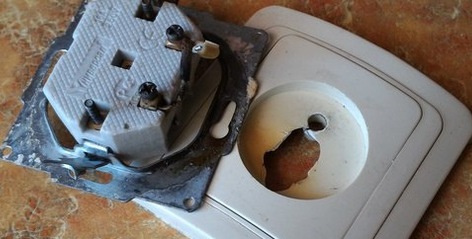
The next step is to carefully inspect the device. Typically, the socket will melt and spark when the contacts become loose and the contact plates become deformed. Let's examine each malfunction.
- The clamps have become loose. In this case, the wires connecting the mechanism to the main power grid come loose, causing localized current leakage and subsequent heating. This most often occurs with softer aluminum wires. The instructions for action are simple: inspect the phases, cut off the damaged ends, strip 0.9-1 cm of the conductors, and secure the clamps. Copper wires can be tightened with a screwdriver.
- The plates are deformed. The contact plates are installed in the mechanism's sockets and become damaged when the electrical load is exceeded. Such a socket cannot be used; replacement is the only solution.
It's even easier to spot a faulty pass-through socket—it heats up even without a plug connected. However, the diagnostic procedure remains the same: first remove it, then check the terminals and plate. After the repair, we be sure to evaluate the quality of the work performed by connecting to the point with any working device.
What if the socket catches fire?
It's even more dangerous if the outlet catches fire when you turn on the washing machine. In such a situation, it's easy to become confused, as you need to act quickly, clearly, and soberly. Otherwise, not only your property but also the lives and health of everyone in the apartment are at risk.
A power outlet can suddenly catch fire for many reasons. Typically, the problem is improperly adjusted outlet, an internal malfunction of the mechanism, or improper operation of the machine. In any case, there is no time to waste – it is necessary to respond quickly to the fire. Do not extinguish a burning electrical outlet with water—it's dangerous! It's best to use special fire extinguishers:
- carbon dioxide;
- powder;
- chemical foam (air-emulsion).
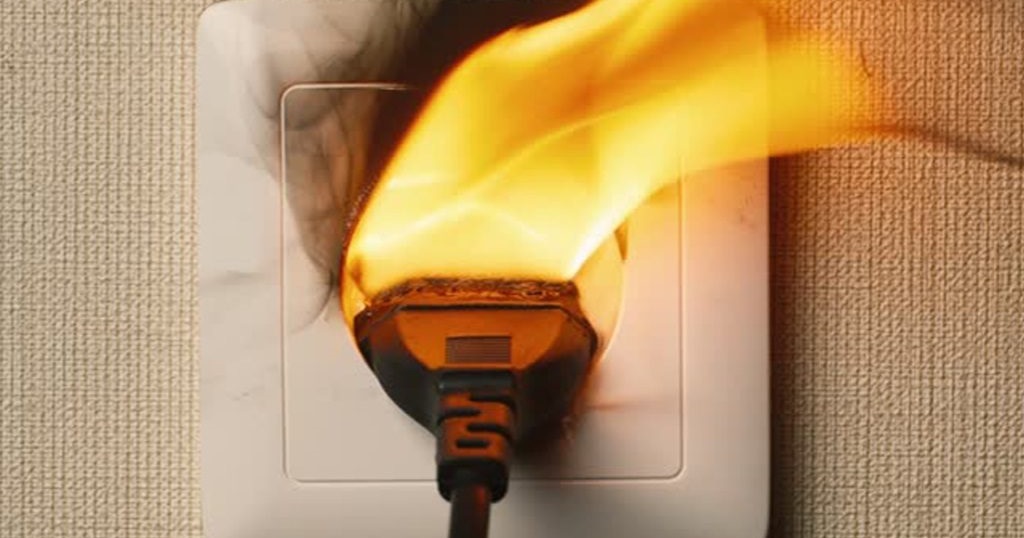
Ideally, you should read the fire extinguisher's instructions beforehand. Carbon dioxide devices, for example, should not be activated with bare hands—the metal body becomes very cold when activated, posing a risk of frostbite. If a fire extinguisher is not available, use improvised means. Dry earth, sand, and a thick cloth are effective. The cloth can be used to cover the flames, preventing the fire from spreading. Sometimes, nothing suitable for extinguishing the fire is at hand. In this case, follow these instructions:
- assess the scale of the fire;
- disconnect the device from the power supply (do not touch the cord or the device itself!);
- interrupt the power supply (cut with rubber pliers or an axe);
- call an electrician.
If the fire is spreading quickly and there is a lot of smoke in the room, leave the room and call 911 immediately. Remember, your life depends on it!
Interesting:
Readers' comments
Headings
Washing machine repair




For buyers




For users


Dishwasher




Add a comment