
Machine washing a polyester blanket
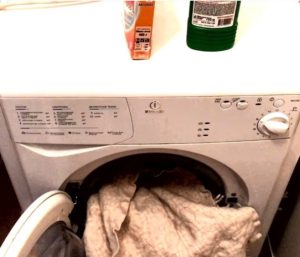 Polyester, or polyester fiber, is considered a soft and durable synthetic material. Throws made from it are often blended, sometimes with natural cotton, viscose, or wool. The percentage of synthetic fiber in a bedspread can be found on the label, where the manufacturer will also indicate the optimal cleaning conditions.
In rare cases, the item can only be cleaned by hand or dry cleaned, but more often, a polyester blanket can be machine washed. The only thing left to figure out is how to set up the machine and organize the process.
How hot should the water be?
When choosing the temperature, refer to the item's label. If it's missing or illegible, follow the general cleaning recommendations for polyester items. The temperature of the water depends on the degree of soiling of the blanket:
- when you need to remove stubborn stains – 40 degrees;
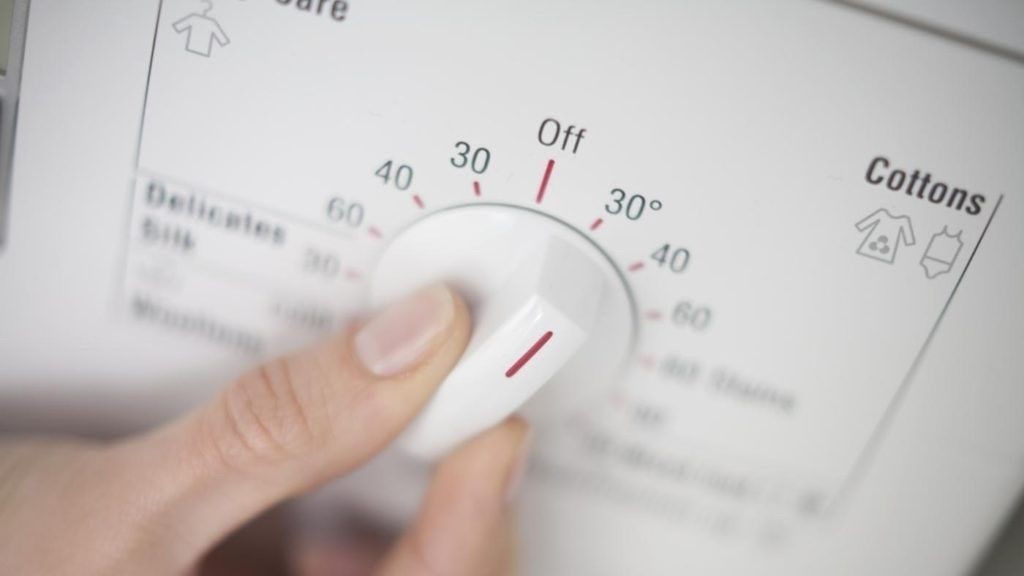
- If you just need to refresh the product – 30 degrees.
The optimal temperature for cleaning polyester is up to 40 degrees.
Selecting a high temperature mode and heating the machine to 50-60 degrees is unacceptable. Hot water will cause natural and synthetic fibers to discolor and become deformed, which will permanently damage the blanket. You also shouldn't wash on a low setting—in a cold environment, the detergent will dissolve more slowly and won't be able to remove stains fully.
Which program is suitable?
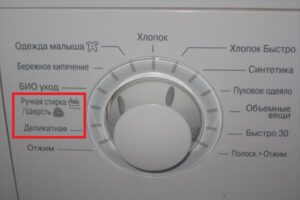
Pay special attention to program selection. Ideally, you should select the most gentle cycle—"Manual," "Delicate," as well as "Wool" and "Silk." These cycles ensure gentle cleaning without intensive drum rotation. The key is to adjust the settings, setting the heat to 40 degrees Celsius and the spin cycle to 400-800 degrees Celsius.
The polyester blanket can be washed on the “Wool”, “Synthetics”, “Silk”, “Delicate Wash” and “Hand Wash” programs.
If your blanket is sufficiently refreshed, you can save time and resources by using the "Quick 30" cycle. It's best to skip the prewash, but a double rinse won't hurt. You can add fabric softener or rinse aid at the finish to make the blanket soft and smooth.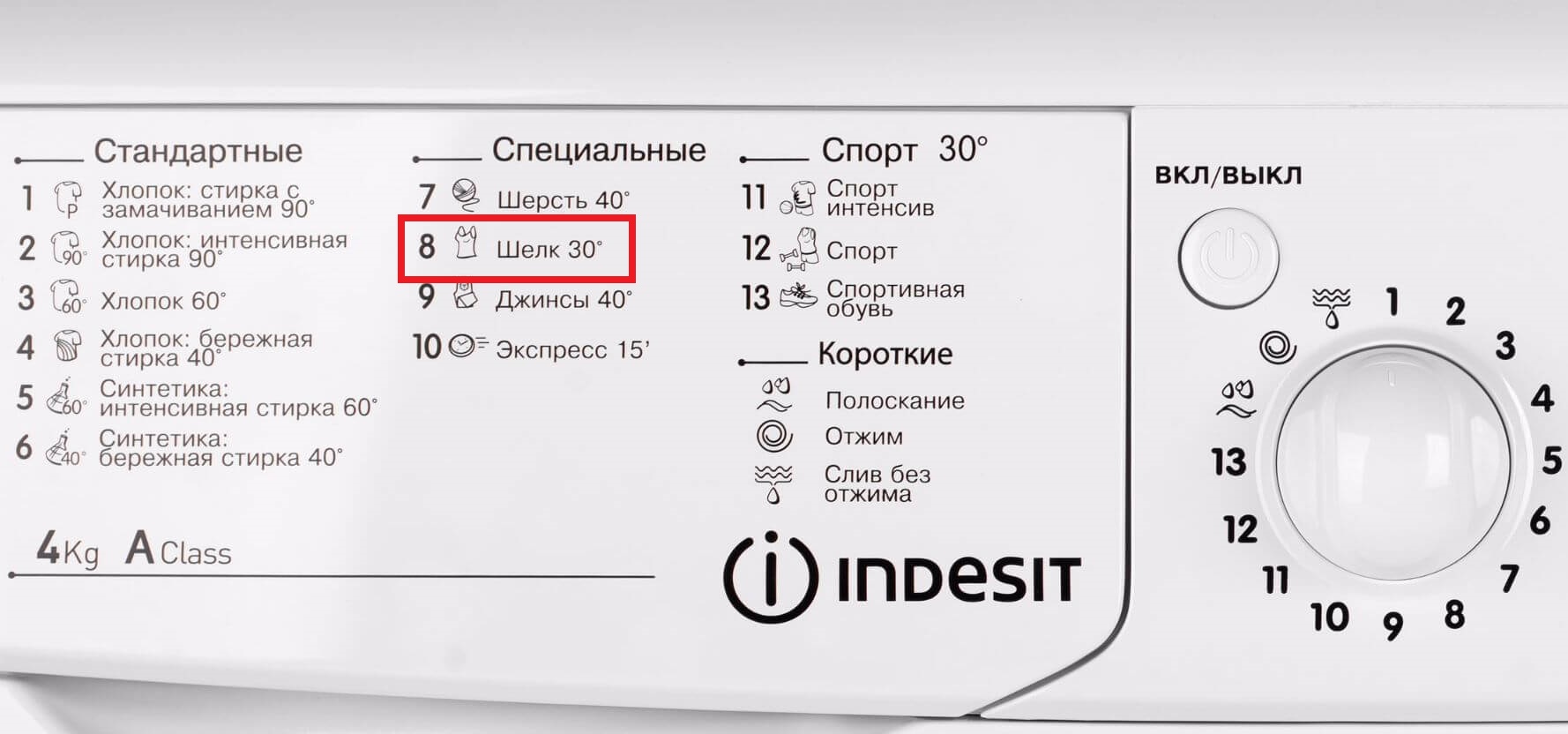
Complex stains
If there are stubborn or old stains on the fabric, it's necessary to pre-clean the affected areas. However, don't immediately apply stain remover to the blanket; first, test the fibers for strength and pigment fastness by spot-testing an inconspicuous area on the inside. If the material has faded, a more gentle cleaner is needed.
To remove stains from polyester, use a chlorine-free stain remover.
Laundry soap is excellent for removing various types of stains from polyester. Table salt sprinkled on top can also absorb dirt from synthetics. Colored items are best cleaned with a 10% borax solution quenched with citric acid. Apply the chosen solution to the stained area and rub it in with the convex side of a spoon. The smooth surface of the appliance will prevent the fibers from becoming deformed.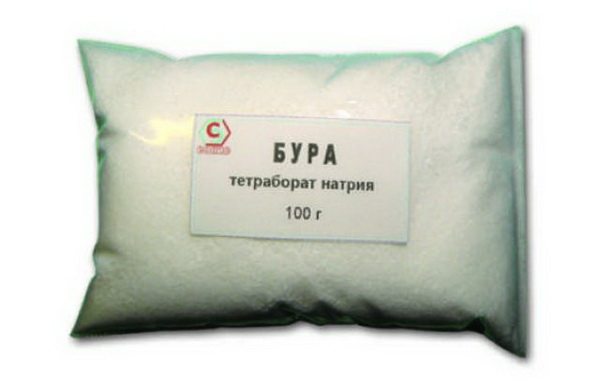
Is it difficult to dry?
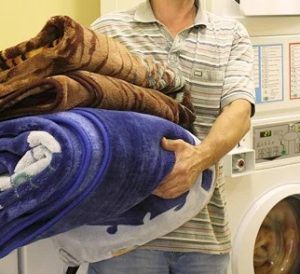
It is not recommended to wring out a polyester blanket - twisting and intense pressure will damage the fibers, leaving creases that are difficult to iron out. It is better to take the wet blanket out of the drum and place it on the bottom of the bath, allowing the water to drain freely from the fabric. Only gentle pressing of the material and turning it over is permitted.
A blanket made of polyester fibers dries naturally in 1.5-2 hours.
Afterwards, hang the blanket on a hanger and blot it with a dry terry towel. Choose a ventilated area away from direct sunlight and heating devices for drying. Polyester dries quickly—on average, 1.5-2 hours.
Interesting:


Readers' comments
Headings
Washing machine repair




For buyers




For users


Dishwasher




Add a comment