
Machine washing a long-pile blanket
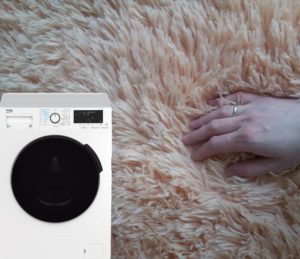 A luxurious, fluffy throw is a beautiful addition to any home. You can use it as a bed or sofa blanket, adding a touch of flair to your space, or use it as a throw on cool evenings. Washing this throw can be challenging. It's quite bulky, heavy, and sometimes simply won't fit in the drum of an automatic washing machine. Let's learn how to wash a long-pile throw and cover the basic cleaning process.
You can't do it without preparation.
To ensure your fluffy, warm blanket continues to delight you for years to come, you need to properly care for it, starting from the moment you buy it. This will determine the quality and lifespan of the product. Be sure to read the information on the blanket's label - it indicates the recommended cleaning method, temperature range, material composition, and ironability. It's important to follow the manufacturer's instructions, otherwise you could ruin the item. Here are some recommendations for caring for a blanket with a long, fluffy pile.
- Invest in a soft brush for dry cleaning your bedspread; it will help your blanket maintain its original appearance for much longer, preventing debris and crumbs from accumulating inside. Brushed fabric looks more luxurious, more beautiful, and feels more comfortable against the skin.
- Don't throw your blanket in the washing machine every time a small stain appears. Machine washing is only recommended when gentler methods fail to remove the stain.
- If you simply need to "revitalize" your blanket or neutralize unpleasant odors (which are quickly absorbed by natural materials), hang it on the balcony. This will ensure the natural freshness of your fluffy blanket.
- If you need to shake out dust, hang the canvas outside and tap it vigorously with a carpet beater.
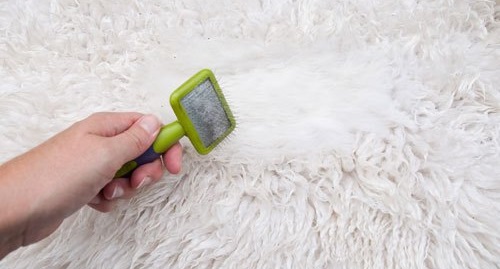
If your blanket is heavily soiled, wet washing is essential. Before throwing it in the drum, remove any stubborn stains. First, try scrubbing the affected areas with a soft brush to loosen the dirt. If that doesn't work, dampen the bristles with water and vinegar or baking soda and brush the stained areas again.
You can clean a fluffy blanket using specialized carpet and upholstery cleaners. Follow the instructions on the packaging exactly. To comb out a white blanket, you can prepare a "natural" solution: add the freshly squeezed juice of three lemons to a liter of water. Citric acid, known for its bleaching properties, will help remove unwanted stains.
A soft brush will remove pet hair, hair, and other debris stuck in the high pile. A regular pet comb will also do the job.
Washing items automatically
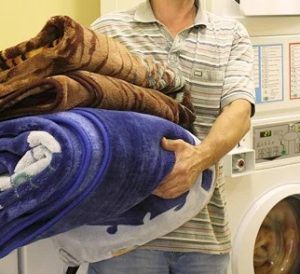
If the manufacturer allows machine washing, you can cycle it on a hand or delicate cycle, using the "Wool" program. The blanket should fit comfortably in the drum; if it's difficult to push in, consider abandoning the machine cleaning program.
Before loading the blanket into the drum, it is better to roll it into a snail shape, with the outer side facing inward – this will make the wash more gentle.
It is important to check the settings of the mode you have chosen. When washing a long-pile bedspread, you need to set the minimum spin speed, the lowest water temperature, and run the shortest wash program.
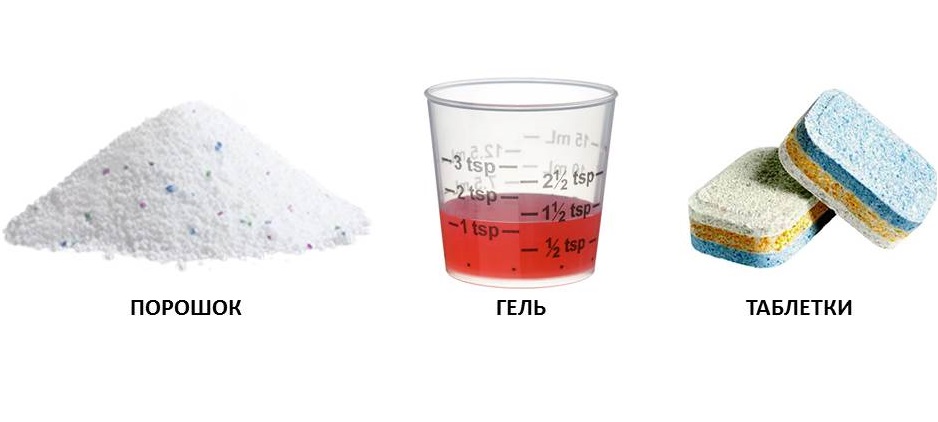
When it comes to detergents, liquid gels are preferable. Powders dissolve poorly in cool water, and their granules are not completely rinsed out of the pile. Dry the blanket naturally, avoiding electric dryers and radiators.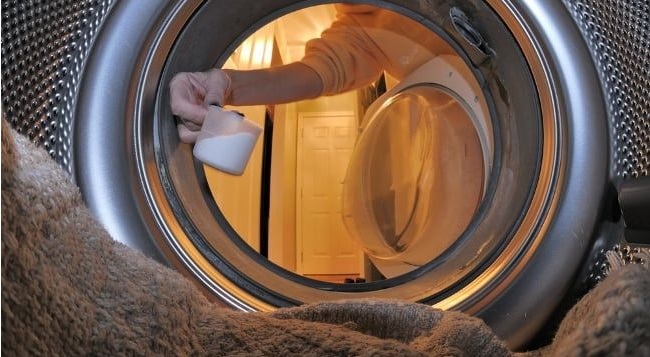
Alternative washing options
Hand washing a blanket is considered the safest option. This allows for complete control over the process, gently cleaning the item. Due to its larger size, it's more convenient to wash it in the bathtub. The procedure is as follows:
- Fill the bathtub about halfway with water (no hotter than 30-40°C). The wash temperature for blankets made of synthetic materials may be higher, so the care label is the primary guide.
- Dissolve the detergent in water. It's better to use a gel rather than a dry powder. Liquid detergent dissolves faster and is easier to rinse from the fabric.
- Soak the blanket for about half an hour. The maximum allowable time is 60 minutes;
- Using gentle movements, "knead" the bedspread in soapy water. Avoid rubbing the pile vigorously, as you would with regular items;
- drain the dirty water from the bath and fill it with clean water for rinsing;
- Rinse the fabric at least three times until the product is completely washed out of the fabric fibers.
The use of chlorine-containing detergents is strictly prohibited, as they can irreparably damage the product.
Drying a blanket can be challenging. To preserve its shape, avoid wringing it. After rinsing, leave it in the bathtub to allow excess moisture to drain. Lay it flat to dry. For example, lay a sheet on the table and spread a bedspread over it.
If you don't want to wash a long-pile blanket by hand, you can take it to a dry cleaner. This method saves time and effort, but not money. If you can afford it, take your fluffy blanket to the professionals—they'll assess the degree of soiling, select the optimal cleaning method, and thoroughly refresh and dry it. It's important to choose a reputable company with many positive reviews.
The nuances of blanket care
A grass blanket, so beloved by those who value coziness, comfort, and softness, requires special care. The more delicate and soft the item, the more sensitive it is. Therefore, it's important to brush it as often as possible to prevent stains.
Fluffy bedspreads made from natural materials should be thoroughly washed no more than once every 6 months.
If you wash a long-pile blanket every month, it will eventually lose some of its properties, lose color, become misshapen, and the fibers will become more frayed. Therefore, frequent wet washing is not beneficial for such a blanket.
It's best to wash a fluffy blanket thoroughly on a warm day. This will allow the fabric to dry faster, making cleaning much more hygienic. Washing a blanket on a cloudy or rainy day will prevent it from drying, and bacteria multiply rapidly in a humid environment. After a couple of days of drying, the fleecy fabric will begin to emit an unpleasant, damp smell.
Depending on the material the blanket is made from, washing instructions may vary. Therefore, it's important to read the product label. This will help you understand how to care for the item in the future to preserve its appearance for a long time.
For example, some strict restrictions can be relaxed when washing synthetic items. Of course, if you play it safe and stick to standard guidelines, it won't hurt. However, synthetics are less sensitive and can easily withstand exposure to water at 60°C and drying on a clothesline. Fleece blankets don't need to be brushed before loading. Simply shaking the fabric thoroughly is sufficient.
There are also unconventional ways to maintain the appearance of home textiles. Experienced housewives have learned to quickly and easily clean high-pile blankets using a sticky clothes roller. This procedure won't replace a full wash, but it will refresh the bedspread nicely. Periodically running the smart device over the fabric will prevent debris, hair, and pet dander from accumulating in the fleece.
A simple duct tape wrapped around your palm can serve as a bolster. Wipe the lint with the sticky side of the tape, and it will be free of crumbs and other debris. Also, remember to periodically shake out the blanket on the balcony and air it out, protecting it from direct sunlight.
Interesting:


Readers' comments
Headings
Washing machine repair




For buyers




For users


Dishwasher




Add a comment