
What to do if mold appears in the washing machine?
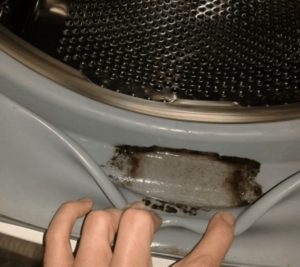
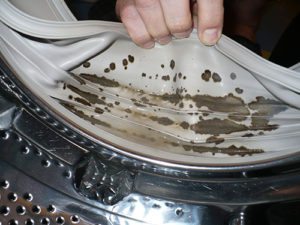
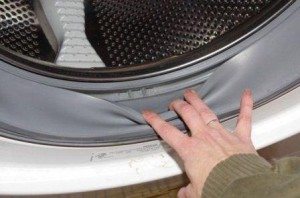 Having an automatic washing machine is no longer a surprise. It's very convenient and comfortable to use, and washing doesn't take as much time as with a regular machine. However, there are potential problems. If you suddenly notice a musty, damp smell, or dark spots appear on the sealing ring, black mold has formed in your washing machine, and immediate action is needed before it spreads throughout the entire unit. If the growth is severely neglected, some parts may need to be replaced.
Many housewives would like to know how to clean a washing machine from mold and what causes it to appear, namely:
- warm air;
- excess moisture;
- unventilated room.
Its spores can spread in significant quantities throughout the air of an apartment or house. Inhaling them, people with weakened immune systems can suffer from frequent headaches and even develop chronic illnesses, including bronchial asthma. Cleaning your washing machine of this contaminant is essential.
Causes of mold and how to prevent it
 Mold has nothing to do with animals or plants—it's a fungus. To avoid the hassle of cleaning a washing machine, you need to know why it appears.
Mold can develop when washing at low temperatures, using detergent without bleach, or using fabric softener frequently. If limescale isn't removed, mold will inevitably grow wherever it's present. High temperatures (over 60°C) disinfect the machine, but low temperatures don't.
Bleaches contain chemically active ingredients that inhibit the growth of mold. Fabric softener, used during the rinse cycle, can leave a slimy residue on the drum walls—a breeding ground for mold spores. Cleaning a washing machine with hot water is useless once mold spores have appeared; they are no longer susceptible to it. Warmth and dampness are the most favorable conditions for the growth of mold colonies. and to prevent this, drastic measures will be required.
To avoid searching for information on how to clean a washing machine, simply follow these simple maintenance rules. Those who follow them will avoid this problem. Descaling is necessary from time to time.
If mold is present, clothes will develop an unpleasant odor and pose a health risk. Don't despair if mold appears, but be prepared for a long battle. Removing mold from your laundry will require patience.
Some preventative measures can help avoid this infection:
- After washing, there should be no water left in the drum; the walls and sealing ring should be wiped dry.
- Use the recommended washing powder; gel-based detergents, if used in excess, settle on the walls of the drum and contribute to the development of mold.
- Mold will not grow in the washing machine (possibly) if the detergent drawer and the door are kept slightly open; if the machine is in the bathroom, increase the ventilation of the room.
- A dark room increases the likelihood of mold growth; it is better to keep the machine in the kitchen.
- Water from the kitchen sink should not get into the machine.
Effective measures against mold
 Preventing mold spores is easier than treating them. Cleaning a washing machine from mold requires drastic measures. The root causes must be eliminated. Mold dislikes dryness, high temperatures, and is not resistant to acids. It grows not only on the sealing ring and the inner walls of the drum, but also in external and hard-to-reach areas. Therefore, don't be complacent after the first attempt; if the mold is gone from visible areas, it may return.
So, how to clean an automatic washing machine if mold spores have appeared? There are several simple but effective methods:
- Regularly use the boiling cycle; the high washing temperature will kill the spores in the bud and prevent them from multiplying.
- Avoid overusing gel-based detergents, as their residue can promote the growth of fungal spores.
- Baking soda will help get rid of mold if you mix it with water (1:1) and regularly wipe the interior surfaces of the machine.
- The problem of how to remove mold is effectively solved with citric acid, when added instead of powder during long-term washing at a temperature of at least 60 degrees (every 3-6 months).
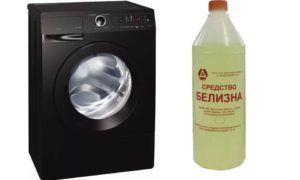
- Cleaning will be more effective if you add a glass of bleach to the citric acid directly into the drum.
- Wipe the sealing ring with a solution of copper sulfate and leave for 24 hours, then rinse.
- White vinegar will help solve the problem.
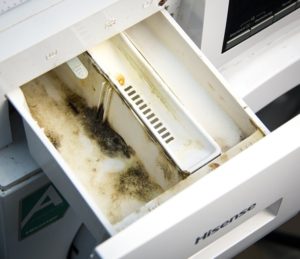
Knowing how to prevent and combat mold growth can make removing mold from your washing machine seem less daunting. It's important to remember that preventing mold is easier than eliminating it. Don't neglect regular cleaning of the filter and hoses, as this is where mold spores can thrive. It's best to remove the detergent drawer and dry it after each wash.
Interesting:
Readers' comments
Headings
Washing machine repair




For buyers




For users


Dishwasher




Add a comment