My washing machine isn't spinning well—what should I do?
Some users don't notice when their automatic washing machine starts spinning poorly. However, this could be a warning sign that the machine is about to break down and urgent action is needed. In this article, we'll discuss the causes of poor spinning and how to fix them.
Main causes of malfunction
First, let's differentiate the "symptoms" of malfunctions, as the causes of poor spinning are different from the reasons why the machine doesn't spin clothes at all. In this article, we'll describe cases where the washing machine doesn't spin clothes properly and explain what to do in these cases. First, let's look at the reasons why laundry remains wet at the end of the wash cycle.
The user selected the wrong washing mode, and because of this, the washing machine did not spin the laundry properly.
The user placed too much laundry in the drum, which resulted in a decrease in spin quality.
The engine tachometer has failed, which is why the machine spins at low speeds, and therefore - poorly.
There are problems with the motor brushes, as a result of which it cannot accelerate the drum to the required speed.
There are defects in the control board, which is why the program does not complete correctly and the machine does not spin properly.
The water from the drum after washing does not drain completely or drains slowly, which means that spinning occurs, but the laundry gets wet again.
Please note! Some experts claim that the machine's spin cycle is poor due to broken bearings. In this case, we don't believe it's appropriate to describe this cause in this article, as it's complex and affects the entire wash cycle, not just the spin cycle.
User errors
As absurd as it may sound, many users still neglect basic washing machine safety rules. Most often, people overload the drum or cram so many bulky items into it that they don't move even after being soaked. In this case, even if the machine manages to spin the drum at 1600 rpm, the spin quality will be poor.
Modern washing machines have quite a lot of different programs and additional functions. The number of buttons on the control panel can be overwhelming and can lead to users choosing the wrong wash/rinse/spin program for a particular type of laundry. As a result, the laundry ends up wet, and the user develops complaints about their particular washing machine model. All they had to do was open the manual and read it carefully.
Please note! Manufacturers provide detailed instructions for washing machines, detailing which washing modes are suitable for which fabric types. To avoid choosing the wrong program, simply refer to the instructions.
The above mentioned spin problems are easy to fix: just remove any excess laundry from the drum or select the desired program, and everything will go like clockwork. But If the user starts systematically stuffing too much laundry into the drum, serious technical problems may occur. It's especially dangerous if your washing machine isn't equipped with an imbalance protection system. Constantly washing the maximum load of laundry can cause damage. tachometerWhat are the consequences?
A faulty tacho sensor means the control board won't know the motor's speed, meaning it won't be able to properly control it, increasing or decreasing the speed when needed. The result is predictable: the drum will spin at minimum speed, making proper spinning impossible.
A faulty tachometer sensor is easy to diagnose. Observe the washing program. If the drum does not change its rotation speed or the speed changes inappropriately for the stage of the washing program, then the problem lies in the drum itself. What needs to be done?
We remove the back wall of the washing machine together with the bracket.
Remove the drive belt. To do this, grab the belt itself with one hand, pull it gently, and turn the pulley with the other.
The tachogenerator is located directly on the engine; we disconnect the wires with terminals from the contacts.
We pry the tachogenerator with a screwdriver and pull it off the engine.
We purchase the original element and “plant” it in place of the old one.
We put on the belt and put the rear wall of the car back in place – the repair is complete.
Important! If you encounter any problems installing or removing individual components of your washing machine, contact a specialist. It's better to pay for a minor repair than to pay for a costly one later.
The water does not drain completely from the tank.
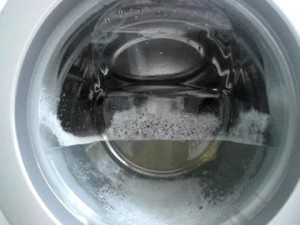
Why else does the machine spin poorly? Because the water in the drum isn't draining completely. You might ask, "How is this even possible?" If there's water in the drum, the machine simply won't be able to complete the wash cycle correctly. The problem is, sometimes the water drains very slowly, leaving some liquid behind, and the water level sensor doesn't detect it. Ultimately, the wash cycle completes, but the spin cycle, which should ideally occur with an empty drum, ends up with the drum still full of water.
As a result, energy and time are wasted, and the laundry is left dangling in the drum and remaining just as wet as after the rinse. If you suspect this is the case, get it checked out. Watch the washing machine through the hatch during the spin cycle. If you see a little water splashing around during the spin cycle, this means you need to check the drain pipe, drain hose, and filter. It would also be useful to check the pressure switch, but this is the last resort. What to do:
then clean the drain hose, to do this you need to unscrew it from both the machine and the siphon;
If the problem is not solved, you will have to lower the machine onto its side, remove the bottom, then dismantle the drain pipe and clean it from dirt and foreign objects;
After this we put the pipe back in place and assemble the car.
Problems with the control board, the motor failed
In rare cases, problems with the control board can occur, which in turn leads to problems with the spin cycle. Control board malfunctions typically manifest themselves not only as failures of a particular wash cycle, but also as other unusual behavior:
the machine freezes;
washing programs jump over one another;
the washing program never finishes, but after rebooting everything becomes normal;
The lights on the control panel blink alternately.
If you don't notice any such oddities, it might be too early to look at the control board and you should check other parts of the machine for faults. But if a quick visual inspection of the control unit hints at a malfunction (burned wires coming from the unit, traces of soot on the circuit board), it's best to call a specialist to sort everything out. It's best not to touch such an expensive and complex component yourself.
Please note! While this varies by brand, the control unit typically costs 1/3 of the cost of a new washing machine.
Why else might a washing machine spin poorly? The answer may lie in the motor. The brushes inside the commutator motor wear out over time, causing it to rapidly lose power. This causes poor spin performance, as a weak motor lacks the power to spin the drum to the required speed. Repair and inspection of the washing machine motor It will take a lot of time and require a certain amount of skill, but it is entirely possible to do this work yourself.
Finally, it's worth noting that sometimes, to figure out why a washing machine won't spin properly, you need to disassemble half the machine. Not everyone can handle a meticulous and methodical search for the cause of the problem, so if you're unsure, seek professional help.

 Some users don't notice when their automatic washing machine starts spinning poorly. However, this could be a warning sign that the machine is about to break down and urgent action is needed. In this article, we'll discuss the causes of poor spinning and how to fix them.
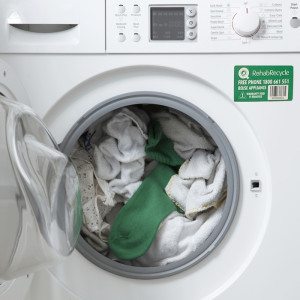 As absurd as it may sound, many users still neglect basic washing machine safety rules. Most often, people overload the drum or cram so many bulky items into it that they don't move even after being soaked. In this case, even if the machine manages to spin the drum at 1600 rpm, the spin quality will be poor.
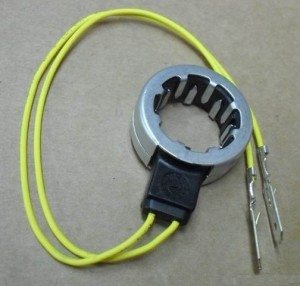 A faulty tachometer sensor is easy to diagnose. Observe the washing program. If the drum does not change its rotation speed or the speed changes inappropriately for the stage of the washing program, then the problem lies in the drum itself. What needs to be done?
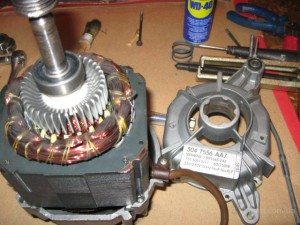 Why else might a washing machine spin poorly? The answer may lie in the motor. The brushes inside the commutator motor wear out over time, causing it to rapidly lose power. This causes poor spin performance, as a weak motor lacks the power to spin the drum to the required speed. Repair and inspection of the washing machine motor It will take a lot of time and require a certain amount of skill, but it is entirely possible to do this work yourself.
















Thank you very much for the consultation, everything was explained clearly.
I agree with the author of the comment above, thank you, well done!!!
Thank you
Thank you, you explained it in great detail.