
Bosch dishwasher makes a humming noise while running
 A Bosch dishwasher humming during operation is not normal. Noise during washing indicates a malfunction. It's essential to begin diagnostics and identify the cause of the unusual noise as soon as possible. Let's look at which dishwasher components to pay attention to first if you experience this type of noise.
How does the problem manifest itself?
Noise during washing always indicates a problem with the system. The machine may hum, rattle, grind, or vibrate. In any case, don't put off diagnostics.
Your dishwasher may hum at different stages of the cycle:
- immediately after switching on;
- while washing dishes;
- when collecting water;
- when draining waste liquid into the sewer.
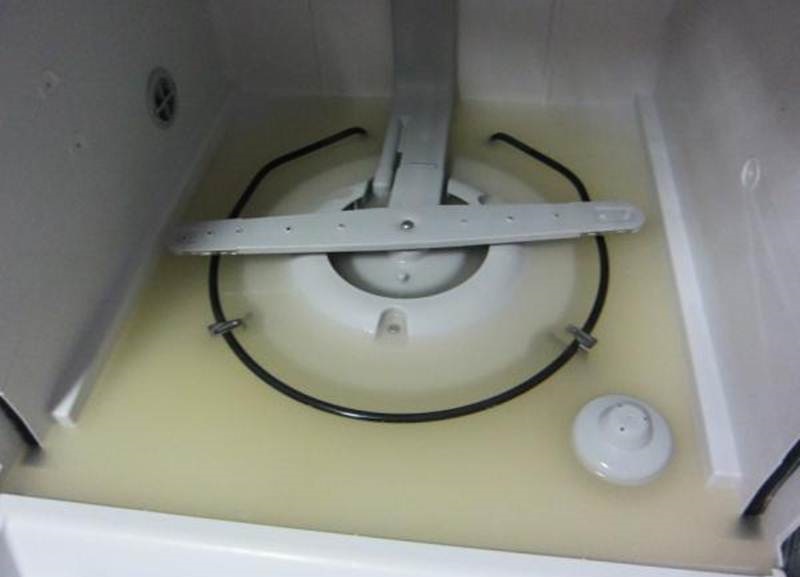
Sometimes a dishwasher may hum without actually filling. In any of these situations, turn off the machine and unplug the power cord. Next, run a diagnostic. You can perform the test yourself or contact a professional for assistance.
How to find the source of noise?
Before you try to figure out the cause of the noise yourself, you need to study what parts the device consists of. Please read the instructions for your dishwasher – it describes its operation. Diagnostics must be carried out from simple to complex, eliminating one possible breakdown after another.
Sometimes the noise when the dishwasher is running is caused by high pressure in the water supply system, in which case the machine is not to blame.
Diagnosis should begin with the most harmless causes. The following should be checked first:
- water pipe pressure;
- Are the filters in the washing chamber clogged?
If the pressure in the pipes is too high, simply wait until it drops to normal levels. Then the pressure switch will begin to function properly. If any filter elements are clogged, they should be cleaned and replaced.
A faulty circulation pump is also a common cause of dishwasher noise. In this case, the machine hums throughout the entire cycle. The pump must be removed and inspected. If it breaks, it will need to be replaced.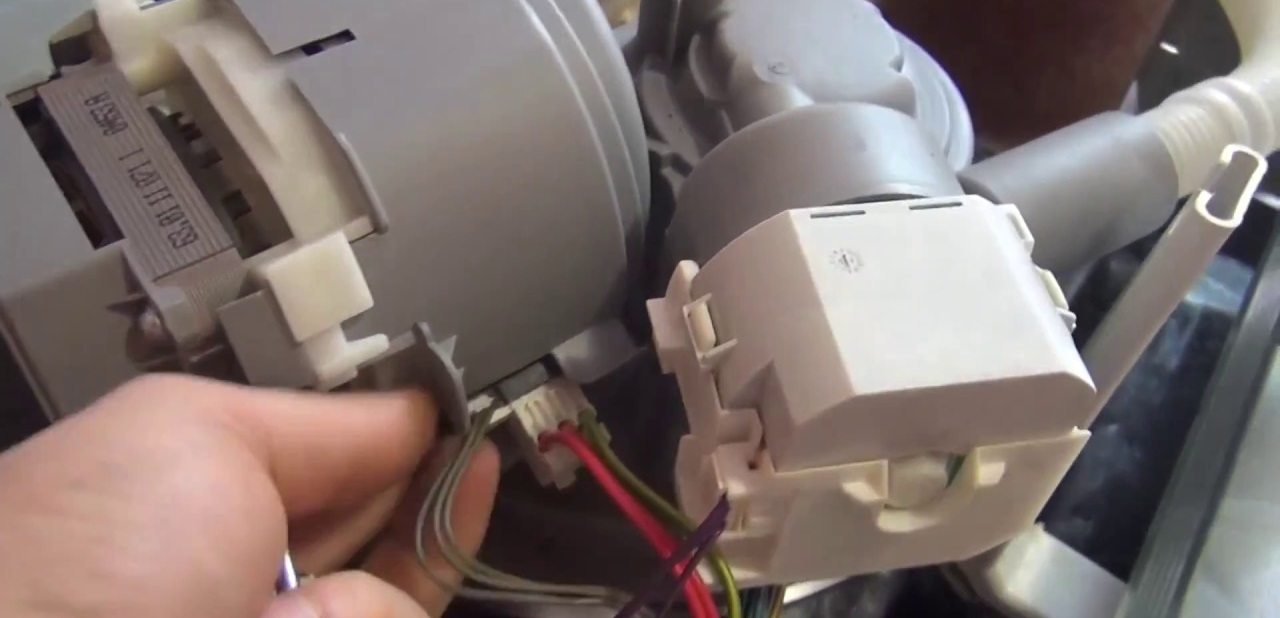
If the machine starts making loud noises while draining the used liquid, it's likely the pump. Remove the pump and check it with a multimeter. A burnt-out element cannot be repaired and will need to be replaced.
We check and clean moving parts
First, make sure the dishwasher is level, the cutlery is properly positioned in the baskets, and the rotation of the wash arm is unobstructed. This can also cause unusual grinding and vibration noises. If all is well, proceed to inspecting and cleaning the dishwasher's moving parts. This includes the spray arms, sealing rings, and filters.
Open the dishwasher door and remove everything from the dishwasher, including any utensils and dish racks. Then remove the upper spray arm and seal, and clean any debris from the components.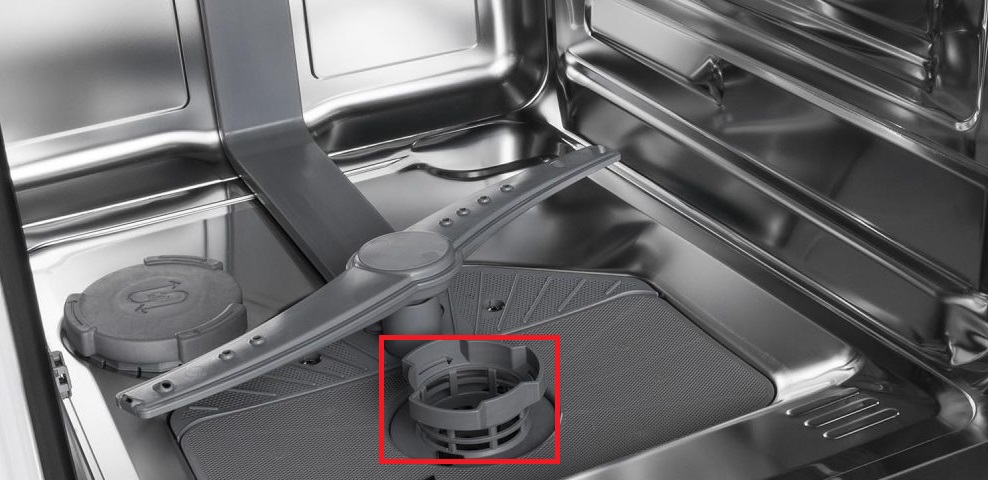
Next, you need to detach the lower spray arm and clean it as well. Next, unscrew and rinse the debris filter in warm water. These parts are where dirt accumulates most often, so they require periodic attention.
To prevent clogged spray arms and filters, always clean dishes of any food residue before loading them into the machine. Make sure there are no tea bags left in mugs. These simple steps will help avoid many dishwasher problems.
Something happened to the main pump.
If cleaning the moving parts doesn't help, you'll have to move on. In approximately 50% of cases, noise during washing occurs due to a malfunctioning circulation pump. Moreover, the problem usually lies in a small support bearing, in the form of a ring, which is made of a graphite-based material.
The thrust bearing, with daily use of the Bosch dishwasher, wears out in an average of 2-3 years.
This part is considered a consumable. The graphite ring wears out fairly quickly and requires replacement. Moreover, the newer the Bosch dishwasher model, the sooner the thrust bearing wears out.
Initially, wear and tear doesn't affect the operation of the circulation pump. Later, the bearing wears down further, and the pump begins to make an annoying humming noise. You can fix this yourself. The procedure is as follows:
- unplug the dishwasher;
- disconnect the machine from communications;
- Move the machine so that it is convenient to work with;
- lay your "home helper" on her side;
- remove the dishwasher tray;
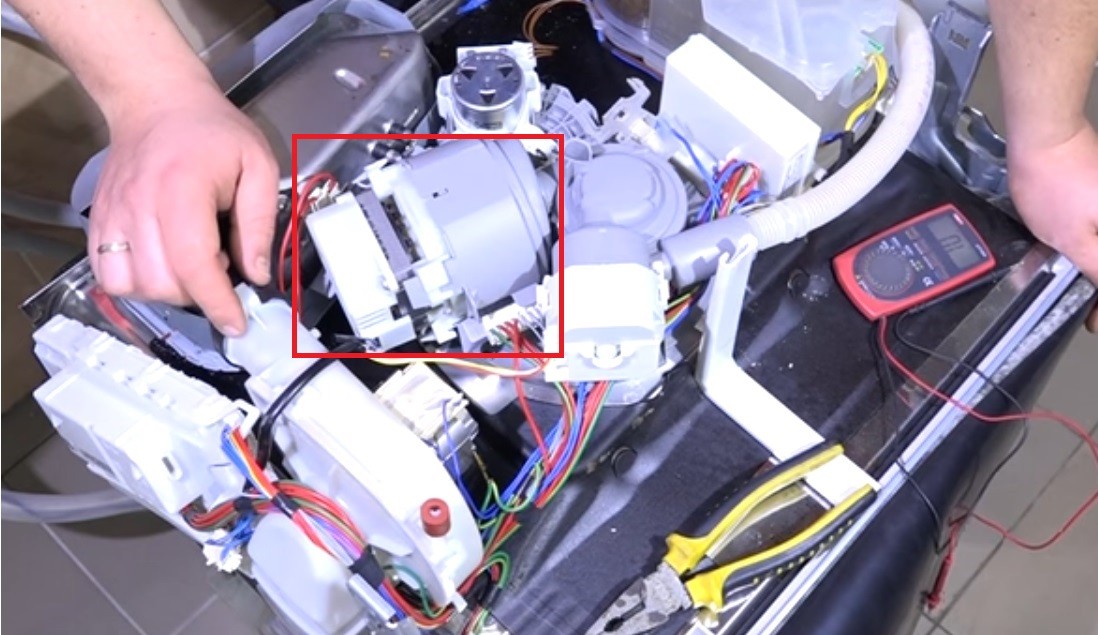
- find the circulation pump;
- disconnect the wires and pipes from the pump;
- remove the pump from the machine.
Next, you need to disassemble the circulation pump. First, disconnect the heater assembly from the electric motor. Removing the element is difficult, so proceed carefully to avoid damage.
Then, disconnect the impeller and remove the anchor with pliers. The "culprit"—the rear graphite bearing—is located at the base of the anchor. The support ring can be removed with tweezers. Underneath it is a rubber seal, which should also be inspected for wear and other defects.
If the rubber gasket is intact, it can be left in place. The thrust bearing will need to be replaced. A new part is purchased for the specific Bosch dishwasher.
Many mechanics refuse to replace the rear support bearing because it's quite difficult to access. Specialists ream out the ring, temporarily restoring its former functionality. After this repair, the machine will run for another 1-2 years, but then the humming noise will return.
Therefore, it's best to replace the bearing immediately rather than attempting to repair it. Afterward, reassemble the pump in reverse order and secure it in the dishwasher body. Then, run a test cycle and observe the dishwasher's operation.
Drain pump
After the circulation pump, the dishwasher's drain pump is next in line for inspection. This malfunction is much less common, but it does occur. It's easy to tell if the problem lies with the drainage system because the machine starts making noise at a certain point during operation.
If your dishwasher hums and makes noise only when draining water, then in 99% of cases the problem is in the drain pump.
To check the drain pump, it is necessary to remove it from the dishwasher housing. Therefore:
- Empty the machine by removing the dish baskets and cutlery tray;
- turn off the power to the dishwasher, disconnect it from the water supply and sewerage system;
- wipe off any remaining water in the washing chamber with a dry cloth;
- lay the PMM on its side;
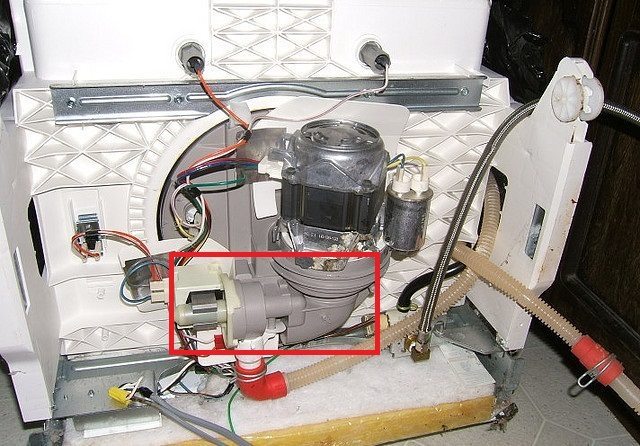
- remove the machine tray;
- unhook the drain pipe from the pump, having dealt with the clamps;
- disconnect the wiring from the pump;
- unscrew the screws holding the pump;
- Remove the pump from the dishwasher body (do this carefully so as not to damage the sealing gasket).
Next, you need to disassemble the drain pump. Pay special attention to the impeller. If the blades are deformed, the part will need to be replaced. However, it's much easier to install a new drain pump. They're inexpensive, so you don't have to rack your brain trying to repair it.
You can purchase a pump at a specialty store. Be sure to check the model of your Bosch dishwasher. After installing the new drain pump, reassemble the dishwasher in reverse order. Then run a test cycle. The humming noise should stop.
Interesting:





Readers' comments
Headings
Washing machine repair




For buyers




For users


Dishwasher




Add a comment