Not all housewives have the space to place a dishwasher near the kitchen sink. But this doesn't mean you have to give up effortlessly clean pots and plates—finding a place for a dishwasher in the bathroom is enough. Just consider a few nuances. We'll discuss the challenges and risks involved below.
Where to put it?
Even in a small bathroom, there's always room for a dishwasher. Moreover, you can choose how to place the appliance: move it next to the sink or build it under it, place it separately in a free corner near the bathtub, place it directly on top of the washing machine, or build a dedicated shelving unit. But before moving the dishwasher, it's worth considering some preparation.
First, consider the dishwasher's design. Remember, it's best to match the dishwasher's color to create a harmonious and aesthetically pleasing look. We also plan where the dishwasher will be located, whether to create a box to conceal existing plumbing or order a dedicated cabinet for functional use of the space. If your bathroom has ample space, we recommend choosing full-size models, as they offer greater capacity and reliability.
Inconvenient and harmful to equipment
On forums and in chats, you often come across opinions that the bathroom is far from the best place for a dishwasher. The main argument against this is that high humidity in the room negatively affects the control system, causing malfunctions and rapid failure of the machine. It's hard to disagree with this, but dampness shouldn't be the reason to abandon this option: you just need to think of ways to get around the problem and organize exhaust ventilation.
The problem of high humidity can be solved by installing a ventilation system, which will reduce the impact of moisture on the service life of the dishwasher.
Don't forget about potential problems with loading and unloading the dishwasher. If you place the dishwasher far from the kitchen sink, you'll have to first place the dirty dishes in a container and then carry them around the apartment, risking staining the floor or clothes. This will be somewhat inconvenient, but it's tolerable, as carrying dishes to the dishwasher takes significantly less time and effort than washing them by hand.
Some installation nuances
A dishwasher in both the kitchen and bathroom is connected the same way. The main thing is to ensure easy access to the water supply, sewerage system, and power supply, and then carefully read the installation instructions. It's best not to neglect the latter, as some dishwasher models often require special installation techniques.
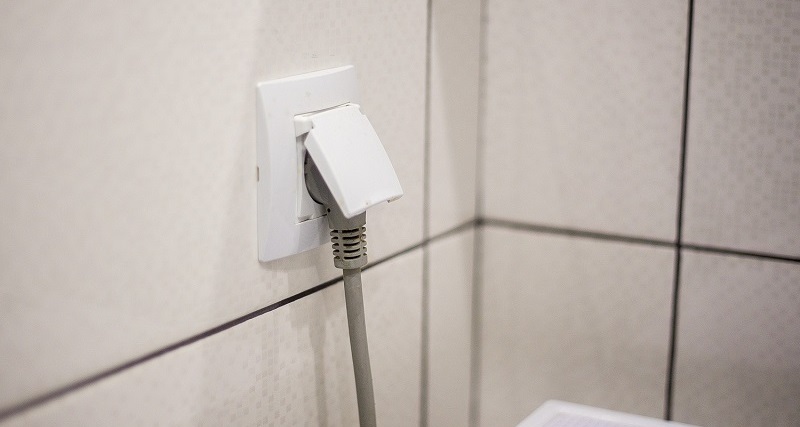
The dishwasher must be connected directly to the electrical outlet, as the use of extension cords or multiple sockets increases the risk of short circuits and fire.
To install a freestanding circuit breaker, you'll need to connect the water supply via an inlet hose through a fitting built into the water pipe. A similar branch pipe is also installed into the sewer line, and the drain hose is connected to it. If the power cord doesn't reach the nearest outlet, move the power source closer: mark the area, measure the distance, cut the cable to the required length, and run the wiring to the location.
The dishwasher can be easily installed in any room – you only need to ensure access to utilities. The main thing is not to forget about the operating rules and take into account possible risks due to the room's characteristics. Then the machine will serve equally long in the bathroom, kitchen, and hallway.

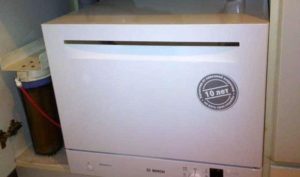 Not all housewives have the space to place a dishwasher near the kitchen sink. But this doesn't mean you have to give up effortlessly clean pots and plates—finding a place for a dishwasher in the bathroom is enough. Just consider a few nuances. We'll discuss the challenges and risks involved below.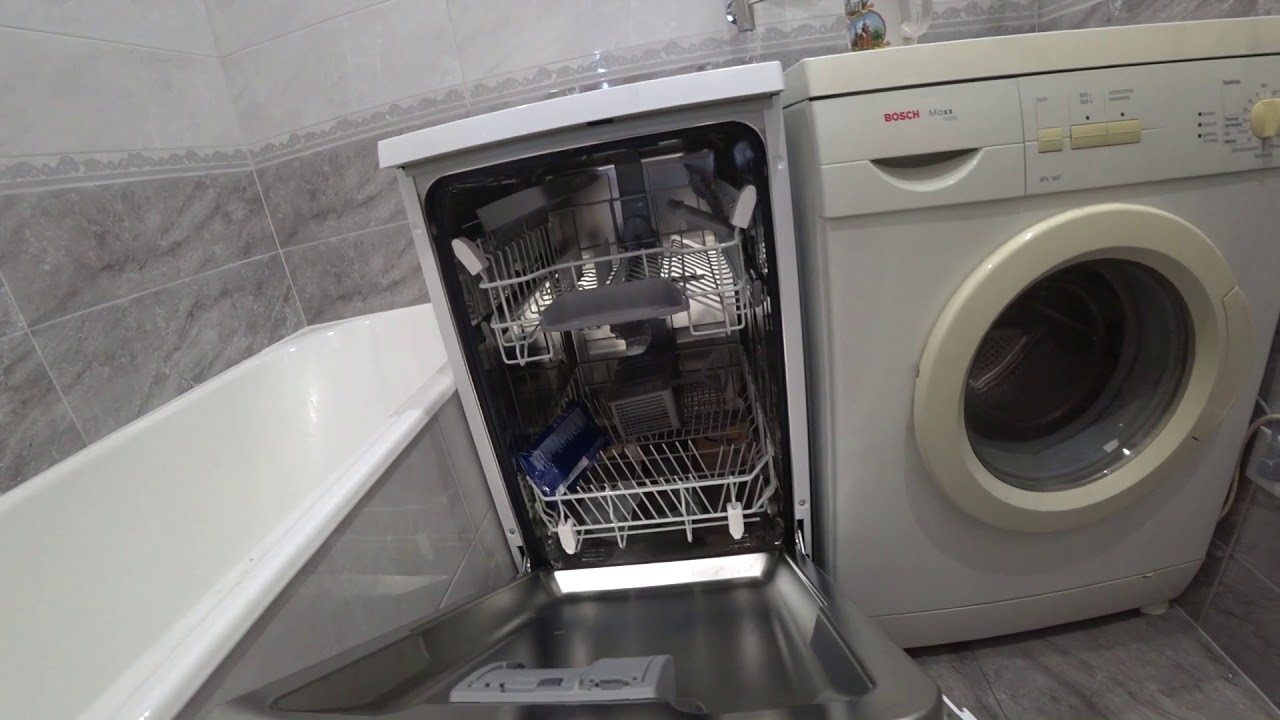
















Add a comment