
Reasons why bearings fail in washing machines
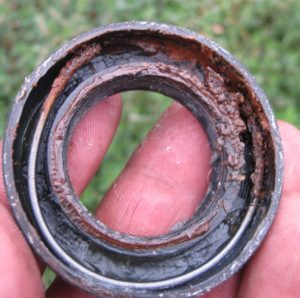 Replacing bearings is an expensive and labor-intensive repair for an automatic washing machine. The technician must almost completely disassemble the machine to remove the drum, divide the tank into two halves (which is more difficult if the design is monolithic), replace components, and reassemble. Therefore, it's best to avoid such damage. Let's explore the main causes of bearing failure in washing machines and what preventative measures users can take to extend the life of their appliance.
What causes bearings to fail?
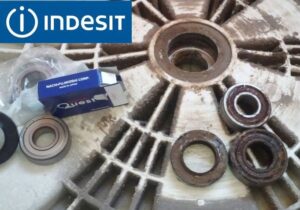
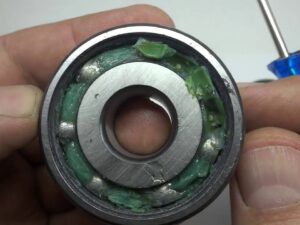
The question of why bearings fail plagues washing machine owners. The problem manifests itself suddenly and often takes owners by surprise. There are several reasons that lead to the destruction of a bearing assembly, but the main one is damage to the seal. The rubber seal acts as a protective barrier, preventing water droplets from penetrating the bearings. When cracks appear on the seal's surface, the system's seal is compromised.
The seal wears out faster when the washing machine is used in harsh conditions. High-temperature water (90-95°C) is especially damaging to the seal. A one-time boil cycle on the washing machine won't cause any harm, but constantly running the high-temperature cycle will definitely accelerate the damage to the seal.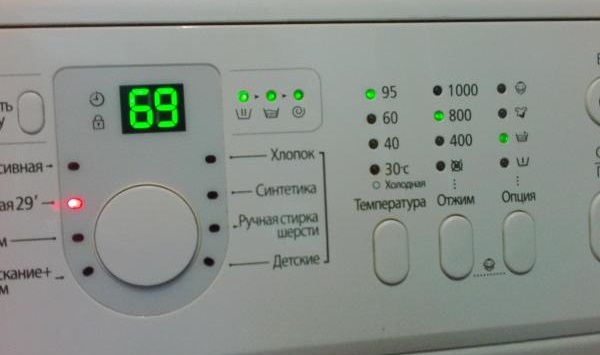
Another cause of oil seal failure is a manufacturing defect. Sometimes, the manufacturer forgets to apply grease to the bearing assembly or applies too little. Rapid drying of the sealing rubber can also be caused by poor-quality lubricants used during assembly.
If there is a manufacturing defect and the seal is installed incorrectly, the bearings will fail after one and a half to two years of normal use of the washing machine.
When purchasing a washing machine, it's difficult to immediately determine the quality of the bearing assembly. Once you're home, you can remove the back panel and inspect the drum wall. If you see rust stains, it's a sign of a manufacturing defect. It's best to return such a washing machine to the store.
If bearings fail, a damaged seal isn't always to blame. Sometimes the unit "breaks down" due to increased load on the drum, caused by a systematic imbalance. This is caused by faulty shock absorbers that can't absorb the centrifugal force. This causes the machine to "jump" around the room during washing. If you ignore the problem, it's easy to "lose" the bearings over time.
It is not without reason that the manufacturer of washing equipment specifies the maximum weight of laundry that can be loaded into the machine at one time. Constantly overloading the drum with things also causes damage to the bearing assembly.
Recently, service center technicians have also noticed that some bearings offered for sale are of very low quality. Buying a counterfeit, made of an unknown material, can't expect a long service life. These poorly made bearings will last a maximum of eighteen months, after which the user will have to repair the machine again.
How do you know if a part is broken?
It's quite difficult for the user to detect a malfunction at an early stage. The more wear the bearings undergo, the more obvious the failure symptoms become. The following signs indicate that the bearing assembly has failed: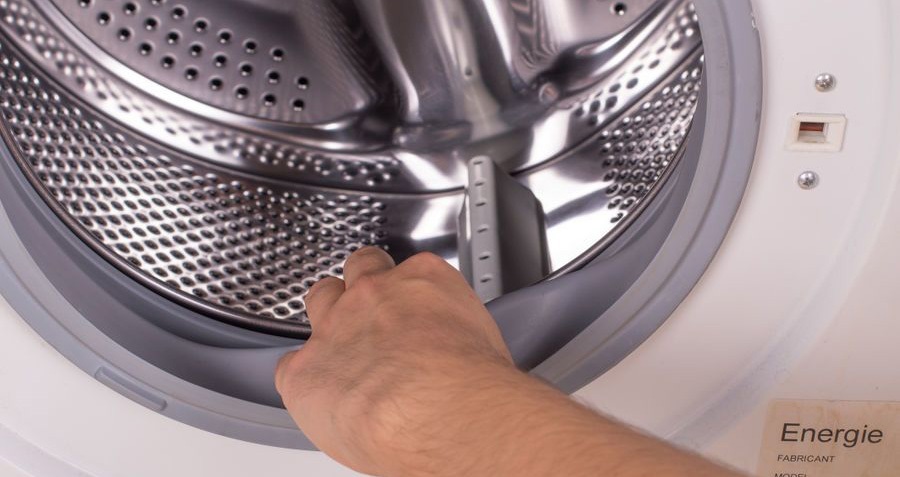
- Noise and grinding sounds when the drum rotates. Washing and spinning may be accompanied by clanking and crunching sounds. The higher the engine speed, the louder the sounds produced by the appliance become;
- Poor spin. Due to bearing failure, the motor cannot operate at full power, so items in the drum remain excessively wet;
- Increased vibration. Due to the drum imbalance, the machine literally "jumps" during operation;
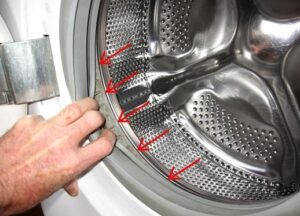
- Defective hatch seal. When the drum starts to wobble, its edges wear away the sealing rubber.
If you notice any signs of malfunction, it's best to inspect the bearing assembly. If diagnostics confirm the problem, the components should be replaced immediately. You can entrust the repair to a specialist or, if you prefer, attempt the repair yourself.
Interesting:
Readers' comments
Headings
Washing machine repair




For buyers




For users


Dishwasher




Add a comment