
Cleaning the Candy washing machine filter
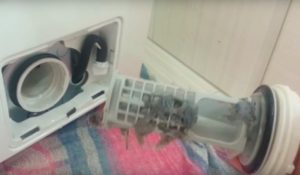 Like any other washing machine, the Candy washing machine has a debris filter. It's important to clean it regularly. Forgetfulness can lead to serious damage to your trusty machine. This article will teach you how to clean the filter in your Candy washing machine.
Cleaning instructions
Washing machines have two filters: an inlet filter and a drain filter. The inlet filter removes impurities (rust, sand, etc.) from the water entering the machine from the water supply. The drain filter prevents small items that may have been loaded into the washing machine along with the laundry from entering the drain pump.
If there were no drain filter, the drain pump would immediately fail and blockages would appear in the drain hose.
You can clean the dust filter yourself; there's no need to call a professional. Follow the instructions carefully to avoid a variety of problems, from a dirty puddle on the floor to a completely malfunctioning machine.
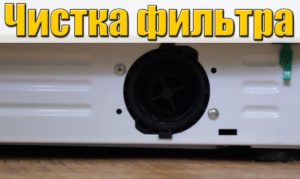
The first question that arises is: where is the filter located on a Candy washing machine? It can be found at the bottom, on the front left side of the machine. It's covered by a special panel or a hinged cover, directly behind which is a hatch. Once you've located the filter, follow these steps:
- To access the desired area, move the machine and lift it slightly if necessary. Remove the trim panel or open the hatch cover. A wide knife or flat-head screwdriver is helpful for this. The cover can be pulled toward you or pushed to the side.
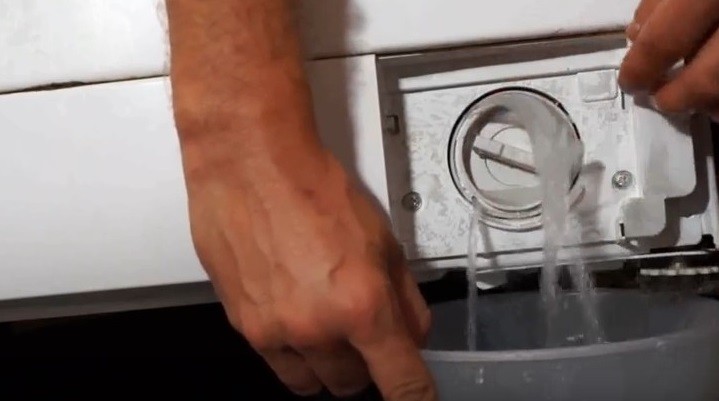
- In washing machines, only the drum is completely free of water. A small amount of liquid always remains in the system. This will spill out when you remove the filter, so place a container under the opening and cover the floor with a rag. If there is a drain hose, remove it and drain the water.
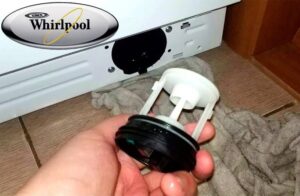
- Remove the filters. To remove the inlet filter, simply unscrew the hose. The mesh can be cleaned without removing it, or carefully removed with tweezers. The drain filter is covered by a plug; unscrew it. Loosen the screws with a screwdriver and pull the filter out completely.
- Clean the filter. Remove large particles of debris from the filter and rinse the mesh under running water. To prevent the rubber seals from becoming deformed, wash them with warm water, not hot.
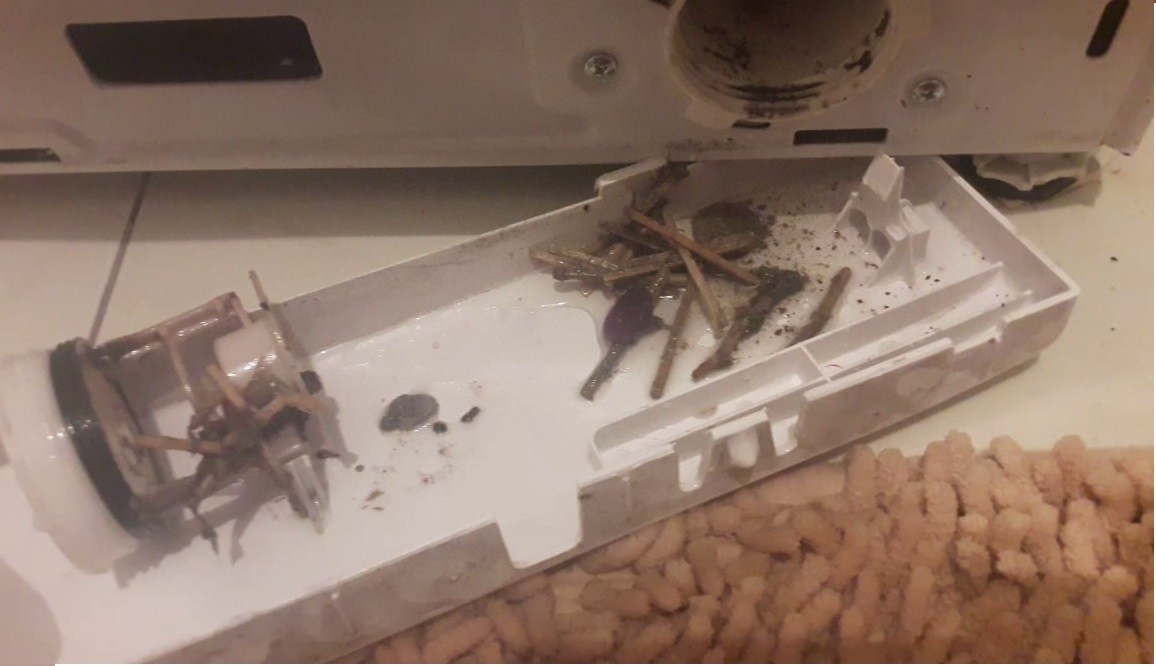
- Using a flashlight, inspect the filter opening and the pump. Clean the impeller of any dirt or debris. The impeller should rotate freely.
- Place the pump filter back in place, carefully assembling it and tightening all the screws.
- Check the machine's operation by plugging it in and running the rinse cycle. While the machine is running, carefully monitor for leaks. If the machine leaks, something was installed incorrectly.
- Replace the masking panel or close the hatch cover. If the vehicle was moving, return it to its original position.
How to clean?
Sometimes a filter can't be cleaned with water alone. This usually happens if a long time has passed since the last cleaning. What should you do with a heavily soiled filter?
In this case, use additional solutions. Add warm water to baking soda and citric acid at a rate of 20-50 g per liter of water. This solution helps remove scale, rust, and slime. Soak the filter parts in it for up to half an hour, then scrub with a sponge and rinse with water. If the scale is light, toothpaste or laundry soap will remove it.
Instead of soda and citric acid, special solutions that remove rust are suitable.
I can't unscrew it
Sometimes it's difficult to unscrew and remove the filter due to various objects getting stuck in it. Hair, socks and handkerchiefs, coins, beads, and other small items can get caught in the catch basin in front of the pump during washing and clog it. Limescale deposits on the threads, which can form if the filter hasn't been removed for a long time, can also cause problems.
In this case, there are three ways to open the trash filter. Try them one at a time, moving on to the next method only if the previous one didn't work. Before starting, be sure to unplug the machine and close the valve to prevent water from flowing.
Method 1. Use pliers or combination pliers to unscrew the filter cap. There's a knob on it that you can try to turn with the tool. Be very careful when doing this to avoid breaking the filter component.
Method 2: Lightly tap the drain pump filter cover several times while tilting the washing machine. This method is suitable when:
- the dust filter cover does not rotate at all;
- turns partially;
- It can be unscrewed, but cannot be removed.
Tilt the machine back and prop it up against the wall. Tap on the dust filter cover and the housing next to it. If there are small objects jamming the filter, tapping them will dislodge them, allowing you to unscrew and remove the filter.
Method 3. If the previous two methods fail, you need to completely remove the drain pump. The goal is to clean the spool and remove the filter. This method is quite complex – you need to access the pump, detach the pump from the spool, and access the filter through the resulting opening.
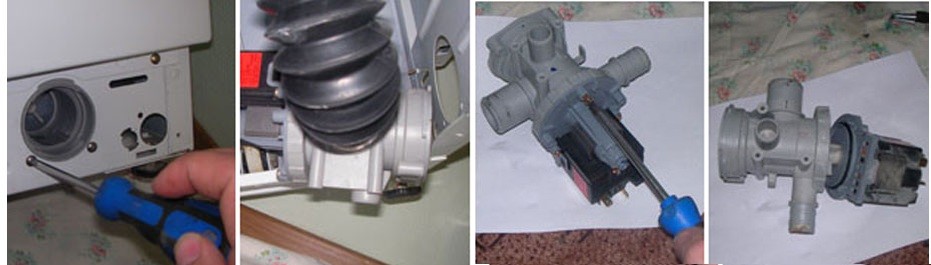
Some Candy washing machine models are designed to allow the drain pump to be removed through the bottom. If the bottom is easily removed or missing, it's easier and more convenient to remove the pump assembly this way. Lay the machine on its side or simply tilt it to the desired side and lean it against a wall, remove the bottom, and locate the pump. It's located behind the filter, at the bottom of the machine.
These methods should only be used if you're confident in your abilities and have some experience repairing various appliances. If the filter won't come off and you're not very technically savvy, it's best to call a professional. Keep in mind that ignorance can not only waste time but also make the situation worse.
Interesting:


Readers' comments
Headings
Washing machine repair




For buyers




For users


Dishwasher




Add a comment