
Cleaning the Ardo washing machine filter
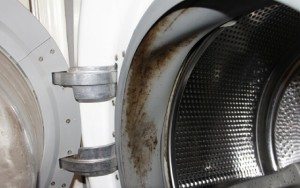
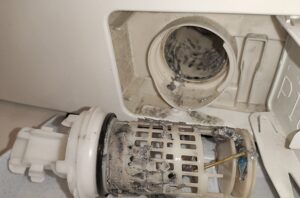 With every wash, your Ardo washing machine gets dirty: hard water, soap scum, fabric particles, and other debris get trapped inside the machine, settling on its parts and components. Over time, the layer of scale and dirt thickens, leading to clogs and breakdowns. Regular cleaning is the solution. The first step in any cleaning, whether thorough or superficial, is rinsing the machine's filtration systems. Let's take a closer look at how to clean an Ardo washing machine's filter and what challenges arise.
Cleaning the lint filter
Ardo washing machines are equipped with two filters: an inlet filter and a drain filter. The inlet filter cleans the incoming water, trapping most of the rust, sand, and limescale. The drain filter filters the wastewater, preventing debris and sediment from entering the pump and drain hose.
Without a drain filter, the drainage system would constantly break down: the pump would become dirty and fail, and the hose would become clogged with hair and lint. With a drain filter, most of the debris that enters the machine is safely trapped in the plastic spiral attachment located at the drum outlet. Cleaning the filter is easy—you can do it yourself without calling a repairman. You just need to prepare and strictly follow the instructions. A superficial familiarity with the internal structure of the Ardo would also be helpful.
Be careful! When you unscrew the filter, water will spill out of the machine!
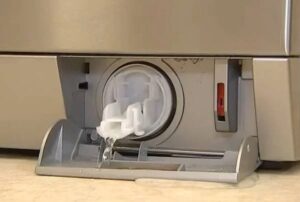
The first step is to locate the dustbin. This is easy—on most washing machines, it's located on the bottom left side of the front panel. To remove the filter, you need to unhook the access door from the body. Follow these steps: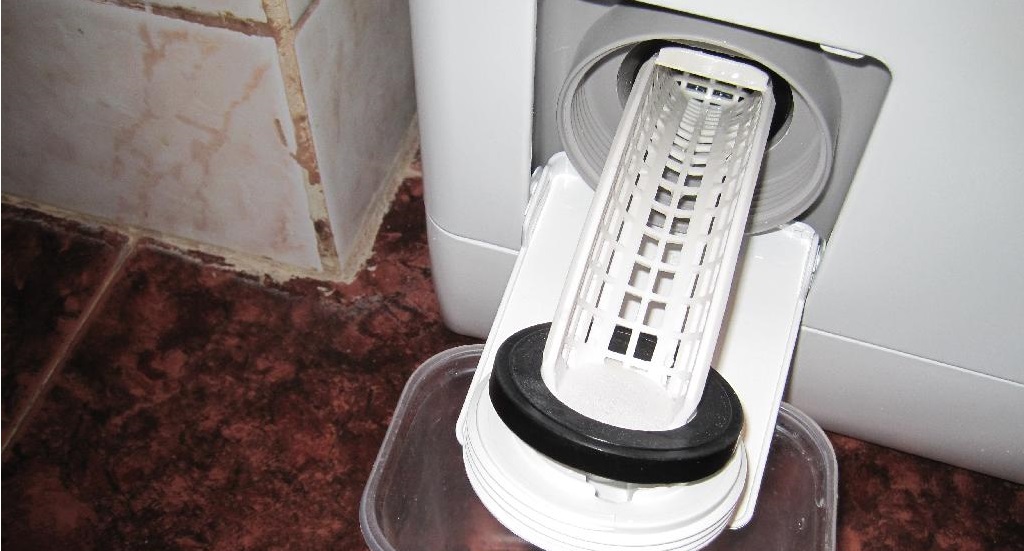
- disconnect the washing machine from the utilities;
- we move the machine to the center of the room;
- tilt the body back, raising the front a few cm;
- Using a flat-head screwdriver, pry up the false panel and press the latches;
- place a container under the drainage filter (even after draining, there is still water left in the tank, which will spill out onto the floor when you unscrew the filter);
- If there is an emergency drain hose, activate it;
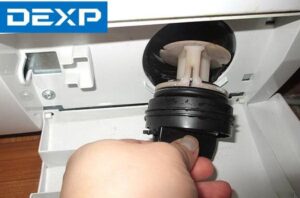
- unscrew the filter plug;
- we remove the nozzle from its seat.
The next step is cleaning the filter. First, remove any large debris, then rinse the entire nozzle. It's important to use only warm water—boiling water will deform the plastic and rubber seal. Next, pay attention to the filter seat. It also gets heavily soiled with debris; clean it with a soapy sponge. Then, use a flashlight to shine through the drain and locate the pump impeller. If it's difficult to rotate, you'll need to remove hair, dirt, and other debris from the blades.
After cleaning, screw the nozzle back in tightly and begin testing: plug in the machine, start the rinse cycle, and carefully inspect the dustbin. If there are no leaks, the cleaning was successful. All that's left to do is replace the false panel on the Ardo and move the washing machine back to the wall.
How to remove stubborn stains?
If the debris filter hasn't been cleaned in a while, you won't be able to clean it with just water—you'll need more powerful cleaning products. In this case, after a superficial cleaning, we move on to a more thorough cleaning. You will have to use professional cleaners, scrub with a brush or resort to soaking.
- Cleaning with a toothbrush. Light but stubborn plaque can be removed with an old toothbrush and laundry soap. Scrub as vigorously as possible.
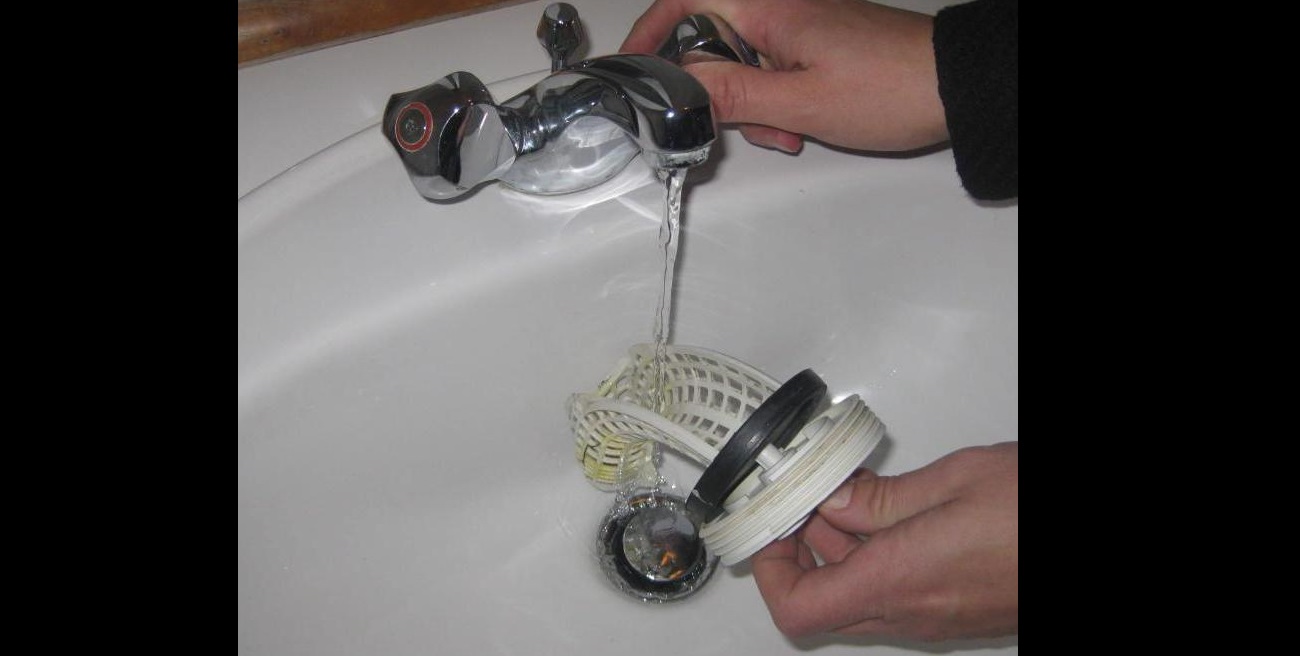
- Soaking. Heavy stains need to be "soaked." Dissolve 20-50 g of baking soda and citric acid in warm water, then soak the filter in the solution for 30-120 minutes. Then rinse off any remaining rust and scale under the tap.
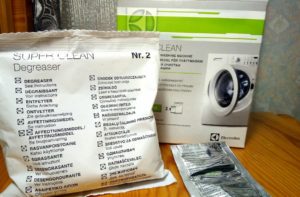
- Treatment with specialized products. Strong household chemicals for removing rust and stains are easy to find in stores. Just follow the instructions on the packaging.
The plastic and rubber of Ardo filters are quite resistant to abrasion and chemicals. Avoid exposing the filter head to boiling water and strong alkalis, as these can cause deformation of the materials.
The filter is impossible to get out
Sometimes cleaning the filter becomes difficult right at the start, when the user can't unscrew it. This can happen for two reasons: either the nozzle is blocked by debris, such as a bra underwire, a coin, or a clump of hair, or the "dustbin" is stuck with a thick layer of scale. In any case, leaving the coil in this position is not recommended; it must be removed by force.
In addition to manually washing the filter, there is a more comprehensive option: run a cleaning wash: an empty cycle with a professional detergent.
Removing the filter will require both cunning and force. There are three effective methods, each designed for varying degrees of sticking. It's best to start with the easiest method, gradually moving on to more radical ones.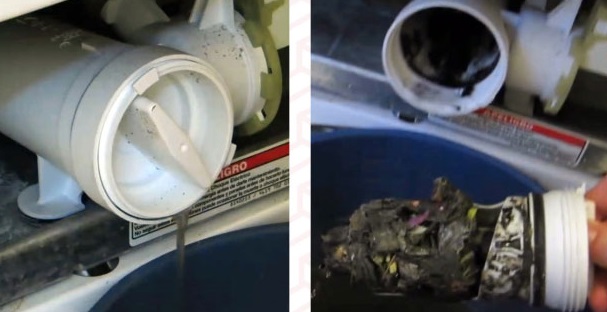
- Method 1: Try to unscrew the filter using tools. Grasp the protruding part of the dustbin with pliers and press firmly on the nozzle. Be careful not to overdo it, otherwise the plastic will break.
- Method 2: Knock out the nozzle. This method works in any situation: if the filter is completely stubborn, only partially unscrews, or hangs loose in its housing but is difficult to remove. Tilt the Ardo body back and rest it against a wall, then tap the surface near the lid with your fist. With a few blows, you can also "punch" the dustbin itself. Our goal is to push the blocking object away, freeing the threads.
- Method 3: Use the drain pump. This is used in the most severe cases, when none of the previously described options have worked. You'll need to lay the Ardo on its side, unscrew the bottom, and look inside to find and remove the pump. Next, clean the entire drainage system, including the filter. You can also treat the inside of the dustbin with WD-40 if a thick layer of limescale is preventing it from moving.
If you clean the dust filter regularly, you won't have any problems unscrewing it, as the attachment comes off right away. The optimal frequency for cleaning the drain is once every 3-4 months. If you have pets or frequently wash woolen clothes, it is recommended to flush the drain monthly.
Interesting:
Readers' comments
Headings
Washing machine repair




For buyers




For users


Dishwasher




Add a comment