
Cleaning the dishwasher filter
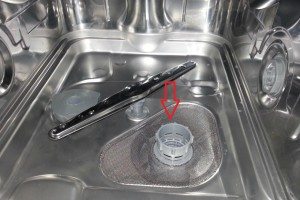 After washing plates, pots, and cutlery, grease and sometimes food residue remain in the dishwasher. If these residues aren't removed promptly, the dishwasher will perform poorly or even malfunction, displaying an error message. Therefore, it's important to know not only how to clean the dishwasher but also how to clean the filter. Let's find out where it is located and how often it needs to be cleaned.
Timely care is very important
To reduce the amount of debris left in the dishwasher after washing, remove any food debris from the plates beforehand. Otherwise, the filter will quickly clog. This can slow down the water drainage process, prolonging the cleaning process. Even worse, the water won't drain at all, and instead flows out the dishwasher door. This entire process can also be accompanied by noise and strange sounds.
Remember! Unwashed food scraps are a breeding ground for microorganisms that will cause unpleasant odors, a problem that's difficult to combat.
So, it's important to regularly clean both the dust filter and the dishwasher as a whole to ensure it lasts longer and delivers exceptional results. Few dishwasher manufacturers have started producing models with self-cleaning filters, but that doesn't mean you shouldn't know how to clean them manually if necessary.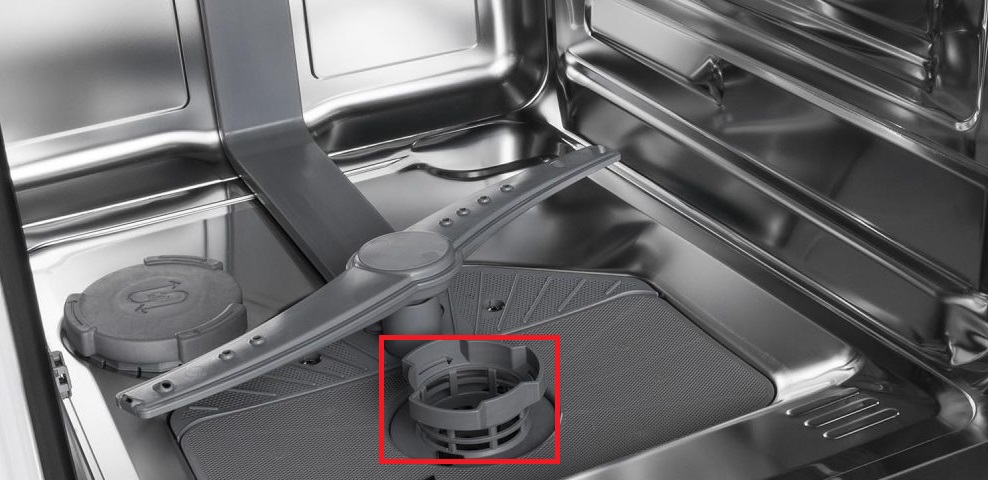
Where can I find the filter and how often should I clean it?
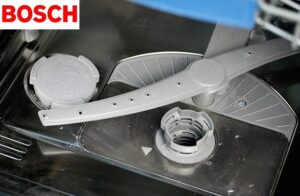
In almost all dishwashers, the waste filter is located at the bottom of the dishwasher tub. Next to it is the spray arm. Finding these parts is easy; just look inside and remove the lower basket. You'll see the waste filter plug underneath.
Before removing the filter, remember to unplug the dishwasher and wipe away any excess water from the bottom of the appliance. Then, turn the filter cover to the left, that is, counterclockwise, and carefully lift it up. Now, wash the part under running water or in a separate container. You can use any liquid dishwashing detergent to remove not only dirt but also grease and odor.
The frequency of cleaning your dishwasher's filter depends on how often you use it, so decide for yourself when you need to clean it. About once every two weeks if you use the machine daily. However, if you neglect this procedure, problems will inevitably arise.
Cleaning the bunker from dirt
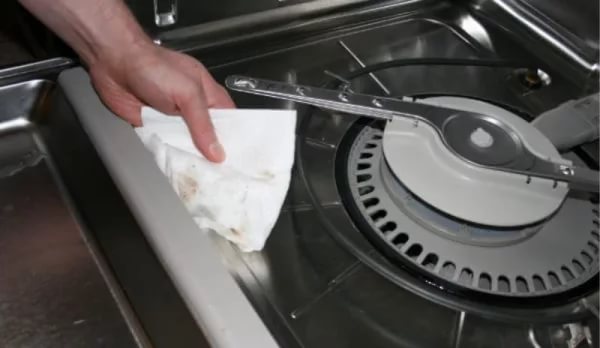
After cleaning the dust filter, you can move on to cleaning the dishwasher's compartment. Why bother, you might ask, if it's already been sprayed with water and detergent for several hours? In fact, cleaning is necessary, as dirt residue can remain on the walls, and limescale from the water can also appear. And cleaning won't require much effort; here are a few ways to clean your dishwasher.
- Hydrogen peroxide mixed with baking soda. To do this, take 230 g of baking soda and 2 tablespoons of hydrogen peroxide, and form a ball out of the mixture. Place this ball in the bottom of the machine and then run it on high heat. Sometimes you need to repeat this process to dissolve and remove all the residue from the walls.
- Vinegar combined with baking soda. Pour one cup of vinegar into the dishwasher dispenser and sprinkle a layer of baking soda on the bottom of the compartment. Then run the dishwasher on a long cycle. Once the water inside has heated up, pause the dishwasher and let it run for 30 minutes for light soiling or overnight for heavy soiling. After the cycle has finished, resume the cycle.
- Citric acid. Sprinkle about 200 grams of citric acid onto the bottom of the dishwasher after removing the dish racks. Run a wash cycle, preferably a standard one. Halfway through the cycle, press the "Pause" button, and then restart after 30 minutes. Avoid using this method frequently, as citric acid can damage the rubber seals.
If you're hesitant to use inexpensive household chemicals, you can use commercial cleaning products. Fortunately, stores sell a wide selection of them.
Interesting:


Readers' comments
Headings
Washing machine repair




For buyers




For users


Dishwasher




Add a comment