
Cleaning the filter of a top-loading washing machine
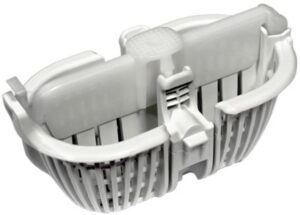 Top-loading washing machines require cleaning just like standard front-loading machines. First and foremost, always pay attention to the dust filter, which quickly accumulates a huge amount of debris that can clog the drain and create additional problems for the user. Let's take a detailed look at how to locate and properly clean the filter in a top-loading washing machine.
Find and clean the filter
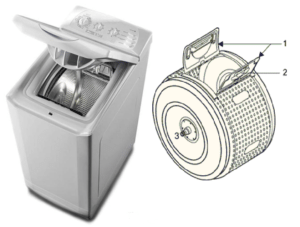
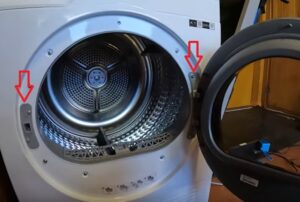
In most modern top-loading home washers, the dust filter is located inside the drum. You can find it by opening the drum doors and examining the insides. The lint filter is located inside a small plastic hatch with a latch.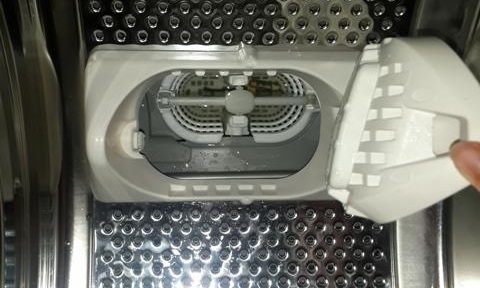
There are also some appliances with a hatch or decorative panel located at the bottom of the unit. In these cases, the filter plug is hidden behind this hatch or panel, making these models very similar to standard front-loading washing machines.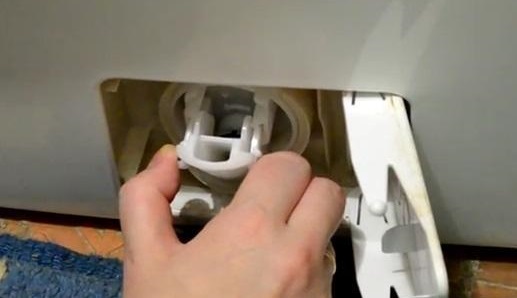
Regardless of where the debris filter is installed, it's important to clean it properly. Proper cleaning of the drain pump filter should be done according to the instructions.
- First of all, turn off the power to the washing machine and disconnect it from all communications in the house.
- Place a basin or any other deep container under the device body, and cover the floor with rags or towels.
- Now you can open the hatch or decorative panel.
- Remove the debris filter.
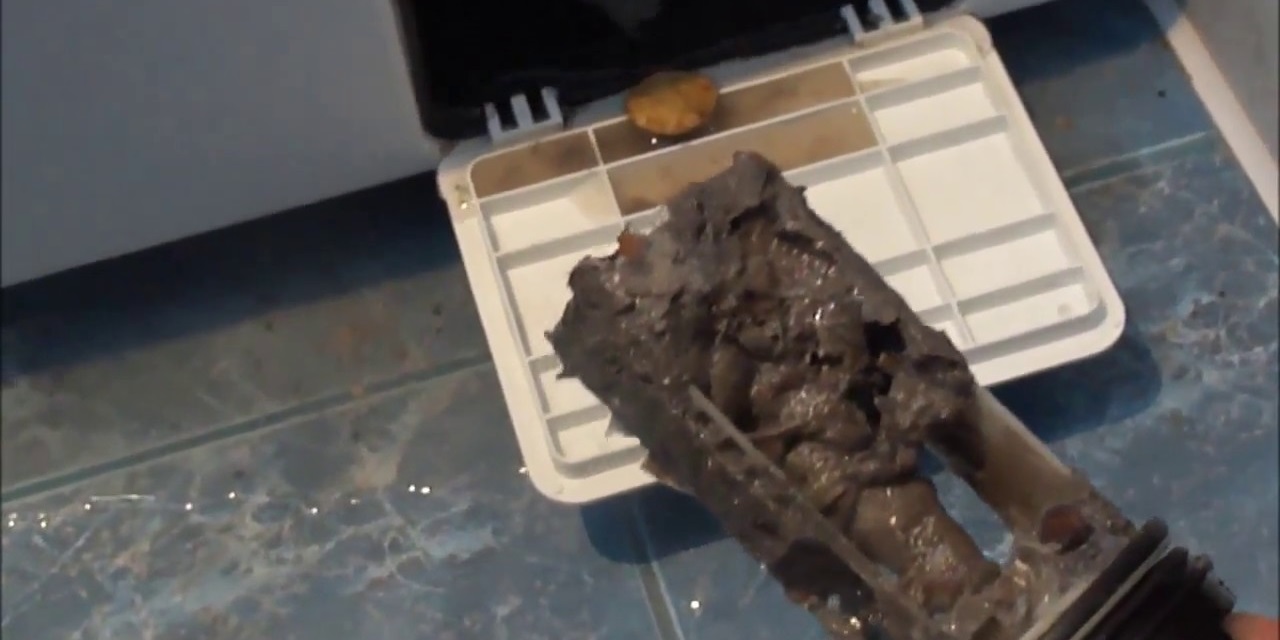
- Rinse it thoroughly under a strong stream of hot water.
- Additionally, you can clean the seat from dirt that has accumulated over time without cleaning the filter.
- Install the element into place.
After cleaning, it's crucial to check that the part is installed correctly. To do this, run a test cycle to determine whether the machine has started leaking during operation. During the test, do not move too far from the washing machine so that in case of an emergency you will have time to eliminate the consequences.
What happens if you don't touch the filter?
A thorough cleaning of the drain pump filter takes no more than ten minutes, yet many housewives still prefer to skip it to save time. What happens to the machine if the filter remains clogged for an extended period?
- Your "household helper" and freshly washed clothes may begin to emit a very unpleasant odor. This is because debris and dirt in the filter create an ideal environment for harmful microorganisms to thrive.
The more dirt there is in the filter, the stronger and more foul the smell will be.
- The waste liquid will begin to drain poorly after a cycle. At some point, the filter may become so clogged that water simply stops draining from the tank.
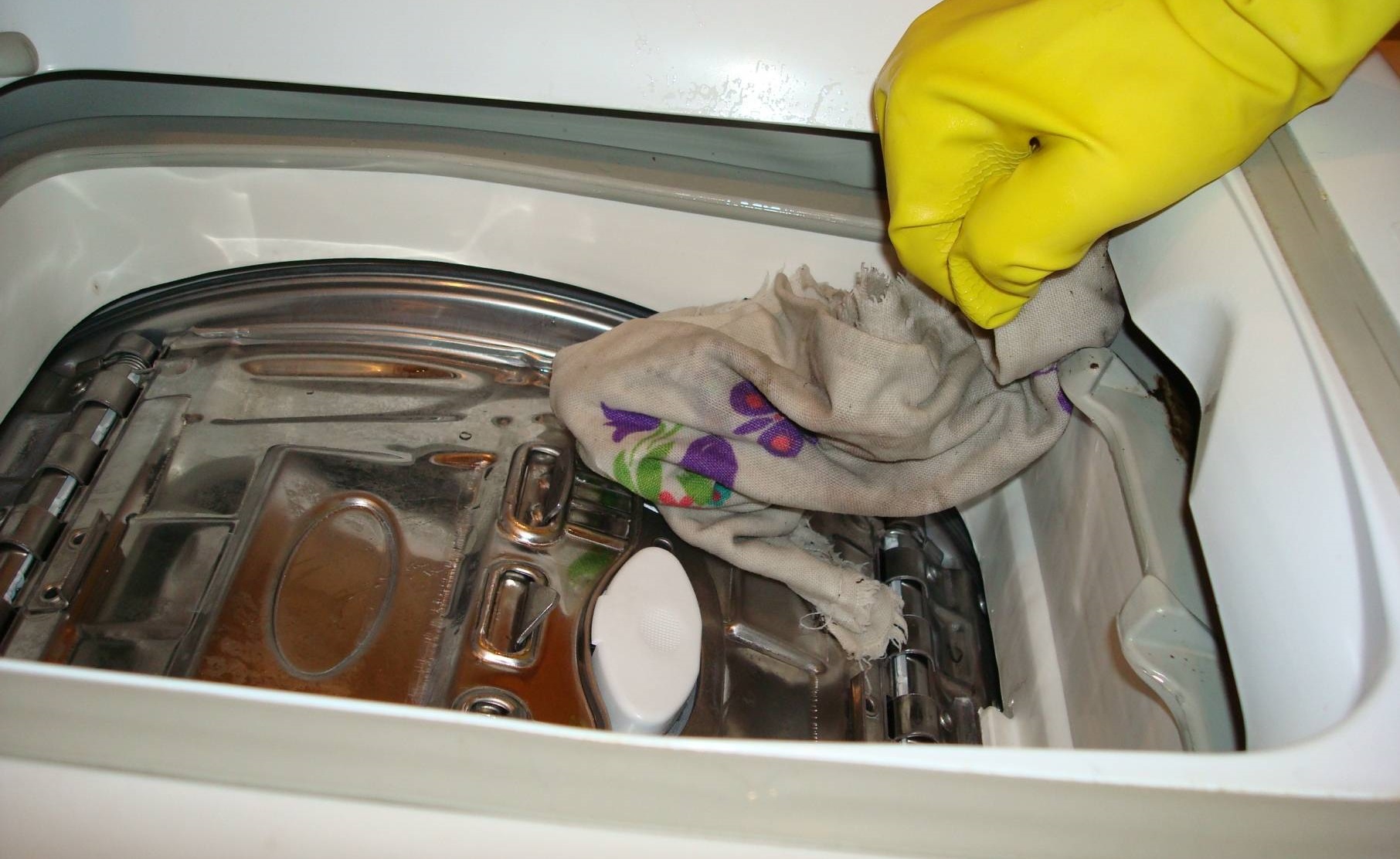
- If the filter becomes completely clogged, the washing machine's pump will struggle to pump out liquid. The increased load can cause the pump to burn out and then need to be replaced.
Therefore, it is worth taking the time to clean the filter at least once every few months, as this will extend the life of the washing machine and also help avoid unnecessary expenses.
Filter cleaning frequency
To ensure proper operation, the waste filter must always be clean. Check it regularly and clean it if necessary to prevent water from draining slowly, or eventually completely due to a failed drain pump.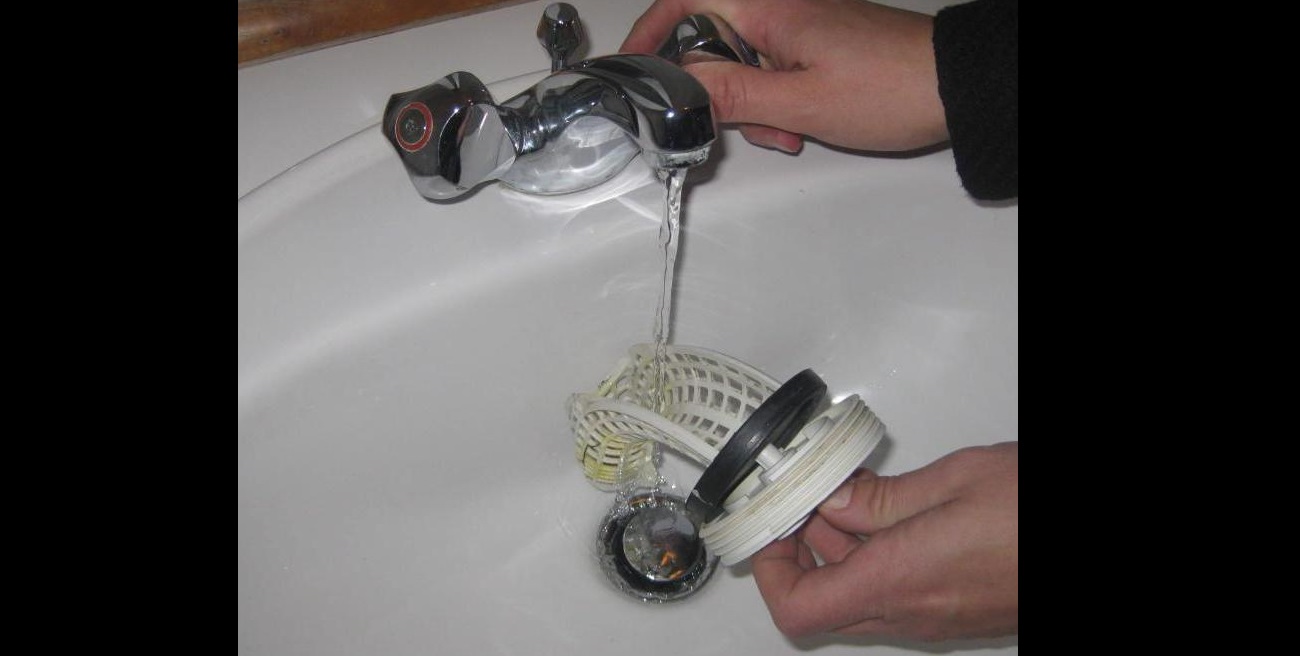
Experts recommend cleaning the filter element at least once every few months. This timeframe may vary, as it depends directly on how often you wash dirty clothes and the materials you wear. It's also worth noting that if you have pets in the house, the drain filter will clog much faster due to their hair, as the hairs always end up on your clothes, in the washing machine drum, and then on key components. In this situation, it is worth cleaning the debris filter at least once a month.
If you have pets, it is very important to always remove hair from your clothes before machine washing.
To prevent the drain filter from clogging, shake out items before loading them into the drum. Heavily soiled items should be soaked in a basin before washing. Finally, remember to remove small items from pockets before washing, as keys, coins, paper clips, and other items can damage the machine if they get caught in the drum or the waste filter.
Interesting:


1 reader comment
Add a comment
Headings
Washing machine repair




For buyers




For users


Dishwasher




What if there is no filter?