
How to clean an Ariston washing machine?
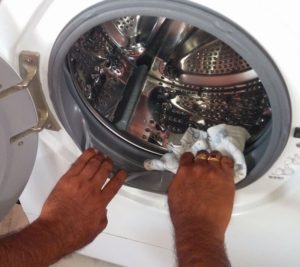 You should think about washing machine maintenance immediately after purchasing it. It's important to understand how to keep it clean, preventing scale, mold, and scale buildup. Let's explore how to clean an Ariston washing machine and how often to perform preventative maintenance to keep it in good working order.
Let's start with the trash filter
If you didn't even suspect that your washing machine needed maintenance, but now understand the extreme importance of this matter, then it is recommended to start cleaning by washing the dust filter. The drain filter should be cleaned regularly; the manufacturer recommends doing this at least once every three months.
To begin cleaning, you'll need a container with low sides, dry cloths, and a flat-head screwdriver. Before cleaning, be sure to turn off the power to the washing machine and close the inlet valve. The following steps are recommended:
- Remove the false panel from the Ariston washing machine. If the cover is stubborn, pry up the retaining latches with a thin screwdriver.
- lean your body back slightly and lean it against the wall;
- Place a container under the bottom of the machine (in the area where the filter element is located);
- cover the floor under the washing machine with dry rags;
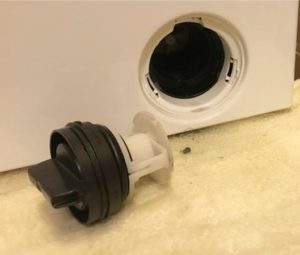
- Take hold of the dust filter cover and carefully turn the part to the left;
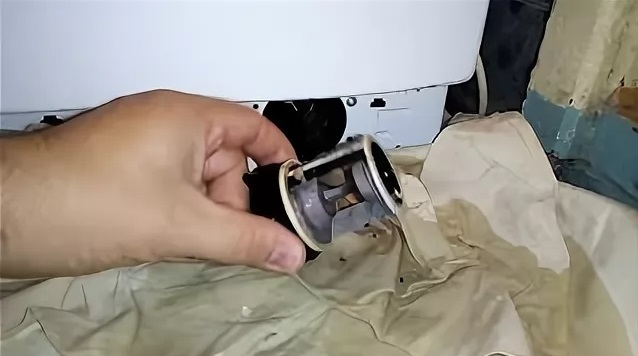
- Remove the filter element from the housing. Keep in mind that water will immediately flow out of the system;
- Rinse the drain filter under running warm water, wipe the walls of the resulting hole with a damp sponge or cloth, and remove any debris from the cavity.
Do not wash the waste filter in boiling water, as the plastic will become deformed, making the part unsuitable for further use.
It's important to pay special attention to cleaning the pump's volute and impeller. Shine a flashlight into the hole left by removing the drain filter. Lint, threads, and hair often become tangled in the impeller blades and must be removed. Small objects may also become lodged between the blades and should be removed.
Once all components have been cleaned, reassemble the washing machine. Screw the filter back into place, ensuring it fits evenly along the threads without any distortion. Then, replace the trim panel and run the "Rinse" test cycle. Be sure to check for any water leaks from the bottom. If you notice any, check the debris filter for proper seating.
Machine stain removers
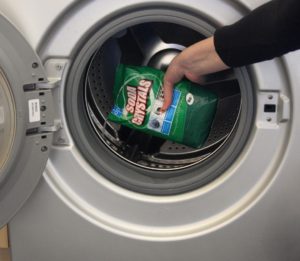
Today, store shelves offer a variety of washing machine care products. Manufacturers offer solutions that prevent scale buildup, effectively remove plaque, and combat mold and mildew. In addition to household chemicals, there are also folk remedies that have proven effective in combating stains.
It's important to use cleaning products strictly as directed. To do this, carefully study the operating principle of each product before use. For example, the much-hyped Calgon won't remove limescale, as some homeowners expect, but will only soften the water and prevent further limescale buildup.
To clear up this confusion, let's clarify how individual components work and describe the purpose of various cleaning products for your Ariston washing machine. We'll focus on folk remedies, long used by homeowners for cleaning, rather than household chemicals.
- Baking soda. It's excellent for combating mold on washing machine seals and effectively removes dirt. It can also be used to remove deposits from the walls of the detergent drawer.
- Citric acid. The powder can be used to remove scale from the internal components of the machine (heating element, tank, drum surface).
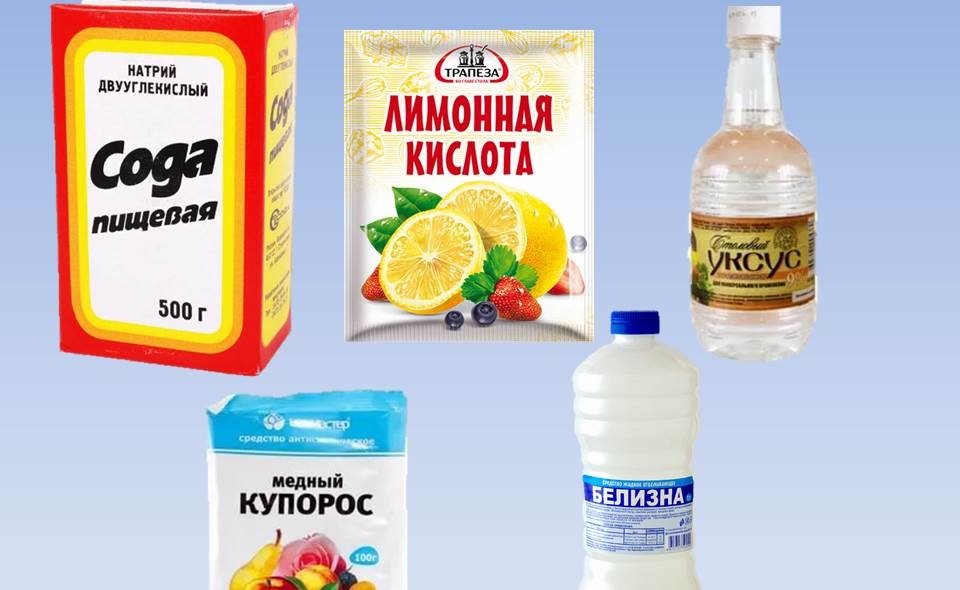
- Vinegar. Its effect is comparable to citric acid. Vinegar can also help eliminate another problem: an unpleasant, musty odor. After cleaning with vinegar, run a rinse cycle to remove the distinctive odor. Table vinegar should only be used for heavy stains; it is also important to follow safety rules when working with acid.
- Copper sulfate. Copper sulfate can easily remove large areas of mold.
- Bleach. It has long been used to disinfect washing machines and combat unpleasant odors. Do not use chlorine-containing bleach, as this will only damage the appliance. If disinfection is absolutely necessary, it's better to choose chlorine-free solutions.
If you evaluate the range of household chemicals, you can highlight the following products.
- Frisch-aktiv. Suitable for cleaning the drum surface from dirt and limescale deposits.
- It will cope with unpleasant odors and destroy bacteria that have settled in washing equipment.
- A multifunctional product designed to clean the washing machine drum, combat limescale deposits, remove scale, and eliminate odors. It also effectively removes dirt and has a disinfecting effect.
- Magic Power. Made in Germany. Designed specifically for fighting limescale.
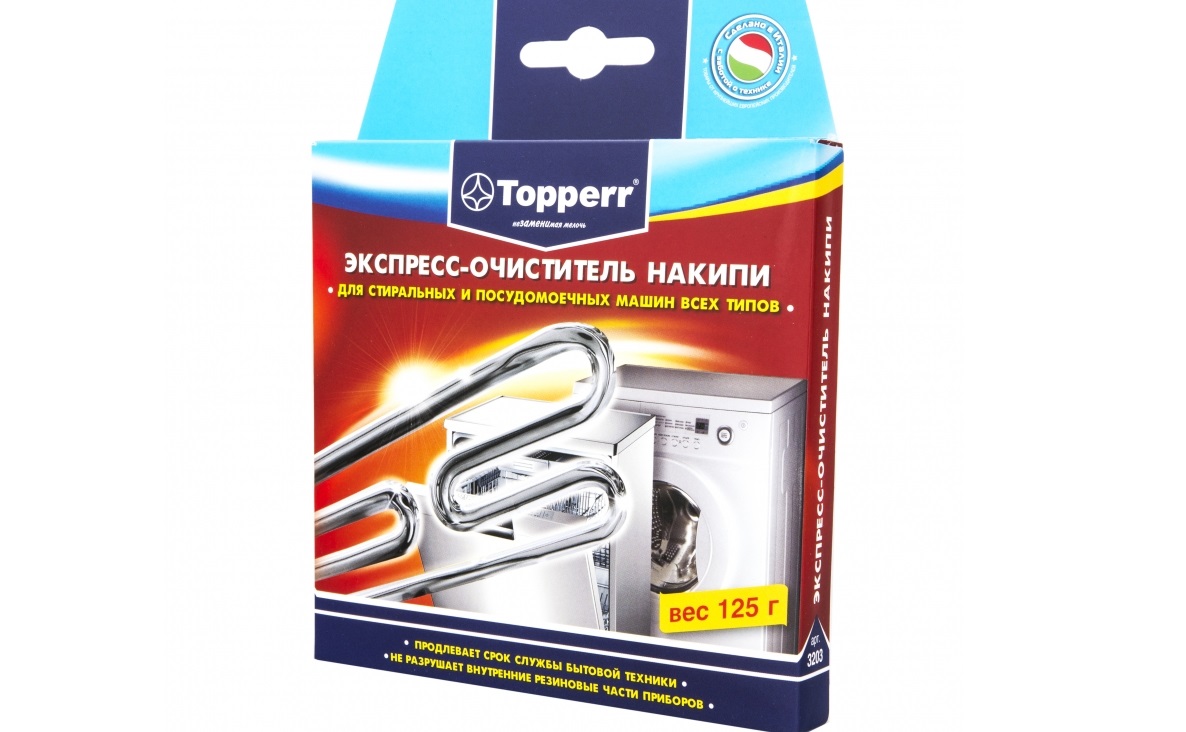
- Topperr 3004. Recommended by Bosch. Designed to remove scale from the internal components of washing machines.
- Luxus Professional. This lemon-scented solution can be used to clean not only washing machines but also dishwashers. It can also be used to clean kettles. A versatile product that quickly removes limescale.
- Bork K8P is a powder from a Korean manufacturer designed specifically to combat hard deposits.
- Top House can be used not only for cleaning washing machines, but also for removing deposits from heating elements of kettles, dishwashers, and coffee machines.
- Antinakipin is an inexpensive and effective Russian product for removing scale.
- Sandokkaebi is a disinfectant composition, country of origin – Korea.
- MultiDez-Teflex is a disinfectant. It's suitable for cleaning automatic washing machines from bacteria, viruses, and other harmful microorganisms.
This list is far from exhaustive; many other good cleaning products are available. When choosing a washing machine cleaner, be sure to research its intended use. For example, disinfectant liquid won't remove limescale.
How to clean equipment?
Tap water is often unsuitable not only for drinking but also for washing. It contains a large number of impurities. Hard water causes scale buildup on the heating element and tub of the washing machine. While almost every home filters drinking water, only a few install cleaning elements before the washing machine's inlet hose.
If you don't clean your washing machine from deposits in a timely manner, the thick layer of scale will lead to the failure of the heating element.
That's why it's important to clean your washing machine regularly. You can use specialized household chemicals or try some folk remedies. Regularly rinsing your washing machine with citric acid will reduce the likelihood of scale buildup to a minimum. It's quite simple: run empty washes regularly, adding 200 grams of citric acid to the detergent dispenser. Set the washing machine to a long cycle with water heated to at least 60°C.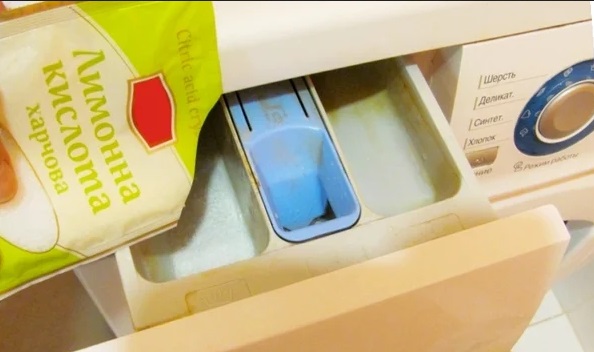
After the cycle is complete, be sure to rinse the debris filter and detergent drawer. You may also need to clean the sealing cuff to remove any loose limescale. If the heating element is coated with a thick layer of limescale, you can treat that element specifically. To do this, remove the heating element from the machine and clean it mechanically or with special cleaning products.
What if the machine is moldy and smells?
Dealing with mold and musty odors can be challenging. Most often, homeowners discover black stains on the door seal. Copper sulfate, a well-known solution, can help kill mold on the seal. Treat the seal with copper sulfate and leave it for 24 hours. Then, wipe the seal with a damp cloth to remove any mold. Finally, run a test wash with your usual detergent to clean the machine.
A one-to-one water-soda solution works well against mold.
Apply the resulting paste to the rubber seal and the drum surface. After a few hours, run an empty wash cycle, then wipe the elements with a clean cloth.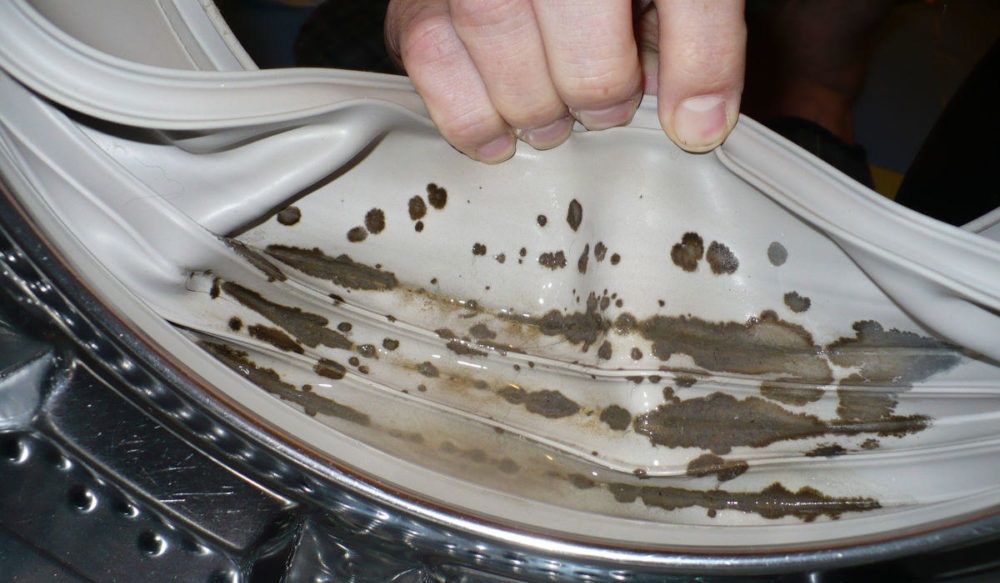
Mold often forms in the detergent drawer. Particles of detergent and fabric softener remain on its walls as a slime, creating a favorable environment for the growth of microorganisms. It is important to rinse and dry the tray after each use of the Ariston washing machine.If mold is already present, it's recommended to soak the dispenser in a baking soda solution, then scrub every millimeter with a toothbrush. It's also important to wipe down the container compartment.
Citric acid can help remove limescale from the detergent drawer. Add citric acid, fill the drawer with water, and let it sit for a couple of hours. Then scrub with a brush or abrasive sponge.
To prevent a musty odor, it's recommended to periodically clean the drain hose. The element is disconnected from the housing and drain outlet and then cleaned with a special brush. Cleaning the washing machine with household chemicals should be carried out strictly according to the instructions on the product's packaging. It's also important to use disinfectants as a preventative measure—this will protect the appliance from various bacteria.
Interesting:
Readers' comments
Headings
Washing machine repair




For buyers




For users


Dishwasher




Add a comment