
Cleaning a washing machine with bleach
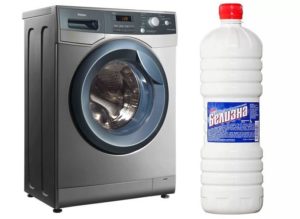 Constant contact with water and detergents doesn't keep a washing machine perfectly clean. On the contrary, hair, lint, dirt, and limescale constantly accumulate inside. Without proper and timely cleaning, all the impurities hidden within the machine will lead to unpleasant odors, dampness, mold, and even clogs, jamming, and even failure. Therefore, every six months, homeowners should clean their washing machine, which doesn't require expensive specialized cleaning products. With proper use, you can perfectly clean your automatic washing machine with Bleach.
Cleaning procedure
Bleach is readily available, inexpensive, and versatile, so it's likely that every home has it.It is used for disinfecting surfaces, bleaching items, and deep cleaning of appliances, including washing machines.The main thing is to calculate the correct dosage of the product.
The average cost of 1 liter of bleach is $0.20.
However, experimenting with the familiar bleach without proper training is not recommended – it's very aggressive and is considered a professional cleaner. However, don't be alarmed by its strong formula and pungent chemical odor; you just need to learn how to use it correctly. To avoid any mistakes, follow the instructions.
- We find 1 liter of high-quality bleach.
- Check to make sure there are no items left in the washing machine. Remember that items washed with bleach will be damaged and unfit for further wear.
- We close the hatch door tightly and plug the machine into the power supply.
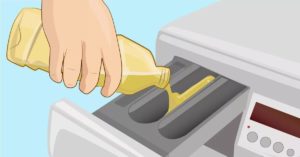
- We open the tray and slowly pour a liter of bleach into the compartments.
- We start the machine, selecting a program with a heating temperature of at least 90 degrees.
- Wait 10-15 minutes and touch the glass door. If it gets too hot, pause the cycle or cancel the program entirely.
- We leave the machine with bleach for 1-2 hours.
- After 1-2 hours, continue the paused program or select “Drain”.
- After the water has drained, turn on the “Rinse” mode.
- Open the powder compartment and pour table vinegar into the compartment intended for the conditioner (up to the “max” mark).
- We start the quick wash mode.
- Rinse the machine at least 2 more times.
There's a common misconception that bleach concentrate can damage your washing machine, especially around rubber seals. However, this harsh effect hasn't been proven—it's largely a myth, leading people to buy more expensive brands instead of cheaper alternatives.
Why does dirt accumulate inside?
In fact, it doesn't matter which product you choose—an expensive professional cleaner or regular bleach. The main thing is not to let your washing machine's cleaning process slide, relying on constant contact with water and frequent washes using high-quality detergents. Remember that this method doesn't remove the dirt deposited on the drum walls, motor shaft, heating element, pipes, hoses, and pump; it only adds new "neighbors." A machine can become dirty in many ways.
- Old or woolen laundry. Imagine how much lint falls off during the washing and spinning process and starts "wandering" around the machine.
- Foreign objects. Housewives often throw clothes into the drum without checking pockets for change or papers or shaking off hair and pet fur. This is a mistake, as these seemingly harmless objects can seriously clog the insides of the machine.
- Hard water. In most cases, tap water contains numerous impurities that settle on the internal components of the machine, creating a layer of scale.
- Violating operating instructions. Failure to ventilate the drum after washing, failure to dry the machine, storing dirty items in the drum, and careless loading and unloading all contribute to mold and bacteria growth.
- Low-quality detergents. Not everyone pays attention to the ingredients in the washing powder or gel they add, while poor-quality mixtures leave a dangerous residue on the inside of the machine. Dosage is also important, as exceeding the recommended dosage can result in unwashed chemicals remaining in the machine.
Unfortunately, humans can't avoid all existing problems. However, most of the ways dirt can appear and spread can be avoided. For example, by following these recommendations:
- wash at a temperature not exceeding 60 degrees;
- don't skimp on quality detergents;
- soften water with special softeners;
- install a special filter on the machine;
- Clean the washing machine at least once every 6-12 months.
It's important to not only monitor the internal condition of the machine but also take care of its external surfaces. Manufacturers recommend rinsing the drum and tray after each wash, checking and drying the door seal, and, on vertical machines, remembering to check the rubber door stoppers.
It is important to keep the washing machine open as much as possible to allow free air conditioning.
What if you refuse internal cleansing?
Don't skip the simple process of cleaning your washing machine with bleach—failure to regularly monitor its condition will lead to unpleasant consequences. The manufacturer's estimated average service life of 7-10 years will be significantly reduced if the required operating conditions of the unit are violated. Due to a thick layer of scale (even 1 mm), rapidly spreading mold, and soap and grease deposits, a washing machine won't last even two years. More specifically, a lack of proper maintenance will lead to problems.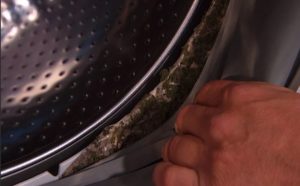
- Dirt will begin to accumulate on the walls of the hose and pipes, which will eventually cause a clog in the drainage system and block the pump impeller.
- A layer of scale forms on the heating element, which over time will grow and cover the entire heater. This buildup will cause the heating element to overheat and fail.
- At the "entrance" to the washing machine—the place where the inlet hose and filter are connected—particles of sand, rust, and scale will accumulate, leading to blockages and leaks.
The malfunctions listed above are just the first signs of trouble. They're the ones users encounter most often. But the most frustrating part is that the breakdown can occur unexpectedly: a stop mid-cycle, an incomplete spin, or a failure to drain. Fixing the situation will be difficult and expensive; it's much easier to remember to rinse the machine with bleach.
Avoiding troublesome repairs isn't just about using bleach or other similar products. Many service centers offer preventative cleaning for a reasonable fee, and if you don't want or can't handle the job yourself, it's best to turn to professionals.
Bleach can do a lot, and completely cleaning a washing machine is quite easy. The key is to properly calculate the water-to-bleach ratio and follow the above-mentioned care recommendations.
Interesting:

1 reader comment
Add a comment
Headings
Washing machine repair




For buyers




For users


Dishwasher




My Electrolux PerfectCare 600 vertical washer smells of mold. On the 3-hour cotton cycle at 90 degrees, I first added Japanese Mukunghwa drum cleaning powder, but the smell remained. Then, as you recommended, I added a liter of bleach to the drum, then a cup of vinegar to the fabric softener compartment on the quick wash cycle. The smell remained. What should I do next?