
Cleaning the Candy washing machine
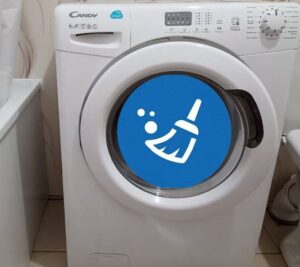 Simply following the washing machine's operating instructions isn't enough to prevent it from breaking down over time. To ensure long-lasting service, you also need to clean it regularly. Failure to clean your "home helper" promptly can lead to unpleasant odors, mold, and mildew. Furthermore, limescale can build up in the detergent drawer, and scale can build up on internal components. Naturally, all of this is harmful not only to your appliance but also to your family members, whose health will be seriously impacted. We'll explain how to properly clean your Candy washing machine to avoid such consequences.
Comprehensive dirt removal
Before cleaning the drum and other key components, first ensure the machine is empty. This means removing any items that may have accumulated there for the next cycle. It's crucial to perform a comprehensive cleaning of the entire system, ensuring the cleanliness of every component. Otherwise, the procedure will be of no tangible benefit. A comprehensive cleaning involves removing all dirt from the drum and powder receptacle, removing water from the rubber seal, cleaning the drainage filter, and using special household chemicals for the cleaning cycle.
There's no need to buy expensive cleaning products; you can use simple household chemicals from the store or even homemade solutions based on folk recipes.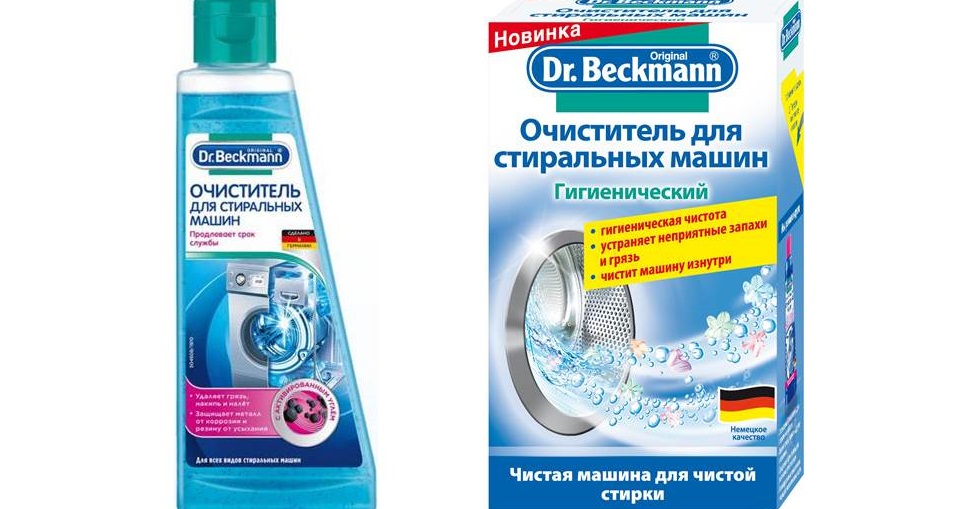
Small local supermarkets always carry high-quality household cleaning products specifically designed for cleaning automatic washing machines. If you'd like to create your own cleaning solution, consider citric acid, baking soda, and vinegar.
The detergent should be poured into the detergent drawer or directly into the drum, and then immediately run any long, high-temperature cycle.
Monitor the program closely. If you hear a sharp, beeping sound, stop the washing machine immediately. This can happen if a piece of scale has broken off and entered the drain system. In this case, remove it manually and then continue the cycle.
We remove contaminants from the main containers
Let's take a detailed look at each step of cleaning the interior of a Candy washing machine. For preventative maintenance, you can use a solution of citric or vinegar acid, or even a bleach solution. Household cleaning products should be added directly to the drum, followed by a cycle longer than 60 minutes, where the water is heated to 70-90 degrees Celsius. It's crucial that there are no clothes inside the machine during the cleaning cycle, as they could be damaged by harsh household cleaning products and high temperatures.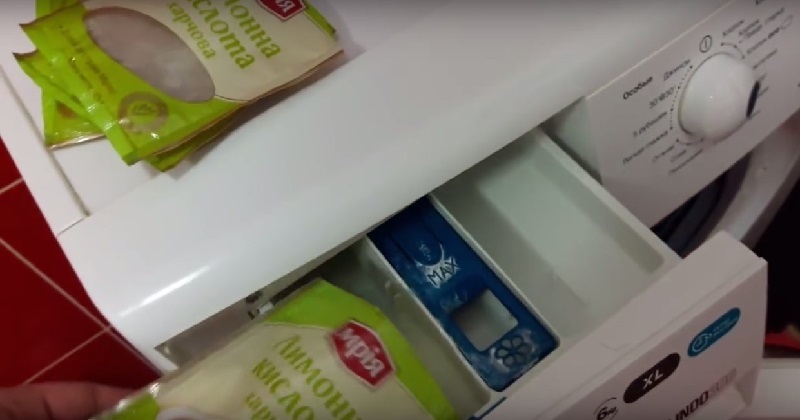
Once the program is complete, you should also run the rinse cycle twice. This is necessary to completely rinse out any remaining household chemicals from the drum. Experts recommend performing this cleaning at least once a month to keep the internal components of your "home assistant" clean.
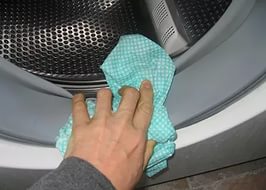
You can also clean the drum surfaces yourself. What's the right way to do it?
- Prepare a sponge or a wet cloth.
- Wipe the drum walls to moisten them.
- Apply detergent to a sponge or cloth.
- Treat all contaminated areas thoroughly.
- Once the surfaces are covered with the cleaning solution, leave them there for at least an hour to allow the household chemicals to soak in and break down the dirt deposits.
- Remove any remaining dirt from the surfaces with a dry cloth.
- Run the rinse cycle several times to rinse the detergent out of the washer.
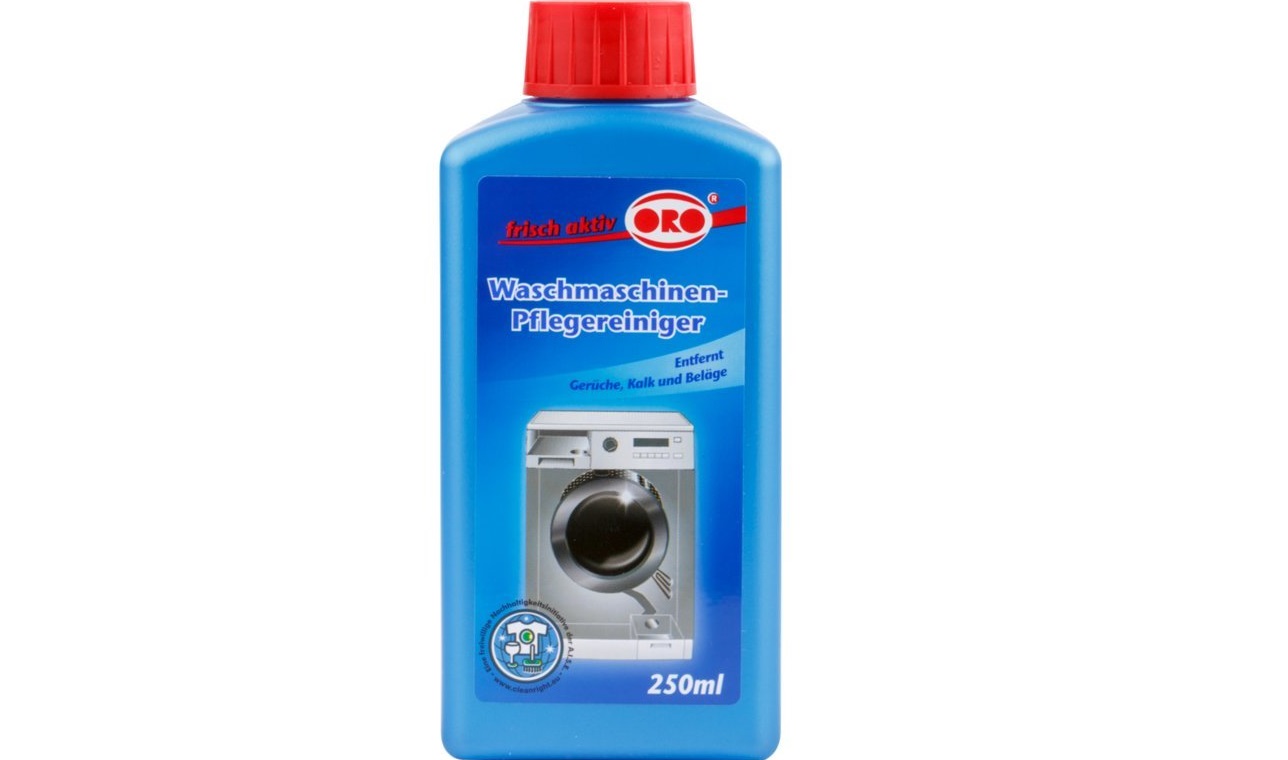
Cleaning with Frisch Activ is also possible. What should I do?
- Add half a cup of the specified product to the powder dispenser.
A measuring cup is included with Frisch Activ products.
- The second half of the glass with chemicals must be added directly into the drum.
- Select a high temperature wash cycle and turn off the waste water drain.
- When the program is finished, let the CM stand for at least half an hour.
- After this, manually start the drain.
Finally, it's worth noting the special self-cleaning mode found in some modern washing machines. This cycle allows the machine to be cleaned of any dirt without any intervention. However, if the user hasn't used this mode in a while and limescale has built up in the system, the self-cleaning mode can be enhanced with Frisch Activ.
Drain hose and filter
Regardless of the degree of contamination of the device, it is always necessary to clean all elements of the drainage system. This is due to the fact that most of the debris accumulates in the hoses, pipes and filters. How to effectively clean the drain filter?
- Disconnect the machine from the power supply.
- Place dry rags or old towels on the floor.
- Prepare a large container to collect the waste liquid.
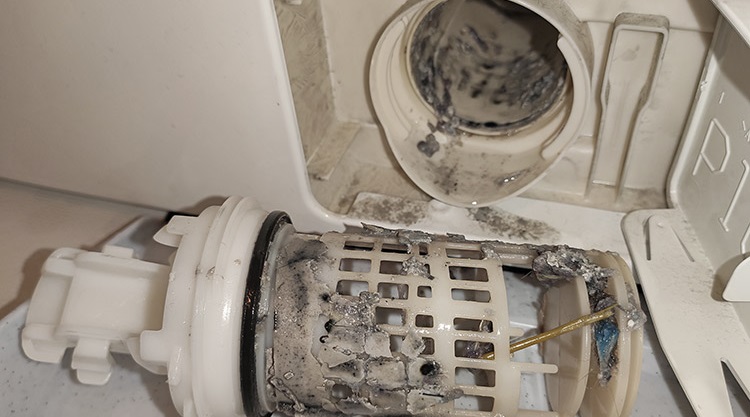
- Remove the filter located in the lower right corner of the housing by unscrewing it from right to left, and collect all the water in a prepared bucket or basin.
In some Candy washing machine models, the filter is additionally held in place by a bolt, so it will need to be removed first with a screwdriver.
- Clean the drain filter thoroughly.
- The element's seating area must be cleaned separately. This includes removing not only dirt but also any foreign objects, such as hair, buttons, bra underwire, and so on.
Cleaning the filter isn't the end of the unit's maintenance. You should also carefully inspect the drain hose. To do this, disconnect it from the drain and the washing machine. Afterward, rinse it with a strong stream of warm tap water. Don't forget the pump, which also needs cleaning. You can clean it as follows:
- lay the automatic washing machine on its side;
- remove the pump impeller;
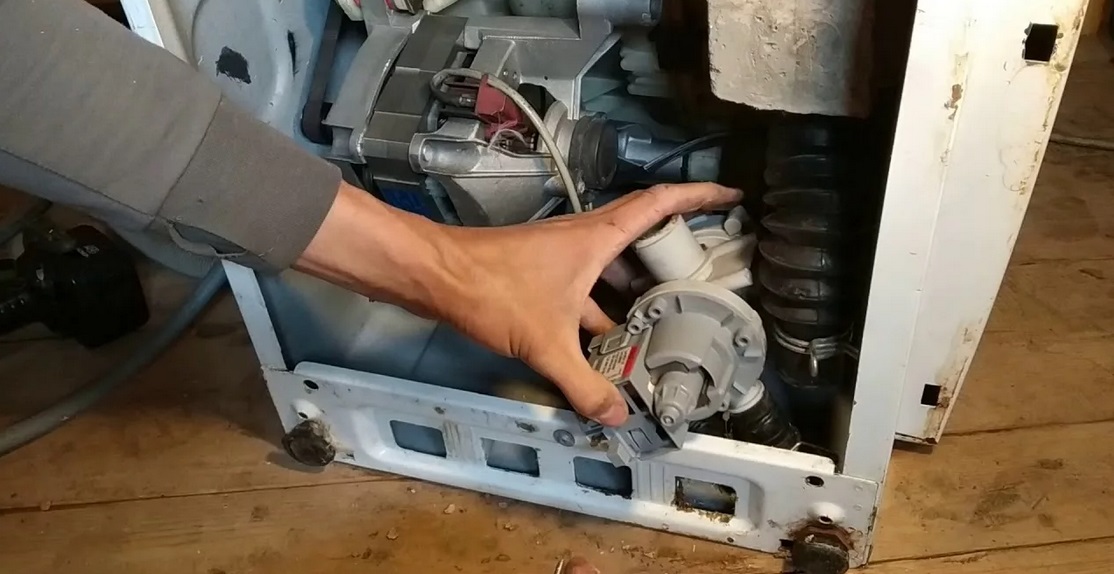
- carefully wipe the cavities of the impeller, the internal elements of the pump, and the casing;
- Install the impeller back and then securely fasten it with screws.
It's also worth considering situations where the appliance also has an inlet filter, such as the Candy WISL models. In this case, you'll need to thoroughly clean the inlet filter mesh. To do this, turn off the water supply, remove the inlet hose, and use pliers to remove the filter mesh. Then, simply rinse the filter element under a strong stream of tap water. If this doesn't help, use a small brush.
Detergent tray
Cleaning the drum and drain system is just the beginning of the process; the next step is cleaning the detergent drawer, which also requires careful maintenance. This is due to the fact that after each cycle, household chemicals remain in it, sticking to the walls. Because of this, limescale, mold, and even mildew can build up in the tray during use. This is extremely dangerous for humans, as harmful bacteria spread throughout the system, landing on clothing and penetrating the fibers of the fabric. This is why it's so important to regularly clean the detergent drawer.
Experts recommend cleaning the powder receptacle after each work cycle, regardless of the condition of the element itself.
Even if the tray appears clean, it should be removed from the "home helper" and rinsed with warm water. If the walls have become coated with film, soak the element for several hours in a citric acid solution. After this time, thoroughly clean the tray with a brush or abrasive sponge.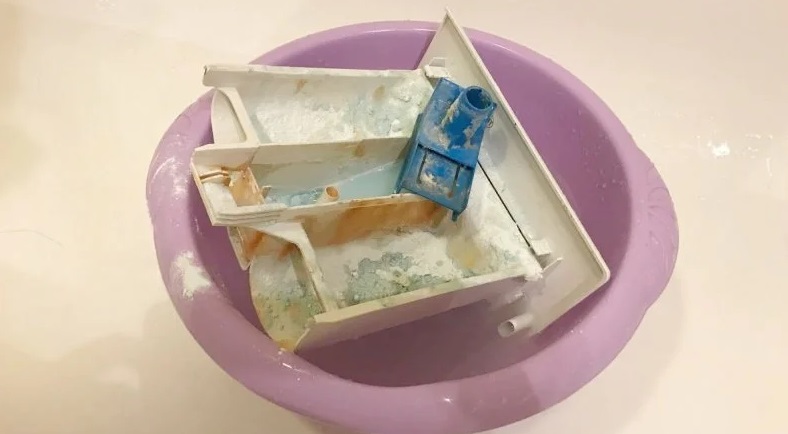
If even this fails to remove the stains, stronger cleaners will be needed. In this case, household cleaning chemicals for plumbing fixtures and tiles are permitted. Never allow harsh cleaners to come into contact with your skin, so wear gloves when cleaning. If mold is present in the powder dispenser, special anti-mold solutions should be used in addition.
The worst case scenario is when the dispenser simply won't remove from the housing due to a thick layer of scale. In this case, you can try pouring warm water into the element and attempting to clean it with a brush or small bottle brush. If this fails, try using citric acid: pour one packet directly into the detergent drawer and the other into the washing machine drum. After this, simply run a high-temperature cycle and wait for it to complete.
Keep the heating element clean
Cleaning your Candy washing machine can be more difficult if you live in an area with very hard tap water, which is saturated with metals and mineral salts, as this can negatively impact the washing machine. Be prepared for scale buildup on key system components, such as the water heater. The more the heating element becomes covered with hard deposits, the sooner it will fail.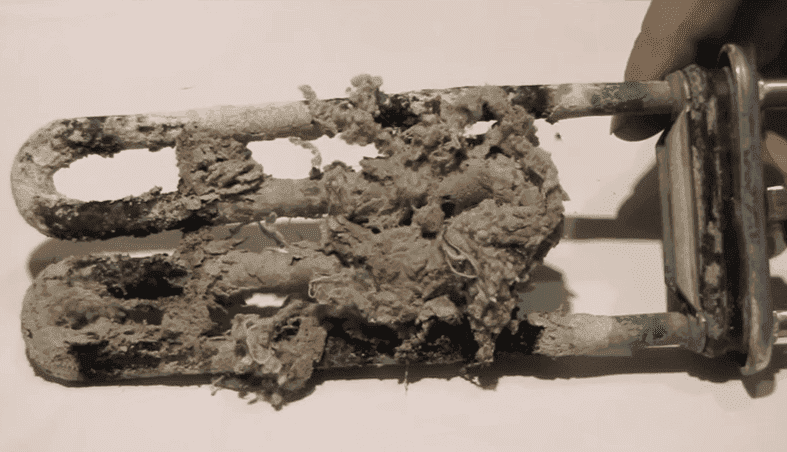
Regular cleaning of the heating element will help combat this, which is most easily accomplished with ordinary citric acid. The amount of solution depends solely on the degree of contamination of the heating element. Most often, five packets of citric acid will suffice, pouring the contents of four into the drawer and the fifth directly into the drum. Then, select a cycle with maximum water heating, for example, up to 90 degrees Celsius.
This procedure is almost guaranteed to remove limescale, so the housewife only needs to carefully monitor the process to prevent any loose pieces of limescale from clogging the drain system. If your water supply is of poor quality, it's advisable to perform this procedure at least once a quarter. Instead of citric acid, you can use vinegar, which is more aggressive but also more effective. To do this, pour approximately 50 milliliters of acetic acid into the detergent dispenser, then run a wash cycle on high heat.
Interesting:

Readers' comments
Headings
Washing machine repair




For buyers




For users


Dishwasher




Add a comment