
Cleaning an Electrolux washing machine
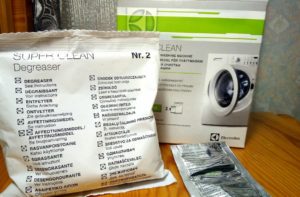 A washing machine is constantly in contact with water and detergent, but that doesn't keep it clean: impurities in the liquid, along with soap scum, settle on the insides of the machine. Household dust, fabric fibers, and other debris caught in the drum further contribute to the dirt. All this, combined with high humidity, leads to unpleasant conditions—mold, limescale, and a foul odor.
To avoid damaging the washing machine and risking your family's health, you need to clean your Electrolux washing machine properly. Let's take a closer look at how often and in what order to clean.
A thorough cleaning is needed
It is recommended to clean the washing machine regularly, and to do a thorough cleaning. Periodic treatment of individual parts or elements will not produce a noticeable effect; systematic and comprehensive approach is essential. Ideally, after each use of the machine it is necessary to:
- wipe the drum to remove soap scum and any remaining moisture;
- wash the detergent drawer;
- clean the cuff from stuck dirt and water;
- "Wipe" the body of the washing machine with a dry cloth.
In addition to regular "superficial" maintenance, more in-depth cleaning should be performed periodically. For example, removing and cleaning the debris filter is recommended approximately every three months. A complete cleaning of the entire washing machine's interior is recommended every six months.
Every three months, Electrolux requires cleaning the dust filter, and every six months – a comprehensive cleaning with a special product.
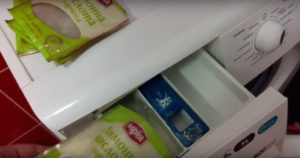 A thorough cleaning of your washing machine involves running a dry cycle with a special cleaner. You can use either a professional store-bought concentrate or budget-friendly home remedies. For the former, consider household cleaners labeled "anti-scale," "degreaser," or "express descaler." For the latter, choose citric acid, baking soda, salt, and vinegar.
The dosage of the cleaner depends on its composition. Do not apply the concentrate or add acid by eye—only follow the instructions on the packaging. Add the cleaner to the powder dispenser or directly to the drum, then run a high-temperature "idle" cycle.
Leaving a washing machine unattended while it's cleaning is not recommended. During the cleaning process, large chunks of scale can break off and become lodged in the drain, posing a risk to the machine. If you suddenly hear a loud noise, cracking, or humming sound during the cycle, stop the program, drain the water, and clean the debris filter. You can then continue washing.
We remove dirt from the main containers
To clean the inside of the Electrolux drum, run a cycle with detergent. Any cleaner will do: citric acid, vinegar, bleach, or store-bought cleaning products. According to the dosage on the packaging, add the detergent to the machine and run the cycle for at least 1.5 hours at 75-90 degrees Celsius. Make sure there's no laundry in the machine.
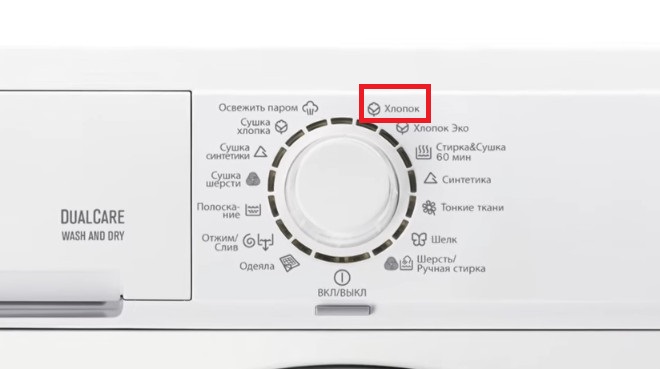
After cleaning, rinse the machine twice. Ideally, run two quick washes, but the "Double Rinse" option will do. The key is to ensure that the cleaner, along with any remaining softened dirt and limescale, is removed from the machine.
When using a cleaner, follow the manufacturer's recommended dosage - excessive amounts of alkali and acid can corrode the machine's parts!
You can clean the drum manually, following the instructions below.
- Take a sponge or soft cloth and wet it.
- Wipe the drum with a damp cloth to moisten its surface.
- Dip the sponge into the powder or gel.
- Clean the drum walls, paying particular attention to the ribs, joints and edges.
- Close the hatch, leaving the soapy drum for 40-60 minutes.
- Use a dry cloth to collect dried foam and dirt.
- Rinse the washing machine with any empty cycle.
It's best to opt for a comprehensive cleaning, as it will clean not only the drum but the entire system. This is especially true if you use a professional cleaner designed specifically for washing machines. A good option is the Frisch-Activ concentrate.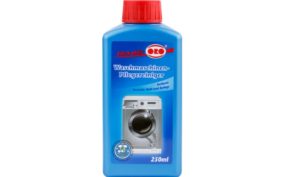
To flush the machine with Frisch-Activ, you need to:
- pour half of the measuring cup into the powder receiver and the rest into the drum;
- start a cycle with heating from 75 degrees;
- turn off the drain;
- after washing, leave the machine with a full drum for 20-30 minutes;
- drain the water;
- Run the Rinse program twice.
Some modern Electrolux washing machines feature a special "Drum Self-Cleaning" feature. When activated, the system automatically cleans the machine using a specially configured cycle. The user simply presses a button and monitors the process. For added effectiveness, add "Frisch-Activ" to the detergent drawer and tank before activating the feature.
Lint filter and drain hose
When carrying out a comprehensive cleaning, a mandatory step will be washing the drain filter and drain hose. Ideally, you should plan to clean the entire drainage system, including the pump impeller and pipes.This is where all the dirt that gets into the washing machine settles and accumulates.
First of all, we assess the condition of the drainage filter, doing the following: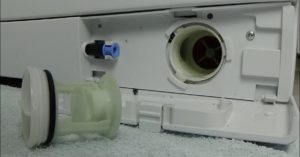
- we disconnect the equipment from communications;
- Place oilcloth and rags around the machine – a lot of water may spill;
- prepare a basin or other large container;
- remove the technical hatch door by pressing the plastic latches;
- we find a round black plug of the garbage filter behind the hatch;
- we take hold of the existing protrusion and unscrew the nozzle counterclockwise;
- we clean the filter from dirt and scale (if necessary, soak the “spiral” in a lemon solution);
- We wash the seat and remove any debris stuck to the walls.
The second step is to pay attention to the drain hose. Carefully disconnect the hose from the drain pipe and the machine body by loosening the clamps provided, and then rinse it under the tap. If the dirt is heavily caked on, soak the hose in a citric acid solution for 20-60 minutes.
Do not unscrew the dust filter immediately after the high-temperature cycle has ended – you may get scalded by boiling water!
Be sure to clean the pump of any debris. Here are the instructions:
- turn the machine onto its left side (it cannot be turned onto the right side - the water remaining in the detergent dispenser may leak onto the dashboard and cause a short circuit);
- illuminate the bottom and find the pump;
- unscrew the impeller from the pump;
- clean the impeller blades, as well as the snail and the pump itself, from debris and plaque;
- return the impeller to the shaft, securing it with bolts.
Some Electrolux washing machines, such as the WISL line, are equipped with an inlet filter. This is a mesh filter installed in the inlet hose to pre-treat tap water. It bears the brunt of scale and rust, so it's important to clean it regularly. To do this, shut off the water supply, disconnect the hose, and remove the nozzle with pliers. Then, clean the filter with an old toothbrush or run it under a strong stream of water.
Detergent drawer
The detergent drawer also needs cleaning. Firstly, some of the detergent remains on the walls of the drawer and hardens. Secondly, impurities from the tap water settle on the surfaces of the compartments. Thirdly, high humidity encourages mold growth, which in turn leads to an unpleasant odor. All of this odor spreads throughout the machine and is absorbed into the items being washed.
It is advisable to rinse the powder tray after each use of the machine!
To prevent powder buildup and mold, clean the part regularly. In most cases, rinsing the container and wiping it with a sponge is sufficient. If the stain is severe, you will have to soak the tray in a lemon solution for several hours and then scrub it with a brush. If there is too much hardened powder, you should use a plumbing cleaner to treat and clean it.
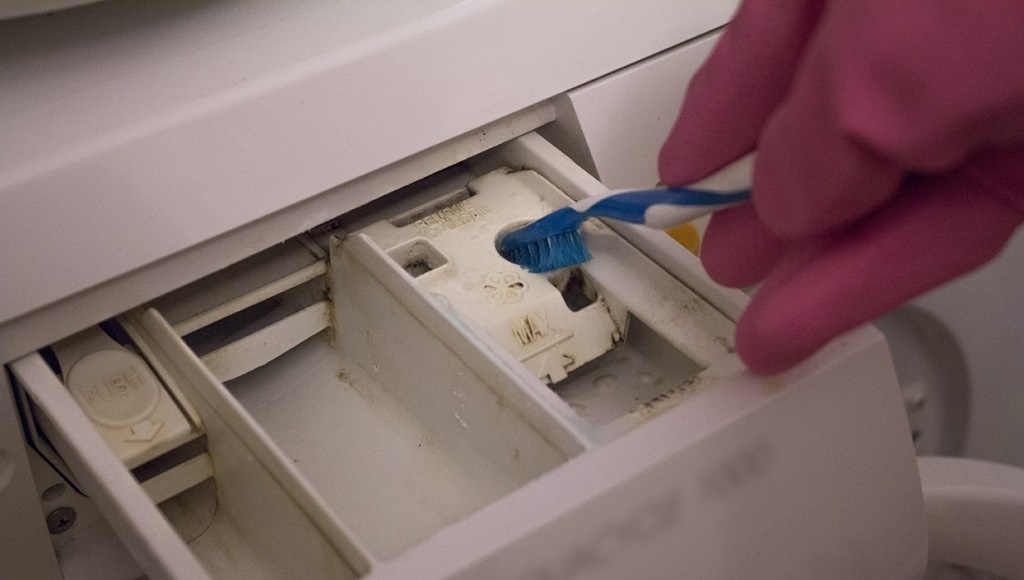
Sometimes the detergent drawer gets so stuck to the machine body that it's difficult to remove. In this situation, a thorough cleaning will help. Pour detergent into the drawer and the drum, then run an empty wash cycle.
Do preventative cleaning
Regular cleaning of your Electrolux will prolong its life. Timely and proper maintenance will help prevent many breakdowns, overheating of the heating element, or clogged drains. The savings are obvious – it’s cheaper to wash the machine than to spend money on repairs and replacing parts.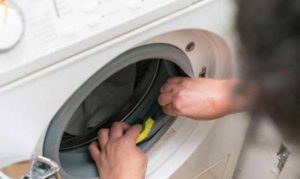
It's worth remembering that the detergent drawer is considered the machine's weakest point, becoming dirty faster than any other. The second weakest point is the drainage system, where all the dirt and debris collects, and the third weakest point is the drum, which often suffers from soap scum and dust from clothes. It's important to pay sufficient and regular attention to these areas. A dirty machine not only breaks down more often, but also performs worse.
- The surfactants contained in the powders settle on the walls of the drum, forming a sticky film that is transferred to clothing via the water.
- During washing, calcified limescale or powder can break off and, getting into the drum, damage the structure of the fabric, especially delicate fabrics.
- Mold in the washing machine can get onto laundry and then onto the human body.
- Clogged pipes and permanent deposits on parts prevent the machine from rinsing laundry thoroughly, and detergent remains in the fabric, causing allergic reactions.
You can protect both your machine and your health by caring for your Electrolux. Regularly rinse the drawer, drum, door glass, and gasket, and leave the machine open to dry naturally after cleaning. It's a good idea to install a filtration system both inside and outside. It's also important to use high-quality washing powders and gels that dissolve quickly and are free of hazardous surfactants and phosphates.
Interesting:

Readers' comments
Headings
Washing machine repair




For buyers




For users


Dishwasher




Add a comment