
How to clean an Indesit washing machine?
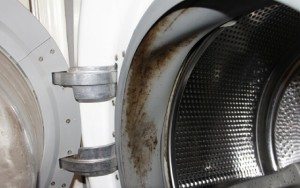
 It's crucial to clean your washing machine regularly. If you don't, an unpleasant odor will eventually start coming from the machine, the walls of the detergent drawer will become coated with a film, and scale will build up on the internal components. Mold and mildew can also form. All these problems are dangerous not only for the equipment but also for the health of your family members. How do you clean an Indesit washing machine? What cleaning products should you use? Let's take a closer look.
Complete cleaning
Before rinsing the machine, empty the drum of any items. Cleaning only individual parts of the washing machine won't provide any significant benefit. Comprehensive cleaning of equipment, carried out systematically, will be effective.
What does this "complex" of measures mean? To keep your "home helper" clean, you need to remove accumulated dirt from the drum, wash the detergent drawer, remove water from the cuff, clean the debris filter, and clean the insides of the washing machine using special solutions.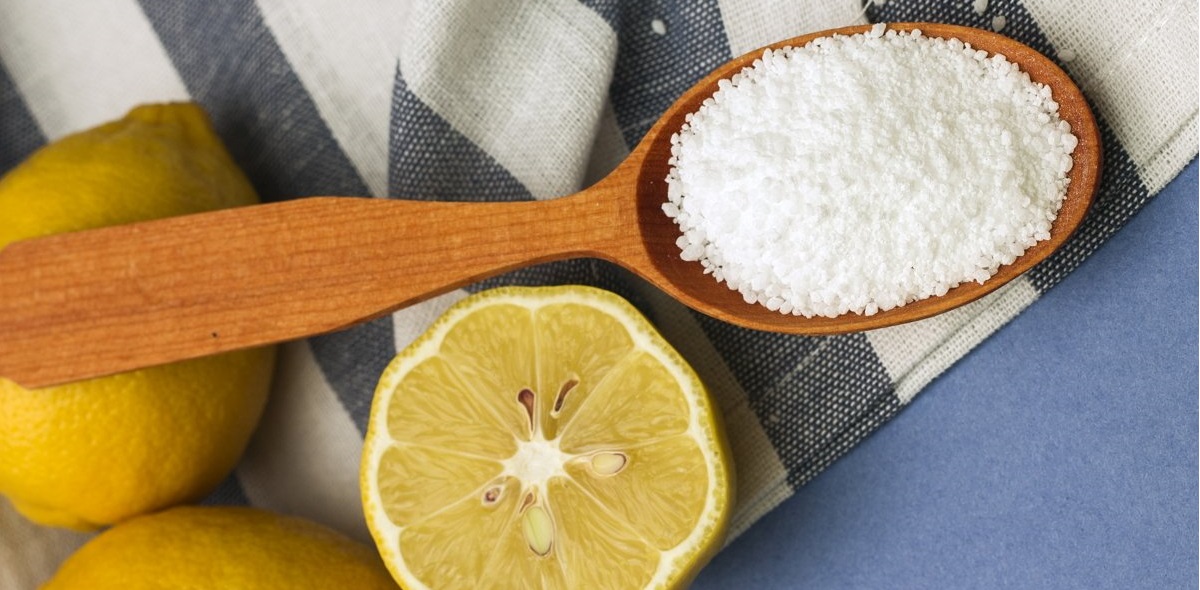
To clean your washing machine, you can use store-bought detergents or home remedies. Supermarket shelves are stocked with a wide variety of household cleaning products specifically designed for cleaning machines. As for "grandmother's" tips, citric acid and baking soda are excellent for removing dirt and grime, and there are also recipes that include vinegar.
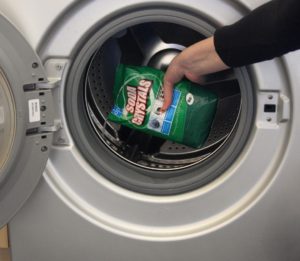
The cleaning solution is poured into the powder compartment or directly into the drum, after which a high-temperature wash program is set.
If you hear a sharp, beeping sound while the washing machine is running, stop the cycle as soon as possible. A piece of limescale may have broken off and become lodged in the drain system. Remove the solid object from the machine and continue washing.
Cleaning the tank and drum
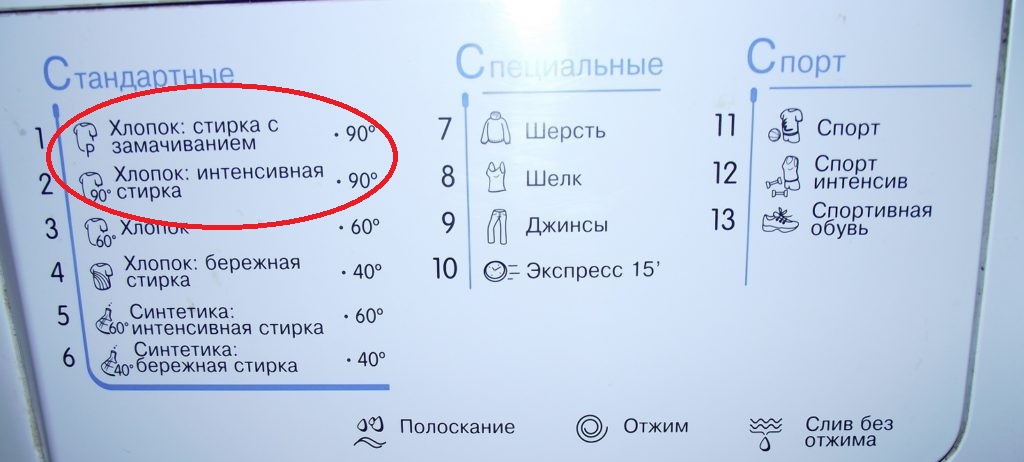
For these purposes, you can use citric or acetic acid, or a bleach solution. The chosen solution is poured into the washing machine drum, after which the machine runs a cycle lasting over an hour, heating the water to above 75°C. The wash is performed "empty," meaning without any laundry.
At the end of the program, it's important to run the "Rinse" cycle twice. This will remove any remaining detergent from the drum. Users who perform this procedure once a month can avoid worrying about dirt and debris accumulating in the drum.
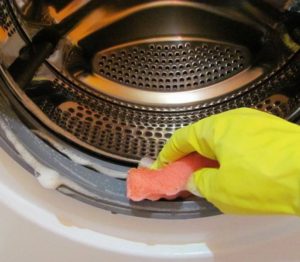
You can clean the drum surface manually. Follow these steps:
- Take a damp cloth or sponge. Wipe the walls, thereby moistening them;
- Pour the powder onto the sponge and begin cleaning the surface, paying particular attention to areas where dirt has accumulated;
- leave the washing machine for an hour to allow the detergent to soak in and completely dissolve the dirt deposits;
- clean off any remaining debris from the walls with a dry cloth;
- Run the Rinse cycle to remove any remaining detergent from the system.
You can clean your machine using Frisch Activ. To do this:
- pour “chemistry” into the washing machine tray (1/2 cup included in the kit), the other half – directly into the drum;
- Start the washing program with the drain turned off. The water temperature should be at least 75°C;
- at the end of the cycle, let the machine stand for 30 minutes;
- drain the water from the system.
Some modern Indesit machines feature a special self-cleaning mode. This program removes debris from the drum walls without any physical effort. If descaling is necessary, it is recommended to use the self-cleaning mode in conjunction with Frisch Activ.
Filter element and hose
Cleaning your washing machine at home necessarily involves flushing the drainage system. The hoses, filters, and pipes are where the largest amount of debris accumulates. To clean the drain filter, you need to:
- de-energize the equipment;
- Cover the floor under the machine with a dry cloth or prepare a basin to collect the water that will flow out after removing the filter;
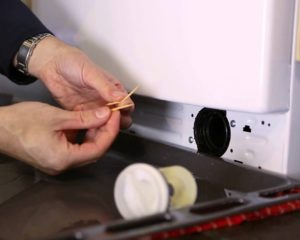
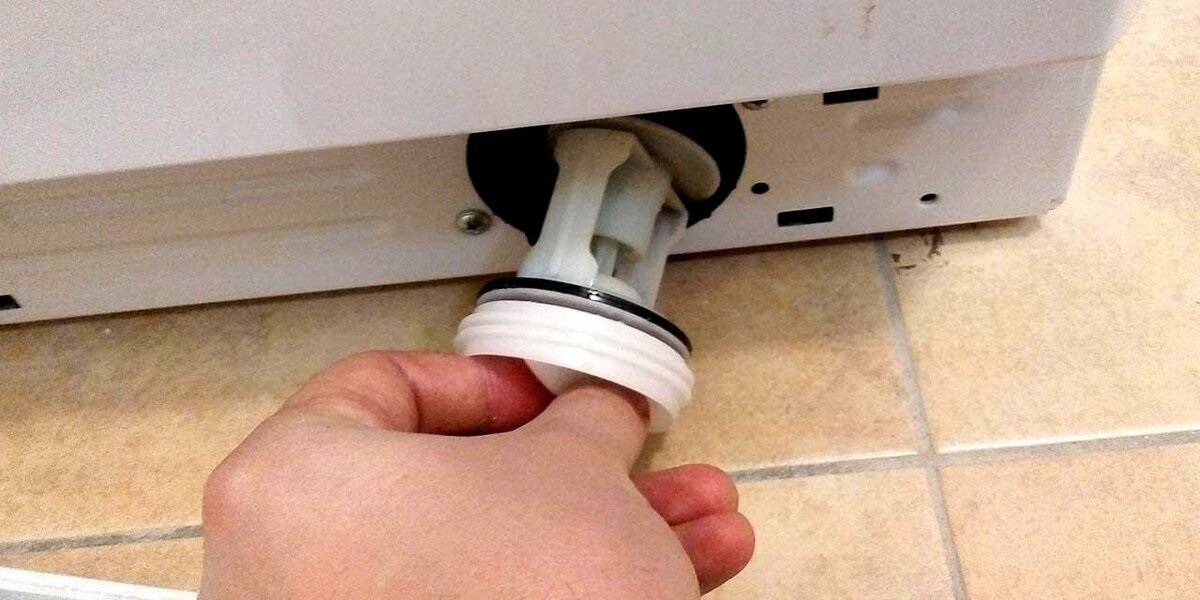
- Remove the filter element from the machine; it's located in the lower right corner. Grasp the recess and unscrew the element from right to left. On some models, the element is secured with a bolt and must be removed using a screwdriver.
- wash the trash filter;
- Use a cloth to wipe the walls of the opening where the element was located. Remove any foreign objects stuck there after washing.
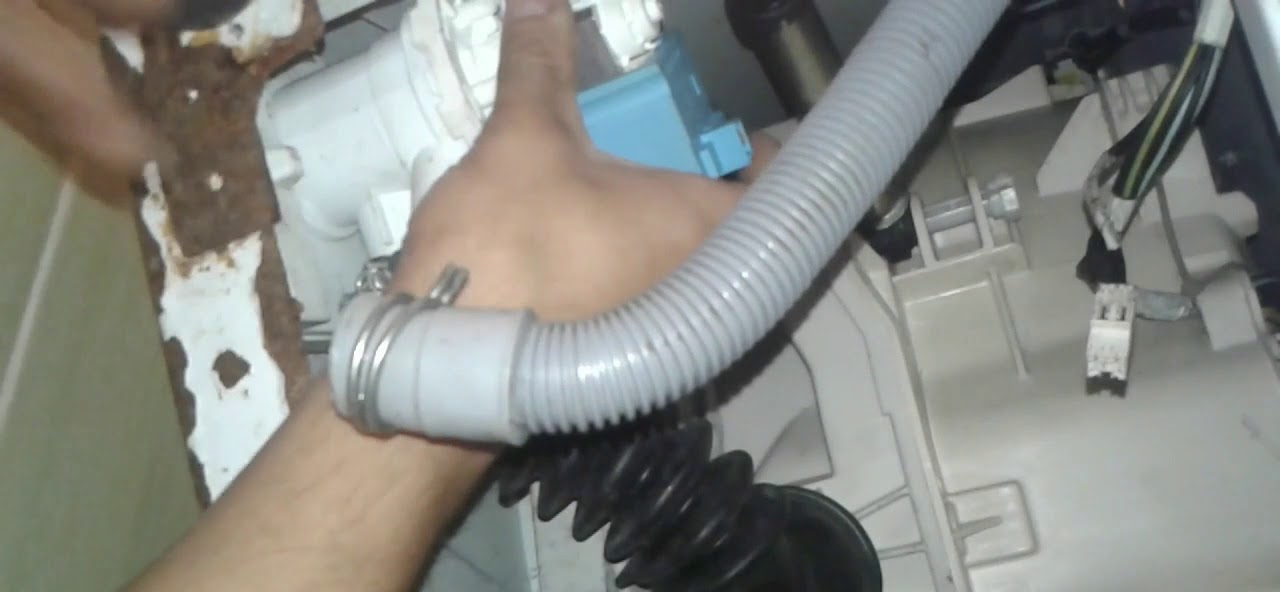
Next, inspect the drain hose. Disconnect the hose from the sewer pipe and the washing machine, then rinse it under running water. While cleaning the filter and pump, don't forget about the pump, which also requires maintenance. To clean the drain pump, follow these steps:
- lay the washing machine on its side;
- unscrew the impeller from the pump;
- wipe the cavities of the impeller, as well as the internal parts of the pump, the casing;
- put the impeller back in place and secure it with screws.
Some Indesit models, such as the WISL, also have an inlet filter. This filter also requires periodic cleaning. To remove it from the washing machine, turn off the water supply, unscrew the inlet hose, and remove the filter with pliers. Rinse the filter under running water. If necessary, you can clean the filter with a small brush.
Powder receiver
The detergent drawer also needs to be cleaned regularly. After a cycle, a small amount of detergent remains in the dispenser, clinging to the walls. Over time, these particles harden, causing mold and mildew to form in the drawer. These hazardous deposits spread throughout the washing machine, leaving residue on clothes and linens. Regular cleaning of the detergent drawer will help prevent the buildup of harmful substances, plaque, and unpleasant, strong odors from your washing machine.
It is recommended to wash the powder tray after each wash.
If the container is visibly clean, simply rinse it with warm water and scrub the tray with a brush. If there's already caked-on residue on the walls, soak the dispenser in a citric acid solution for several hours. Then, scrub thoroughly with a brush or abrasive sponge and rinse.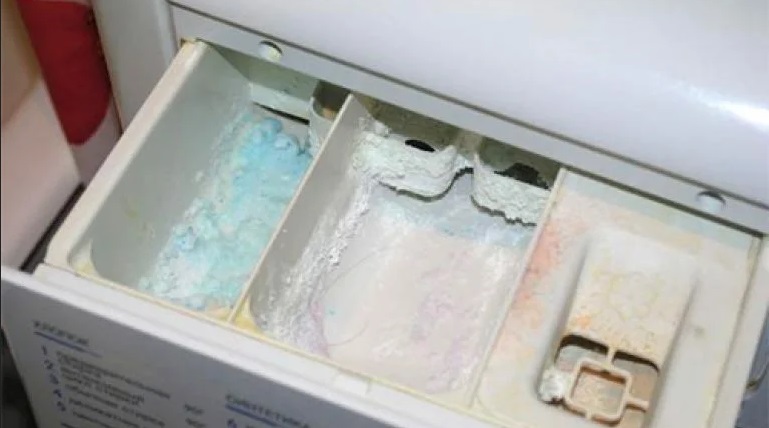
If the stains are severe enough, you'll need to resort to household chemicals. Plumbing or tile cleaners are acceptable. Be sure to wear gloves when cleaning, as these cleaners are too aggressive. If black mold spots are visible on the tray, treat the surface with an anti-mold product.
In severe cases, the detergent drawer may not be able to be removed from the machine due to heavy soiling. In this case, you can try pouring warm water into the drawer and using a brush or small bottle brush to clean the dispenser. If this fails, try using citric acid. Pour one sachet into the drawer, the other into the drum, and run the wash cycle. The system, including the drawer, should be cleaned.
Heating element
 Excessively hard water, with high metal and mineral content, causes scale to form on washing machine components. The heating element is no exception. A hard deposit also forms on the heating element, which can lead to element failure.
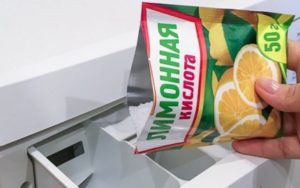
Regularly cleaning the heating element will help prevent damage. The easiest way to do this is with citric acid. The amount of citric acid added to the washing machine directly depends on the degree of limescale buildup in the heating element. In most cases, five packets of the solution will suffice: pour the contents of four packets into the detergent drawer and one packet into the drum. Next, run the washer on a cycle that heats the water to 90-95°C.
The scale will be completely removed; the user's main task is to ensure it doesn't clog the drainage system. It's recommended to perform this cleaning every two to three weeks.
Along with lemon juice, vinegar works great for removing limescale. It's more aggressive, but it also removes limescale much faster. Pour 50 ml of acetic acid into the detergent dispenser, then run a high-temperature wash cycle.
Take proper care of your machine
The lifespan of a washing machine and its technical condition directly depend on how it is used. Caring for an automatic machine means servicing it when necessary. It's easier to prevent a breakdown than to repair it later.
The weakest point of the Indesit machine is the detergent drawer. The tray gets dirty the fastest. The drainage system is second. These components require constant cleaning. However, don't forget about the drum, whose surface should also be wiped down periodically.
Washing machine components aren't only affected by dirt, lint, hard water, and dirt. Most detergents contain surfactants that settle on machine parts and form a sticky, film-like layer. Water comes into contact with the deposited surfactants, transferring particles of the active ingredients to the clothes in the drum. This is why you can sometimes see bits of an unpleasant-smelling film on clean laundry.
Some items require special care. However, if the detergent drawer is dirty, even the "Delicate Wash" cycle can damage the laundry, as residual bleach or dirt in the system will have a negative impact on the fabric. Don't assume that if detergent particles aren't completely rinsed out of the drawer, your Indesit machine is broken. This is often caused by insufficient water pressure in the home's water supply.
Incidentally, powders are more difficult to wash out than liquid and gel detergents. However, the latter cause a sticky film to form. Powder granules, the layer left by liquid detergents, and any mold that develops inevitably end up on the washed items, and then on the human body.
This is why it is so important to clean your washing machine, regardless of what household chemicals are used for washing.
What other measures can a user take to extend the life of their "home assistant"? To prevent contamination of the washing machine, it is recommended to install a water filter at the inlet of the machine, and also to wash the powder compartment, drum, door, and cuff after each wash.
After use, it is important to leave the machine open to allow moisture to evaporate freely from the system.
It is also recommended to use high-quality detergents, preferably those that are free of surfactants and phosphates. After using bleach, rinse the washing machine thoroughly.
Interesting:
Readers' comments
Headings
Washing machine repair




For buyers




For users


Dishwasher




Add a comment