
Cleaning a washing machine with folk remedies
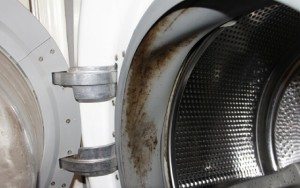
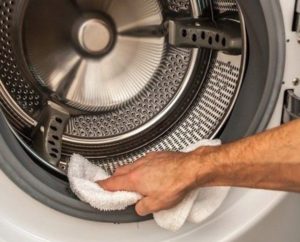 To ensure your washing machine functions properly and delivers high-quality results, it requires constant maintenance. This includes not only timely repairs and proper operating instructions, but also regular cleaning. The machine needs to be descaled and mold-free, and this should be done every six months. You can clean your washing machine without causing damage using homemade products. Let's take a closer look at what to use and in what proportions.
Sodium bicarbonate
Sodium bicarbonate is simply baking soda. This powder has long been proven to be an excellent cleaner for kitchen surfaces, sinks, kettles, tile grout, and microwaves. It can also be used to safely and effectively remove limescale deposits from automatic washing machines.
Cleaning a washing machine with baking soda is easy. If you need to clean the inside of the machine, just follow these steps:
- divide 0.5 kg of soda into two piles of 250 g each;
- pour the first part into the main wash compartment of the tray;
- the remaining half into the drum;
- turn off the spin;
- turn on double rinse;
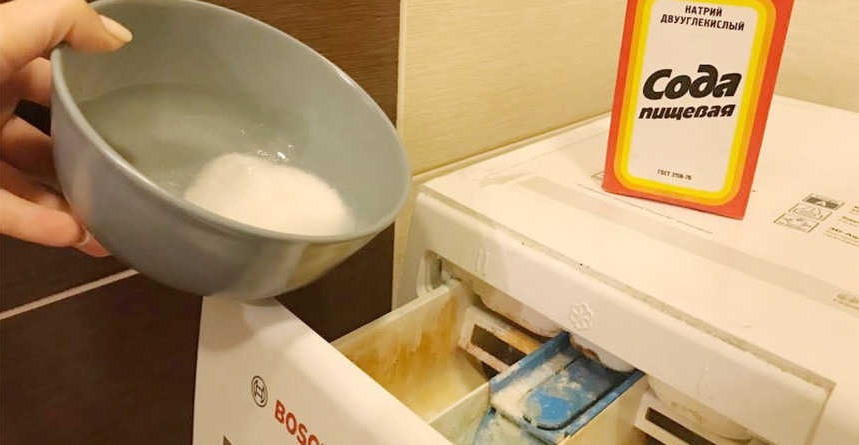
- Select the fast mode and set the heating temperature to maximum.
For a one-time cleaning of an automatic washing machine, you will need 500 g of soda.
One cycle with baking soda will not only remove deposits and dirt from the drum surface and pipes, but also descale the heating element. This is especially important, as hard tap water leaves limescale deposits on the heating element, which adhere to the metal and cause the element to overheat. Sodium bicarbonate can dissolve fossils and prevent breakage.
It's easy to whiten the outside of your machine with baking soda. Mix 100 grams of powder with a liter of water and dishwashing gel, apply the mixture to the dirty areas, and scrub until shiny. Then rinse off the foam with water and wipe dry with a cloth. Otherwise, dirty streaks will remain on the machine.
Lemon
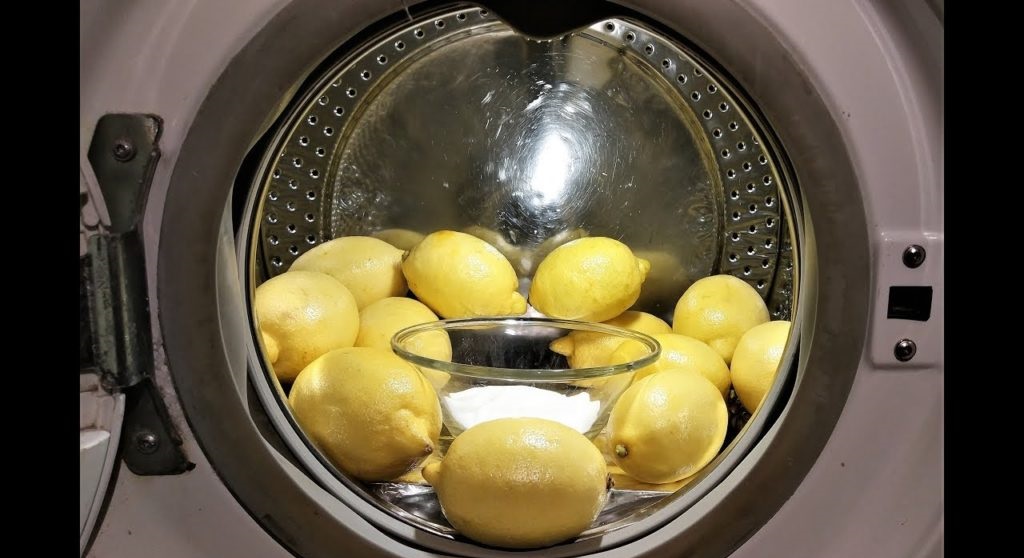
Another effective folk remedy against limescale and musty odors is citric acid. It's more effective than baking soda and vinegar, dissolving even stubborn limescale. Ideally, citric acid is supplemented with sodium bicarbonate for a more comprehensive cleaning.
Take 250 g of citric acid and 100 g of baking soda. The former can be replaced with freshly squeezed citrus juice without dyes or preservatives.
- We start the machine on a high temperature mode (for example, “Cotton 90”).
- We wait until the drum is filled with water.
- As soon as you hear a click signaling that water has been collected, set it to “Pause”.
- Open the detergent drawer and pour lemon juice and baking soda into the main wash compartment.
- Let's take a break.
- We set a timer for 15 minutes, after which we pause the cycle again.
- Leave the appliance full of water and detergent for 1-1.5 hours (during this time, the citric acid and baking soda will be actively working, dissolving the scale).
- Let's continue the cycle.
- At the beginning of rinsing, pour a portion of citric acid mixed with vinegar into the central compartment of the powder receptacle (designated for liquid softeners).
- We wait for the cycle to end.
The amount of citric acid poured into the tray depends on the capacity of the machine: if 3-4 kg - 150-200 g, if more than 5 kg - 250 g.
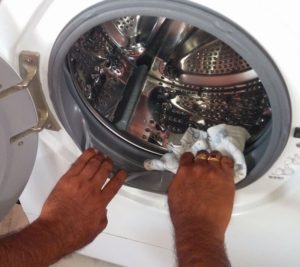
A single cycle with citric acid will rid your machine of most of its problems—scale, limescale, mold, and small debris. Limescale will come off the surfaces on its own, but it's best to check the rubber seal and the drum after washing—hardened particles can remain in the holes and folds. While you're at it, wipe the machine dry.
Cleaning with vinegar essence
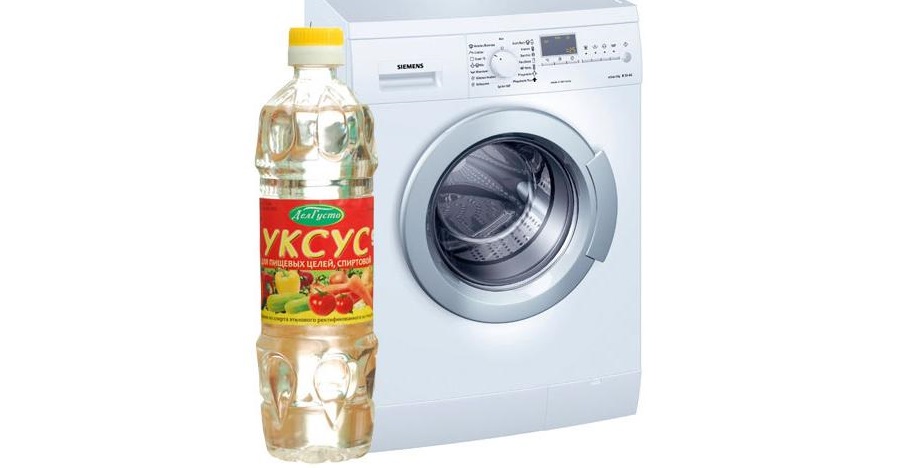
A washing machine can be effectively cleaned at home using acetic acid. Vinegar is an excellent disinfectant while remaining very inexpensive and relatively safe. The essence is especially good at eliminating mold, and to remove unpleasant odors, it is recommended to supplement it with sodium bicarbonate.
Vinegar and baking soda complement each other perfectly, ensuring a thorough cleaning of your washing machine from all its dirty residue. You'll need half a cup of each powder and half a cup of essence. The latter should be diluted to a concentration of 7-9%. Here's how to do it:
- select a program with water heating up to 90 degrees (“Cotton”, “Intensive”, “Children’s” are perfect);
- pour vinegar into the powder dispenser, into the main wash compartment;
- add soda to the central compartment allocated for the air conditioner;
- set the spin intensity to maximum;
- start the cycle, wait 5 minutes and pause;
- leave the folk remedies to “work” for 1-2 hours;
- remove the cycle from pause and wait for the wash to finish;
- set to double rinse.
You cannot add 70% vinegar to the machine – you need to bring it to a 7-9% concentration.
After just one run of the vinegar, you'll see noticeable results—the drum will be cleaner, and the unpleasant odor and mold will be gone. However, it's best to repeat the cycle several times to consolidate the results and remove any loosened limescale.
White
Chlorine is renowned for its antibacterial properties and whiteness. It's often added to sanitize rooms and bleach clothes, but the liquid is also frequently used to clean washing machines. When handling bleach, keep three important points in mind:
- the liquid works only in cool water, and when heated above 40 degrees it loses its effectiveness;
- Chlorine will not dissolve lime, but it will kill fungus;
- When pouring bleach, gloves are required.
Bleach loses its antibacterial properties in water heated above 40 degrees.
On average, you'll need about 250 ml of chlorine bleach to clean your washing machine yourself. Empty the drum, set the wash cycle to a cold cycle (heating the water to 40 degrees Celsius), wait until the cycle is complete, and then add the bleach to the detergent dispenser. Then, let the machine run for a minute and pause the cycle. Wait five minutes and then resume the cycle.
Bleach will quickly remove dirt and disinfect your washing machine. It's important to wash clothes empty, as bleach will discolor them. This cleaning should be repeated no more than once every six months.
Perhydrol
Perhydrol is the pharmaceutical name for hydrogen peroxide. This liquid is also used by homeowners as a folk remedy with a whitening effect. It is sold in bottles with a 3% concentration and is excellent for removing limescale, mold, and other stains from washing machines.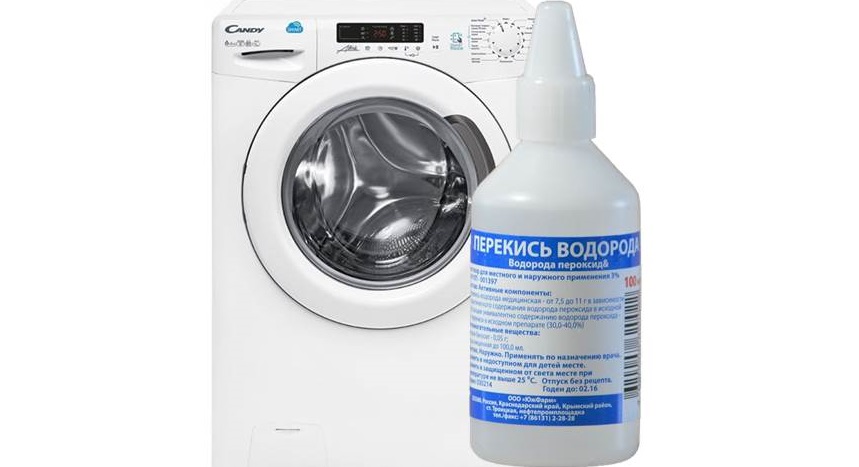
Unlike bleach, hydrogen peroxide is completely safe: it leaves no toxic fumes or residue harmful to humans, and breaks down completely in oxygen and water. However, it does have a significant drawback: it takes a considerable amount of time to be effective. Typically, removing moderate-intensity stains requires at least three hours. For front-loading machines, the hours allocated for the procedure are doubled, as a repeat cycle is required.
Hydrogen peroxide is a completely safe cleaner: it does not emit toxic fumes and gently cleans the washing machine.
The cleaning procedure itself looks like this:
- Pour the hydrogen peroxide into a spray bottle (you don’t need to dilute it with water, you need the maximum concentration);
- Spray the product generously onto the internal surfaces of the machine, cuff, and drum;
- close the drum and leave for 10 minutes;
- clean dirty areas with soda;
- turn on a long cycle with water heating to 90 degrees;
- At the end of the program, set the rinse cycle to repeat.
Tableted hydrogen peroxide is used with some differences. Add 10 tablets and 200 g of baking soda to the powder dispenser and immediately start the high-temperature cycle. It's important to run the cycle for at least 2-3 hours, otherwise the hydrogen peroxide won't have time to "fight" dirt and mold.
A last resort method
If your washing machine hasn't been cleaned for several years, the seal is covered in mold, and there's a musty odor coming from the drum, you'll need the heavy artillery. For example, a solution with borax, baking soda, acetic acid, and tea tree oil is effective in severe cases. This mixture is very aggressive, so this type of cleaning should be performed no more than once every 12 months.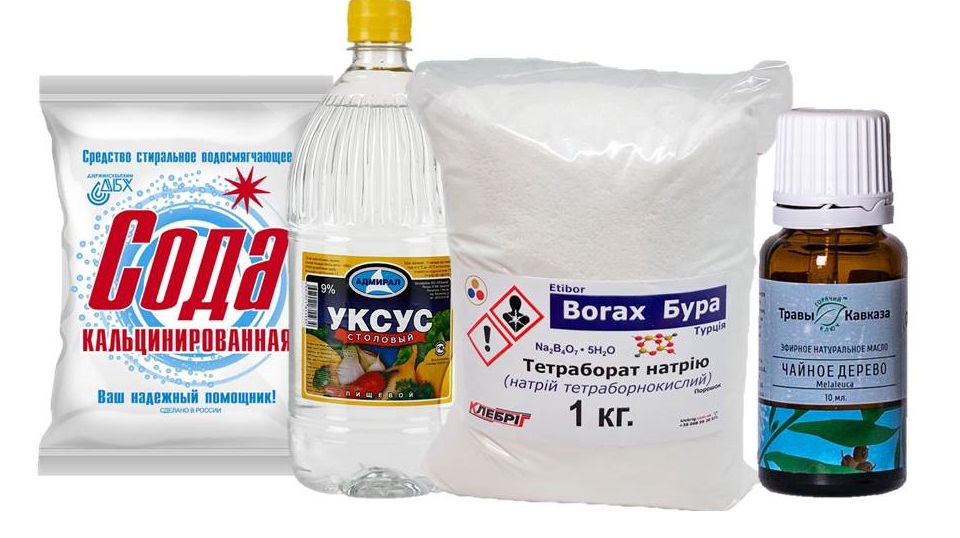
The cleaning process isn't simple. The first step is removing and cleaning the powder compartment. The tray is placed in a solution of water and citric acid, soaked, and after the deposits have softened, the plaque is removed with a toothbrush. The container is then rinsed, dried, and returned to its place. Next, proceed as follows:
- Place baking soda and borax into the drum (natural oxygen bleach can also be used instead of the latter);
- run a high temperature cycle with double rinse;
- at the end of the program, pour 2 cups of acetic acid and 20 drops of essential oil into the powder receiver;
- repeat rinse cycle.
Do not unscrew the dust filter immediately after the high-temperature cycle has ended – you may get scalded by boiling water!
Once the cycle is complete, wipe the detergent drawer, cabinet, and drum with a dry cloth. Leave the door open to allow moisture to naturally evaporate from the interior of the washing machine.
How to properly care for the machine?
Even a heavily neglected washing machine can be cleaned, but it's much more pleasant and easier to avoid letting it get into disrepair. Furthermore, a thorough cleaning with harsh chemicals is completely unnecessary if you keep a few basic rules in mind. By following just 9 recommendations, you can prevent mold and mildew buildup while maintaining high-quality cleaning and reducing the risk of breakage. The following points are meant:
- After using the washing machine, wipe the folds of the hatch cuff dry;
- Run at least one cycle every month with water heating to 60-90 degrees;
- use special softeners for hard water, for example, “Calgon” (or the popular equivalent – soda);
- Monitor the dosage of the detergent, as if the dosage is exceeded, the granules do not dissolve completely and stick to the surfaces of the machine;
- try to include an extra rinse to wash away any soap scum remaining after washing;
- weekly treat the hatch cuff with a special anti-mold cleaner (alternatively, wash with a vinegar or lemon solution);
- use high-quality detergents with natural and biodegradable ingredients;
- choose only powders and gels marked "for automatic washing machines", as hand washing detergents foam heavily and dirty the washing machine);
- leave the hatch and tray open to allow free air conditioning.
You can easily and affordably remove mold and limescale from your washing machine yourself. There's no need to buy expensive professional cleaners—simple baking soda, vinegar, hydrogen peroxide, and citric acid will effectively remove stains. The key is to use consistent methods and the correct dosage.
Interesting:

Readers' comments
Headings
Washing machine repair




For buyers




For users


Dishwasher




Add a comment