
How to clean a washing machine from debris?
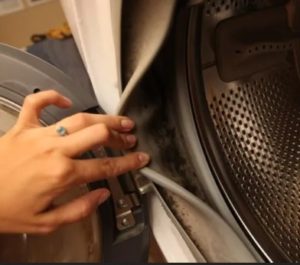 Every housewife should remember not to "let go" of their washing machine; it's important to regularly maintain it. Some types of dirt in a washing machine are visible to the naked eye, while others can only be discovered by digging deeper. Dirt accumulates in the drain filter, the folds of the seal, the powder compartment, the body, and elsewhere.
To prevent your washing machine from suddenly stopping working, it needs regular maintenance. Let's look at how to clean a washing machine of debris. We'll also explain how often experts recommend cleaning individual parts of the machine.
Where does garbage accumulate?
An automatic washing machine gets dirty almost everywhere, but the most debris accumulates in specific areas. It's these most vulnerable parts that need to be cleaned regularly. What parts need to be kept clean?
- Drain filter. It catches 90% of foreign objects that fall into the tank. Dirt, hair, threads, and lint also settle here. Cleaning the filter element is vital for the machine.
- The drum seal. Debris, dirt, and wastewater accumulate in the folds of the seal. If you don't clean the seal and wipe it dry, it will deteriorate and mold will form on its surface.
- Pump. Hair and threads get wrapped around the impeller of the drain pump, and sometimes foreign objects that slip through the debris filter get stuck between its blades. If the pump becomes blocked, the washing machine will no longer function properly.
- Powder dispenser. Detergent residue accumulates on the walls of the dispenser, and mold often forms. If the drawer isn't cleaned regularly, it will become covered in a thick layer of limescale.
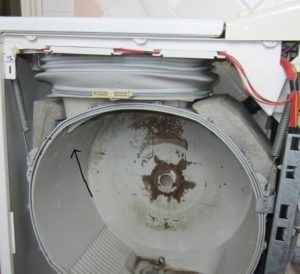
- The bottom of the tank. This is where debris that has fallen through the holes in the drum's surface accumulates. Reaching these deposits is quite difficult, but not impossible. Moreover, cleaning the bottom of the tank is very rare.
Once you understand where the dirt is located, you need to figure out how to remove it from there. Cleaning a washing machine from debris is quite simple; any housewife can handle this task.
Cleaning the filter element
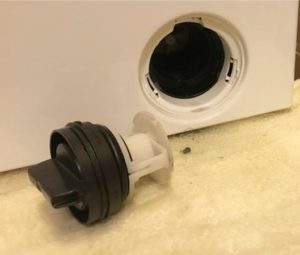
Almost all washing machines, whether Atlant, Bosch, Siemens, or Indesit, have a dust filter located in the front, lower right corner. The unit is usually hidden behind a small, dedicated hatch or decorative panel. Cleaning the element is simple; follow these steps:
- tilt the machine back slightly so that you can place a small basin underneath it (this is necessary to collect the water that will start to flow out when you remove the element);
- Place the container securely under the body;
- open the hatch or remove the panel covering the drain filter;
- Find the emergency drain hose near the waste bin. Open the hose and drain the wastewater from the system into a container placed under the machine. If your washing machine doesn't have such a hose, you'll have to gradually unscrew the filter plug, collecting the dirty water in a basin.
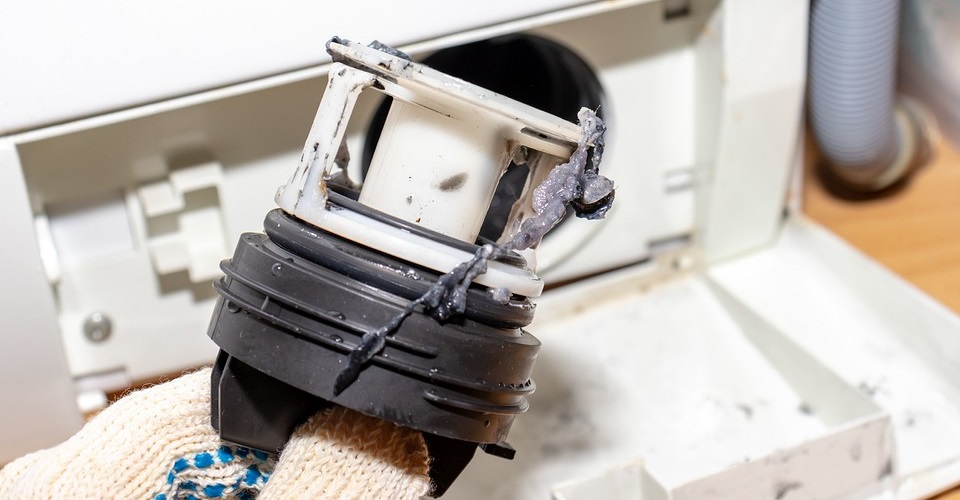
- Remove the debris filter completely by turning the plug from right to left;
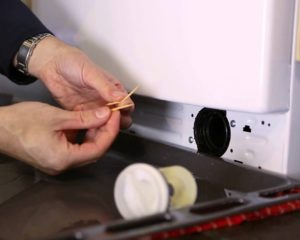
- Inspect the hole created by removing the element. Shine a flashlight into it to see the impeller. If hair or thread is caught on the blades, be sure to clean the part.
- wipe the walls of the hole with a damp cloth;
- clean the filter of any debris and rinse the unit under running warm water;
- place the filter element into the “socket” and tighten the plug until it stops;
- Close the hatch or replace the decorative panel.
Experts recommend cleaning the debris filter approximately once every 3 months.
It's recommended to clean the filter after washing long-haired items and soft toys. Also, if you have a dog or cat, it's best to clean the dustbin more frequently—once a month.
Cleaning the powder drawer
The detergent drawer is another vulnerable spot in any washing machine. Powder particles constantly settle on the walls of the dispenser, and if the container is not cleaned in time, it will become covered with a thick layer of plaque. Therefore, it is recommended to wash the tray after each use of the equipment.
Some people wonder how to remove the powder compartment from the housing. It's actually quite simple: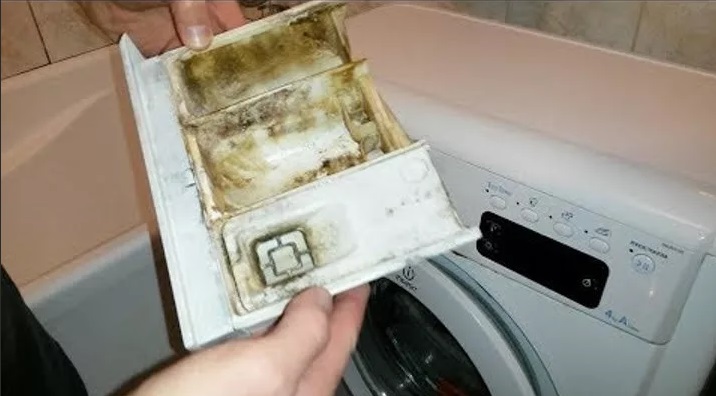
- pull the dispenser out towards you until it stops;
- with your free hand, press the tab located above the central compartment of the tray;
- Pull the cuvette further until it is completely removed.
You can clean the detergent drawer with citric acid. Fill a basin with hot water (50-60°C) and add 250 grams of citric acid. Stir the mixture until the granules are completely dissolved. Soak the drawer in the solution for a couple of hours. Then remove the drawer, clean it with a brush, wipe it with a cloth, and rinse.
When cleaning the powder dispenser, you can use special household chemicals or improvised means: citric acid, vinegar, soda.
The clean dispenser should be wiped dry with a cloth and reinserted into the housing. The niche has special guides along which the tray should be inserted.
Hatch rubber
Debris can clog the folds of the drum seal. It typically accumulates at the bottom of the rubber seal. Carefully inspect the seal, gently bending it with one hand and brushing out any debris with the other.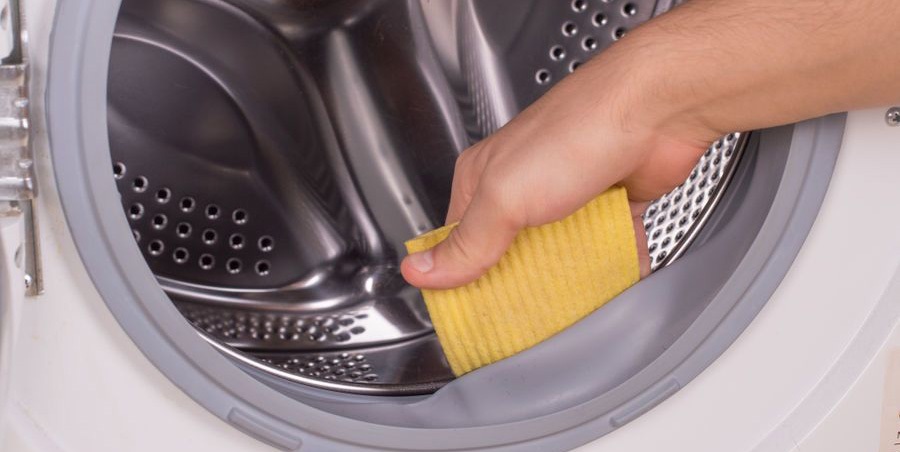
After cleaning the seal, it's recommended to treat the entire rim surface with bleach. Soak a sponge in a bleach-based cleaner and wipe the folds of the seal with the sponge. Close the machine door for 30 minutes to allow the cleaner to take effect. Afterward, rinse the seal with clean water and wipe dry. Do not use harsh acids to clean the seal. Harsh ingredients can damage the seal.
Cleaning the drain pump
Cleaning the pump is more difficult and usually requires a spouse's help. The drain pump will have to be removed, disassembled, and only then cleaned and cleared of debris. Before starting work, you should turn off the power to the washing machine, disconnect it from the water supply and sewerage system, and move it to the center of the room. The further algorithm of actions will be as follows:
- Drain any remaining water from the system by unscrewing the debris filter. Replace the element;
- carefully lay the automatic machine on its right side;
- Look under the bottom of the washing machine. You need to find the pump (small black circle), which is attached to the snail;
- Take a photo of the wiring diagram for the pump;
- disconnect the wires and contacts from the pump, unscrew the four bolts that secure it;
- remove the drain pump from the machine by gently rocking its body;
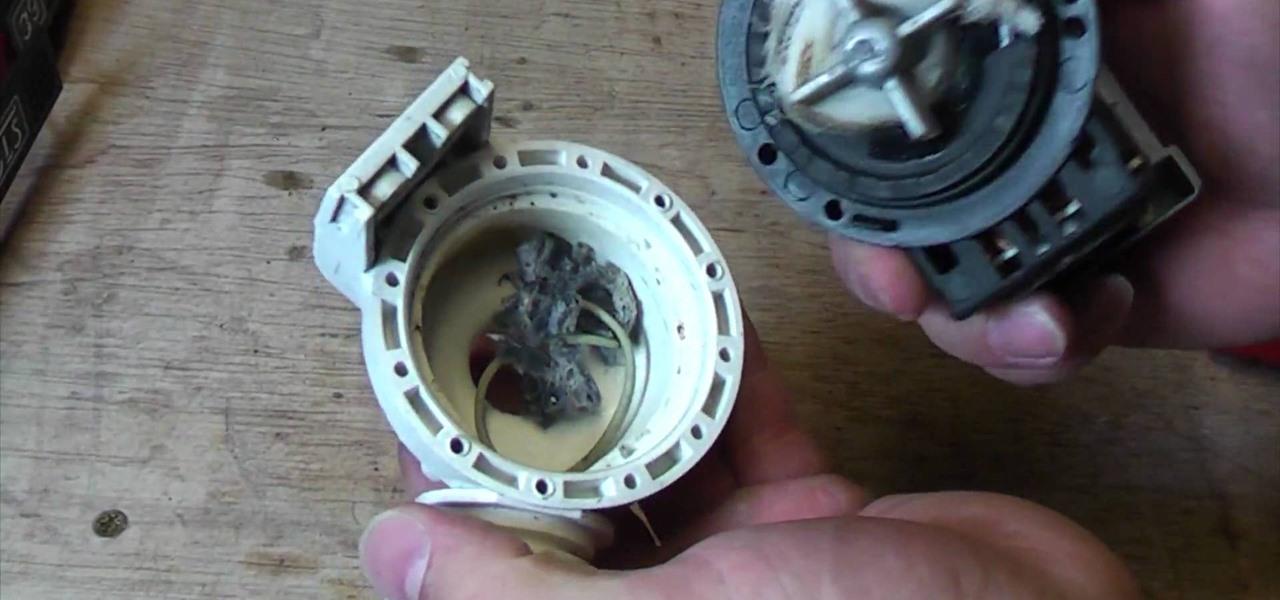
- Check the impeller; it should be free of debris. If hair or lint is caught on the blade, be sure to remove it.
- Disassemble the drain pump by unscrewing its housing. Clean any dirt from the internal components and reassemble the unit;
- Fix the pump to the snail, connect the previously removed wiring to the pump.
Some washing machine models have a non-removable drain pump. If the pump is severely clogged and the machine is unable to drain properly, the element will need to be replaced.
You may notice, upon removing the pump, that the impeller is starting to separate from the housing and become loose. Don't try to secure the ring with sealant or glue. In this situation, it's better to install a working pump.
Let's inspect the bottom of the tank
The most difficult part of the tank is cleaning the bottom. This is rarely necessary, for example, if you suspect a bra underwire or other dangerous object has fallen inside.
The easiest way to remove debris from the bottom of the tank is through the hole in the heating element.
The algorithm of actions will be as follows:
- unplug the washing machine;
- close the shut-off valve responsible for the water supply;
- drain the remaining liquid from the system through a waste filter;
- move the machine away from the wall;
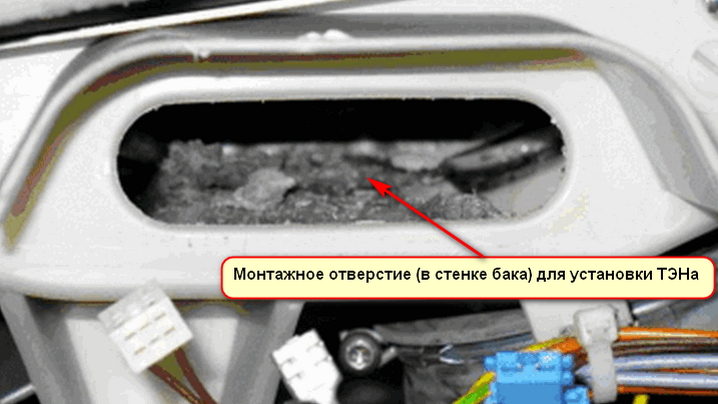
- unscrew the screws holding the back wall of the case;
- take a photo of the wiring diagram to the heating element;
- disconnect the wiring from the heater;
- remove the temperature sensor;
- loosen the locking nut and press the stud in;
- Carefully remove the heating element from the washing machine using rocking movements.
The resulting hole is large enough to clear debris from the bottom of the tank. Any foreign objects can be removed by hand or with a wire. All that remains is to replace the heater, secure it, install the thermostat, connect the wiring, and reassemble the housing.
Interesting:
Readers' comments
Headings
Washing machine repair




For buyers




For users


Dishwasher




Add a comment