
Cleaning a Zanussi washing machine
 An automatic washing machine comes into contact with water and detergents almost daily. This causes impurities and soap scum to accumulate on the internal components. Added to this are fabric fibers, hair, lint, and other debris that gets caught in the drum.
To prevent equipment breakdown and avoid risking your family's health, it's essential to periodically clean your machine. We'll explain how to clean a Zanussi washing machine and how often you should do this.
What activities does a complete cleaning include?
Systematic and comprehensive washing machine maintenance is essential. There's no point in cleaning just the detergent drawer once a month—that approach won't achieve the desired results. It's important to clean the machine regularly and thoroughly.
All housewives are recommended to do the following after each use of the appliance: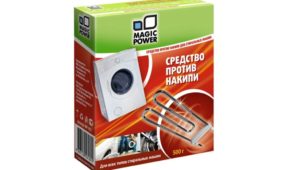
- wipe the drum walls dry to remove any water droplets and any remaining soap scum;
- take out the detergent drawer and rinse it in warm water;
- remove water and dirt remaining in the hatch door cuff;
- Wipe the machine body with a dry cloth.
"Superficial" cleaning procedures must be performed every time after using the washing machine. In addition, more "deep" cleaning procedures are also necessary periodically. Every three months, you need to clean the dust filter, and every six months, you need to clean the inside of the machine from dirt and scale.
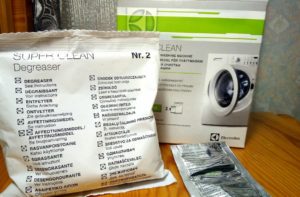
Twice a year, it is essential to carry out a comprehensive cleaning of your Zanussi washing machine using special products.
A thorough cleaning of your machine to remove dirt and limescale involves running a dry cycle and adding a special cleaning agent to the dispenser or drum. You can choose your cleaning solution—use a store-bought concentrate or budget-friendly life hacks.
When purchasing a product in the store, be sure to look for the "Anti-scale" label on the packaging. These products are sold as limescale preventers, but they are not suitable for a thorough cleaning of the machine.
Among folk remedies, baking soda, vinegar, and citric acid have proven effective in combating limescale. Their effectiveness is comparable to that of household chemicals.
The dosage of the cleaning solution is indicated on the packaging. Do not add the concentrate by eye. Excessive amounts of the solution can damage the rubber parts of the machine. Add the solution either to the detergent drawer or to the drum, following the instructions. Then, simply run the "idle" high-temperature cycle and wait for the program to finish.
While the machine is cleaning itself, it's best not to leave it. If there's too much limescale inside, a piece may break off and get stuck in the drain system, threatening the life of the machine. This will cause the washing machine to hum, and you may hear knocking and cracking sounds. In this case, stop the program immediately and clean the debris filter. Then you can restart the cycle.
Removing dirt from the bottom of the tank
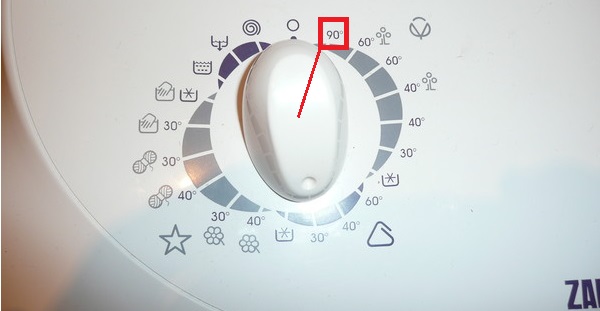
To remove dirt, run a standard wash cycle, adding any cleaning agent to the dispenser: citric acid, bleach, vinegar, or a special store-bought cleaner. The cycle should run for at least an hour and a half, with the water heated to 75-95°C. It's important that the drum is empty.
Next, rinse the washing machine two or three times. To do this, run a short wash cycle or the "Super Rinse" option. This is necessary to ensure that the detergent, along with any loosened dirt and limescale, is removed from the machine.
When using household chemicals for cleaning, strictly adhere to the dosage - large quantities of concentrate can corrode some parts of the washing machine.
You can also clean the inside of the drum manually. Follow these steps:
- wet a soft sponge or cloth;
- Wipe the walls of the drum with a wet cloth, moistening the metal surface;
- dip a sponge into a cleaning agent (special powder or gel);
- Treat the surface of the drum, paying particular attention to the plastic “ribs”, joints and edges;
- Close the hatch door. Leave the soapy drum to soak for one hour;
- Use a dry cloth to remove dirty foam;
- Rinse the machine by running any washing program.
A comprehensive cleaning is preferable—it will clean not only the drum but also the tub and various pipes. However, a manual cleaning of the washing machine is also a good idea.
Don't neglect standard cleaning
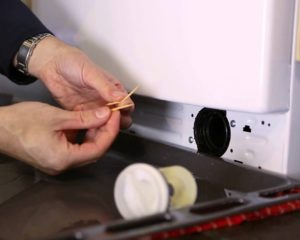
An essential step in a thorough washing of your washing machine is cleaning the waste filter and drain hose. Of course, it's even better to clean the pump, hoses, and impeller. It is in the drainage system that all the debris that gets into the drum accumulates, so special attention must be paid to cleaning it.
To clean the debris filter, follow these steps: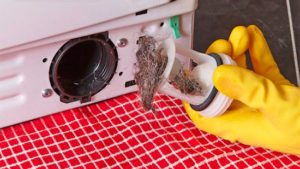
- turn off the power to the Zanussi washing machine, turn off the water supply tap;
- cover the floor around the machine with unnecessary rags;
- prepare a basin to collect water;
- remove the technical hatch door by releasing the latches;
- find the black plug of the "garbage bin";
- place a basin under it;
- rotate the filter from right to left one turn, drain the water;
- remove the filter element;
- Wash the "spiral" in a warm soapy solution. If necessary, you can soak the filter in water with citric acid added;
- Clean the seating area of dirt. Use a damp cloth to remove any debris stuck to the walls.
It's advisable to clean the drain pump and impeller immediately. To do this, lay the Zanussi on its left side (it's important not to lay it on its right side, otherwise water remaining in the dispenser could flood the control panel and cause a short circuit). The next steps are as follows:
- Use a flashlight to illuminate the bottom and find the pump;
- unscrew the impeller from the pump;
- remove any hair, threads and other debris from the blades;
- clean the pump itself and the snail from dirt;
- Fix the impeller in place and return the machine to its upright position.
Be sure to pay close attention to the drain hose. The corrugated hose should be detached from the trap and the machine body and rinsed under warm running water. If necessary, soak the drain hose for 30-50 minutes in a citric acid solution to ensure the removal of embedded dirt.
Some Zanussi washing machine models are equipped with an inlet filter. It's located in the inlet hose and serves to purify the water entering the machine. This filter bears the brunt of the washing process, trapping impurities. Therefore, it's important to clean it regularly.
To clean the inlet filter, turn off the water supply, disconnect the inlet hose, and remove the nozzle with pliers. Limescale and rust can be removed with a regular toothbrush and soapy water.
Powder container
The detergent drawer also requires regular cleaning. Detergent particles remain on the walls of the drawer, and impurities from tap water also settle there. Furthermore, mold grows very quickly in a humid environment. This is harmful not only to the machine, but also to your belongings and the health of your household.
The powder compartment must be rinsed and dried after each use of the washing machine.
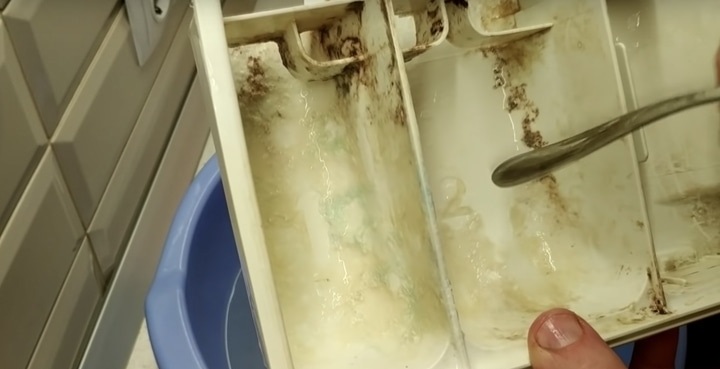
If you follow the instructions and rinse the dispenser regularly, this will be enough to clean it. If the tray isn't washed for a long time, removing the deposits will be more difficult. You'll need to soak the container in a citric acid solution or use vinegar and baking soda. If removing hardened powder with home remedies isn't possible, you can buy a special cleaner for plumbing fixtures. Apply the concentrate according to the instructions.
Interesting:


1 reader comment
Add a comment
Headings
Washing machine repair




For buyers




For users


Dishwasher




Why the hell did I buy a Zanussi Lindo 100? Do I have to disassemble the machine to get the dust bin? There's a plastic part in the drum, but it won't open. It's a vertical machine.