
How to choose a dishwasher based on parameters?
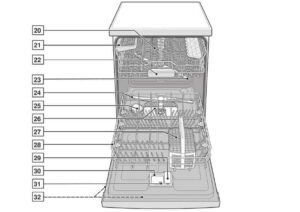 In reality, choosing a dishwasher turns out to be more difficult than expected. Particularly discerning buyers spend months searching for a new "home helper," searching for the perfect option that meets all their requirements. This is especially difficult for those buying such equipment for the first time.
It's recommended to select a dishwasher based on parameters. This means first considering which criteria are most important to you: color, cost, size, capacity, etc. Let's look at which technical specifications are essential to consider.
Appearance
When choosing a new dishwasher based on its specifications, determine which factors will be decisive for you. Most often, buyers are primarily concerned with the machine's price, its features, and size. Some also consider energy consumption, the presence of a display, and ease of repair.
Dishwashers in the same price range typically have similar designs. Furthermore, the doors of built-in dishwashers are equipped with special fasteners for hanging the front panel. This means the cabinet is often hidden within the cabinetry. Therefore, few buyers pay attention to the appliance's appearance.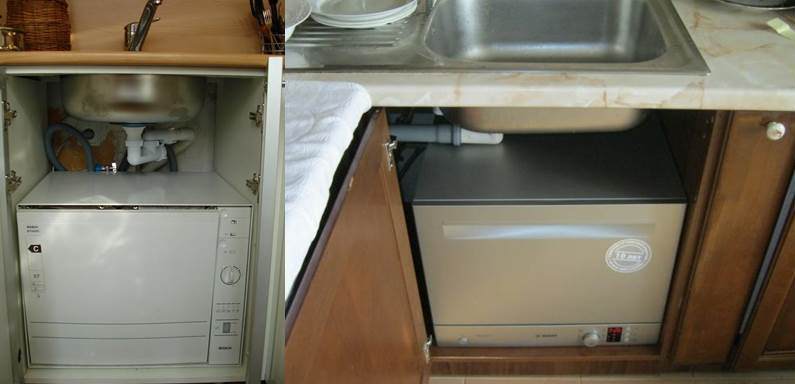
When purchasing a freestanding dishwasher, appearance is important. Buyers typically opt for white units, which blend in with virtually any interior. If your kitchen is a stark black, choosing a dark-colored dishwasher is entirely possible—home appliance stores offer a wide selection.
Dimensions of the case
When choosing a “home assistant”, much attention is paid to its size. On sale you can find narrow dishwashers, 45-50 cm wide, and full-size machines (60 cm). The height is typically 85 cm and can be adjusted using feet. This is very convenient if you need to position the unit flush against a countertop. Standard models have a depth of 60 cm.
The main difference between a narrow and a standard dishwasher is the number of place settings that can be loaded at one time.
Typically, a narrow dishwasher can hold no more than 9-10 place settings at a time. A 60 cm wide dishwasher can hold up to 17 place settings. Therefore, if you have a large family, it's best to opt for a full-size dishwasher.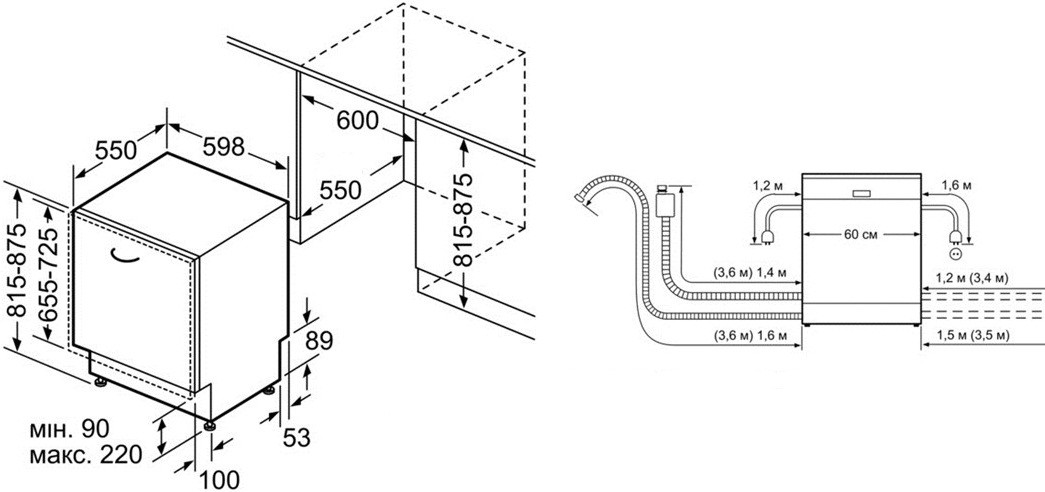
If your kitchen is small, consider compact dishwashers. They come in both built-in and freestanding versions. These machines are approximately 45 cm tall, making them suitable for even the smallest spaces. Due to their compact size, they can accommodate no more than 5 place settings.
Choosing a built-in or freestanding dishwasher is a matter of personal preference. Consider your kitchen vision. Is it acceptable for the appliance to be visible, or do you want to hide your "home helper" in a cabinet?
When it comes to dishwasher capacity, you need to consider your family's needs. If you have five people, a narrow dishwasher won't suffice—it's better to buy a full-size unit that can wash up to 16 place settings at a time. If you're planning on using the dishwasher for a working couple, a machine that can wash 7-8 place settings will be sufficient.
Size of baskets and washing chamber
The description of any dishwasher always includes information about its capacity. This parameter indicates how many cutlery items can be loaded into the chamber at one time. Today, the market offers machines that can accommodate from 4 to 16-17 sets of dishes at a time.
What do manufacturers mean by a single cookware set? It's a set of kitchen utensils consisting of seven pieces. Specifically: three plates (for soup, a main course, and a salad), a spoon, a fork, a mug, and a bread saucer.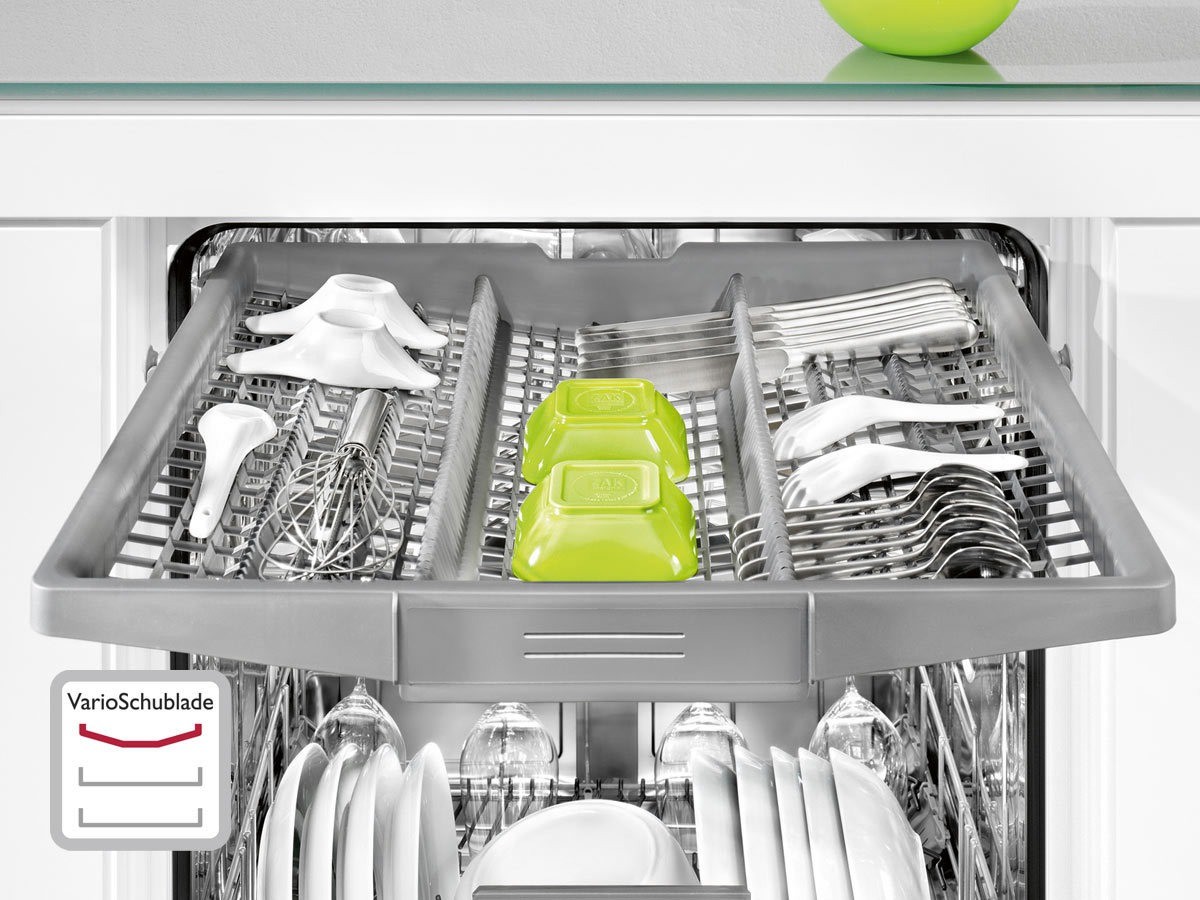
This indicator is convenient for comparing different dishwasher models. It helps you understand which machine has the larger capacity. However, the number of place settings is quite unrealistic, as the appliance also includes pans and pots, which the manufacturer doesn't take into account.
Compact dishwashers have the simplest design. They have only one basket for dishes. This basket can accommodate an additional basket for spoons, forks, and knives.
Dishwashers of standard height (around 85 cm) may have one of the following "fillings":
- Classic. It features two pull-out baskets: a lower one for larger dishes and an upper one for smaller utensils. A separate tray for forks and spoons is provided in the lower section;
- Modern. This involves three baskets: a lower one (for pots, pans, and saucepans), a middle one (for plates and mugs), and an upper one (a pull-out tray for spoons, forks, and knives).
Consider which option would be most convenient for you. With a classic layout, spoons, knives, and forks are placed vertically in the basket, while with a modern layout, they are placed horizontally in the tray.
Filter types and media recognition
Every dishwasher has a filter located in the center of the base of the dishwasher. It collects food residue, grease, and small debris. About every two months, the filter needs to be removed and cleaned, otherwise the water circulation in the system will be disrupted.
If you don't want to clean the filter regularly, consider dishwashers with a self-cleaning element. This type of filter doesn't require manual cleaning; the machine does everything automatically.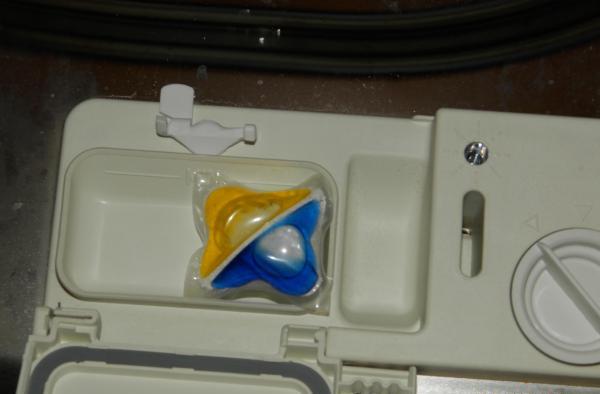
The main tools used by dishwasher users:
- salt;
- rinse aid;
- dishwashing detergent (powders, tablets, capsules, gels);
- cleaning compounds for the machine itself (for antibacterial treatment, prevention of scale formation, etc.).
It is advisable to buy dishwashers that can recognize all types of detergents.
Any dishwasher can recognize salt, rinse aid, and washing powder. If you plan to use tablets or capsules, look for models with a special compartment. Cheap machines may not be configured to handle pressed detergents.
Salt is essential if you live in a region with hard tap water. This can be easily verified if you boil unfiltered tap water. Open the lid and look inside the kettle – traces of scale on the bottom and walls indicate high water hardness.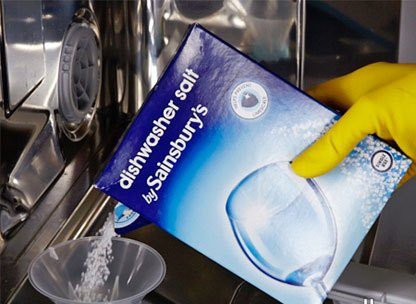
There's an arrow on the salt reservoir cap. Use it to adjust the amount of salt dispensed into the machine. If your water is very hard, it's best to set it to the maximum amount. If it's moderately hard, the indicator moves toward the middle.
Some dishwashers can automatically calculate water hardness and dispense the required amount of salt based on this. These are typically premium, "smart" models, and they're not cheap.
Resource consumption
Be sure to pay attention to the dishwasher's energy efficiency rating and how much water it uses per cycle. These figures will tell you how economical the dishwasher is. It is advisable to choose models with an energy efficiency class from “A+” to “A+++”. Such machines will “eat” significantly fewer kilowatts.
In the dishwasher's description, the manufacturer specifies both the energy efficiency class and the actual kilowatt consumption per cycle. Even when selecting a dishwasher, you can calculate how much electricity the appliance will consume monthly and choose the option that suits you best.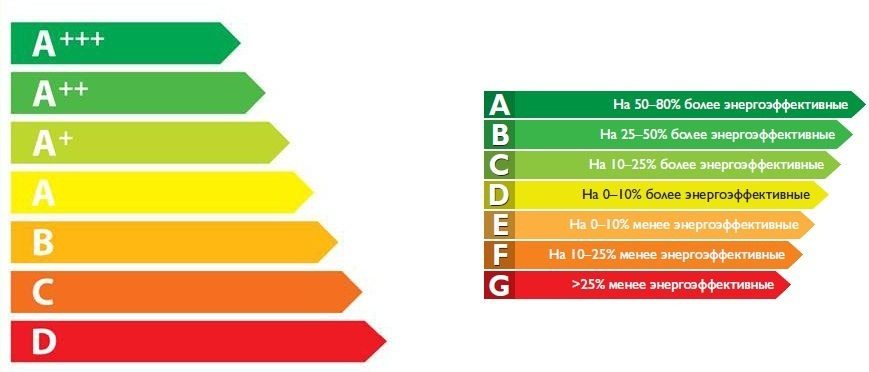
Testing also determines the machine's actual water consumption per wash. Energy-efficient models use no more than 15 liters. Standard dishwashers use an average of 20 liters of water, but this is more economical than washing dishes by hand.
Dishwashers that can be connected to a hot water supply are available in stores. These machines use less energy because they use warm water directly for cleaning. However, many users report that the cleaning quality is poorer with these machines.
User interaction
Any dishwasher is controlled using a set of buttons located on the control panel. These buttons can be either mechanical or touch-sensitive. Some models also feature a display that displays all cycle information.
Of course, dishwashers with a digital display are more convenient to use. The screen shows the remaining minutes of the program and displays an error code in the event of a malfunction. However, these models are more expensive than their counterparts without a digital display.
Dishwashers without a display have various indicators on the control panel. Each LED corresponds to a specific operating mode. When the machine detects a system malfunction, it also notifies the user by flashing specific lights.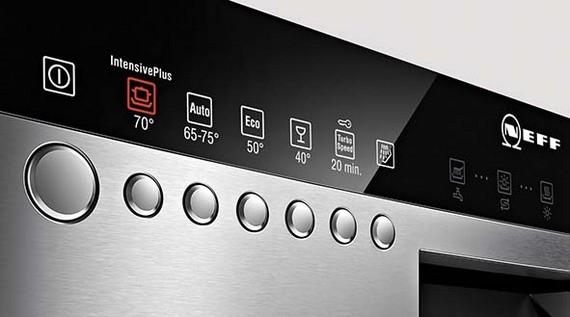
The dashboard features salt and rinse aid level indicators, making it easy to check the level of the salt and rinse aid dispenser and refill as needed.
Many modern dishwashers feature a floor-mounted indicator. Built-in models feature a light beam. This allows you to see whether the machine has finished washing without opening the door. The light glows while the cycle is running and then turns off or changes color.
More advanced dishwashers even project the time remaining until the end of the program onto the floor.
Check if the dishwasher has interior lighting. It's easier to load dishes when the bin is illuminated from the inside. However, this is just an optional extra that makes using the appliance a little more convenient.
A set of basic and additional modes
For many buyers, the programs stored in their dishwasher's memory are crucial. This factor often determines their choice of a particular model. On the other hand, even with a variety of modes, homeowners typically select two or three basic programs (quick, standard, or intensive), without taking full advantage of the appliance's capabilities.
Let's figure out what programs a modern dishwasher can offer.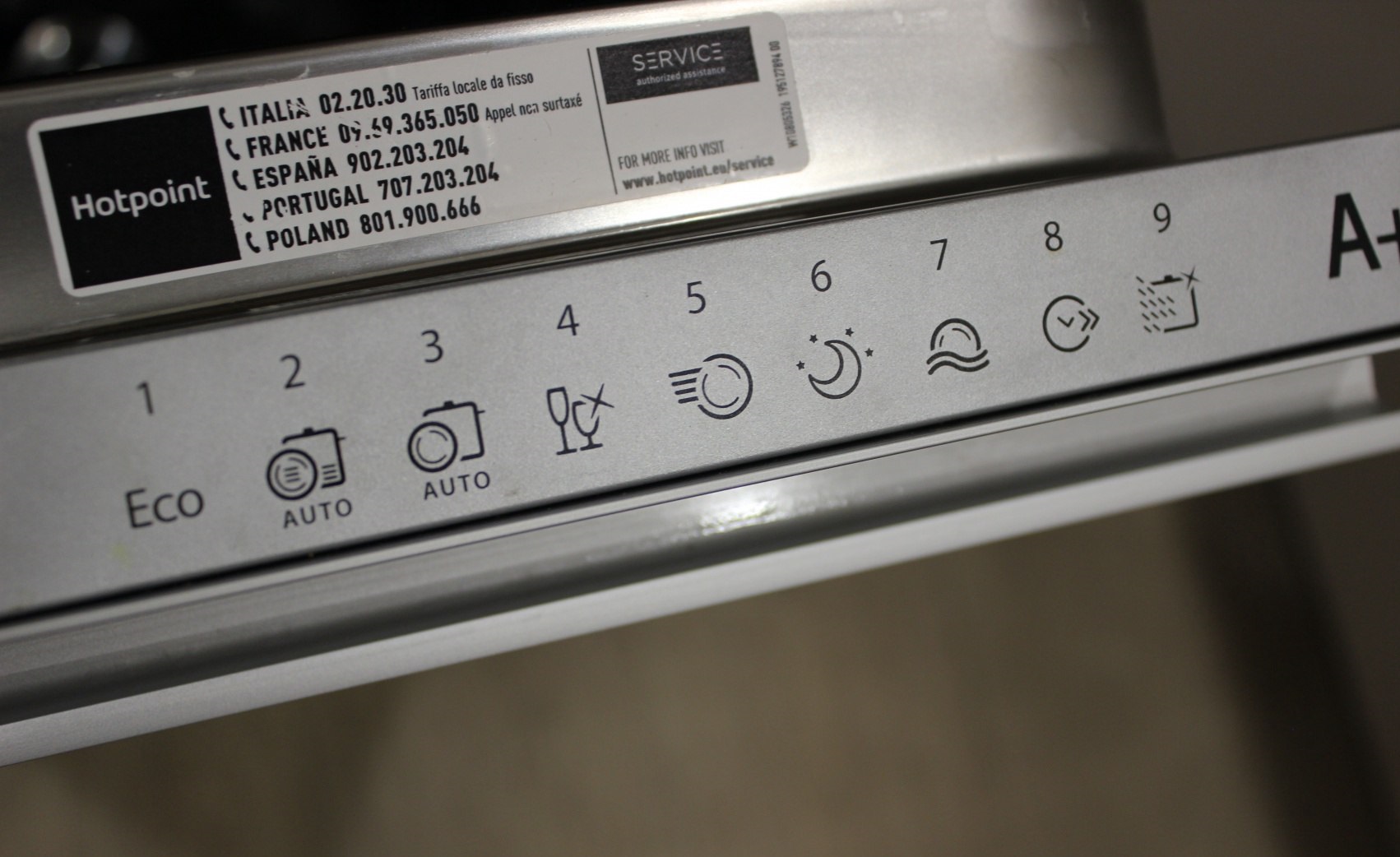
- Automatic mode. The machine automatically determines the optimal cycle settings, washing the cutlery until it deems them clean. These machines are equipped with a water clarity sensor.
- Bio-mode. A program designed for washing with special detergents containing bio-additives.
- Express wash. An algorithm designed for lightly soiled dishes.
- Intensive mode. This program is designed for heavily soiled dishes. Water is heated to the highest possible temperature. Ideal for washing pots, baking sheets, frying pans, and stubborn dishes.
- Delicate program. Ideal for delicate dishes, such as glasses and crystal. Suitable for washing cutlery that does not tolerate high temperatures well.
- Economy mode. Suitable for washing dishes with medium soiling. Water is heated to 50-55°C, reducing energy consumption by 20-25%.
- Rinse. This mode is used to lightly rinse the dishes loaded in the dishwasher with water. This may be necessary if you plan to start the cycle later but are concerned about the cutlery becoming sour during this time.
Some machines have a "half-load" program. This should be run when the washing chamber is half empty. This will prevent excess water and energy consumption.
A delayed start timer is considered a useful feature. Most modern dishwashers have this option. It allows you to set a specific start time for the cycle. For example, you could load the machine before bed and set it to start 3-4 hours later. This delay is especially convenient if your apartment has dual-rate meters. It's advisable to choose dishwashers with full leak protection. These models not only have a water level sensor in the tray, but also a special inlet hose that quickly responds to leaks.
More expensive models are equipped with a water purity sensor. These machines can automatically adjust the cycle settings based on the soil level of the dishes. When choosing a dishwasher, you should also consider the noise level it produces during operation.
Therefore, when choosing a new dishwasher, it's worth considering not only price and capacity, but also the manufacturer, the range of basic programs and special features, efficiency, and repairability. It's also a good idea to read customer reviews. This will help you find the perfect dishwasher.
Interesting:


Readers' comments
Headings
Washing machine repair




For buyers




For users


Dishwasher




Add a comment