
Is it possible to run a washing machine through an extension cord?
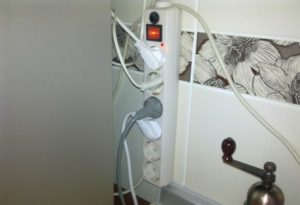 Sometimes life forces you to connect your washing machine through an extension cord. Not every bathroom is equipped with a protected, moisture-resistant outlet, or the washing machine's factory cord doesn't reach the nearest power outlet. The only option left is to use an adapter.
But what seems like the right solution turns out to be problematic: the intermediate wires can't handle the circuit breaker's considerable load or pose a danger to residents. We'll explain in more detail the disadvantages of extension cords and what alternative to choose.
Why is an extension cord prohibited?
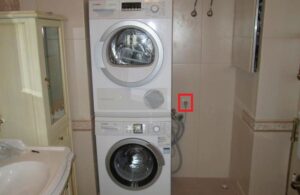
In modern apartments, connecting washing machines to the power grid is virtually hassle-free. Developers carefully consider bathroom layouts, providing multiple waterproof outlets for convenient and safe installation of appliances. However, in older buildings, utilities are less well-established: the power outlet is standard or located far away, in a hallway or room. If remodeling the space is not an option, the only option is to install an extension cord.
The idea is simple: go to the nearest hardware store, buy the first extension cord you find, and plug it into your washing machine. There's just one problem: doing so is strictly prohibited. This point is spelled out in every manufacturer's instructions.
Manufacturers strongly advise against connecting a washing machine through an extension cord—it's dangerous to human life and health!
Connecting via an extension cord is considered dangerous for several reasons:
- Often, an extension cord is purchased that is not of the appropriate power, or more precisely, one that is too “weak” for the equipment;
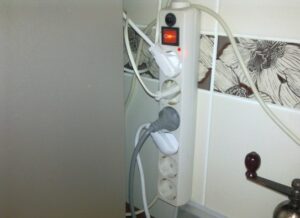
- a live "extension" is lying on the threshold, next to the washing machine or in the hallway and can cause an electric shock if it comes into contact with water or is touched;
- the cord thrown over to the outlet under the door often gets frayed, pinched and bent, the insulation gets damaged, the wires get exposed and pose a threat to the life and health of residents;
- other devices are unknowingly plugged into the extension cord at the same time, which overloads the network and results in an emergency power outage;
- Constant use of different types of plugs, especially those with pins that don't match, can cause the extension cord to become loose and prevent proper current flow.
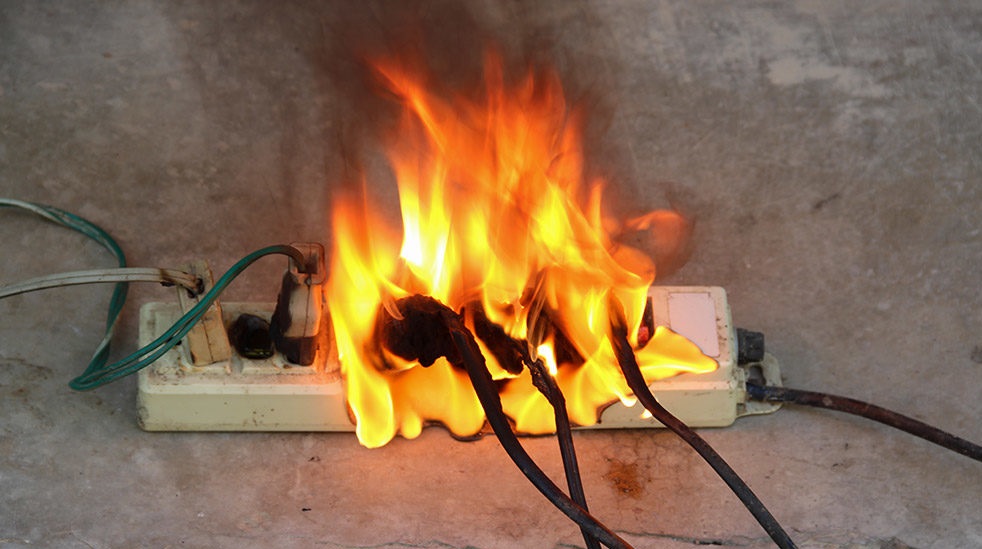
Electricity is nothing to mess around with. The human heart operates on electrical impulses, and even a small external power surge will cause cardiovascular problems.Fire hazards should also be considered: damaged insulation and exposed wires can lead to equipment fires with subsequent consequences.
Washing machine manufacturers warn users and include electrical connection requirements in their instructions. These include a DC power supply of a specified power level, grounding, and protection from moisture. Extension cords, in most cases, do not meet these requirements.
Just in case
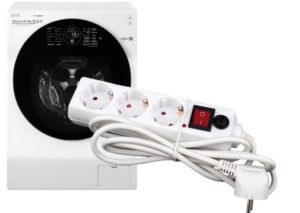
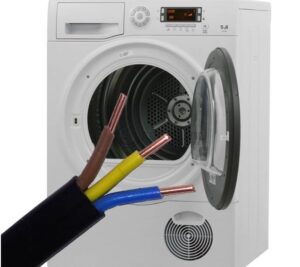
A washing machine requires a dedicated outlet, but while it's being installed, an extension cord can be used as a temporary solution. However, the connection via an adapter must be properly configured. Don't buy just any old one or use an old household one—a high-quality extension cord with sufficient cross-sectional area is essential. It's important to ensure it meets several key specifications.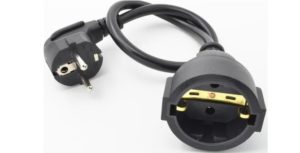
- Wire cross-section. The circuit breaker places a significant load on the network, which can be handled by a conductor with a core diameter of at least 2.5 mm.
- Separate use. The washing machine requires its own extension cord.
- Sufficient length. Calculate the distance to the outlet immediately and purchase an appropriately sized adapter. Using multiple extension cords is not recommended.
- Quality. The Pilot brand has a proven track record of offering high-quality electrical products that meet all standards.
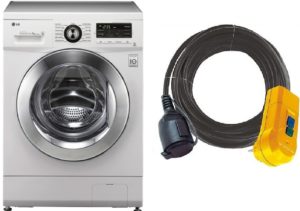
- Safety. It's important that portable devices be protected from moisture and surges. Grounding will prevent equipment from burning out due to power surges and leaks.
It's important to understand that connecting via an extension cord, even a high-quality and protected one, is a significant risk. It's best not to delay or experiment, but to establish a full-fledged outlet with a separate RCD.
Why do you need additional protection for the socket?
Every electrical appliance is considered a consumer, and a washing machine is no exception. Unlike a phone charger or computer, which consume little power, a washing machine consumes a lot and places a significant strain on the electrical system. It's also important to note that the machine operates in a humid environment, making it a high-risk appliance. This cannot be ignored—it's far safer and more prudent to recognize the machine's "weight" and protect it with an RCD.
Ideally, you should pay attention to the appliance's power consumption when purchasing it. The amount of power consumed is always specified in the instructions, and the more features the appliance offers, the greater the load on the electrical system and the risks involved. For example, a washer-dryer with a wash-rinse-spin-dry cycle consumes 1.5 times more power than a standard washer-dryer. In this case, you should consider purchasing not just one, but several machines.
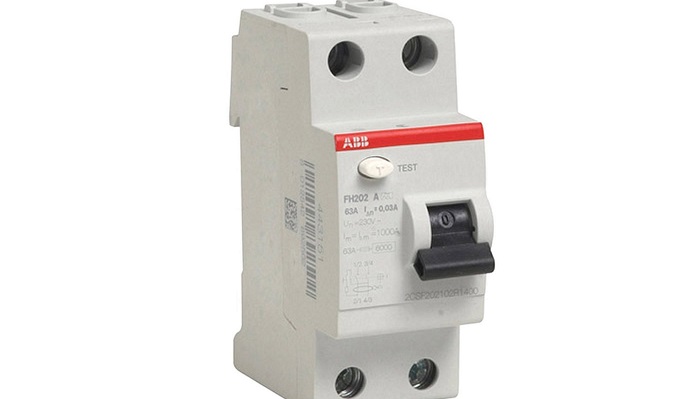
An RCD or residual current device can detect network overload and immediately cut off the power supply to the device, preventing leakage or fire. If someone touches a damaged conductor or moisture gets into the outlet, the switch will trip and the power will be cut off.
This "chain reaction" is possible thanks to a special design. The machine consists of the following parts:
- transformer;
- relay that breaks the starting circuit;
- a device capable of testing a network in automatic mode;
- electromagnetic cutoff (available in modern devices).
Unlike old-fashioned fuses and fuses, RCDs are reusable and don't need to be replaced after each failure. The main thing is to fix the problem after a failure and return the circuit breaker to its normal operating mode.
Which device is suitable?
As time goes on, conventional RCDs are no longer able to protect equipment and people from all risks. Electricians now recommend choosing more reliable and safe devices—residual current circuit breakers (RCCBs). These are improved circuit breakers, enhanced with fire-safety circuit breaker functions.
Previously, RCDs and circuit breakers were connected in series to provide comprehensive protection. Today, residual-current circuit breakers (RCDs) combine these two devices. The device is expensive, so choosing one requires careful consideration. Professionals advise buying an electromechanical one with a 0.03 A rating. There is also a fully electronic 0.01 A: it is more expensive and is installed mainly in technical rooms.
Interesting:
Readers' comments
Headings
Washing machine repair




For buyers




For users


Dishwasher




Add a comment