
How to connect and install an Indesit washing machine
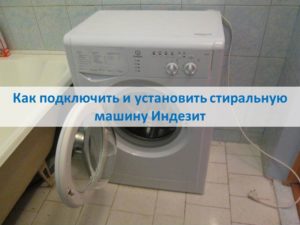 Buying a new washing machine is only half the battle, as your "home helper" needs to be properly installed and connected to the power supply, water supply, and sewer system. You can call a service technician for help, or you can do it yourself. Doing this without outside help is easy, provided you have a standard set of wrenches, a clear head, and careful hands. We'll cover the details of connecting and installing an Indesit washing machine yourself below.
Where to put the car?
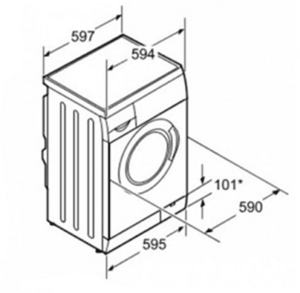
Logically, the question of the new washing machine's future location should have been answered before purchasing it. This decision will dictate the need for a removable lid or specific dimensions. But even without prior consideration, arranging the washing machine's layout is easy – modern washing machine configurations allow for hassle-free experimentation and swapping out the original location. However, placement options are limited.
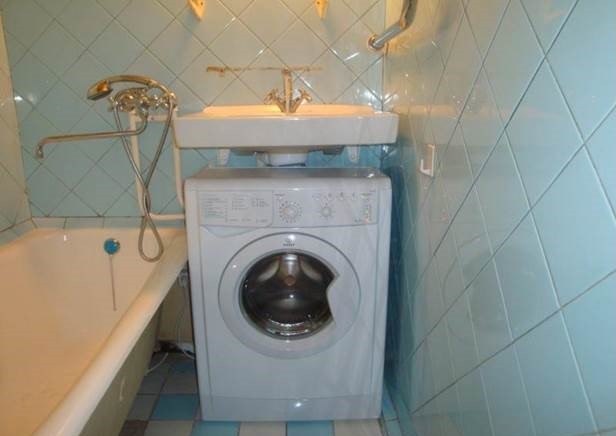
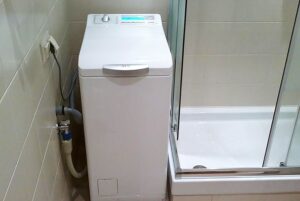
- Bathroom. The most popular and optimal option due to its accessible utility connections and ease of use. Even a small bathroom doesn't hinder installation: compromises can be found by installing the machine under the sink or purchasing a compact, vertical unit. But there is a big “minus” – high humidity, which violates the standards for safe and long-term operation.
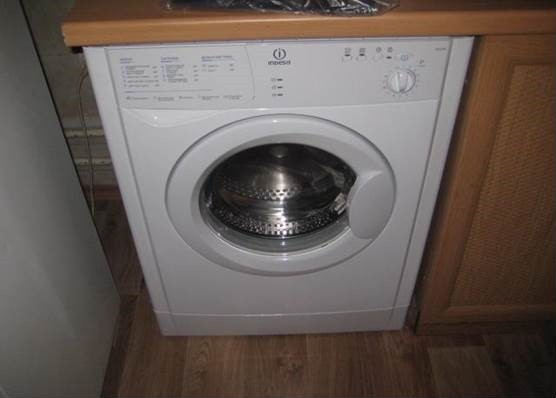
- Kitchen. Many choose built-in models for installation in kitchen units or place the new unit next to the refrigerator. This option offers fully functioning ventilation, adequate humidity, and ample space.
- Hallway and storage rooms. If there are empty niches in the hallways, they can also be used to house a washing machine. Even better, hide it behind a door or in a closet.
There are also less popular options. Residents of dorms and hostels, due to lack of other space, are forced to install the washing machine in the sleeping or dining area.
It all depends on the possibilities and features of the apartment layout.
The main thing is that the following conditions are met:
- water supply and sewerage are nearby or easily connected;
- the nearest moisture-resistant socket is no more than 1-1.5 meters away (this is the average length of the cord);
- the floor does not sag or tilt (concrete or tiles are best);
- the door opens freely and there are no problems with access to the control panel and powder receptacle;
If there are no obstacles to using the washing machine, feel free to plan the addition of a new "tenant" to your interior. If necessary, connect the sewer line to the selected area. Once the final decision is made, we move on to the next stage – preparing for connection and installation.
Mandatory preparation of the machine
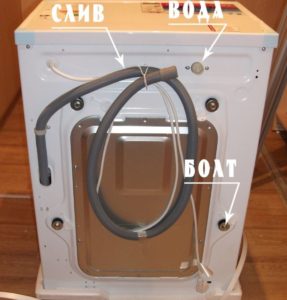
The DIY installation instructions begin with straightforward steps: reading the instructions, unpacking, removing the foam frame, film, tape, and other protective devices used to protect the machine body during transport. Next comes unscrewing the shipping bolts and filling the resulting "gaps" with special plastic plugs. These are always included in the kit.
Finally, we move the unit to the intended installation location. Don't immediately place it in a cabinet, under a sink, or flush against a wall—all utilities must be connected and routed first. Residents who enjoy cleanliness may want to wash the floors in the designated area, as regular cleaning will be difficult later. It's also recommended to bring a tool kit in advance.
We organize drainage
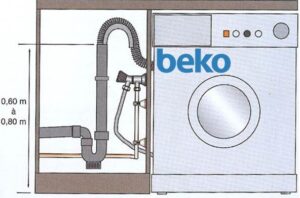
To fully connect our machine to the water supply and sewer system, we need to do two things: set up the drain, and then the water supply. First, let's set up the drain. There are several options: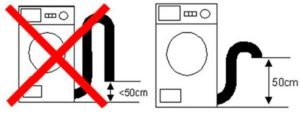
- Connect to the drain pipe through the siphon. To do this, place the hose on the siphon and secure it with a metal clamp;
- connect the drain and the pipe directly, insert a special rubber cuff into the sewer and stick the washing machine hose into it;
- Using a container is the simplest, but inconvenient and unsightly method, where the hose is hung over a bathtub, toilet, sink, or deep basin. Suitable as a temporary or emergency measure.
Please note! If the drain hose is not long enough to connect to the sewer system, it is not recommended to extend it with nozzles – the supply pipe must be extended.
In any case, first read the instructions that came with the washing machine. The technical documentation for some models specifies the permissible height of the hose connection. Most often, the minimum height is 50 cm from the floor, but it's best to check the specifications in the technical data sheet.
We organize the water supply for the machine
The next step is establishing the connection to the water supply. A special inlet hose is provided for this purpose. It's important to check that it's included with the factory kit, as it may sometimes need to be purchased separately.
- We find the curved end of the hose and screw it to the washing machine.
- We inspect the water pipe and look for the connection to the machine (a special branch with a tap or a separate pipe).
- If there is none, we do it ourselves: unscrew the flexible hose and screw in the tee.
- If hot water connection is necessary, repeat the steps with the second supply.
No additional wrenches are required to tighten the fasteners. Plastic nuts are used for water supply connections and are hand-tightened only.
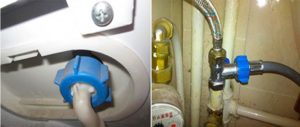
If the washing machine is installed in a private home without a running water supply, there are other options. One is to connect the inlet hose to a water tank suspended 1-3 meters above the ground. Another is to purchase and set up your own pumping station.
The body must stand level.
It's important not only to install your Indesit washing machine but also to level it with the floor. This ensures stability, preventing excessive vibration, knocking, and "jumping" around the room. If you ignore this step, even the automatic imbalance control won't help, and the machine will sooner break down and require repair.
Leveling is accomplished using adjustable feet, allowing for straight lines even on uneven floors. The adjustment process looks like this:
- Place a building level on top of the washing machine and, using it as a guide, unscrew or screw in the legs;
- we lower our hands to the corners and slowly rock the equipment (if there is no vibration or strong rocking, everything is done correctly, otherwise, we go back and repeat the adjustment);
- We tighten the fixing nuts on the legs using a suitable wrench.
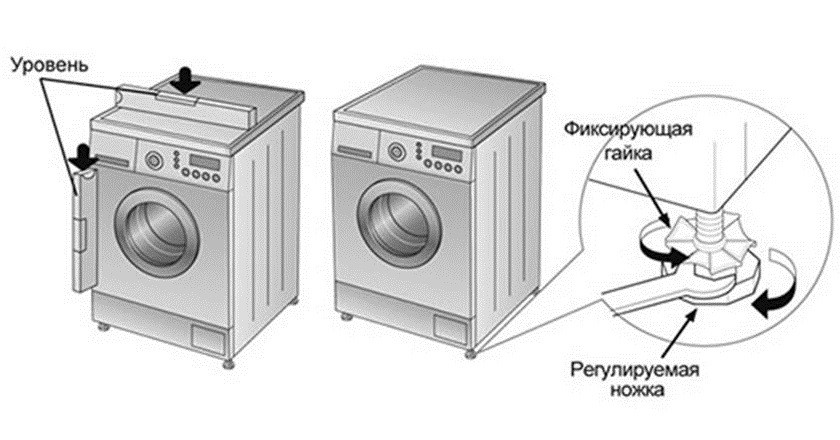
The best test is to run the machine on maximum spin. Even at high speeds, the machine shouldn't move on its own. Special vibration-damping attachments, available at service stores and supermarkets, are also a good idea.
Requirements for electrical communications
Before plugging in the power cord and starting the first cycle, it's a good idea to check that the electrical connections comply with safety regulations. Any errors or potential hazards should be corrected to prevent short circuits or electronic failures. The following recommendations are recommended.
- Provide a separate outlet with a reinforced cable of a large cross-section and an individual output to the machine.
- Do not use extension cords.
- Provide grounding with a corresponding wire in the electrical network or connect an RCD with a cut-off current of at least 10 mA (for the bathroom) and 30 mA for other rooms.
- For bathrooms, use special moisture-resistant sockets with a lid.
- Protect your washing machine system from voltage surges or short-term power outages by installing a stabilizer in the circuit.
- Make sure that the conductive cord is not kinked or compressed along its entire length.
This completes the installation and connection of your new Indesit washing machine. All that's left is to run the machine in an "empty" mode for at least an hour without adding any laundry. This will not only test the water supply, ensure proper drainage, and ensure a reliable power supply, but also remove any factory grease and store odors.
Interesting:
1 reader comment
Add a comment
Headings
Washing machine repair




For buyers




For users


Dishwasher




I am very dissatisfied with the purchase of Indesit 51051, a very bad model.