
How to install and connect a Samsung washing machine
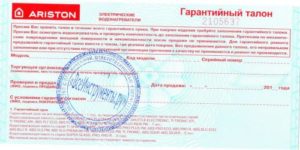
 When purchasing a new washing machine, the first question a buyer might ask is whether they can install the appliance themselves or whether it's better to call a qualified technician. In some cases, the washing machine manufacturer prohibits DIY installation, and if this requirement is violated, the washing machine's warranty will be voided. Therefore, before connecting your Samsung washing machine, it's important to clarify this important detail with the seller. If there are no restrictions, feel free to proceed with the installation without calling a qualified technician.
Let's check the equipment
Whether you're purchasing a washing machine from a home appliance store or ordering it for home delivery, be sure to inspect the machine before paying for it or signing the delivery papers handed to you by the courier. In the presence of the delivery person or sales representative, open the original packaging and carefully inspect the body, ensuring it is free of scratches, chips, dents, and other defects.
Equipment is often damaged during delivery, when unscrupulous employees hit it while transporting it or lifting it into an apartment. If you find a mark from an impact, peeling paint, or anything else on the machine, do not sign for the unit under any circumstances, but ask for a replacement. If the washing machine is safe and sound, you can safely sign the acceptance certificate and let the courier go. However, remember to have the phone number of the store where you purchased the washing machine so that if you discover a problem, you can contact a representative and resolve any issues.
Before connecting the washing machine, plug the power cord into the socket, check whether the lights on the digital display and control panel light up, and whether the program selector responds to your actions.
Getting ready to connect
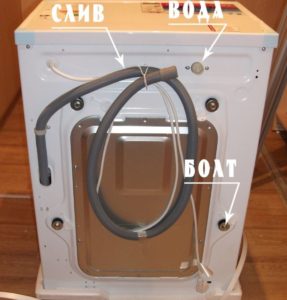
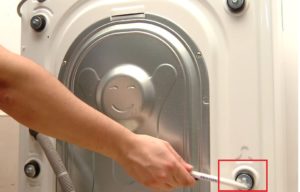 Once the delivery staff has left, you can proceed to the next step: removing the special shipping bolts. You can find them on the back of the washing machine. They are designed to secure the drum, preventing it from dangling during transport. Until the fasteners are removed, the drum will not rotate. Starting a wash cycle without removing the shipping bolts may cause damage to the washing machine.
You can remove them using a regular wrench or pliers. After removing the bolts, plug the resulting holes with the plastic plugs provided with the machine.
Caution! Before starting work, carefully read the instructions included with the unit. This information will help you avoid any improper actions that could damage the machine.
Where are we going to put it?
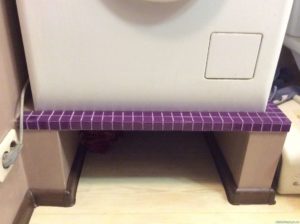 Before connecting the washing machine to the utility lines, you need to allocate a space for it. In most cases, the installation location is chosen in advance, and even the washing machine's dimensions are selected based on the available space. Therefore, you won't have to think too much about it; the appliance is typically installed either in the bathroom or kitchen area.
If you're purchasing a built-in washing machine, it's worth considering the door's design in advance. The door should be the right size, match the surrounding interior, and hang freely on the machine's designated hinges.
It is important to pay attention to the floor covering that will be located under the washing machine. Ideally, it would be strong and durable concrete or tiles. If the washing machine has a wooden floor underneath, it should be properly reinforced. It's not recommended to install a washing machine on laminate flooring, as a leak could cause the flooring to bulge and require replacement.
Important! When choosing an installation location, ensure the hoses are long enough to reach the utility connection points.
So, having prepared a level area, having determined that the machine will fit in it, having measured the length of the hoses and having made sure that they will easily reach the water and sewer pipes, you can begin connecting the washing machine.
Let's start with the electrical network
According to safety regulations and building codes, a separate electrical outlet of the appropriate voltage must be provided for the washing machine. The electrical outlet must be grounded and properly protected from moisture. Modern washing machines typically offer a high level of protection against electric shock, but it's always a good idea to be on the safe side.
In most models, the length of the power cord does not exceed 1.5 meters, so the socket should be provided as close to the washing machine as possible. Of course, you can use an extension cord with a waterproof plug, but this is not as safe as plugging the device directly into an electrical outlet.
Grounding the electrical outlet is essential to prevent minor electric shocks, which can occur due to the low voltage applied to the washing machine's casing. While these shocks pose no serious danger to humans, they can be very unpleasant. Therefore, we strongly recommend using grounded outlets to protect yourself and avoid these unpleasant sensations.
Connecting to the water supply system
In most cases, the water intake hose of automatic washing machines is connected to the cold water supply. Some models are designed to connect to hot water, but this is highly questionable and offers few advantages. Every washing machine has a heating element, which is used to heat the water to the desired temperature. The disadvantages of directly drawing hot water are obvious:
- It's more polluted than cold water. Therefore, using water from a hot water supply system can lead to more frequent filter clogging;
- It is characterized by higher hardness, and to maintain the washing quality at the proper level, you will have to use more detergents.
 Therefore, if the manufacturer of your washing machine does not provide the ability to immediately draw hot water, then don’t even bother with it; it’s not very useful.
The easiest way to connect appliances to the water supply and sewer system is through existing outlets. This is possible when simply replacing an old washing machine with a new one. In this case, the pipe already has a tap with a valve to shut off the water supply; you just need to attach the new hose. After connecting the inlet hose, all that remains is to open the tap and check the reliability of the connection.
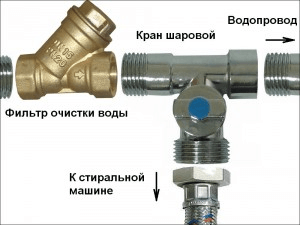
Things are a bit more complicated when there are no existing utility lines. Then you'll have to make the necessary tapping yourself, install a tee, and then connect the inlet hose. When connecting the washing machine to the water supply yourself, keep the following in mind:
- you need to use the supplied hose;
- the water pressure in the pipe should be from 0.5 to 8 atmospheres;
- It is necessary to provide a separate valve that will turn the water supply to the drum on and off.
One important tip: keep the water supply tap to the washing machine closed and open it only before starting the wash cycle. This will help prevent leaks.
We organize the discharge of waste water
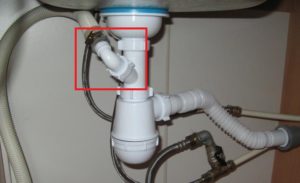 Some users don't want to bother with connecting the drain hose to the sewer pipe; they simply lower it into the bathtub or sink, and the wastewater drains into it. While this is the simplest method, it's also quite unsightly. It quickly leads to dirty surfaces on the bathtub and sink, clogged drains, and the need for much more frequent cleaning and disinfection.
Of course, it's much better to connect the hose to the drain hose nipple. Most modern drain hoses have an additional outlet called a nipple. When not in use, it's sealed with a special plug. Simply remove this plug, insert the end of the drain hose, and secure the connection securely with a clamp.
Important! When connecting, ensure the drain hose has a bend to prevent unpleasant odors from the sewer pipe from entering the washing machine.
Having correctly completed all the indicated steps, all that remains is to finally install and adjust the washing machine, and try to start the process. It is better to monitor the very first wash of a new machine throughout its entire duration. If you notice any malfunction, leak, or other issue, you can prevent it immediately. In fact, connecting a washing machine isn't all that complicated, and by carefully studying the basic rules and instructions, you can do it yourself without any problems.
Interesting:

Readers' comments
Headings
Washing machine repair




For buyers




For users


Dishwasher




Add a comment