
How to connect a hose to a dryer
 Modern dryers offer long battery life and only require an electrical connection to operate. For ease of use, the dryer can be connected to the sewer system via a special hose, allowing condensate to drain directly into the sewer system rather than into a tank that needs to be emptied manually each time. Today, we'll explain how to connect the dryer's drain hose and the best location for installing the dryer.
Connecting the dryer to the sewer
To ensure your dryer drains properly, you must follow certain instructions similar to those for washing machines. While the process is similar, remember that a dryer's drain hose is thinner than a washing machine's, and its capacity is significantly lower.
The user will need to connect one end of the drain hose to the dryer body and the other to a trap or sewer tee pre-installed in the riser. Carefully follow our instructions to ensure proper system connection. You will need:
- turn the unit so that its rear wall is accessible;
- find the hole from which the hose comes out (its end is attached to a fitting so that all the condensate drains into a special container);
- disconnect the hose from the fitting;
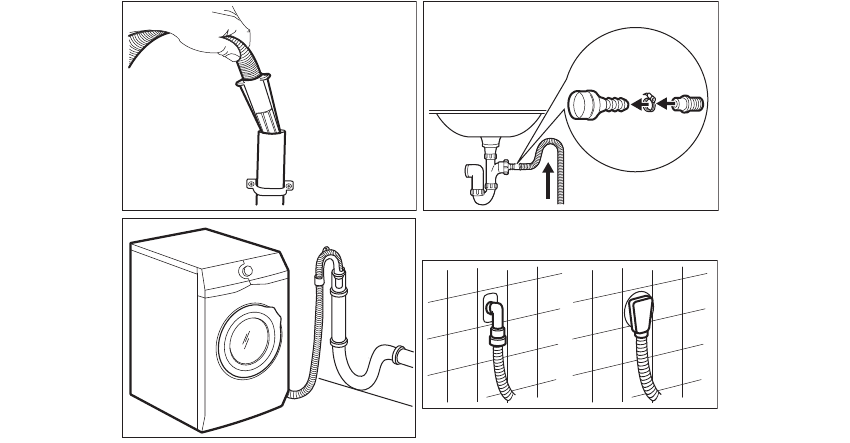
- take a drainage hose;
- attach one end of the drain hose to the nipple;
- connect the other end to a siphon or sewer tee.
It's important to note here that not all dryers drain condensate through a drain hose—some use a flexible duct that expels the moist air through a vent!
The most convenient way to drain water into the sewer is to use a trap under the sink or bathtub, to which a drain hose can be attached. If this option isn't feasible, a tee can be installed on the sewer pipe. In this case, a collar should be used to prevent potential leaks.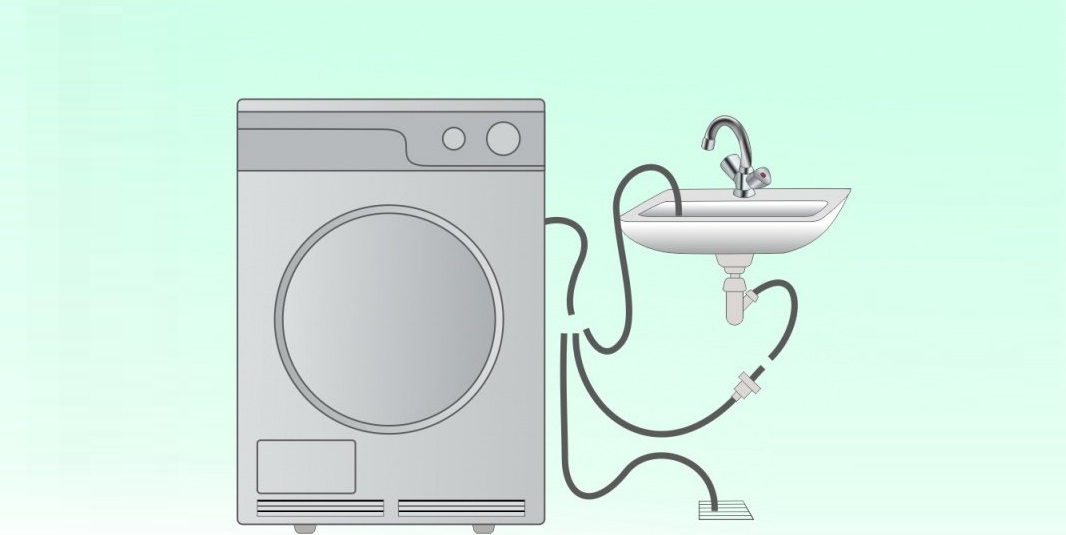
Another drainage method involves securing the drain hose to the edge of a bathtub, sink, or toilet. This is perfectly feasible, as the volume of water drained from a dryer is typically small. This reduces the risk of the hose rupturing during use, which could lead to flooding of the floor and the neighbors below. The only drawback of this method is that it is quite unhygienic, so it should only be used as a last resort.
We provide the dryer with electricity
To ensure power supply, you need to install a separate line from the distribution panel or use a pre-installed outlet. The latter option is more practical, as finding a free outlet is easy. This method is also safe—as long as the dryer's power does not exceed 2.5 kW, there is no risk to the wiring. Here it is important not to forget about grounding, RCD and a separate circuit breaker. It will be quite sufficient to include a 16 Amp RCD and a 14-16 Amp circuit breaker in the circuit.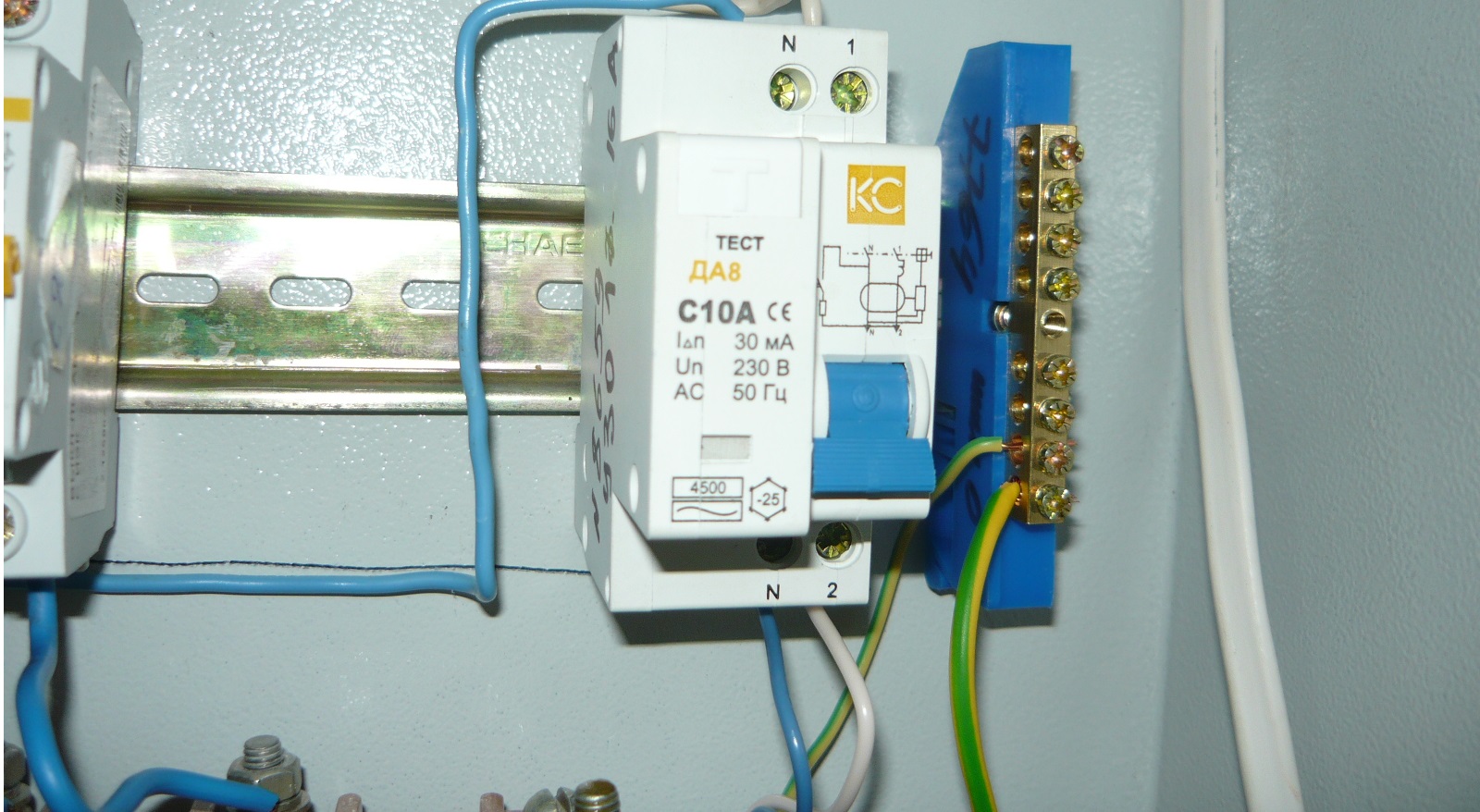
Connecting a dryer and washing machine to the same outlet at the same time is not recommended. This can overload the electrical circuit and increase power consumption. This can result in overheating, melting of the outlet, and a short circuit.
Where is the best place to install a dryer?
A dryer is a convenient and practical household appliance, but when it comes to installation, many people face the question of where to place it to ensure it works effectively. When choosing a location, it's important to consider many nuances and features. We offer four options:
- on top of the washing machine;
- next to her;
- in a special niche or closet;
- under the sink or countertop.
Often, users of such devices opt to create a "stack" and place the dryer directly on top of the "home helper." This saves space, which is especially important for residents of small apartments and houses. However, it's important to position the equipment according to the manufacturer's instructions to avoid various problems. Be sure to check that the depth of the washing machine is greater than or equal to the depth of the dryer. If the two dimensions are different, the "bottom tier" may not be able to support the load.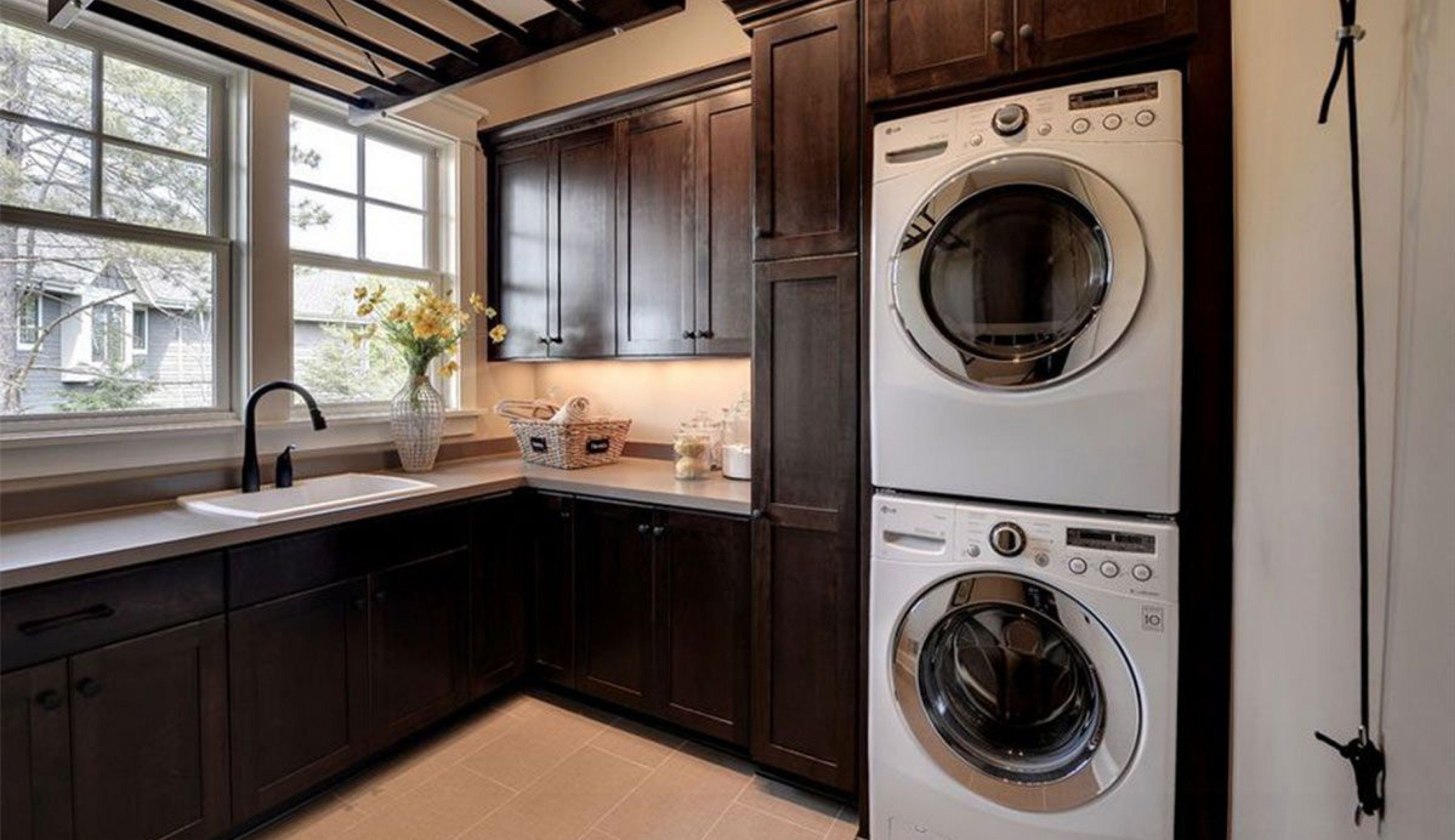
You'll need to install special locking clips and caps on the washing machine body. These provide an anti-tip effect and are included with the unit. Remember: stacking the dryer without securely securing it is prohibited. To use these parts, you'll need:
- unscrew the legs of the dryer and fix it in the caps;
- adjust the position of the equipment using a building level.
Another option involves using wall-mounted structures in the form of special rails. These fasteners are more secure, but less common. This is because anti-tip fasteners are much more aesthetically pleasing.
Don't neglect the provided spacers. They not only protect the washing machine from vibrations but also strengthen the stability of the upper cabinet, preventing the appliance from falling. If you don't want to use spacers, consider installing the dryer next to it.
This method is the safest and easiest to implement, but it does require space. It's suitable if you have a large area or can place the equipment in a separate room, a walk-in closet, or a wide hallway. Installation in this case involves moving the unit, removing the shipping bolts, and leveling it with the floor. It's best to buy household appliances in pairs so that the bathroom or kitchen has a unified style and the dimensions match.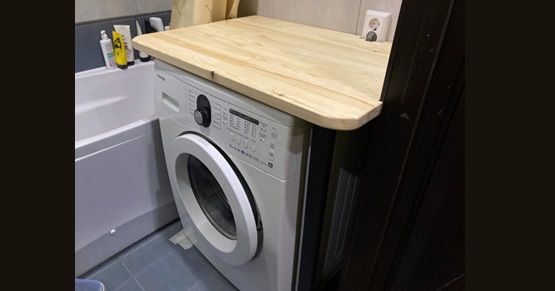
If you plan to install a dryer in an alcove, consider the availability of a dedicated corner or cabinet. Consider this issue early on during the renovation process. If possible, you can create a two-story structure yourself to accommodate both the dryer and the washing machine.
The easiest way to install a drying rack is under the sink or kitchen countertop. It's important to choose a model with a removable lid and the right size for easy installation in a cabinet. A condenser dryer is ideal for the kitchen, as it's easy to connect to the drain thanks to easy access to the sewer system. Remember: the right location for your dryer is crucial for your comfort and convenience. The optimal location always depends on the specific features of the room you live in and your personal preferences.
Interesting:


Readers' comments
Headings
Washing machine repair




For buyers




For users


Dishwasher




Add a comment