How to connect a washing machine to polypropylene pipes
Polypropylene pipes are gradually becoming the modern wiring standard, typically replacing metal-plastic pipes in homes. Meanwhile, the use of metal pipes in apartments is becoming even less common, as they are often removed permanently during renovations. If you've bought a new apartment, are settling in, and are yet to connect your washing machine to polypropylene pipes, this article will provide all the answers you need. We'll cover the nuances of plumbing, the intricacies of connection, and creating a branch pipe—each issue in detail.
There is a drain for a washing machine
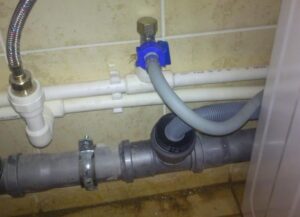
If a technician installed the polypropylene plumbing system, they likely left a branch pipe for the washing machine and dishwasher. Most often, professionals install a branch pipe for the washing machine in the bathroom and a branch pipe for the dishwasher in the kitchen. But how can you detect the branch pipe if you weren't the one installing it and you have no plumbing knowledge?
First, carefully inspect all the pipes in the bathroom. Pay particular attention to the portion of the pipes that are embedded in the tiles. If a piece of such a pipe comes out and has a tee tap or a plug installed on it, or maybe both at once, then this means that you already have a connection point for the machine. Then all that's left to do is connect the washing machine's inlet hose to the outlet. Follow our instructions carefully.
For safety reasons, we turn off the cold water riser, otherwise there is a risk of damaging the floors and flooding the neighbors below.
We choose a place for the washing machine in the bathroom so that it stands close to the water supply connection point.
Be sure to keep in mind that the standard inlet hose of a washing machine is usually very short, so if you don’t calculate the distance correctly, you will have to purchase an additional long hose for the outlet.
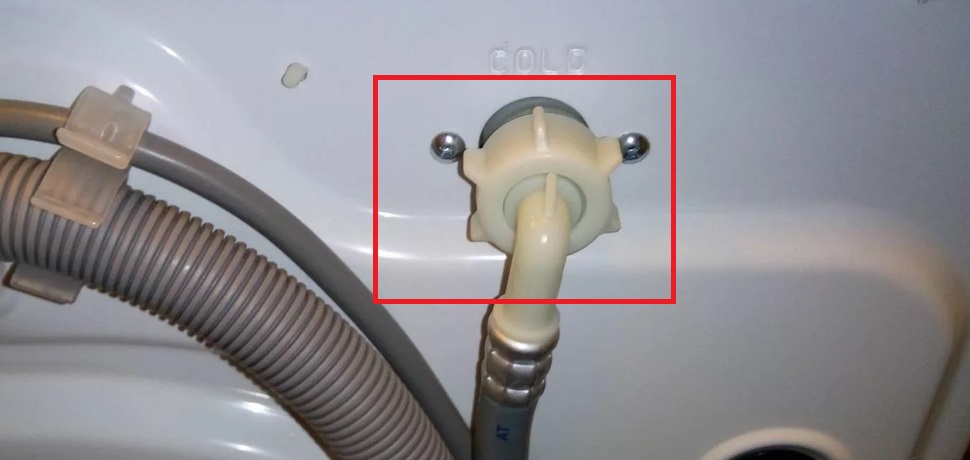
Carefully attach the inlet hose to the body of the device with your own hands, without using wrenches or other tools that could damage the plastic nut.
We remove the plug from the pipe, and then open the tap, if one is installed.
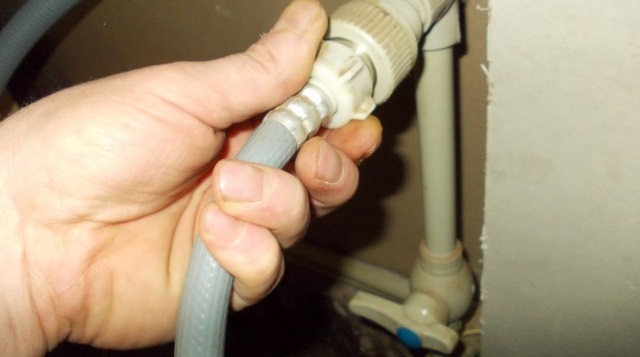
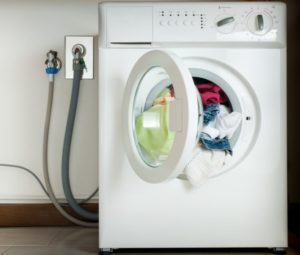
Finally, we screw the second end of the inlet hose to the ¾ outlet of the pipe.
Now all you need to do is open the water supply and check the connection to ensure there are no leaks. If there are no leaks and the hose has become rigid from filling with water, then the inlet hose is connected correctly. At this point, the only thing left to do is perform a test wash, which will determine whether the appliance is functioning properly.
There is no outlet for the washing machine, but the sink is nearby.
Less common are cases where polypropylene pipes have been installed, but a drain for the washing machine is forgotten or simply not chosen. However, if the bathroom is small, this situation isn't a problem, as the inlet hose can be connected directly to the sink faucet outlet. Setting up the connection this way requires very little effort.
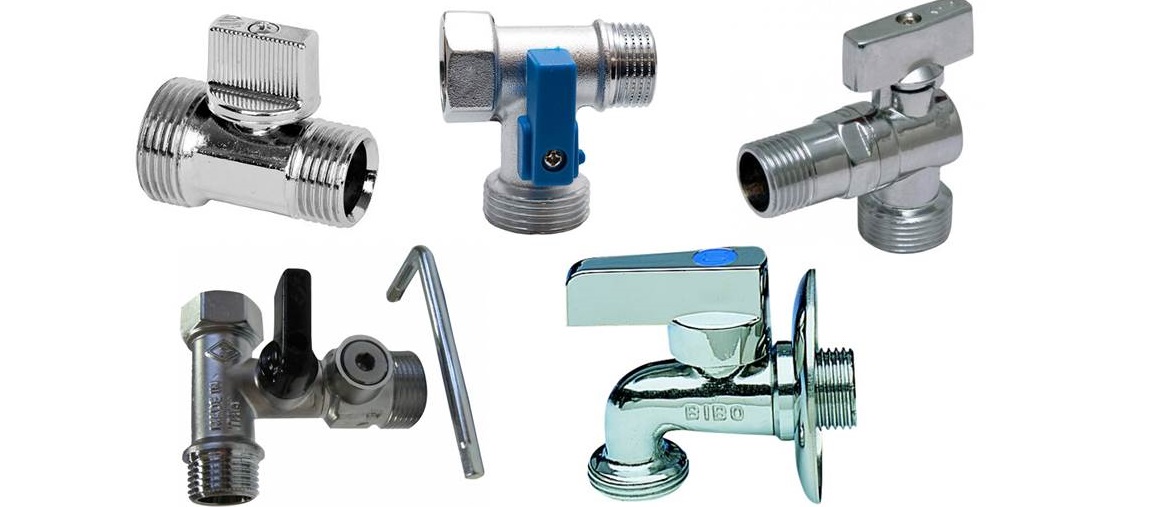
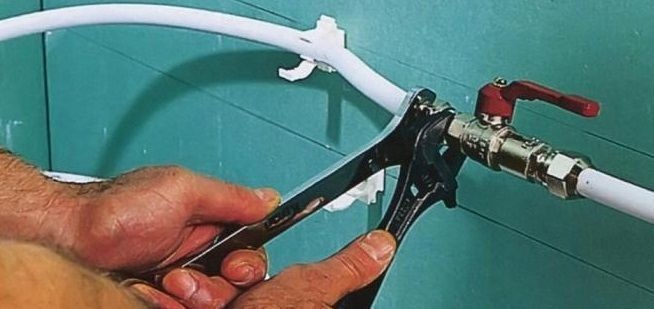
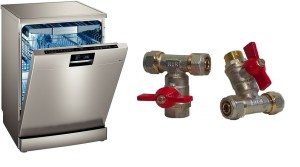
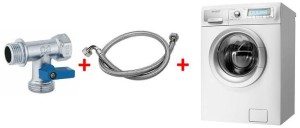
Buy a ¾ inch tee tap and a winding kit.
To save money, you can buy a simple pass-through tee, which is also suitable, but if an accident occurs, you won’t be able to shut off just one tee; you’ll have to shut off the entire riser in the house.
Using an adjustable wrench, shut off the riser.
Find the place in the bathroom where the hose leading to the sink faucet is screwed onto the plastic cold water pipe.
Unscrew the nut with a wrench, then disconnect the hose from the pipe.
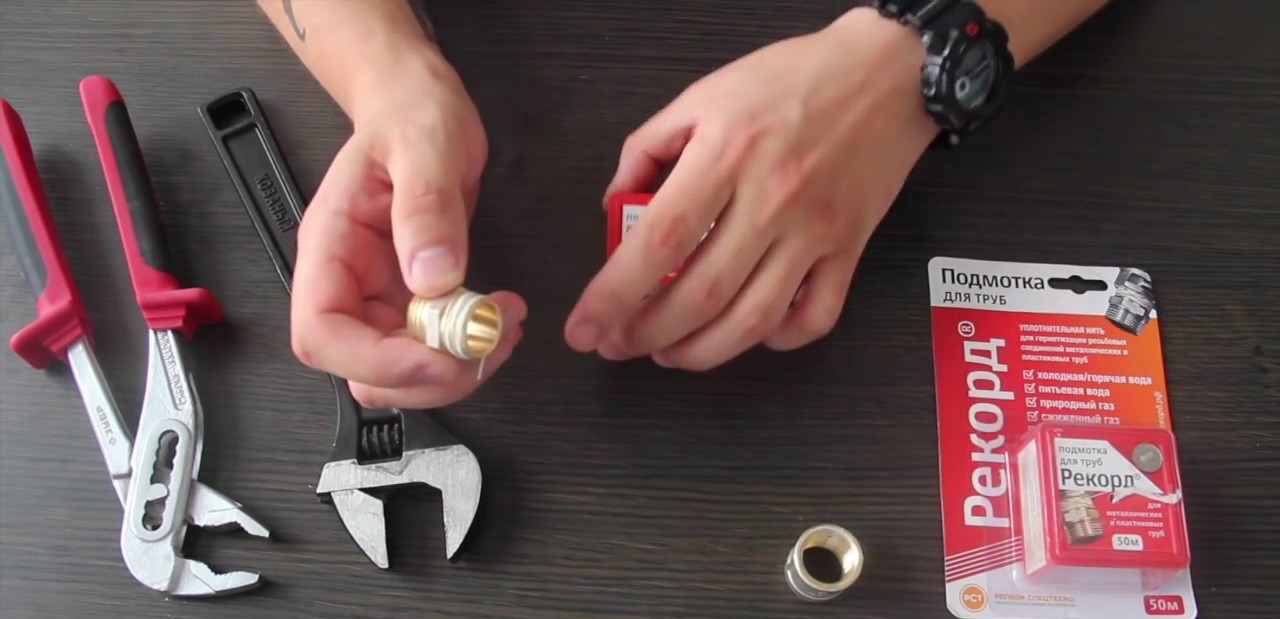
Clean the threads thoroughly and wind the threading material onto them. Two to three turns are enough.
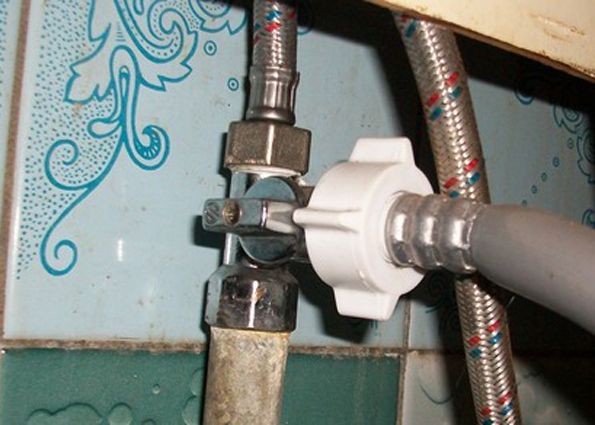
We connect our tee tap to the pipe. It is necessary to screw on the pass-through outlet, since the closed outlet is needed for the washing machine.
We wind the winding onto the thread of the second through outlet and fix the mixer hose there.
Finally, there's a third outlet—a shutoff one—where we first wind the reel and then install the "home helper" hose. After that, we connect the other end of the inlet hose to the washing machine. Now we can open the tee.
After all the above steps, all that's left to do is open the drain and inspect the connection point to ensure there are no leaks. If everything is in order, you can run a test cycle on the washing machine and check the tightness of all connections.
There is no outlet for the washing machine and the sink is far away
The worst case scenario is when a plumber installed a solid polypropylene pipe in a house but neglected to provide a branch pipe, and, as luck would have it, there's no sink or shower nearby. But even in this situation, all is not lost, as the polypropylene pipe can be cut and ¾-inch nuts installed on the ends.
This is far from the simplest procedure, unlike those described above, so if you don't have the necessary tools or skills, we recommend calling a professional plumber. If you're confident in your abilities and have a special soldering iron for polypropylene pipes at home (which is too expensive to buy just once), as well as ¾-inch nuts and a tee, then read the instructions carefully.
As usual, we shut off the cold water supply.
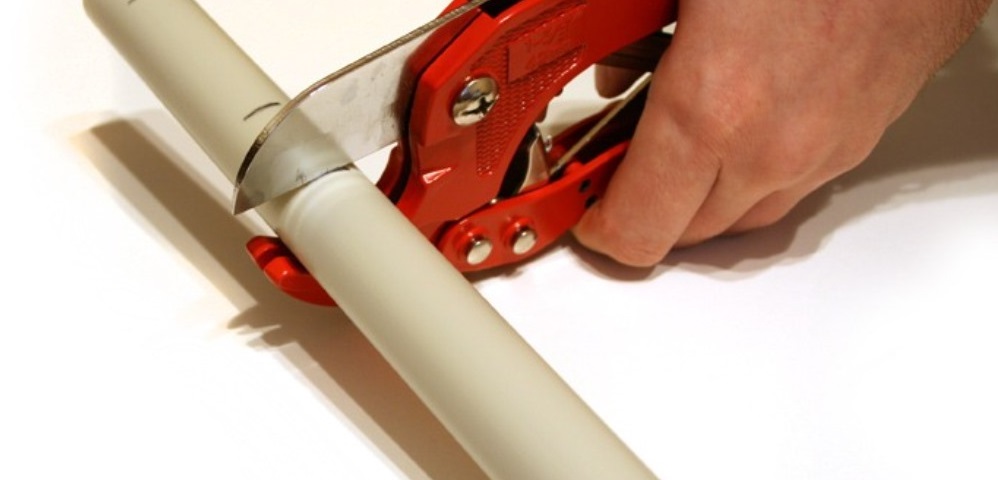
We choose a suitable place and cut the cold water pipe, for which a sharp knife or special scissors will do.
We completely drain the remaining water and dry the pipe thoroughly.
Never solder on a wet surface, as the joint will be of poor quality and will not last long.
We solder ¾ inch nuts to the ends of the pipe.
We install a tee tap so that the through ends connect the pipe and a free outlet for the tap for the washing machine appears.
All that's left to do is connect the washing machine to the faucet and then check to make sure there are no leaks. A test wash will be the only way to be sure.
A few words about connecting the drain hose
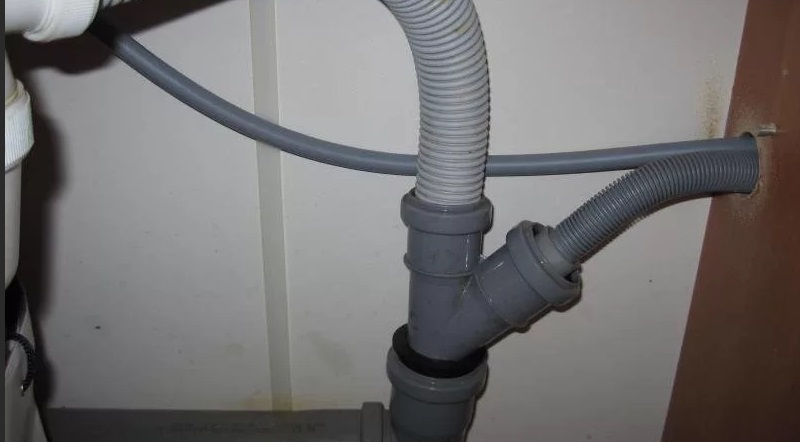
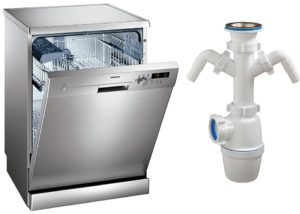
The drain hose usually doesn't cause any problems, as many housewives simply run it to the bathtub or sink, where they toss it during the wash cycle. However, this isn't aesthetically pleasing, as after such a procedure, the snow-white bathtub or sink must be thoroughly cleaned of dirty washing machine water. It is much better to connect the machine to the sewer system, for which you can place a 50 mm tee on the sewer pipe outlet.
Then, one outlet of the faucet will be occupied by the sink's trap, and the other by the washing machine. Beforehand, it's necessary to insert a rubber cuff into the appliance hose outlet to prevent the hose from popping out of the pipe due to high pressure. There's no need to use tape to secure the tee's connection to the pipe, trap, or drain hose. And considering that almost all of the aforementioned "consumables" can be easily and inexpensively purchased at any hardware store, connecting the drain hose is not only inexpensive but also quick.

 Polypropylene pipes are gradually becoming the modern wiring standard, typically replacing metal-plastic pipes in homes. Meanwhile, the use of metal pipes in apartments is becoming even less common, as they are often removed permanently during renovations. If you've bought a new apartment, are settling in, and are yet to connect your washing machine to polypropylene pipes, this article will provide all the answers you need. We'll cover the nuances of plumbing, the intricacies of connection, and creating a branch pipe—each issue in detail.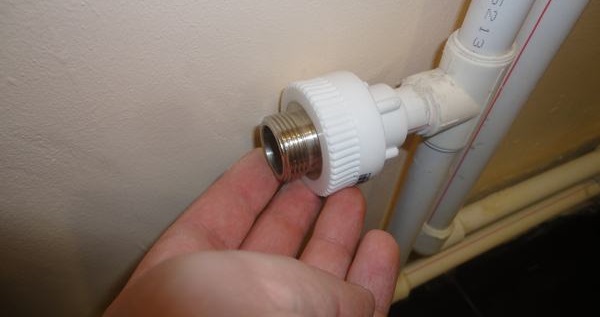














Add a comment