Anyone can connect an LG washing machine themselves. All you need is a set of wrenches, carefully follow the instructions, and heed a few helpful tips. All the details, recommendations, and step-by-step instructions are provided in this publication.
Where to place the equipment?
Before connecting a washing machine, you need to find a place to install it. It's best to do this before purchasing the appliance, as its model and dimensions depend on its placement and location. A standard full-size washing machine is suitable for a bathroom, while a built-in, narrow one is ideal for a kitchen unit. However, choosing the appliance's future "home" requires careful consideration.
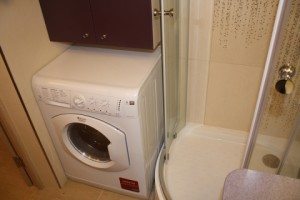
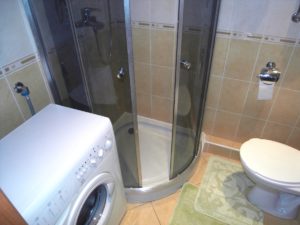
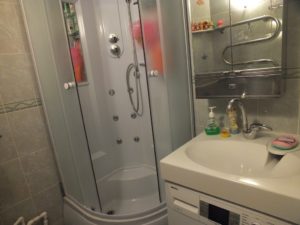
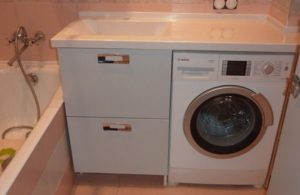
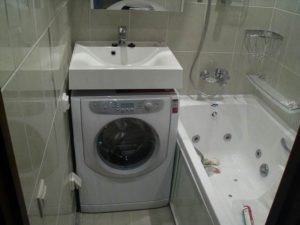
The washing machine is most often installed in the bathroom. Despite its modest dimensions, there's always room for a washing machine—near the sink, toilet, or under the vanity. Everything is strictly individual and depends on the available square meters in the room and the wishes of the owners. The downside is increased humidity, but the upside is the availability of utilities.
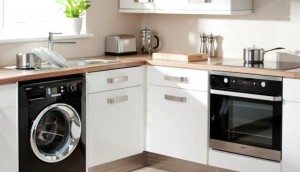
The second most popular location for washing machines is the kitchen. Here, they are placed next to a cabinet or directly in the kitchen unit. Typically, the dining area offers more space, better ventilation, and lower humidity. However, there are also disadvantages, such as unpleasant odors from laundry and storing household chemicals near food.
The third option is a hallway or storage room. This choice is made when there's no room for appliances in the kitchen or bathroom. However, utility connections are more problematic here.
Although rare, it's common to install a washing machine in the bedroom. The actual room's name doesn't matter. The important thing is that the space meets certain standards.
Connected utilities. Sewer, water, and electricity lines should all be no further than a meter from the planned location.
Level floor. The surface beneath the washing machine must be level and stable. In other words, the washing machine cannot sink or lean to one side. Ideally, the floor should be concrete or tile.
Before connecting the washing machine, you must ensure that the location meets the specified standards.
Connecting to a centralized water supply and sewerage system is not necessary. Alternatively, you can drain wastewater into a sink or bathtub and draw it from a cistern or barrel. The main thing is to ensure the machine is fully functional. Once everything is ready, you can begin connecting.
Preparing equipment for installation
You can't just connect the machine to the power supply and start washing right away. Connecting an LG washing machine begins with a preparatory phase. This involves a number of mandatory steps.
Read the instructions that come with the equipmentDon't ignore the user manual: it describes all the nuances, requirements, and operating conditions.
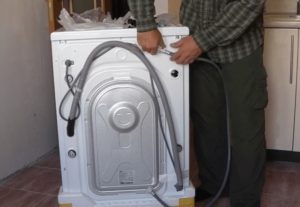
Carefully unpack the washing machine and remove all protective elements, film, ties and foam from the body.
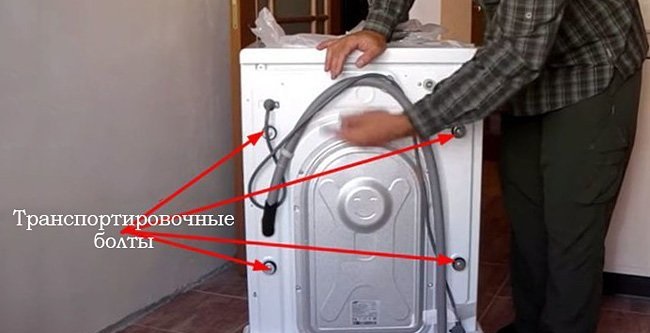
Loosen the shipping bolts. This isn't difficult, but it's easy to make mistakes. It's best to play it safe and consult the separate instructions we've already described on our website.
Do not start the machine with the transport bolts in place!
Insert special plastic plugs into the holes left by the previously removed bolts. There's no need to purchase these plugs separately—they're included with your washing machine.
Now the machine is ready for further work. All that remains is to move the unit to the planned location so that the rear wall is easily accessible. Next, we proceed in order: first, we arrange the drainage, then connect to the water supply, level the unit, and set up the power supply.
We organize the drainage of waste water
The easiest way to drain waste water from a washing machine is to lower the end of the hose into a bathtub, toilet, or sink. The liquid will first flow into the plumbing fixtures and then into the central sewer pipe. However, this approach is unsightly and risks staining the pristine white ceramic. Therefore, it's better to go the other route and use a trap.
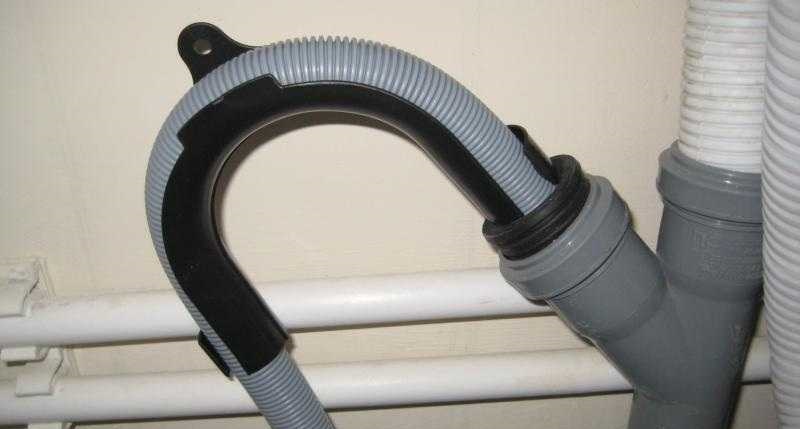
First, open the washing machine manual. The manual contains a special section on connecting to the sewer system, which may specify requirements for the height of the drain pipe bend. Typically, the bend in the drain pipe should be raised 50 cm or higher. However, this depends on the specific model of the machine.
If the washing machine has a check valve, then the height of the drain hose bend does not matter.
Once the connection details are clarified, install a special trap under the sink, attach the hose to it, and secure it with a clamp. If you plan to connect directly to the sewer pipe, purchase a suitable rubber gasket. Place it over the joint, and then pull the hose through. Remember to securely fasten all components, as leaks should not occur.
We organize water supply
The second step is connecting the machine to the water supply. It doesn't matter whether it's centralized or self-contained, as the water supply setup is virtually identical.
We use an inlet hose that fits our existing LG model. It's usually included, but sometimes it's purchased separately.
We attach the curved end to a special tube on the upper part of the rear wall of the case.
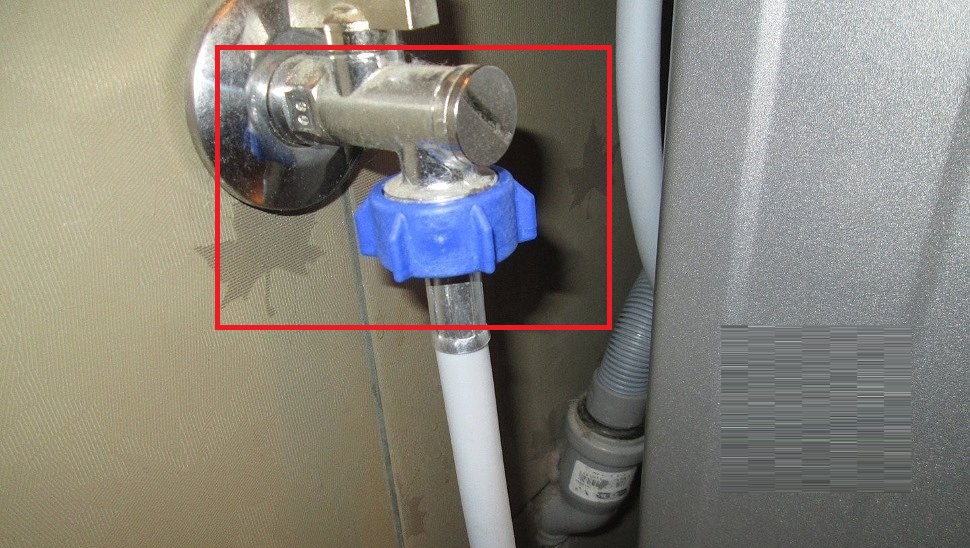
We cut a hole in the water pipe and connect it to the machine through a tee. A special branch with a faucet can also be made.
We connect the machine to the water supply.
Tighten the retaining clamps securely. Plastic nuts, on the other hand, are tightened to the maximum allowable limit and absolutely without the use of tools.
When using tees or water sockets, don't forget about sealants. Remember that even one drop appearing at the joint indicates an unreliable fixation.
We place the body according to the level
Once connected to the pipes, the machine can be moved against the wall or placed in a cabinet. However, don't start the motor yet—the machine body must be leveled, otherwise it will bounce, vibrate, and hum during the spin cycle. This procedure is practically mandatory, as perfectly level floors are extremely rare these days.
To install the washing machine as straight as possible, you'll need a spirit level. Next, follow these steps:
place the level on the top cover of the machine;
Using the level readings as a guide, adjust the machine's feet;
Check the stability of the housing by gently rocking the machine. If the machine moves when you press on the corners, continue adjusting.
secure the nuts.
It is strongly recommended not to operate the machine if it is not level!
Normally, an LG washing machine shouldn't vibrate excessively. Experts recommend closely monitoring vibrations and sounds during the spin cycle and promptly responding to any suspicious vibrations. They also recommend using special anti-vibration feet to reduce the risk of damage.
Connect the machine to the power supply
With electricity, it's the easiest: just plug the power cord into the socket, and the machine will work. But there is no need to rush – first you should check whether the existing wiring meets the required standards. The following requirements are at issue:
the presence of grounding; for safety reasons, the washing machine must be grounded;
Incorporating an RCD into the circuit. If there is no grounding in the house, it is important to include an RCD with a cutoff current of 10 mA (if the appliances are located in the bathroom) and 30 mA (in the kitchen and other rooms) in the wiring;
use of moisture-resistant socket covers.
Once everything is connected, run the machine on an empty wash cycle. This will remove the factory grease from the drum and also confirm that everything has been done correctly.

 Anyone can connect an LG washing machine themselves. All you need is a set of wrenches, carefully follow the instructions, and heed a few helpful tips. All the details, recommendations, and step-by-step instructions are provided in this publication.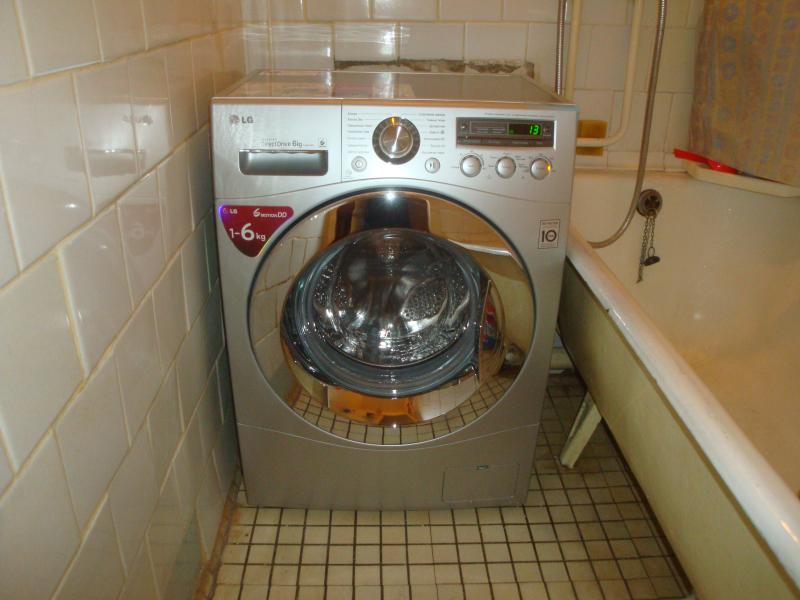














Fire!
Helpful educational program. Thank you!