
How to connect a Zanussi washing machine
 After buying a new washing machine, you're eager to try it out. You can connect a Zanussi washing machine yourself, without the help of a technician. Connecting the machine to the power lines isn't difficult, especially if you've already had a washing machine. The main thing is to follow the instructions and basic recommendations.
A suitable place for a typewriter
The first thing you need to do is decide on a location for your "home helper." It's best to choose this before purchasing the washing machine, so you know what dimensions you can expect. For example, a full-size front-mounted or vertical model would be suitable for a spacious bathroom, while a narrow built-in model would be suitable for a kitchen.
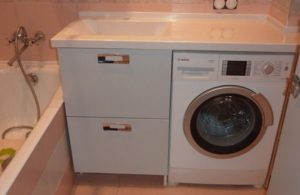
Most often, a washing machine is placed in the bathroom. Although the space is small, it's always possible to squeeze a machine in. It's a very individual choice—some people install the machine under the sink, others next to the toilet. The advantage of this placement is its proximity to utilities, but the disadvantage is increased humidity.
Another popular location for washing machines is the kitchen. They are either permanently installed or built into a kitchen unit. This offers several advantages: proximity to water and sewer lines, adequate ventilation, and low humidity. Disadvantages include the potential for unpleasant odors from laundry, and unless the machine is hidden behind a cabinet, household members will be exposed to the entire laundry process.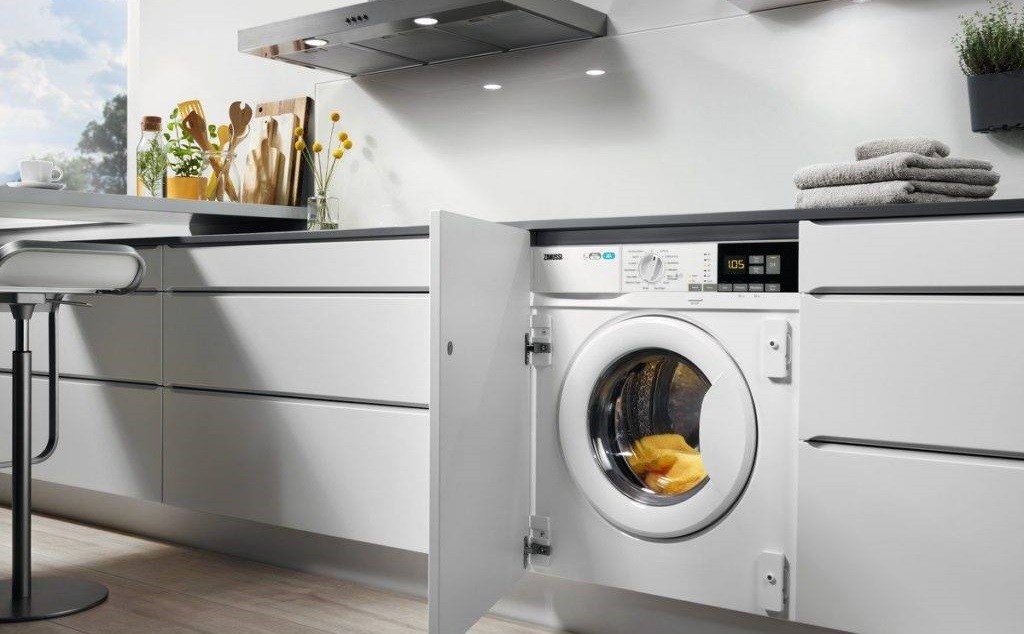
You can also install a washing machine in a hallway or pantry. In larger apartments or private homes, a separate utility room—the laundry room—is often designated. While utility connections may be a concern, connecting a washing machine is still possible if desired.
The location for the washing machine must meet certain criteria:
- supplied communications (it is necessary to provide water supply to the machine, drainage of waste liquid, and power supply);
- a hard, level floor (the surface must be stable and straight so that the machine does not tilt or sag during operation; tiles or concrete are ideal floor coverings).
Before purchasing a Zanussi washing machine, decide on the installation location to ensure the correct dimensions are chosen.
If your bathroom is too small, consider Zanussi's slimline models. When space is at a premium, you can opt for the most capacious, full-size units.
It's not necessary to connect the washing machine to the centralized utility system. If you're in a private home, you can draw water from a water tank and drain it into a separate container. The main thing is to think through all the details to ensure the equipment functions properly.
Preparing the machine
After your washing machine arrives from the store, give it some time to settle. If it's cold outside, let it warm up in your apartment for a couple of hours. During this time, it's a good idea to study the instructions that came with the machine. The user manual describes all aspects related to the installation, connection and operation of the Zanussi washing machine.
Next, carefully unpack the machine. Remove all protective elements from the body: film, foam, and zip ties. Look inside the drum; there might be something there too—take out any unnecessary items.
Be sure to remove the transport bolts that secure the drum.
The procedure for removing the bolts is described in the instructions. There may be between 4 and 8 of them, depending on the washing machine model. Do not operate the washing machine with the shipping bolts still in place, as this will damage the machine.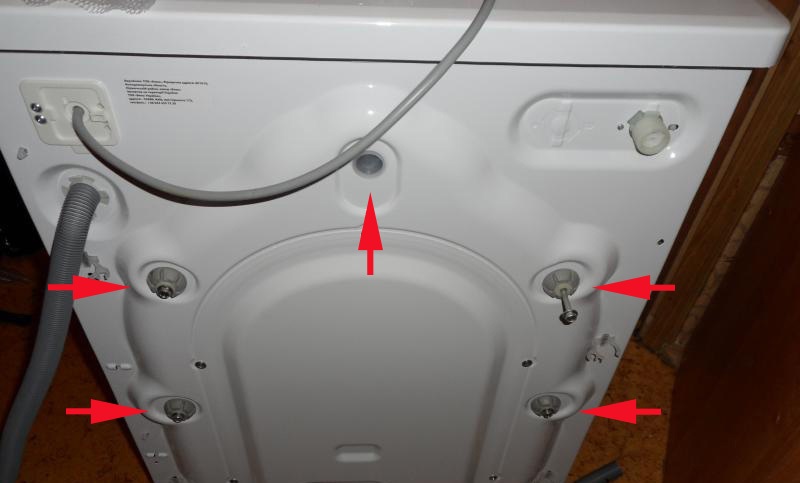
After removing the shipping bolts, you need to close the resulting holes with the special plugs included with the machine. After this, the washing machine is ready for further use.
Now all that's left to do is place the machine in its designated location. To connect the appliance to the water supply and sewer system, you'll need access to its rear wall. First, establish the drainage system, then the water supply. After that, adjust the machine's body to ensure it's level.
Drainage system
There are several ways to drain a washing machine. The most basic is to lower the machine's hose into a bathtub, sink, or toilet. The waste liquid will drain first into the plumbing fixture, and from there into the sewer pipe. This option has one advantage: simplicity. It has more disadvantages:
- the plumbing will constantly get dirty, and plaque will accumulate on the walls of the bathtub or sink;
- This is not entirely safe – household members may accidentally touch the hose and water will spill onto the floor;
- This method looks unaesthetic.
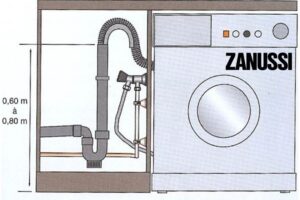
It is best to connect the washing machine to the siphon. The equipment instructions indicate the recommended bend and height for the drain hose; typically, it is 50-80 cm from the floor. Be sure to take this information into account when connecting the washing machine. If you install the point lower down, the water can drain by gravity; if you install it higher up, the pump will operate under increased load.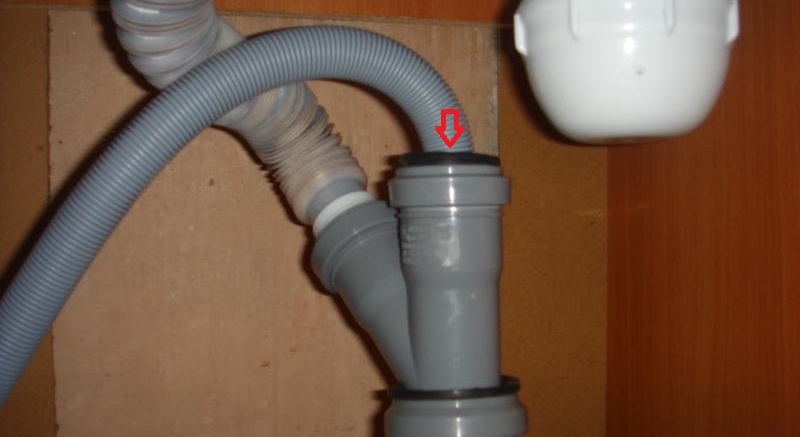
If you already have a drain trap with a drain outlet under your sink or washbasin, that's great. Simply attach the drain hose to the fitting and secure the connection with a clamp. If it's just a regular elbow, without any additional outlets, you'll have to replace it.
It's also possible to connect directly to the sewer pipe. In this case, you'll need to purchase a rubber seal. After connecting the pipe, check the connection for leaks.
Water supply for equipment
Next, you need to connect the machine to the water supply. An inlet hose is included with your Zanussi washing machine. Follow the instructions carefully:
- connect the curved end of the inlet hose to the special tube located on the back of the housing;
- turn off the water supply to the apartment;
- cut the water pipe, insert a tee tap into the hole (rubber seals are included with it);
- connect the machine to the tap outlet;
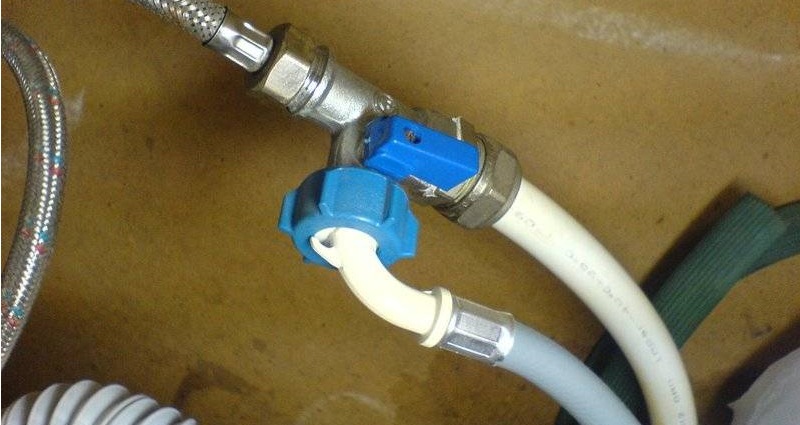
- Tighten the fixing clamps (if plastic nuts are used as fasteners, they must be tightened to the maximum, manually, without using tools).
When installing a tee tap or water outlet, it is better to use special sealants.
Even a single drop at a joint indicates a poor seal. Therefore, if you notice water leaking from a faucet or hose, immediately locate the offending area. This will help prevent serious leaks in the future.
Is the machine in the correct position?
The machine, connected to the pipes, can be pushed against the wall or placed in a kitchen cabinet. However, before turning on the machine, its frame must first be leveled. A "skewed" washing machine will not operate correctly – it will bounce, vibrate, and make noise during the spin cycle.
To adjust the washing machine's position, you'll need a spirit level. Here's how: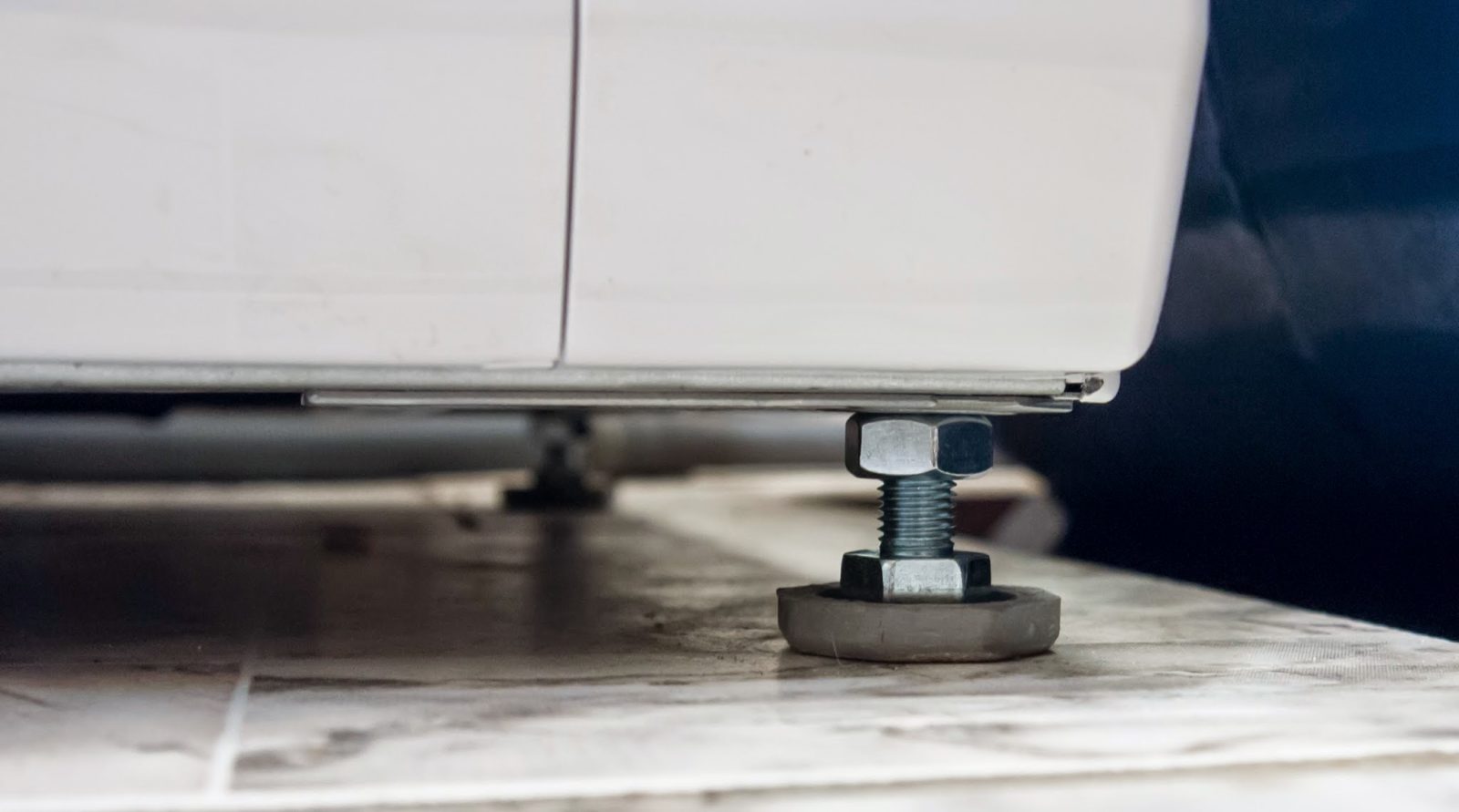
- Place the building level on the machine;
- Using the scale as a guide, adjust the height of the washing machine's feet;
- Check the stability of the washing machine by trying to slightly rock the device (if the machine moves when you press on the corners, continue adjusting the feet);
- secure the nuts.
That's all. It is not recommended to operate a washing machine that is not level, as its internal components will fail faster. The shock absorbers will become loose, the drum will become “shaky”, etc.
Experts recommend placing an anti-vibration mat under the machine or placing special rubber pads on the feet. This will provide additional protection and reduce the risk of damage.
Powering the equipment
The easiest way is with electricity. Simply plug the washing machine's power cord into the outlet, and the appliance will work. However, there are some nuances here too. First, it's worth checking whether the existing electrical wiring complies with standards. When powering large household appliances, the following requirements must be met:
- presence of grounding;
- inclusion of a voltage stabilizer and RCD in the circuit;
- the presence of a moisture-proof cover on the socket.
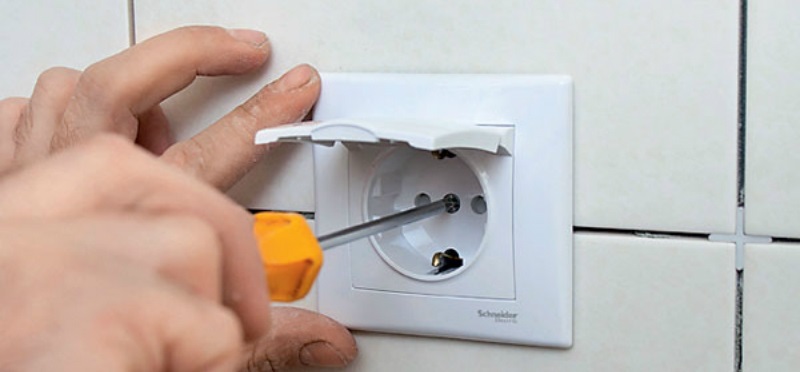
Do not connect the washing machine to the outlet through an extension cord or multiple outlet. A separate power point must be provided for the appliance. The wire must also be of a suitable cross-section to handle the appliance's power.
Once you've connected the machine to the utilities and adjusted the cabinet, run a test wash with no laundry in the drum. Monitor the machine continuously as it cycles. This will allow you to quickly respond to any emergency, such as a leak.
The first cycle should always be a "blank" cycle. This will help flush out any factory grease, dust, and debris. Loading items into the drum right away will ruin them.
Interesting:

Readers' comments
Headings
Washing machine repair




For buyers




For users


Dishwasher




Add a comment