
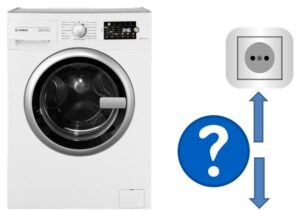
Can I connect my dishwasher via an extension cord?
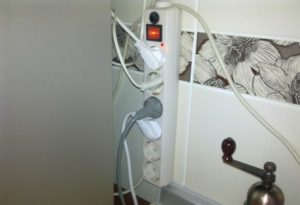
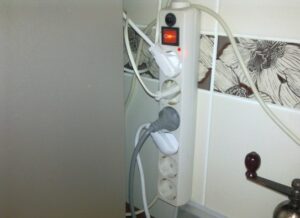 Sometimes users try to connect their dishwasher via an extension cord. This often happens because the dishwasher's power cord isn't long enough to reach the nearest outlet, forcing homeowners to use an adapter.
However, this seemingly innocuous solution is fraught with problems. An extension cord may simply not be able to handle the load generated by a dishwasher. Connecting powerful appliances through an adapter is unsafe for both residents and the appliances themselves. We'll explain why you should avoid using an extension cord.
Extension cord danger
In new buildings, connecting dishwashers to the power grid is a common problem. Designers carefully consider the layout of kitchen areas, providing each appliance (stove, refrigerator, oven, dishwasher) with a dedicated outlet with maximum moisture protection. Older apartment buildings are a different story.
Utilities in "old" buildings aren't as well-established as in newer ones. Kitchens in Khrushchev-era and Stalin-era apartments typically have a couple of standard outlets located in various corners. Therefore, when purchasing a dishwasher, apartment owners often find nothing better than to buy an extension cord and connect the machine to it.
The instructions for any dishwasher prohibit connecting the appliance to the electrical network via an extension cord.
Be sure to read the user manual. It states that the dishwasher must be supplied with DC power of the specified wattage. It must also be grounded and moisture-proof. Standard adapters provide neither.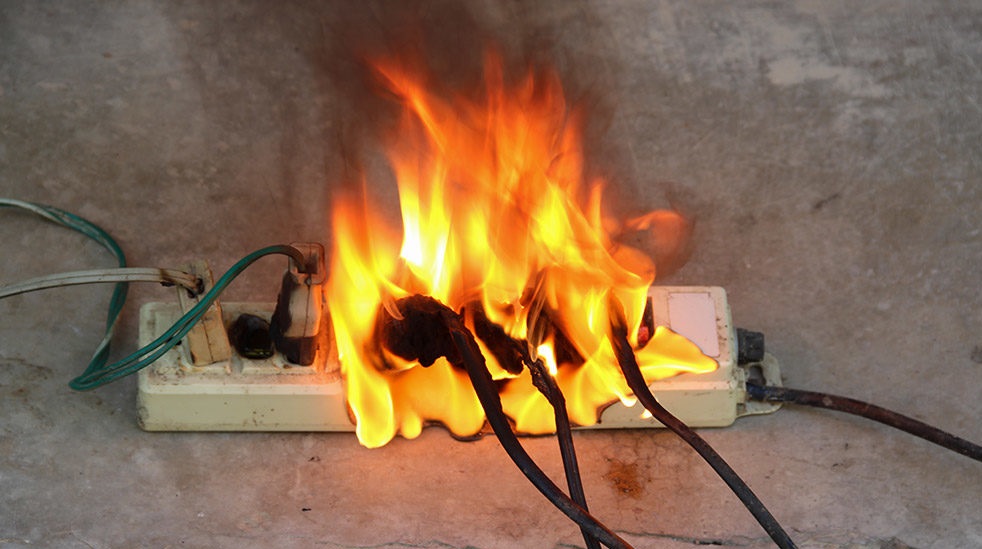
Therefore, you should avoid using an extension cord. We'll explain the dangers of using an adapter.
- An extension cord is usually run along the floor, and the live adapter is placed near the washing machine. This way, if a leak occurs, water will immediately reach the appliance, causing a short circuit.
- A cord connected to a regular outlet often bends, frays, and gets pinched. This damages the insulation. Exposed wires pose a threat to the life and health of household members.
- Often, in addition to the dishwasher, other electrical appliances are plugged into an extension cord: a kettle, stove, refrigerator, etc. This causes a power surge in the network, resulting in an emergency power outage.
- A weak adapter may not be able to handle the dishwasher's heavy load and may begin to melt. This can lead to a fire.
You can't mess around with electric current. The human heart operates on impulses, and even a small surge can trigger a cardiovascular failure. It's also worth remembering about fire safety - using an extension cord can cause a fire in the dishwasher and the entire apartment.
Organization of temporary connection to the power grid
In any case, a separate, grounded, and moisture-proof outlet should be provided for the dishwasher. Using an extension cord should only be temporary, until a suitable outlet is established. However, the connection must be made in accordance with all regulations.
There is no need to buy the cheapest extension cord – the device must be of high quality, with a sufficient cross-section of wires.
While the outlet is being installed, it's acceptable to connect the dishwasher via an extension cord for a few days. It's important to ensure that the extension cord meets all requirements. What characteristics should you consider when selecting an adapter?
- Wire gauge. A dishwasher places a significant load on the electrical system. An extension cord with a minimum conductor diameter of 2.5 mm can handle this power.
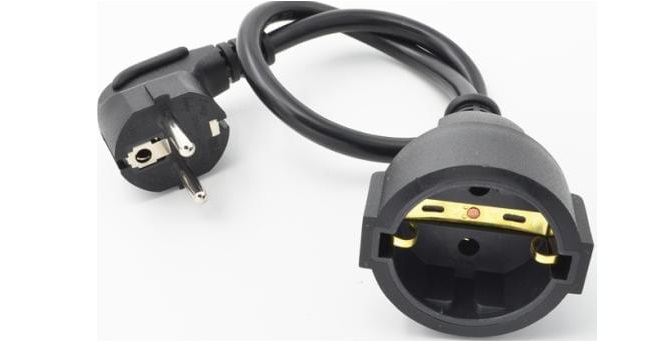
- Length. Measure the distance from the dishwasher to the outlet and purchase a cord of the appropriate size. Using two extension cords in series is not permitted.
- Moisture protection level. A portable dishwasher must be moisture-resistant. Grounding will protect the dishwasher from damage due to power surges and electrical leaks.
- Quality. It's better to buy adapters from reputable manufacturers rather than hunting for cheap, inferior alternatives.
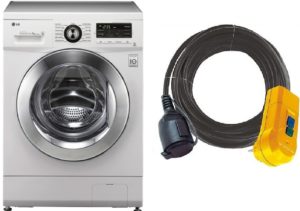
A separate extension cord with sufficient power is required to connect the dishwasher. Do not plug other appliances into the extension cord while the dishwasher is running, as this could overload the electrical circuit.
In any case, it's important to understand that connecting a dishwasher via an extension cord is risky, even if you use a high-quality adapter with grounding and moisture protection. Therefore, don't delay – install a separate outlet with a residual-current device (RCD) for the dishwasher as soon as possible.
Do I need to install an automatic transmission?
While a kettle or hairdryer uses little electricity, a dishwasher places a significant strain on the electrical system. Furthermore, a dishwasher operates in a humid environment, making it a high-risk appliance. For safety reasons, it is worth protecting the dishwasher with a separate RCD circuit breaker.
When choosing a dishwasher, consider its power consumption. The machine's energy consumption is always indicated in the instructions. The higher the power consumption, the greater the load on the electrical system.
A residual-current device (RCD) can detect electrical overload and immediately cut off power to the appliance. This prevents electrical leakage and fires. The device also trips if moisture gets into the outlet.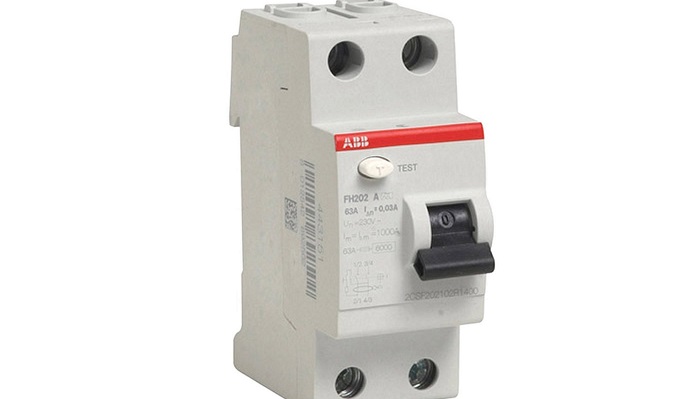
The RCD consists of the following elements:
- transformer;
- a relay that is responsible for breaking the starting circuit;
- a sensor that continuously tests the electrical network;
- electromagnetic cutoff.
These components ensure a "chain reaction." Modern RCDs don't need to be replaced after every failure. Simply eliminate the cause of the failure and return the protective device to its "operating" state.
Interesting:
Readers' comments
Headings
Washing machine repair




For buyers




For users


Dishwasher




Add a comment