
Connecting a dishwasher without water supply
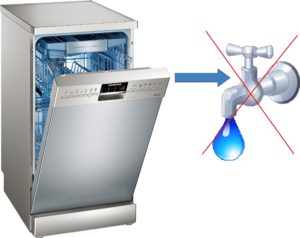 Living outside the city has many advantages that big-city life lacks. However, along with these advantages, living in a country house also comes with its own disadvantages, one of the most significant of which is the lack of running water. It's a fairly common situation to have no running water outside the city, so you have to come up with creative solutions to maintain your usual comforts. Today, we'll take a detailed look at how to easily and simply connect a dishwasher without running water, so you don't have to wash dishes yourself, even in your country house.
The easiest way to supply the dishwasher with water
The first thing to note is that you shouldn't be afraid to create your own independent water supply for your dishwasher at your dacha or in the countryside. This is much easier than connecting a washing machine without running water, especially if you follow our detailed instructions carefully. First, let's collect everything needed for installation.
- A tank or large canister of 30, 50 or even more liters, in which we will later drill holes in order to connect a garden hose.
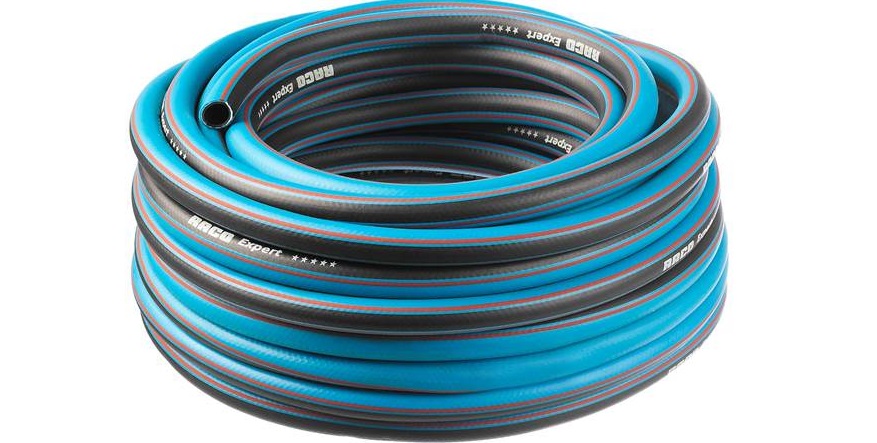
- The most ordinary garden hose.
- A small siphon that we will screw into our water tank.
- A tap so that you can quickly pour water in case of a drain.
- Adapter for connecting a hose to a dishwasher.
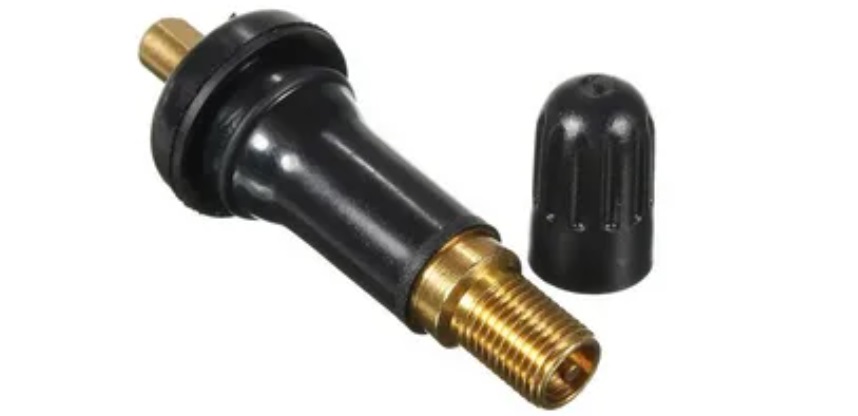
- A valve for pumping air into a tank or canister.
- Pump for creating pressure.
That concludes the list of consumables. As you can see, everything is fairly easy to find at any hardware store, so preparation shouldn't be a problem. Once you've purchased everything you need, we can get started.
- First, we drill a hole in the lid of our tank or canister to insert the valve into the resulting hole.
It is important that the valve fits tightly into the center of the lid. To do this, use a drill of the same diameter as the valve. After creating the hole, you can additionally lubricate the lid with grease around the edges.
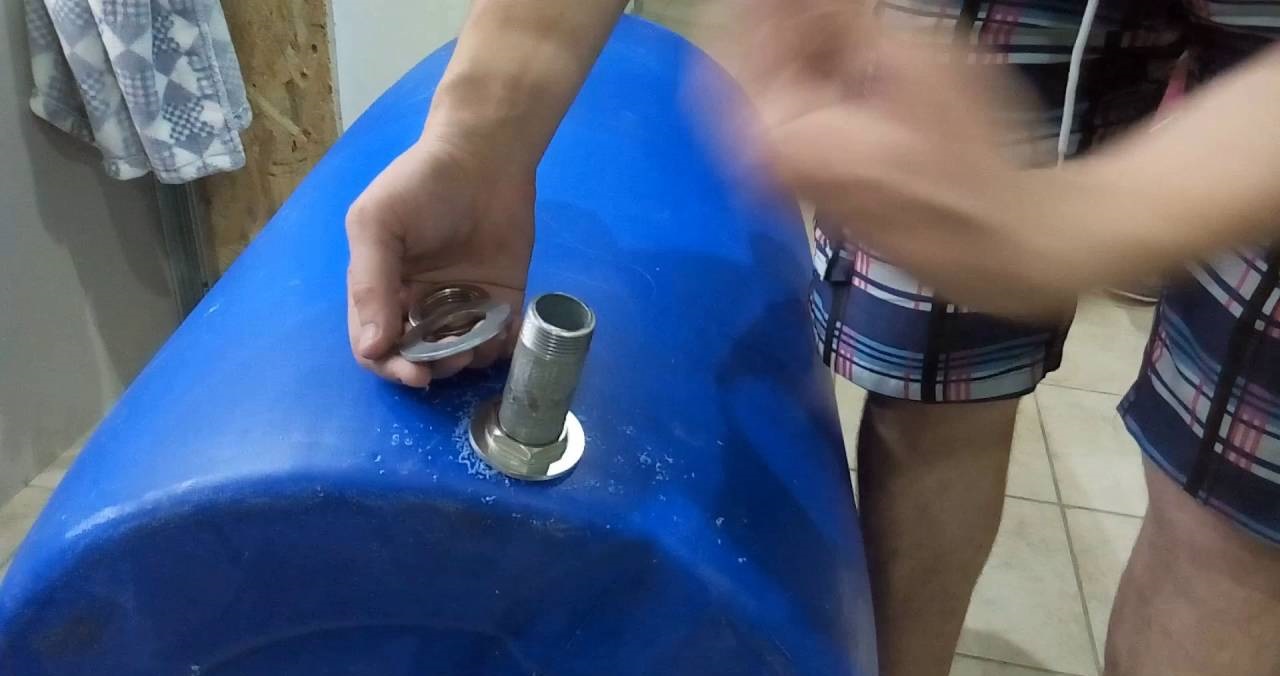
- We measure the diameter of the siphon and, in accordance with the data obtained, select a drill to drill a hole in the bottom of our canister.
- We place the siphon inside the canister, using a wire to hook it under the siphon. Then, tighten the nut very tightly with an adjustable wrench to securely fasten the part to the bottom of the water tank. This is important because we'll need to create pressure inside our tank, so there shouldn't be any leaks.
- We connect a garden hose to our tank and tighten the retaining clamp as tightly as possible.
- On the dishwasher, you need to attach an adapter to the bottom, and then connect the other end of the garden hose to it. Measure the length of the garden hose beforehand and trim off any excess so the hose isn't too long.
The adapter must also be very tightly connected to the dishwasher. To do this, you can cut a rubber gasket for it yourself or use plumbing tape.
- Now all that remains is to fill the tank with water, create pressure inside using a pump to approximately 1 atmosphere and start the dishwasher’s working cycle.
Here's how, in just six simple steps, you can start your dishwasher at your dacha or anywhere else without running water. Use an unnecessary canister for draining, and be sure to ensure that the water tank does not swell too much due to excessive pressure. It's worth noting that this isn't the only effective way to install a dishwasher in a rural area, so in the next section, we'll look at another simple option for using the machine in a country setting.
The second method of connecting the dishwasher to water
If for some reason the tips outlined in the previous section didn't work for you, don't worry, there's a second installation method that's just as simple, if not simpler. All you need to do is:
- a bucket or even half a bucket of water;
- a mechanical dishwasher set to a quick wash cycle;
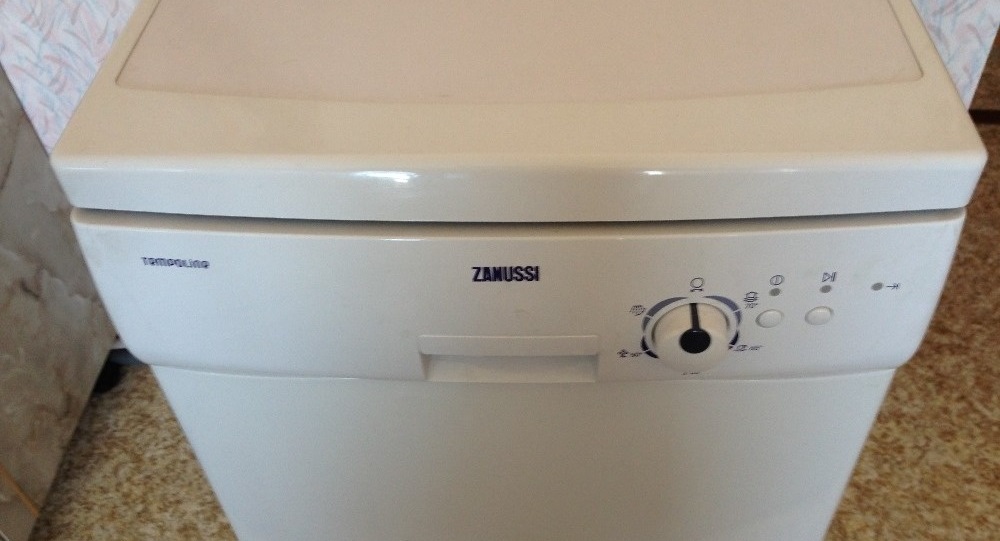
- a small tank or canister for draining waste liquid.
The list of required materials is even shorter than in the first installation option, so connection will be much easier. To do this, just follow a few simple steps.
- We set the operating mode to “C” and turn on the dishwasher.
- At this stage, the machine is trying to fill the dishwasher chamber with water, which it will not be able to do without a water supply, so you need to wait until the machine's valve turns on.
- Turn off the dishwasher temporarily, remove the baskets with dirty dishes, and begin pouring water from the bucket directly into the wash chamber using a small ladle. On average, it will take about five ladlefuls of water to reach the edge of the bottom basket, enough to complete a quick wash cycle.
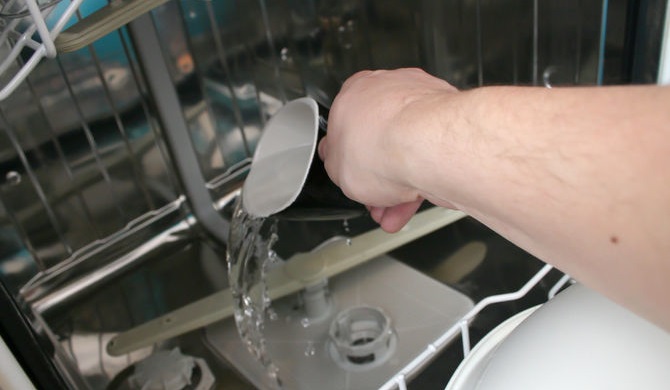
- Pour the washing powder directly into the water in the amount required for one working cycle.
- We push the basket back, close the washing chamber door and activate the valve again so that the machine starts working as if nothing had happened.
This method is only relevant for mechanical equipment, since an electronic model will lose the selected mode if there is no water and will restart it after being turned off, while a mechanical model will simply continue operating from the moment the user turned it off for manual filling.
During the draining phase, the machine will stop again, but this time to refill the wash chamber for rinsing dishes. Closely monitor the dishwasher to ensure you turn it off, add water, and restart the cycle in time. After the second manual water addition, you no longer need to remain near the machine, as it will automatically finish the cycle and drain the waste water into the water tank.
Thus, you have two possible methods for installing a dishwasher in the village. The first method requires more manipulation with the preparation of the water tank, so it is more complicated, and the second option is much simpler, but is only suitable for older mechanical "home assistants". Choose any method that suits you and forget about the lack of comfort at your dacha.
Interesting:




Readers' comments
Headings
Washing machine repair




For buyers




For users


Dishwasher




Add a comment