
Connecting the washing machine to the water tank
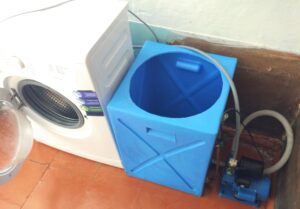 Rural homes and summer cottages are often not connected to the water supply, and even urban homes don't always have running water. However, installing automatic washing machines in these areas is possible. A 220V power supply and running water are required for the machine to operate. A sewer drain is optional. In unimproved homes, you can connect the washing machine to a water tank. Let's look at the installation principles.
Let's gather everything we need
Before installing a washing machine in a home without running water, you need to prepare the tools and materials. You'll need:
- adjustable wrench;
- building level;
- screwdriver;
- pliers;
- Measuring tape.
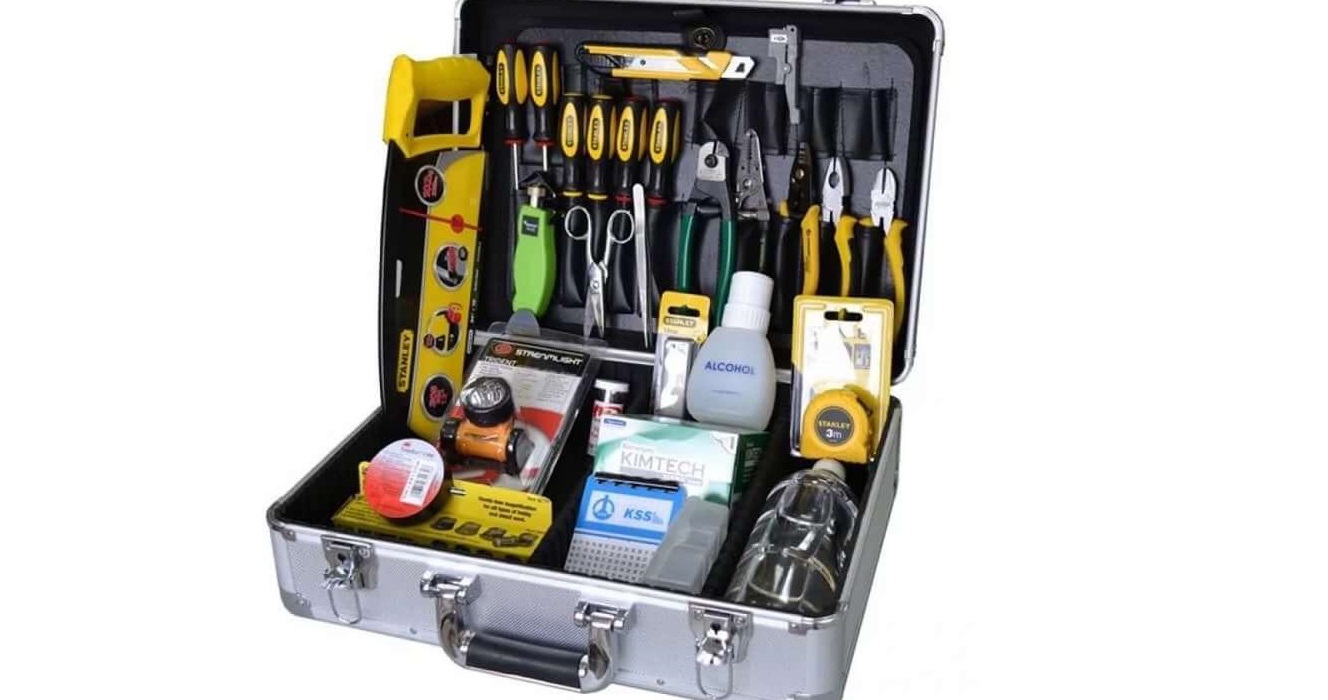
While the tools listed above are readily available in almost every home, you'll need to head to a specialty store for the materials. You'll need the following:
- 3/4 inch tee tap;
- sealing tape;
- flow filter;
- clamps;
- rubber seals;
- water hoses;
- electromagnetic valve;
- injection pump.
Important! The hose diameter and length, valves, and faucet are selected individually, taking into account the parameters of the specific washing machine model.
The connection process always has nuances that are impossible to foresee.
We carry out installation
Machines produced by different manufacturers have their own unique characteristics. Therefore, when describing how to connect a washing machine to a water tank, it's helpful to cover the basic operating principles. The specifics depend on the technical specifications of a particular model. We'll outline the basic steps for connecting a washing machine.
- The device is placed on a solid, level surface near the power source.
- A metal or plastic tank is installed near the washing machine. The volume of the water tank must be at least 50 liters.
- The tank should be positioned at least 50 cm above the floor. A support should be installed underneath it. Wooden blocks can be used for this purpose.
- It's advisable to equip the reservoir with a hinged lid. This will make filling it with water easier.
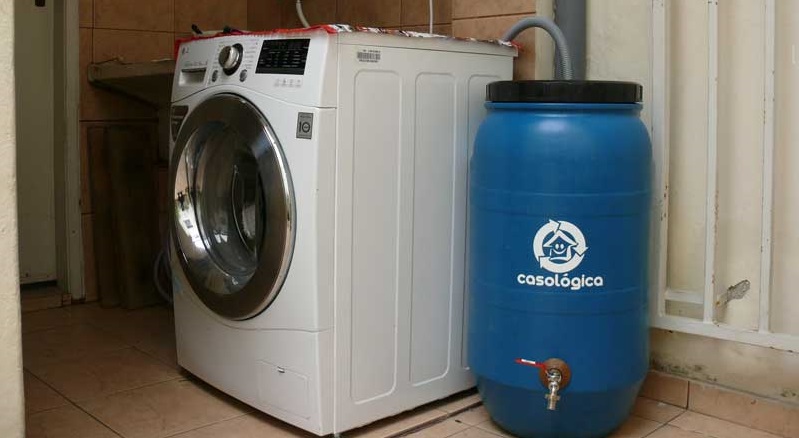
- A ¾-inch hole is made in the wall of the tank at the bottom for the tap, first a rubber seal is installed, and then the tee tap itself.
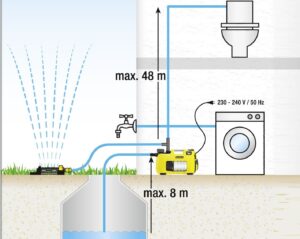
- Connect a pressure pump and a hose to it.
- The pump hose must be connected to the existing hose of the machine through the adapter.
- To ensure a secure connection, clamps are used. Plastic or metal parts are used for this purpose.
- The inlet valve is located under the top cover of the machine, which is first removed. The seals are removed to increase its flow capacity.
- A flow filter is placed in front of the valve.
After completing all the above steps, begin testing, checking the tightness and reliability of all connections, and the proper operation of the washing machine. A lack of water supply in the house is not an obstacle to installing an automatic washing machine. Even in such conditions, laundry can be washed quickly and efficiently. The main thing is to properly connect the machine to the water tank.
Interesting:
Readers' comments
Headings
Washing machine repair




For buyers




For users


Dishwasher




Add a comment