
Connecting a washing machine to a pumping station
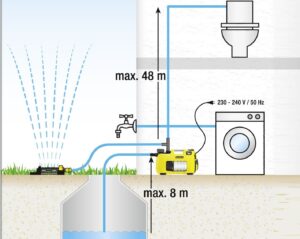
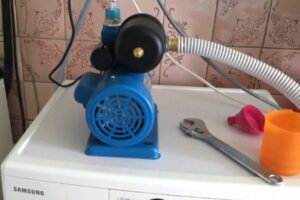 Without running water in your home, running household appliances can be a real challenge. Fortunately, this problem can be solved by connecting your washing machine to a pumping station. This equipment can provide water for both your home and your essential household appliances. How do you set up the device correctly, and what nuances should you consider?
Connecting the machine yourself
The washing machine has been purchased and delivered to your home or summer cottage, and all that's left is to figure out how to connect it. If your home's water supply comes from a well and a pumping station, for a simple yet high-quality connection to the water supply, you'll need:
- plastic pipe;
- two fittings;
- tee;
- tap;
- filter with a high-quality filter element.
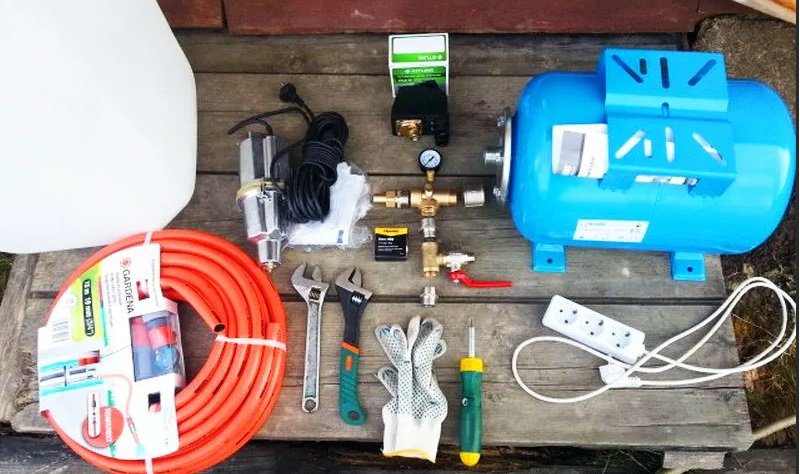
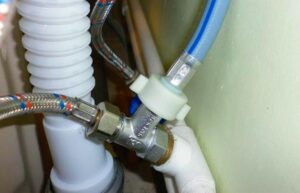
The pipe that will go to the washing machine must be installed in your filter and securely fastened with fasteners. The pipe can run simultaneously to the running tap and to the washing machine, thus providing the entire house with clean water. Once you've finished working with the filter, you should cut the pipe at any convenient location to install your tee into it.
Don't forget to make an opening under the fitting in the pipe, which can be easily done with a regular utility knife - simply chamfer the end of the hose so that the cuff does not curl during installation into the hose.
After completing the hose prep, attach the nut and tee (pre-lubricated with sealant for added security) to the hose, then screw the assembly securely into place. Gently tighten all three nuts on the hose to securely secure the tee without damaging the hoses.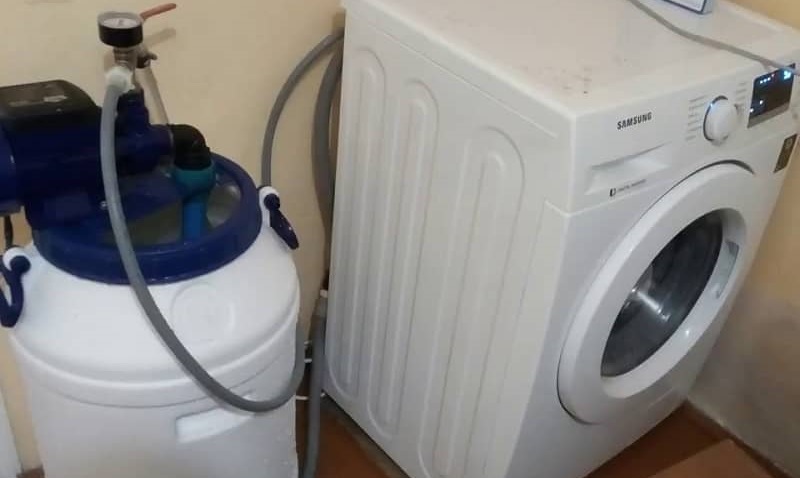
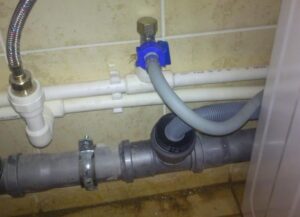
Then install a tap on the other end of the liquid supply pipe to the washing machine. If the diameter of the water drain on the "home helper" is larger than the diameter of the tube, then use electrical tape to level out this difference. Since there is no pressure there, this structure will hold perfectly with a clamp, so we put the drain hose on the pipe and carefully tighten it with a small clamp.
Don't forget to immediately unscrew the 4 transport bolts after delivery of the household appliance. These bolts are not required for normal operation of the device, and install plastic plugs in their place.
Now all that's left to do is connect the water supply and test the device. As you can see, the connection is easy to do yourself, even without specialized training or extensive plumbing experience. Just follow our instructions carefully, and you'll forget about dirty clothes at your dacha or home.
Is it possible to do without a pump?
Despite the incredible simplicity of the method described in the previous section, there's another way to connect your washing machine to the water supply. It's not only simpler, but also cheaper, as you don't need a well or even a pumping station.
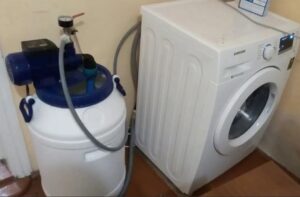
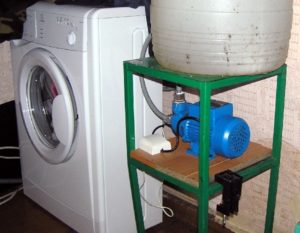
In this case, the water supply is connected via a tank, which should be located at a height of 2-3 meters. This location will ensure the liquid flows by gravity under low pressure.
Most often, users purchase large tanks and reservoirs of 200 liters or more so that they do not need to be filled too often. The tank is installed at a height of at least 2 meters above the floor level or more. Ideally, the tank should be installed in the attic directly above the room where the washing machine is located.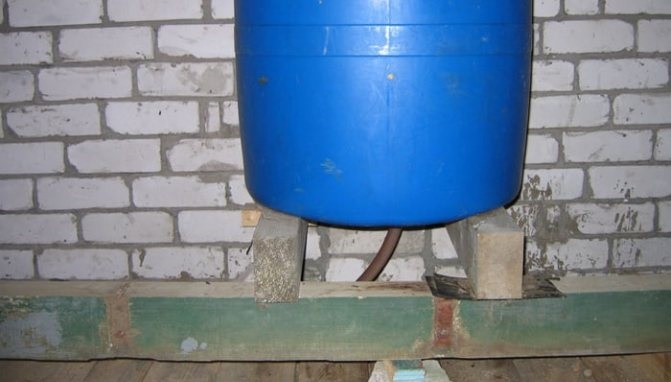
If the tank is needed not for a summer cottage but for a private home where people live year-round, additional consideration will need to be given to insulating the washing machine's liquid tank. During cold weather, the tank can freeze, making washing impossible. Therefore, it's advisable to always place the water tank near a radiator or stove pipe. In this case, the heat from the radiator or chimney will be sufficient to prevent the water tank from freezing in winter.
After installing the tank, drill a hole approximately 5-7 centimeters above the bottom and then insert the water pipe. This space, which acts as a settling basin, is crucial because it prevents harmful contaminants from entering your appliances.
Next, connect the washing machine's inlet hose to the pipe. Finally, it's time to fill the liquid tank, which can be done using either buckets of water or a small pump. If you choose the pump option, you'll need to install a float switch so it activates immediately after the tank is full and prevents overflow.
Once you have completed connecting your washing machine to the water supply, you should also consider draining the waste water. In a private home, you can use a large tank dug directly into the ground, or another equivalent local sewer system, which will be built in accordance with all laws to avoid harming the environment. So, even in a country house or a private home, you shouldn't deny yourself the opportunity to purchase a convenient "home assistant," as it's easy to connect yourself, even without running water.
Interesting:
Readers' comments
Headings
Washing machine repair




For buyers




For users


Dishwasher




Add a comment