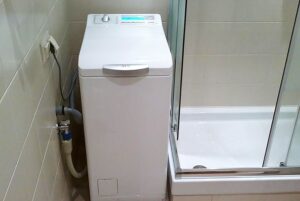
Housewives accustomed to using an automatic washing machine can no longer resist its help, even at their summer cottages. Many people living in private homes without amenities also want to install a washing machine. Connecting a washing machine in a room without central utilities is challenging, but entirely possible. We'll explain how to install it and what you'll need.
Let's use the pumping station
Villages, towns, and summer cottages often lack running water or sewerage. Therefore, residents have to make do and figure out how to use their washing machine in these conditions. Many manage to connect their washing machine to a well. What do you need to do this?
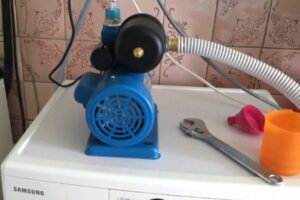
To connect the automatic machine from the well, you will need a pumping station.
Modern pumps are designed to ensure uninterrupted water supply to cottages, summer houses, and farms. These stations are capable of maintaining normal water pressure in the system. They start and stop automatically, depending on water consumption.
The choice of models is quite wide. It is necessary to purchase a pumping station with sufficient capacity, pressure and optimal power. We'll tell you what options you can consider.
The VIKHR ASV-370/2 surface pumping station is designed to provide uninterrupted water supply to homes, cottages, and other consumers. This is a budget-friendly model with relatively good specifications. The pump body is made of cast iron. It requires 370 V and has a flow rate of 2.7 cubic meters per hour. Its maximum head is 30 meters, and its suction depth is 9 meters. The pump costs approximately $51.
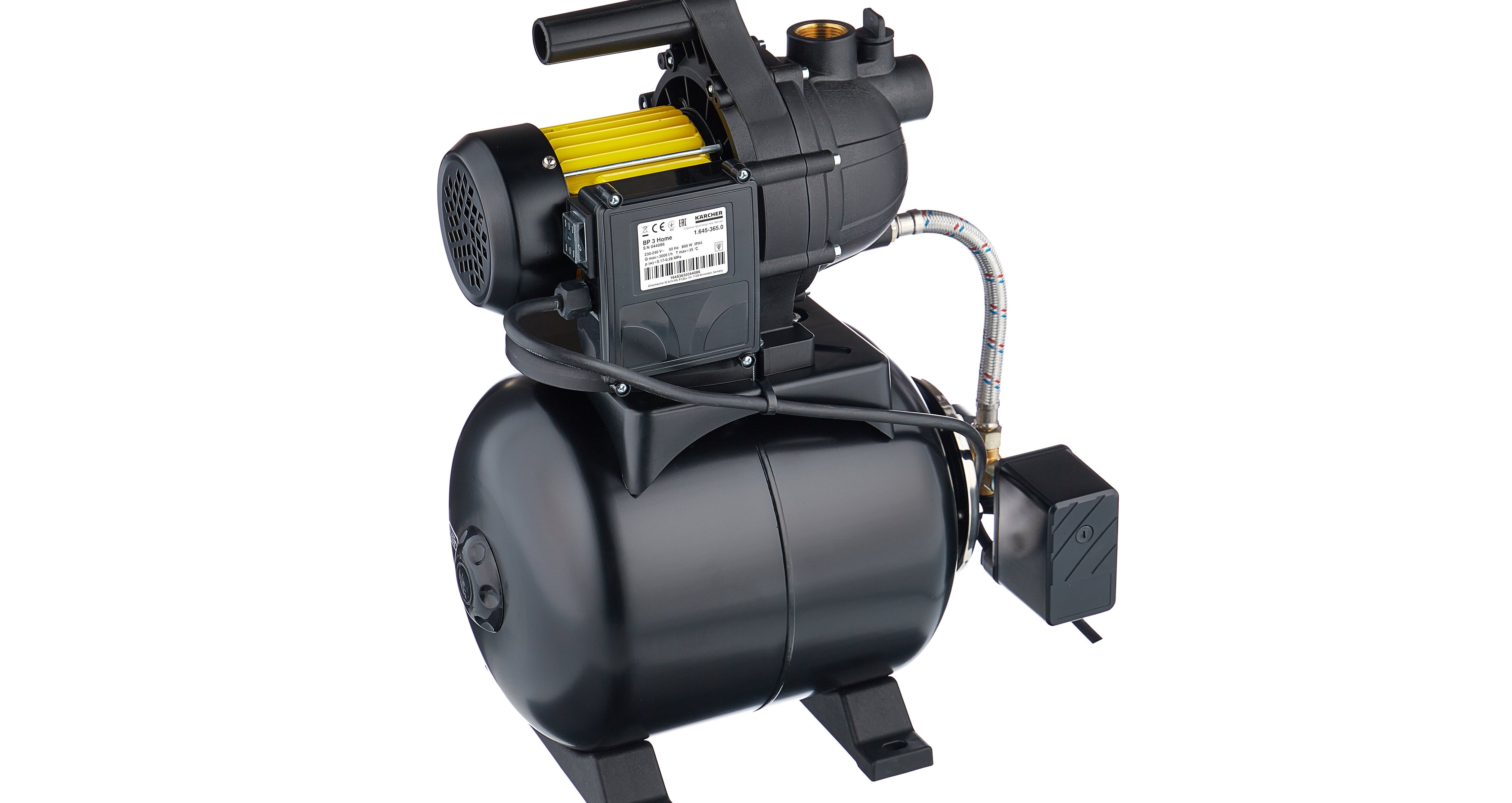
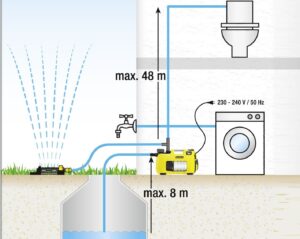
The KARCHER BP 3 Home surface water pump is designed specifically for dispensing industrial water for washing machines, dishwashers, and bathrooms. It can easily draw water from shallow wells. It features overheating protection and a check valve. It has a suction depth of 7 meters and a maximum pressure of 36 meters. The pump delivers up to 3 cubic meters per hour. Power consumption is 800 watts. The housing is made of stainless steel. The PNS costs approximately $105.
The Energomash NG-9742VS pumping station has a capacity of 2.1 cubic meters per hour. The unit has a power output of 420 W and a maximum submersion depth of 8 meters. The housing is made of durable cast iron, and the pressure can reach 35 meters. The pumping station is installed horizontally. The cost of this budget model is approximately $60.
The powerful Stavmash NS-1200 surface pumping station, priced at $80, provides a flow rate of 4.2 cubic meters per hour. Its maximum submersion depth is 8 meters, and its head is up to 60 meters. It is designed to pump clean water at temperatures up to 40 degrees Celsius. Its power consumption is 1200 watts. This unit is worth considering if your well is located quite far from your home.
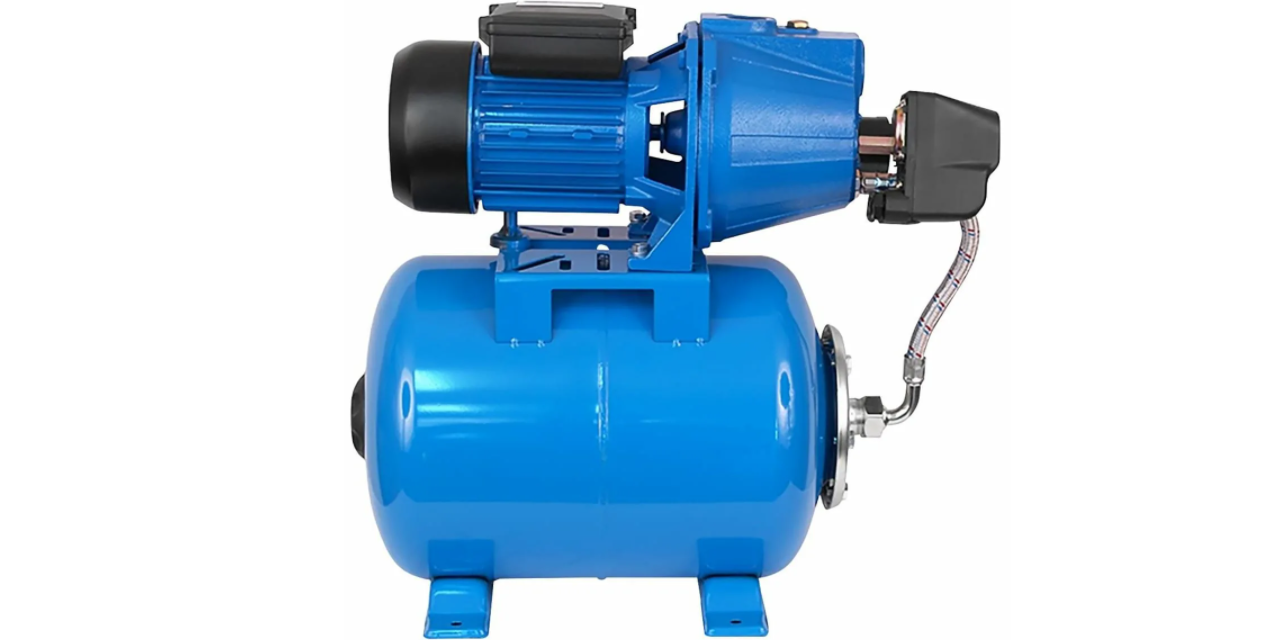
The JEMIX ATJET-100 surface pumping station with overheat protection is designed to provide automatic, uninterrupted water supply to cottages, houses, and farms. It can also be used to fill irrigation tanks. The suction depth is 8 meters. The maximum pressure is 45 meters. Power consumption is 750 watts. The pressure tank capacity is 24 liters. The model is priced at $79.
When choosing a pumping station, consider the well's depth, its distance from the house, and the pump's capacity. You can buy a pump for as little as $50 or as much as $300. Everything will depend on your specific situation and your budget.
After purchasing a PNS, the question arises: how to connect the washing machine? First, a filter must be installed on the supply pipe, which is lowered into the well. In most cases, this is a simple mesh that will trap large impurities in the water. A check valve is installed after the filter element, and then the main pipe runs.
The pipe must be brought out through the well wall at a level slightly below the soil freezing depth. It is then laid in a trench at the same distance from the topsoil.
The pipe should be laid in a straight line - this will make it easier for the pump to pump water.
If your region experiences fairly cold winters, it's best to insulate the pipeline additionally. This can be done by laying expanded polystyrene sheets on top, then filling it with sand and then soil. At the entrance to the house, the pipe is passed through the foundation and then up to the pumping station.
If the water supply system is properly configured, it will function without problems. The disadvantage of this method is that you'll have to dig a trench and run the pipe through the well wall and the house. To minimize the risk of leaks, it's best to purchase high-quality pipes.
Besides installing a surface pumping station, there's another, simpler way to connect a washing machine. This way, you won't have to spend $50–$100 on a pump and pipes, dig trenches, or drill holes. Let's look at this second acceptable method.
Water supply by gravity from a reservoir
There's no need to try to connect your washing machine to a well. There's another, simpler and cheaper way. In this case, you won't need to purchase a pump.
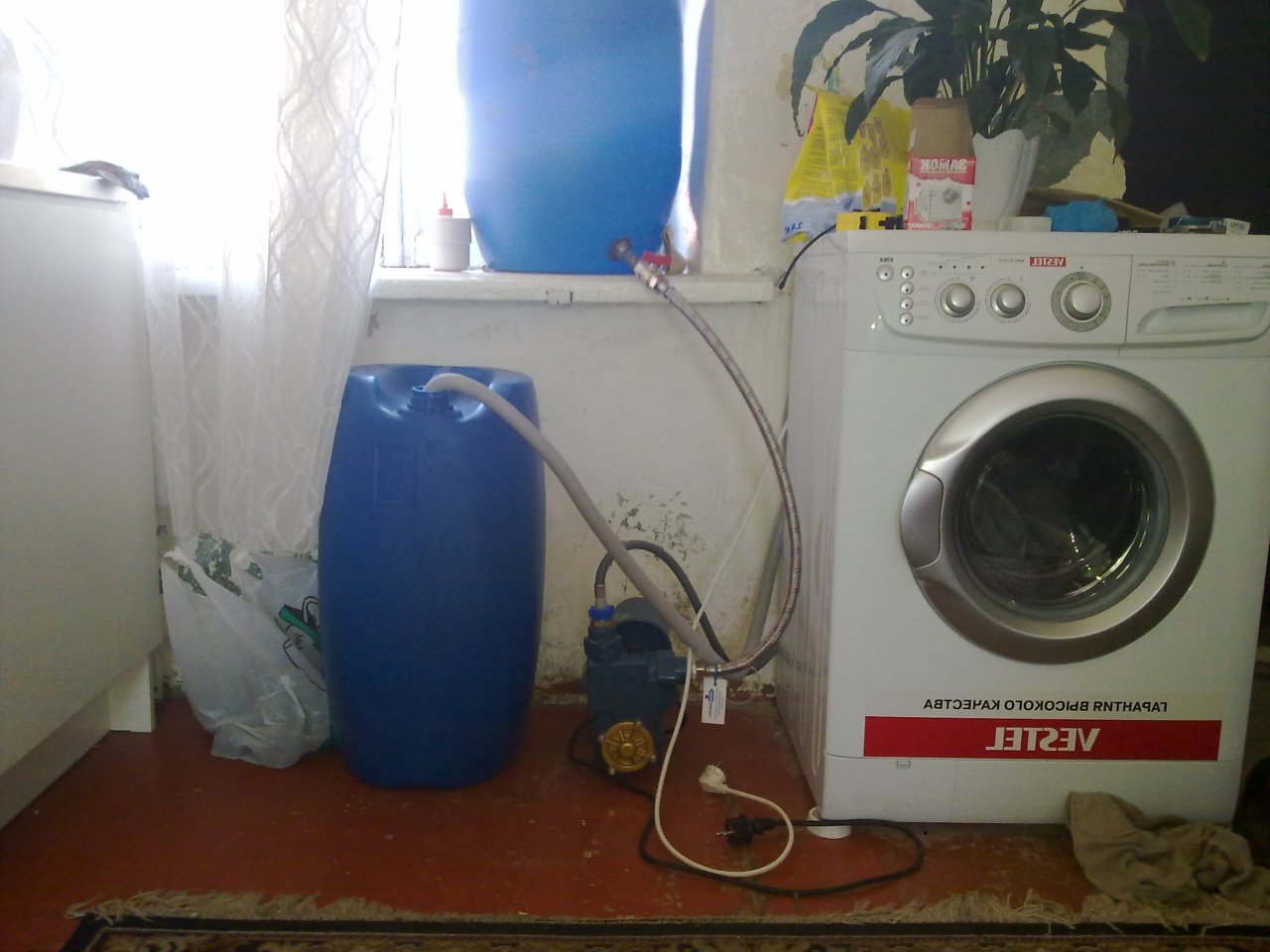
How is water supply organized? The washing machine is connected to a tank located at a certain height (2-3 meters). This ensures that water moves by gravity under low pressure.
Users typically opt for 200-liter tanks. This is quite sufficient. The tank should be installed at least 2 meters above the floor. If possible, the tank should be placed in the attic, above the room where the washing machine is located.
If you live in a private home year-round, it's worth considering insulating the tank. It's important to prevent the water from freezing during cold weather. Alternatively, you can place the barrel near the stovepipe—the heat from the chimney will be sufficient to keep the tank warm.
A hole is drilled in the tank, 5-7 cm above the bottom, into which a water pipe is inserted. This step is crucial to prevent sediment from entering the washing machine. This creates a sort of settling basin.
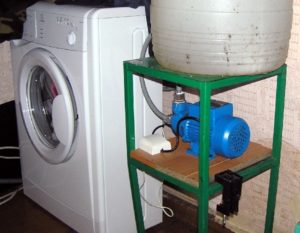
The inlet hose of the washing machine is connected to the pipe. The tank can be filled in various ways, including with buckets or a pump. When using a pump, be sure to install a float switch that will activate when the tank is full.
When connecting a washing machine, you'll need to not only organize its water supply but also plan where the wastewater will be discharged. This could be a buried tank or another local sewer system that complies with environmental regulations and is safe for residents of the home.

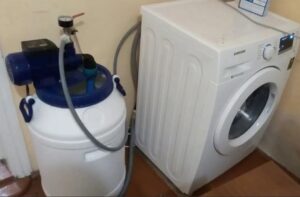 Housewives accustomed to using an automatic washing machine can no longer resist its help, even at their summer cottages. Many people living in private homes without amenities also want to install a washing machine. Connecting a washing machine in a room without central utilities is challenging, but entirely possible. We'll explain how to install it and what you'll need.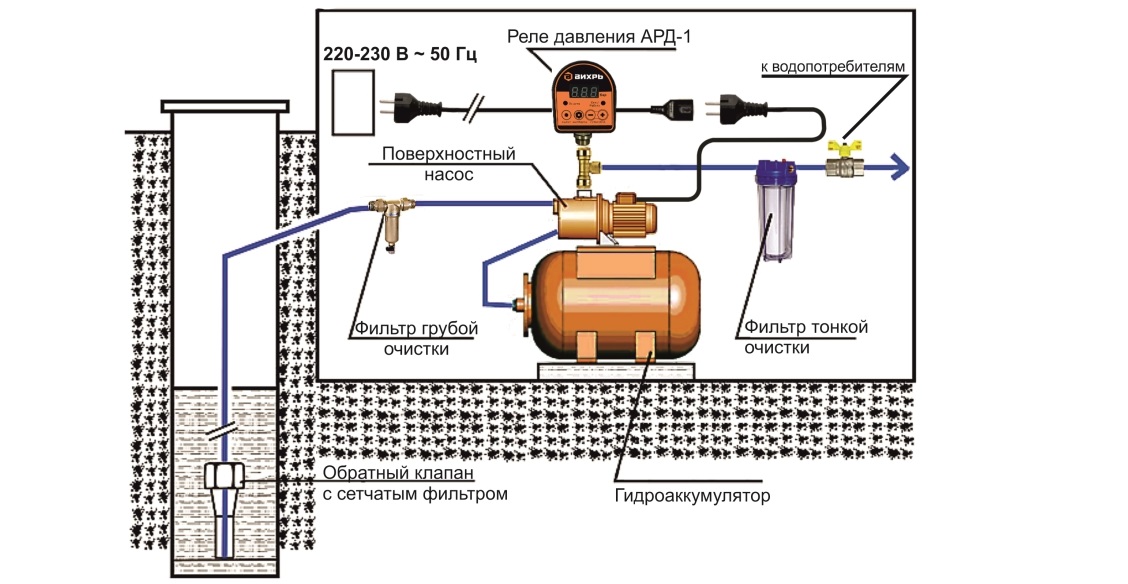















Add a comment