
Connecting a semi-automatic washing machine
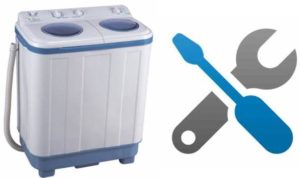
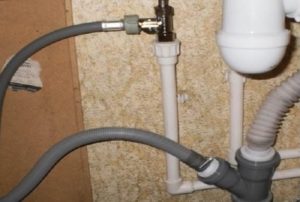 Much has been said about the proper placement of standard automatic washing machines, but what about semi-automatic models? Everyone knows they're less demanding and don't require a central water supply. So, the question arises: how do you connect a semi-automatic washing machine? Is it even possible, or is this machine only suitable for summer cottages?
Connecting semiautomatic devices to communications
In fact, ease of installation is another competitive advantage of semi-automatic machines over their fully automatic counterparts, in addition to their low price. Installation doesn't require any special skills; you just need to consider a few subtleties for more comfortable operation.
Important! The water is filled and drained manually by the owners, so there must be a water source and a bathtub or toilet for flushing near the semi-automatic unit.
The bathroom is considered the ideal location for such equipment. Not only because the tap for filling and the bathtub for draining are within easy reach, but also because the bathtub is very convenient for rinsing laundry. While semi-automatic machines do have a rinsing function, years of experience have shown that manual rinsing is much better and even takes less time. After rinsing by hand, the laundry can be placed in a centrifuge and spun automatically.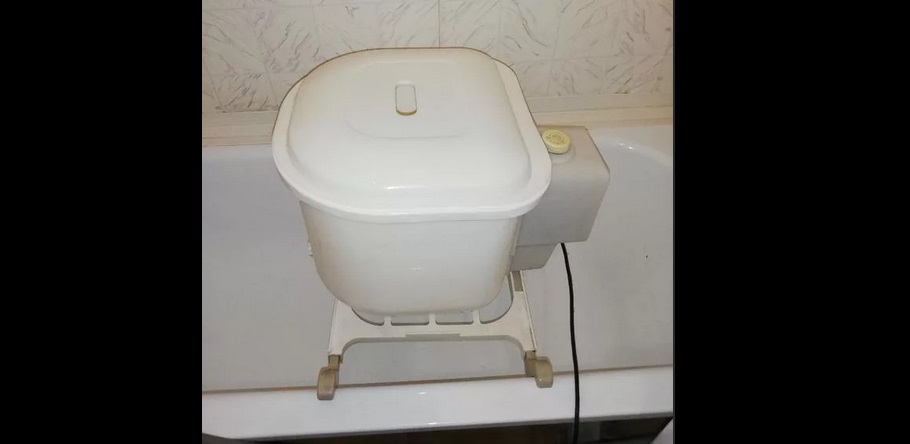
If you still want to delegate the rinse cycle to the washing machine, you can install it anywhere and connect it to the water supply via a 3/4-inch tee faucet. The faucet connects to the hot water pipe, and the inlet hose runs to it.
Opening and closing the tap starts and stops the filling of water into the SM tank.
The drain can be connected to the sewer pipe in the same way, by installing a tee on it. A rubber cuff should be inserted into the side opening for the hose to prevent the hose from slipping off at an inopportune moment. However, this method is not convenient, as you'll still have to monitor the drain every time.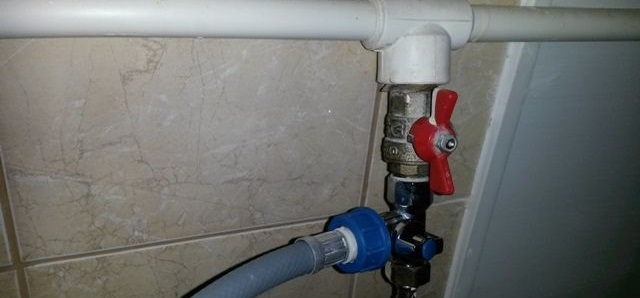
Regarding the flooring, it's best to place the unit on a pre-leveled concrete floor, using anti-vibration pads. Finally, don't forget about the ease of use of the outlet. Cords strewn all over the floor, especially in the bathroom, are highly undesirable.
Before connecting, consider how to install the washing machine at a slight angle toward the drain. It doesn't have a pump, and the water after washing is forced out by physical force. If the liquid is not completely drained, the washing machine will become a breeding ground for microbes, a source of unpleasant odors, etc.
How to use a semi-automatic machine?
If your washing machine has a spin function, its wash cycle will almost certainly consist of the following steps.
- Pouring warm water into the tank.
- Dissolving detergent in it.
- Connecting the washing machine to the power supply network.
- Select mode.
- Starting the wash.
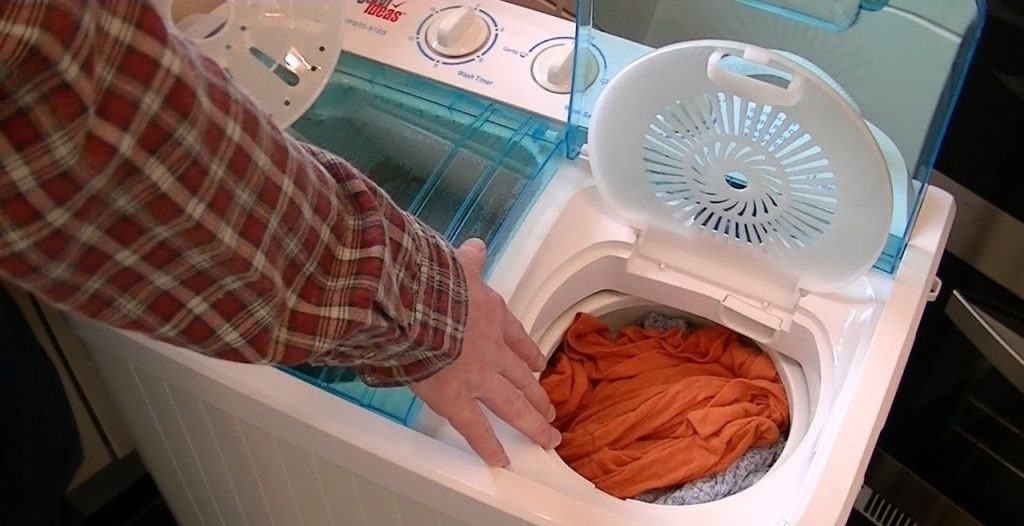
- Rinsing the laundry with a change of water.
- Transferring clothes to the centrifuge tank or starting the spin cycle in the same tank.
- Disconnecting the machine from the network.
- Removing laundry from the tank.
- Draining water.
Learning to use a semi-automatic washing machine is not difficult. Installation is even easier. Anyone can handle this task themselves. Furthermore, the washing machine isn't tied to a specific location and can be easily transported wherever you need it. The main thing is a working outlet and a source of clean water nearby, and the rest is a matter of technique.
Interesting:



Readers' comments
Headings
Washing machine repair




For buyers




For users


Dishwasher




Add a comment