Installing a washing machine with Aquastop is not much different from connecting it to the water lines of a regular washing machine. However, the presence of the Aquastop safety unit where the inlet hose connects often confuses users. Let's look at how to properly connect the equipment, what not to do, and what problems you might encounter during installation.
Features of hose connection
You don't need to call a professional to connect a washing machine with Aquastop. You can do the job yourself—the main thing is to follow the recommended procedure. First, consult your washing machine's manual; it provides detailed instructions on how to connect the washing machine to the utility lines.
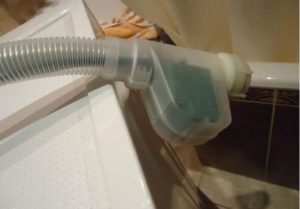
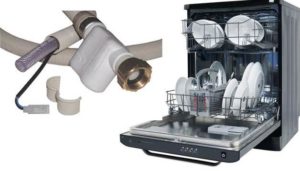
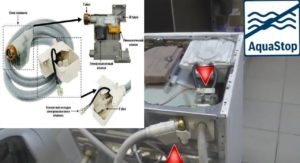
Aquastop is a protective device designed to prevent leakage if the inlet hose of the automatic washing machine is damaged.
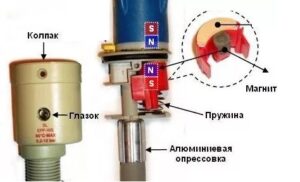
The Aquastop system is a special spring-loaded valve. It activates when water pressure drops. If a leak occurs, the flow of water into the washing machine is immediately cut off. The inlet hose of automatic machines with Aquastop is thicker than standard hoses. It can withstand pressures up to 70 bar. If the hose supplied with the washing machine is too short, do not extend it, as this will compromise the safety features.
What to do when the “factory” length is not enough? If you connect the Aquastop unit to a regular inlet hose, the leak protection will not function. Therefore, to ensure proper connection, you'll need to purchase a longer "aquastop" hose. If you don't have the money, you can resort to a cheaper method. To connect the short inlet hose to the water supply, you'll need:
tee;
a whip with a metal fitting with a 3/4 inch thread;
soldering iron and related consumables.
The "extension" should be large enough to accommodate the factory-fitted hose with Aquastop. A tee is installed in the pipe, and a prepared extension is soldered to its free end. The filling hose is screwed onto it. This method is suitable for those who already have a soldering iron for plastic pipes or who can lend one for free.
How to organize a cut-in?
If you already had an automatic washing machine, installing the new one yourself takes just a few minutes. There's no need to create connections for the inlet and drain hoses. You can use the existing service outlets.
To connect a washing machine with Aquastop to a metal-plastic water pipe, simply cut it and install a special tee. The inlet hose is connected to the branch pipe. The procedure is as follows:
turn off the water supply to the apartment;
measure the tee and mark the boundaries of the fitting on the pipeline;
cut out a section of water pipe that matches the size of the tee;
secure the sealing rings with the nut;
take the calibrator;
Using a tool, flare the ends of the pipe at the location where the tee is mounted;
pull the pipe onto the fitting nipple;
Move the sealing rings to the joints and tighten the nuts.
It's important not to forget about the shut-off valve. The valve should be screwed to the fitting before cutting into the pipe. This will prevent damage to the metal-plastic water pipe.
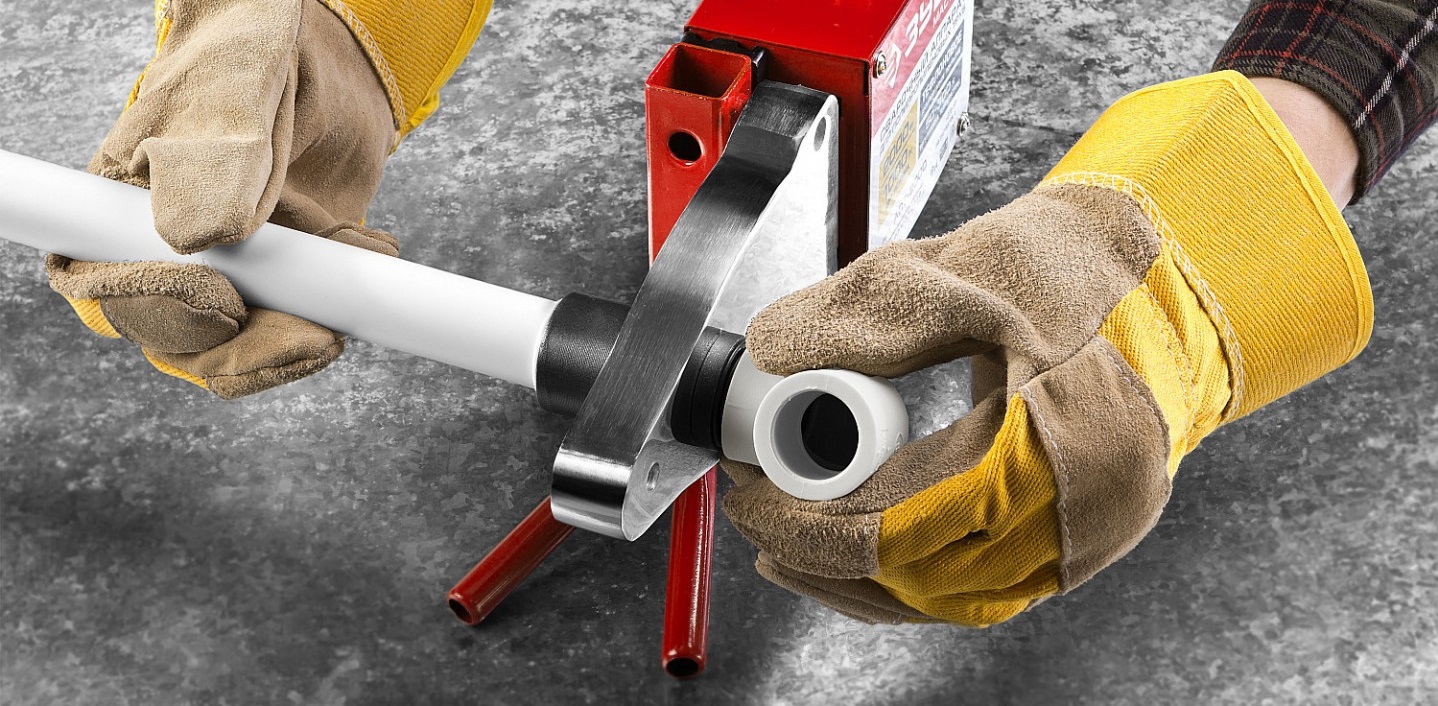
If your apartment has plastic water pipes, connecting the machine will be more complicated. Special fittings will need to be used during installation. You'll also need a special tool to weld the pipe fittings to the adapters.
Connecting a washing machine to the sewer is easier with a trap with a side telescopic outlet. The drain hose is screwed onto a special outlet and securely fastened. The outlet must be located at least 60 cm above the floor. The drain hose must be angled to prevent water from draining out of the tank.

 Installing a washing machine with Aquastop is not much different from connecting it to the water lines of a regular washing machine. However, the presence of the Aquastop safety unit where the inlet hose connects often confuses users. Let's look at how to properly connect the equipment, what not to do, and what problems you might encounter during installation.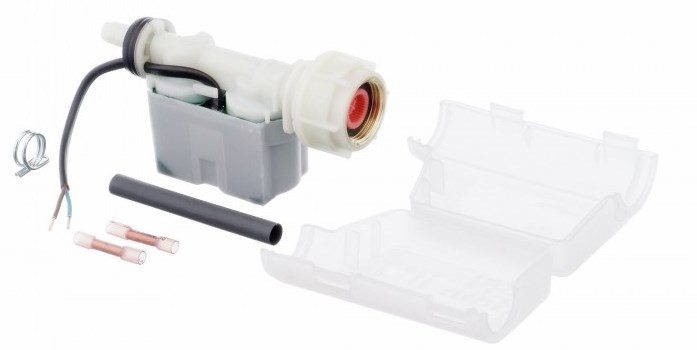















Add a comment