
Connecting the dryer to the ventilation
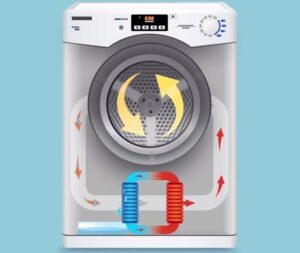
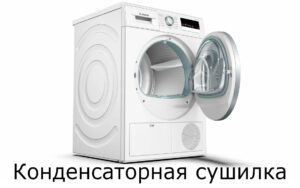
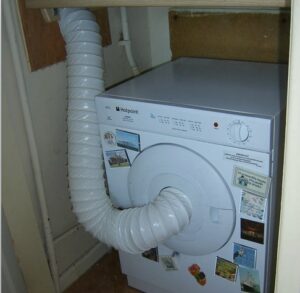 Condenser dryers with heat pumps are the most popular today. These units eliminate the need for any additional wiring other than electrical. Simply plug the machine into a power outlet and start drying. Ventilation-based dryers, however, require an exhaust system to vent all moisture directly to the outside. Let's look at how to connect a dryer to a ventilation system.
We are putting a ventilation dryer into operation
A dryer is an essential household item. However, when using a vented dryer, it must be properly connected to the system to ensure efficient operation and avoid moisture leakage problems inside the room. This process is broken down into the following steps:
- Preparation;
- determining the installation location;
- pipe installation;
- connection to the ventilation system;
- testing.
Before you get started, make sure you have all the necessary materials and tools!
These include a ventilation pipe, a corrugated pipe, aluminum tape, fasteners, as well as a screwdriver, drill, and sealant. Next, you'll need to determine the optimal location for installing the dryer. Typically, these units exhaust moisture through the rear panel, so the installation location should provide easy access.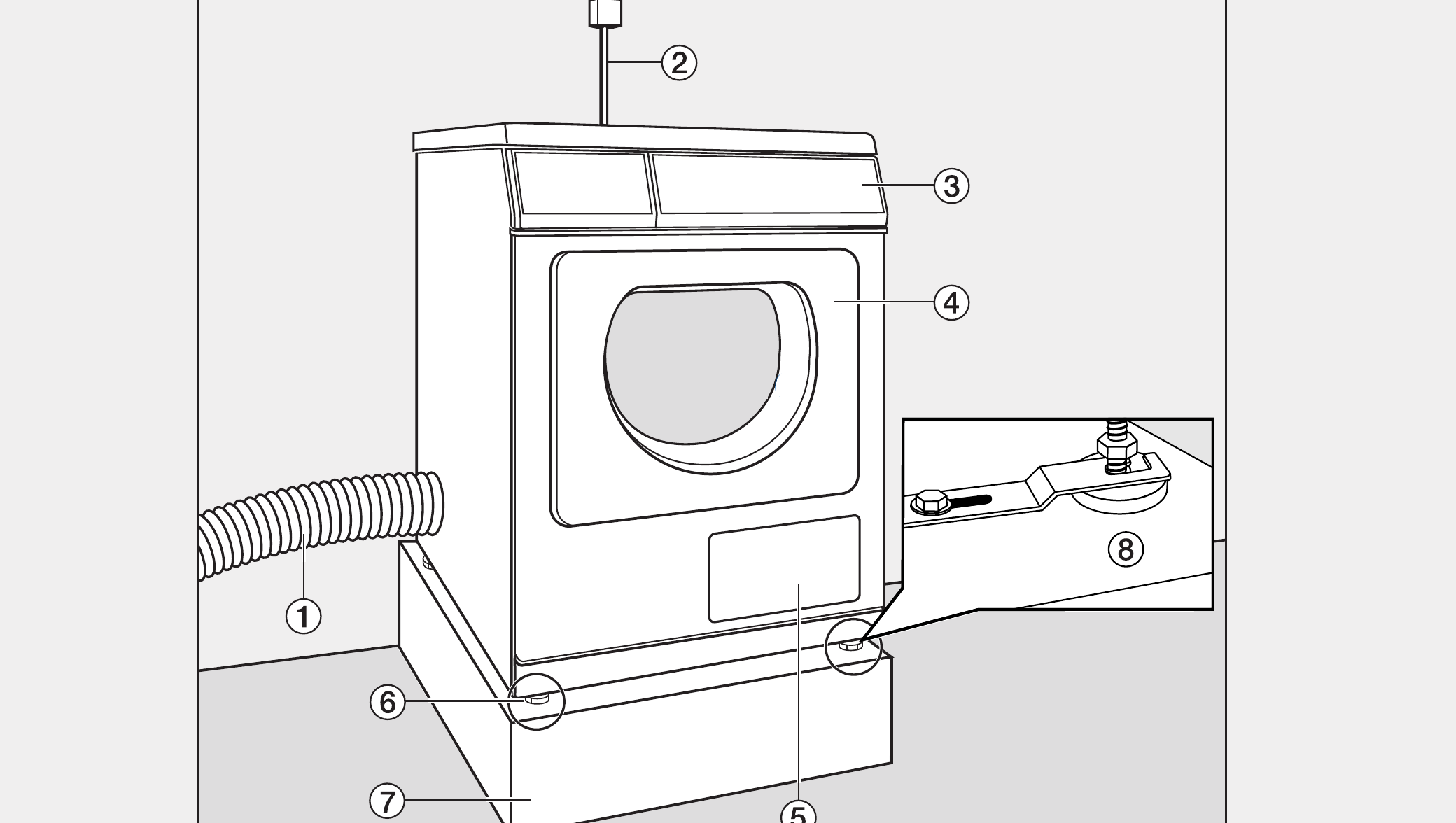
Once you've selected the location, you need to connect the duct that will remove moisture from the dryer. It's important to choose high-quality ventilation ducts with the appropriate diameter to ensure effective moisture removal. Once the duct is secured, it should be connected to the ventilation system. This process may require the installation of a special adapter or reducer, depending on the specific configuration of your ventilation system.
There's a hole on one side of the hood to which the flexible duct should be connected. A special clamp is included for this purpose. The end of the flexible duct should be routed either to the central ventilation system or out a window if there isn't one. It's important to note that bending the flexible duct at a 90-degree angle is not recommended, as this can significantly reduce the hood's efficiency. Therefore, try to ensure the duct has as few bends and turns as possible.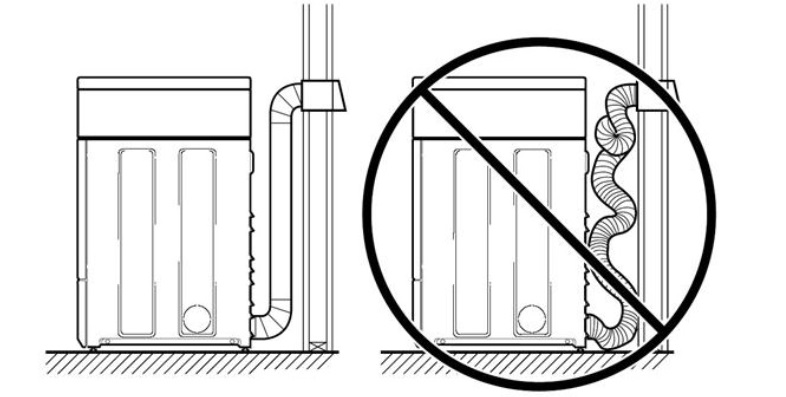
Another important note: if you're installing the dryer in a room with high temperatures, don't route the ductwork through the ceiling. Condensation will collect and block airflow. It's better to use another option. For example, cut a hole in the wall opposite the dryer's exhaust so that the ductwork is horizontal.
After installation, you should perform a test connection to ensure that moisture is being properly removed from the dryer into the ventilation system. To do this, run the unit for a short cycle and check the removal. Also, be sure to check that the vent pipe is securely fastened and that the connection is made according to the dryer manufacturer's recommendations. After this, the installation is complete. This entire process seems complicated, but if you carefully follow the steps listed and seek professional assistance if you encounter any difficulties, this task can be completed effectively.
Aceline DM-AV8WI/WB
Ventilated dryers are rare in stores these days, but they offer certain advantages over other types of dryers. Consider the Aceline DM-AV8WI/WB. It costs just $240 but can dry up to 8 kg of laundry in just a few hours. The ventilated drying system features a 102-litre drum with reverse rotation, which prevents creasing of fabrics and makes subsequent ironing easier. The built-in filter captures small particles, dust and lint, so they are blown out of the laundry during operation.
The galvanized steel drum is corrosion-resistant. The electronic control panel is one of this dryer's distinguishing features. It allows you to easily select the desired drying program and adjust the settings according to the fabric type, ensuring high-quality results. The device offers 11 different options, including programs for delicates, synthetics, cotton, and other materials. This allows the user to precisely select the optimal setting for each type of laundry.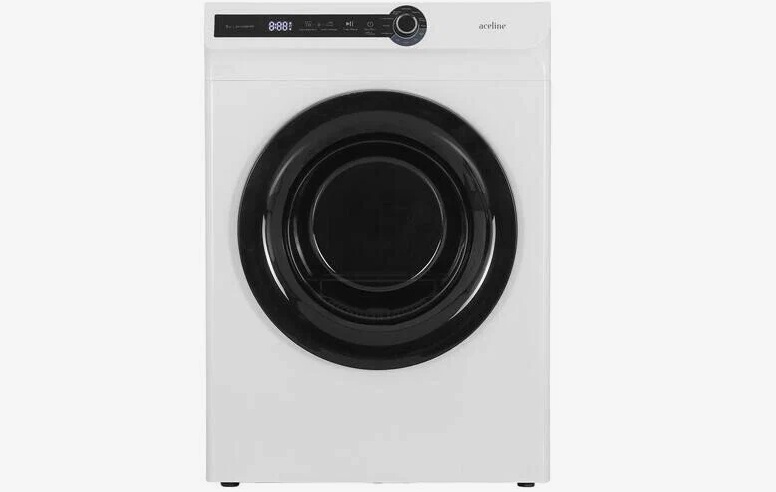
Another feature of the Aceline DM-AV8WI/WB is its anti-crease mode. At the end of the drying cycle, the drum continues to move at a low speed, preventing creases and pinching. This minimizes the time spent ironing.
Another important feature of this model is the interior lighting. It facilitates loading and unloading laundry. Now the user can easily see what's going on inside the drum and ensure all items have been removed.
The Aceline dryer's modern design is also noteworthy. Its stylish appearance not only enhances the space it occupies but also highlights the device's innovative nature. Taking efficiency and convenience to a new level, this brand's dryer becomes an indispensable assistant for caring for your laundry. Its reliability and functionality make it an excellent choice for modern users.
Interesting:
Readers' comments
Headings
Washing machine repair




For buyers




For users


Dishwasher




Add a comment