How to choose a shock absorber for a washing machine?
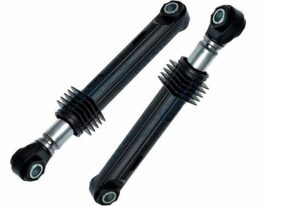
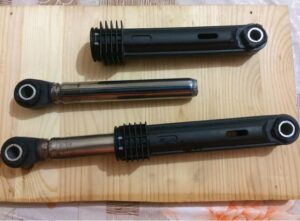
Every washing machine is equipped with shock absorbers. These special devices support the drum and reduce vibration. Over time, these damping elements can fail, requiring urgent replacement. Choosing the right shock absorber for your washing machine is crucial. The easiest way is to remove the old unit from your washing machine and take it to the store – a salesperson will then be able to find a similar part for you. If you're ordering parts online, you'll have to figure it out yourself. Let's look at what characteristics of shock absorbers to look for.
The nuances of selecting shock absorbers
When choosing components for an automatic washing machine, you need to approach the matter carefully. It's important to purchase parts that are compatible with the specific model. This also applies to shock absorbers.
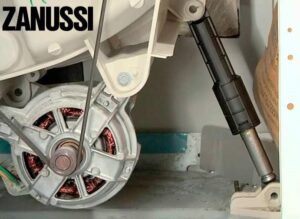
Dampers are special devices designed to reduce vibrations generated by a machine. Their operating principle is similar to that of automotive shock absorbers. The damping elements support the washing machine drum, preventing it from hitting other internal components and the walls of the housing.
The service life of the shock-absorbing elements depends on the intensity of use of the automatic machine and the number of items placed in the drum at one time.
If you constantly overload your "home helper," the shock absorbers will fail much sooner. Therefore, it's crucial to strictly adhere to the manufacturer's maximum permissible load weight. Indirect "symptoms" indicating problems with the shock absorbers include:
noise and creaking sounds emitted during equipment operation;
the drum rotates with difficulty;
noticeable play and “skew” of the drum;
the tank is too loose.
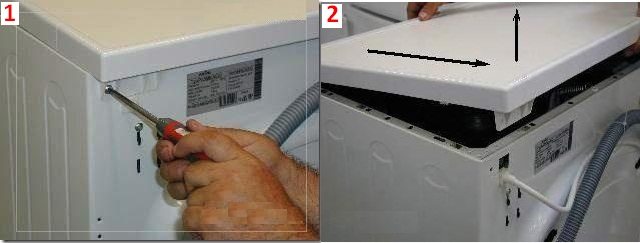
To check the shock absorbers, remove the top cover of the machine. Press firmly on the tank and release it quickly. If the shock absorbers are working properly, the tank will bounce and lock into place. If the tank bounces up and down, the springs are not doing their job.
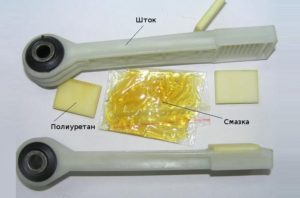
Repairing shock absorbers is not practical. Experts recommend purchasing and installing new dampers immediately, especially since they are inexpensive. When choosing components, we'll explain what criteria to focus on.
Washing machine manufacturers typically source some components from third-party companies. This includes shock absorbers. Damping elements produced under the Philco, AKS, and Indesit brands have proven themselves to be effective. When purchasing, it's important to pay attention to these brands.
If there's no complete replacement for the shock absorber installed on your washing machine, it's perfectly acceptable to choose a device from a different brand with similar characteristics and even at a more attractive price.
When selecting components, pay special attention to the shock absorber length. It should precisely match the dampers installed on your car. If your springs have a travel of 180-250 mm, be sure to purchase a similar length.
The bushing on the new shock absorber must be the exact size. If the old unit's diameter is 8 mm, the new one should be the same.
Be sure to check the spring stiffness. It should match the value specified by the automatic transmission manufacturer.
Experts do not recommend installing shock absorbers of a different stiffness in the machine, as this may damage the washing machine.
Here are a couple more recommendations to help you choose a shock absorber for your washing machine. Almost all Samsung washing machines have shock absorbers with a length of 155-265 mm. The bushing diameter is 10 mm. The manufacturer states the permissible damper stiffness ranges from 60N to 100N. The only exception is short springs with a 40 Newton rating.
Bosch Maxx washing machines, as well as similar ones from Siemens, Gagenau, and Neff, are equipped with shock absorbers with a stiffness of 90 Newtons and a working length of 170-250 millimeters. Ready-made repair kits are available for these machines, which is quite convenient.
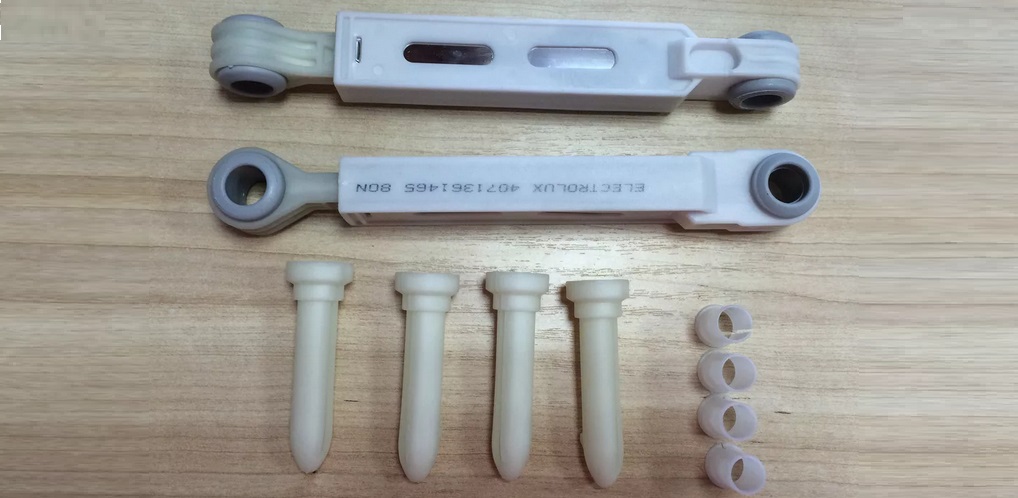
The damping elements of LG washing machines are similar. These shock absorbers are 180-278 mm long, with a bushing size of 11 mm. The acceptable stiffness of these units ranges from 80 to 120 Newtons. Choosing replacement shock absorbers isn't all that difficult. The key is knowing the washing machine model and serial number. It's also a good idea to remove the old damper and check for any markings.
Removing failed shock absorbers
To restore the washing machine, worn dampers will have to be replaced. To remove the old shock absorbers, you need to remove the front wall of the automatic machine. You can do the job yourself. The steps are as follows:
de-energize the equipment;
turn off the tap that supplies water to the system;
detach the inlet hose from the body;
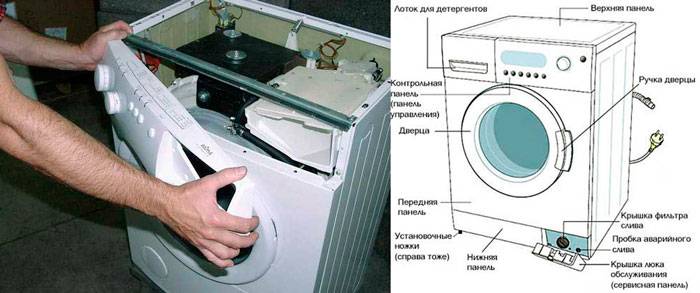
Unscrew a couple of screws holding the top panel of the washing machine and move the cover aside;
remove the powder receiver from the “bunker”;
Unscrew the bolts holding the control panel and remove the latches that secure it;
Take a photo of the wiring diagram for the instrument cluster to avoid making mistakes during reassembly;
reset the contacts and disconnect the control panel from the housing;
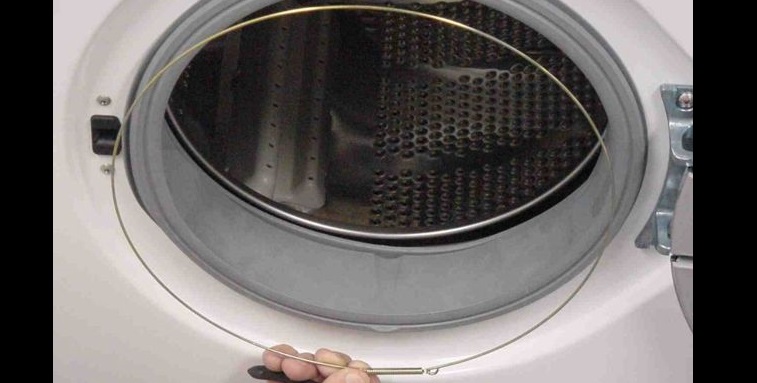
open the hatch and remove the outer clamp of the drum cuff;
tuck the sealing rubber inside the machine;
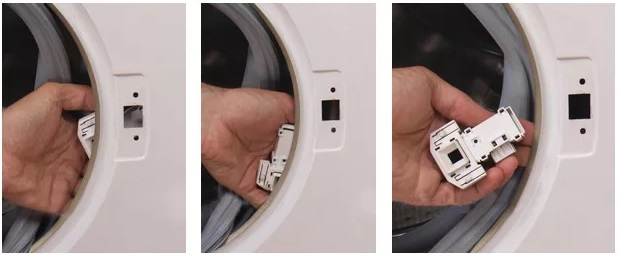
remove the bolts holding the hatch locking device;
remove the lock;
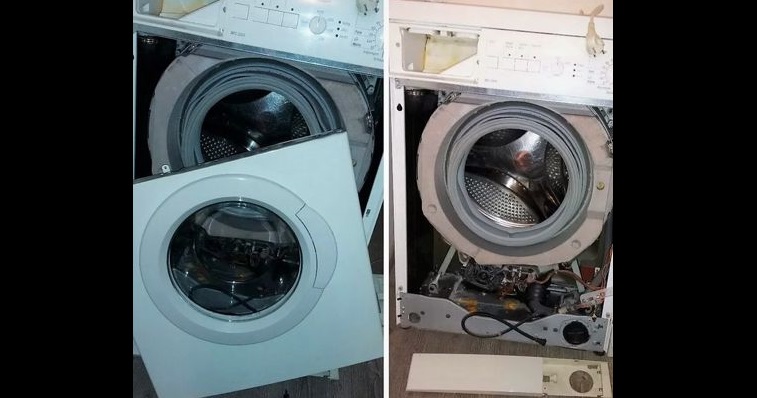
remove the lower false panel by releasing its latches;
Unscrew the bolts securing the front wall of the case and remove it.
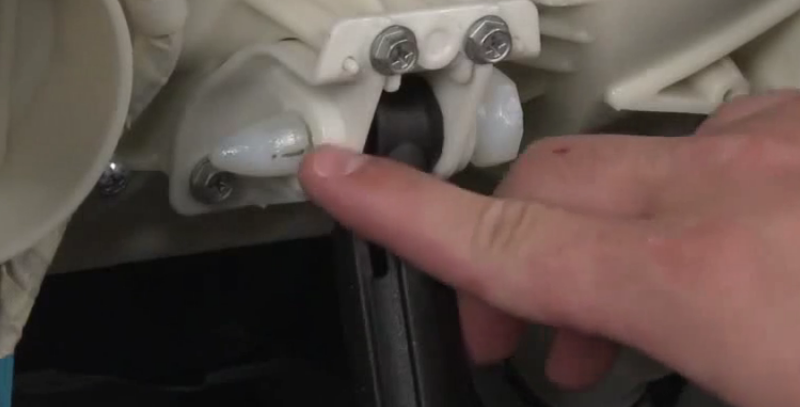
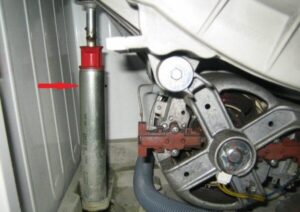
Now you can see the shock absorbers—they're located under the tank. They're typically secured with two bolts. To remove the shock absorbers, follow these steps:
Place the nut on the back of the rod mount. This is necessary to disengage the latch;
take hold of the rod with pliers and carefully pull it towards you;
unscrew the bolt from below.
To install a new shock absorber, perform these steps in reverse order. Then reassemble the machine and run a test wash. Observe how your "home helper" works – any signs of malfunction should disappear.

 Every washing machine is equipped with shock absorbers. These special devices support the drum and reduce vibration. Over time, these damping elements can fail, requiring urgent replacement. Choosing the right shock absorber for your washing machine is crucial. The easiest way is to remove the old unit from your washing machine and take it to the store – a salesperson will then be able to find a similar part for you. If you're ordering parts online, you'll have to figure it out yourself. Let's look at what characteristics of shock absorbers to look for.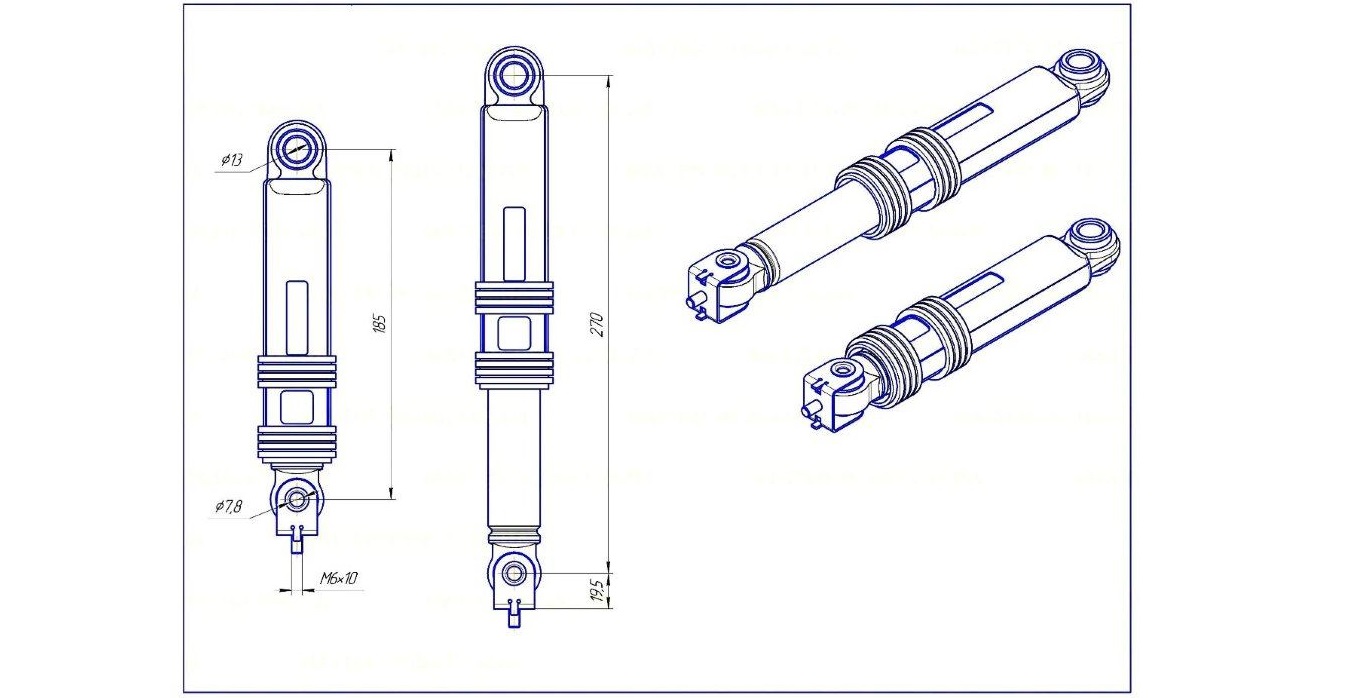














Add a comment