
How to choose a cuff for a washing machine?
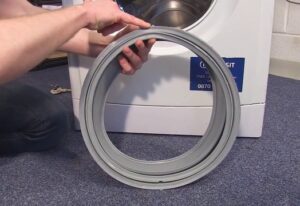 The drum's watertight seal is ensured by a rubber seal that "grabs" when the door is closed, preventing water from leaking out during the wash cycle. However, careless use, the introduction of hard objects, or mold can damage the rubber seal. This can result in a crack or hole, leading to a leak. Using a leaky washer is dangerous. You should immediately find a replacement seal for the door and replace the rubber seal.
How to buy the right part?
To replace the cuff on a washing machine, you must first select and purchase a new rubber band. It's quite easy to make a mistake when choosing an alternative, especially if you have no experience in repairing household appliances. The ideal option is to remove the old seal, bring it to the store and ask a consultant to find a replacement based on the sample.
The replacement cuff is selected taking into account the serial number of the washing machine model!
If you have trouble removing the seal, you can order it remotely through an online store. It's important to accurately specify the washing machine's serial number and select only trusted locations. However, this increases the risk of making a mistake and receiving a part that's the wrong size.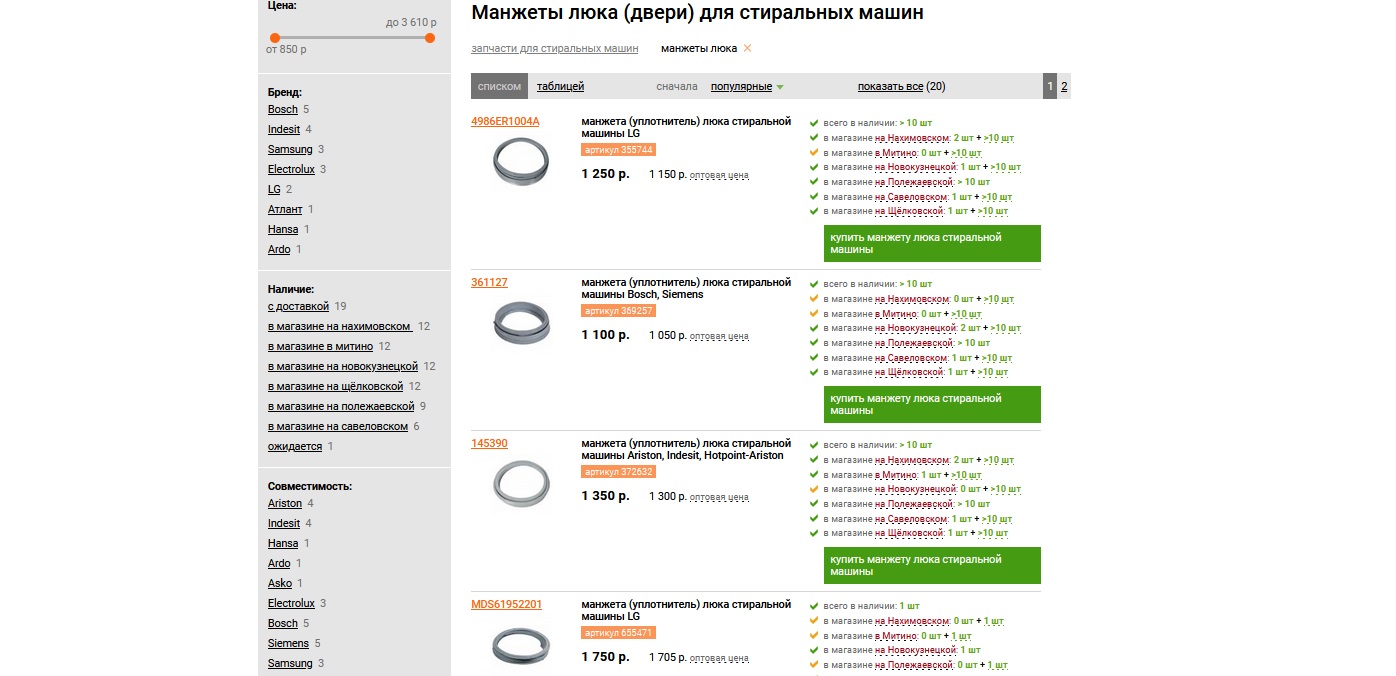
The third option is to purchase a seal at the store, based on the washing machine's label. All the information about the machine can be found on the label located on the back of the door. The year of manufacture, series, and model number are always listed there. Simply take a photo of the label and show it to the manager. In addition to the seal itself, you'll need a few tools to restore the machine's seal. These include a flat-head screwdriver and pliers. To tighten the rubber seal, you'll also need soap and a dish sponge. Is everything ready? Then let's get to work.
Removing the damaged rubber band
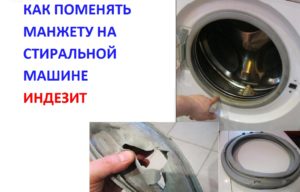
To install a new seal, you'll first need to remove the old one. Removing the seal is a fairly simple procedure, easily done at home. Simply loosen two "rings": the outer and inner clamps. Here's the procedure:
- make sure that the washing machine is disconnected from the utilities;
- open the hatch door;
- feel the outer clamp (depending on the model, it will be plastic or metal);
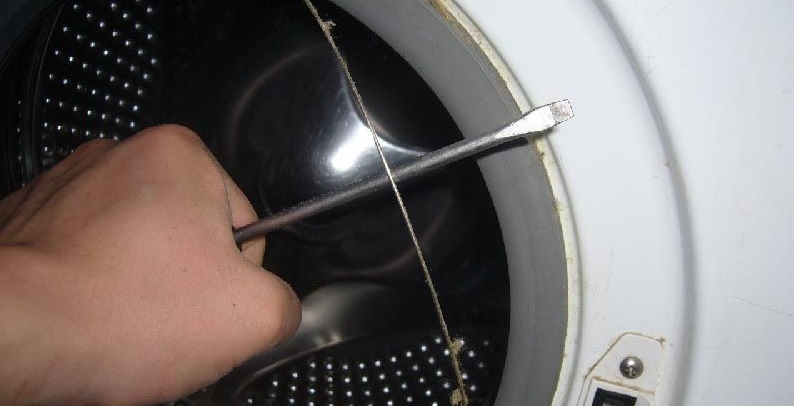
- hook the clamp's "spring" with a screwdriver, pull the clamp towards you, loosening the structure;
- get the ring;
- pry off the false panel of the technical hatch with a screwdriver;
- remove the powder receptacle by pulling it towards you;
- unscrew the bolts holding the front panel of the machine;
- disable UBL;
- move the end aside;
- remove the inner clamp in the same way as the outer one;
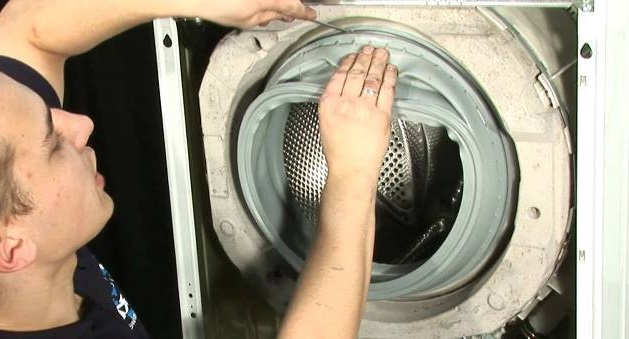
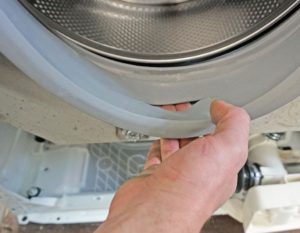
- pull the released cuff off the grooves.
Do not operate a washing machine with a damaged seal, as the drum will leak, posing a risk to residents and property.
It's recommended to carefully inspect the removed seal to determine the cause of premature wear. If this is the case, you can correct the errors and extend the life of the new seal. The next step is replacing the rubber.
We install a new part
Putting the cuff back into the washing machine is much more difficult than removing it. It will take a lot of strength and patience to pull a tight rubber band onto a drum. But even a beginner can handle the task, as long as you follow the instructions exactly. The procedure is as follows:
- we clean the seating area - the grooves on the drum, removing debris and generously soaping the entire surface;
- do not wash off the foam, but leave it for easy stretching;
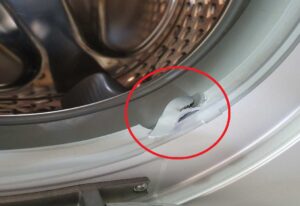
- we find the mounting marks on the rubber band;
- We look for similar “notches” on the body of the machine;
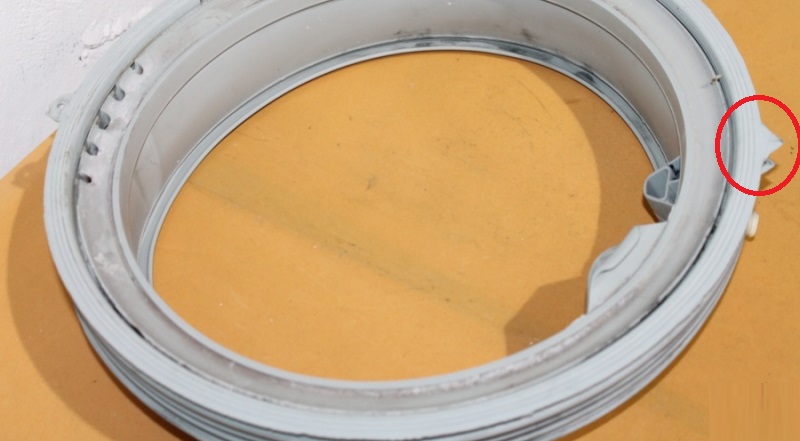
- we put the gasket into the groove;
- we pull the cuff onto the drum;
- we fix the inner clamp;
- we return the front panel of the machine to its place, tightening the bolts removed earlier;
- we insert the powder dispenser into the washing machine and snap the technical false panel into place;
- we put the cuff on the drum protrusion;
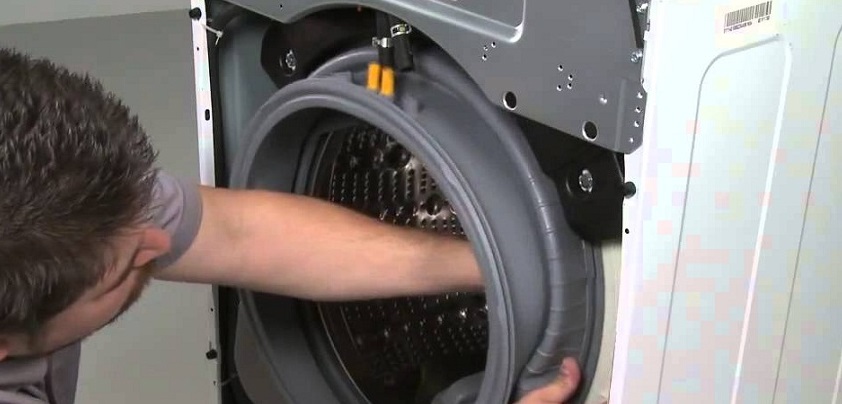
- We tighten the outer clamp, placing it with the spring facing down.
The new cuff is fixed on the drum strictly according to the mounting marks provided on the rubber band and the machine body!
If everything is done correctly, the new seal will fit tightly onto the drum. The next step is to check the quality of the repair. Connect the washing machine to the power supply, run the "Rinse" cycle, and monitor the door. Do not leave the machine during the test cycle; if a leak occurs, you will need to stop the program and collect the water.
What happened to the cuff?
Before installing a new seal, it's worth examining the old one. It's recommended to inspect the damaged rubber and determine the cause of its premature wear. Experience shows that a rubber seal can last for 10-15 years without any problems. You just need to handle your appliance with care and remember to take preventative measures. The door seal on a washing machine breaks prematurely for obvious reasons. For example, careless door closing, poor-quality detergents, foreign objects getting into the drum, and imbalances can all negatively impact the seal. Let's look at each of these points separately.
- Careless repair. When replacing the cuff or other adjacent components, you can accidentally damage the rubber by cutting it with a knife or puncturing it with a screwdriver. It's important to be extremely careful here, as the part is very vulnerable.
- Inappropriate detergents. Powders, cleaners, and gels with aggressive ingredients can corrode the rubber components of the washing machine, including the door seal. This is especially true if the user resorts to "folk remedies," doesn't follow dosage and proportions, doesn't read the packaging instructions, and doesn't follow the manufacturer's recommendations.
- Imbalance. Constantly exceeding the recommended maximum load weight will disrupt the drum's balance. The cylinder will begin to "knock" against the housing, causing the drum seal to wear and tear.
- Increased friction. When there's too much laundry in the drum, the clothes begin to rub against the elastic band. If the items have scratchy details, buttons, or studs, the elastic band may break.
- Foreign objects. Worse still, if objects that could actually damage the cuff—keys, hairpins, or bra underwire—get into the drum. As the cylinder rotates, they catch on the elastic and damage the material.
- Careless operation. It is important to load and unload the drum carefully.
- Mold. Due to high humidity and untimely cleaning, fungus grows quickly and eats away at the rubber.
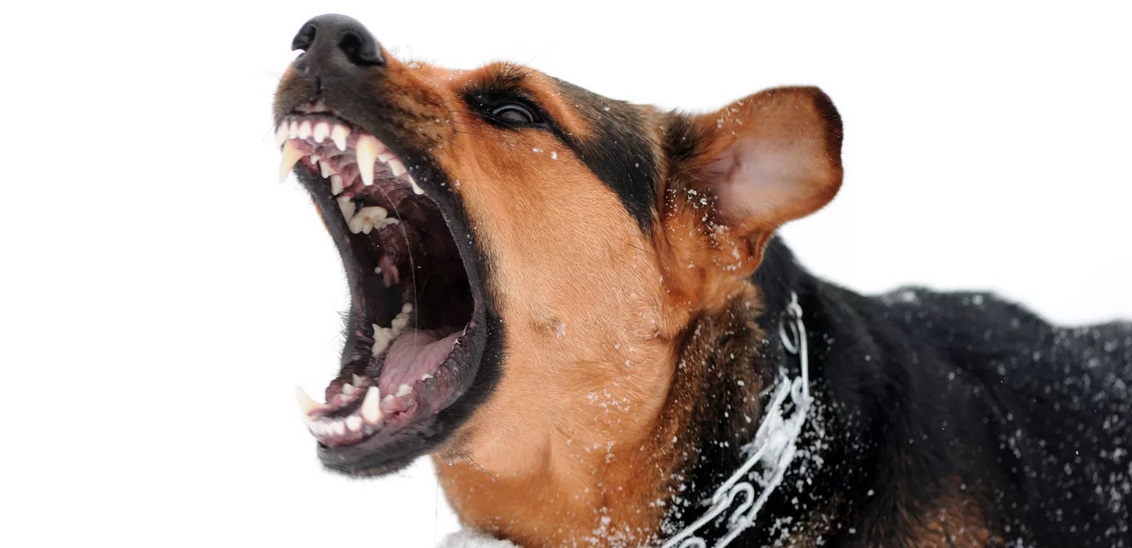
- Pets. Left unattended, pets may sharpen their claws on the cuff or chew through it.
It's easier to save a seal than to replace it. But if the drum is already leaking, there's no choice – remove the old seal and install a new one as soon as possible.
Interesting:

Readers' comments
Headings
Washing machine repair




For buyers




For users


Dishwasher




Add a comment