
Washing a duvet cover in a washing machine
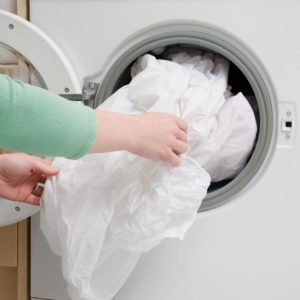 It's not uncommon for bedding to form a large ball in the drum—linen gets "stuffed" into the duvet cover and bunches up during the spin cycle. This would be fine, but there's a catch: crumpled linens wash less efficiently and can cause the machine to become unbalanced. To prevent this, try a few life hacks. We offer step-by-step instructions and helpful tips on how to wash a duvet cover in a washing machine.
Easy duvet cover preparation
If things get stuck in the duvet cover slot, our main task is to prevent them from getting stuck. Sometimes bedding has special zippers, but more often than not you have to use your ingenuityIn the latter case, we proceed as follows:
- take the duvet cover by the slit and stretch it;
- Using your fingers, gather the edges of the hole into an accordion shape;
- We secure the resulting “flower” with a bow using an old elastic band (a rope or hair elastic will also work);
- turn the duvet cover inside out (the bow should be inside);
- We fold the laundry into a rough pile and load it into the drum;
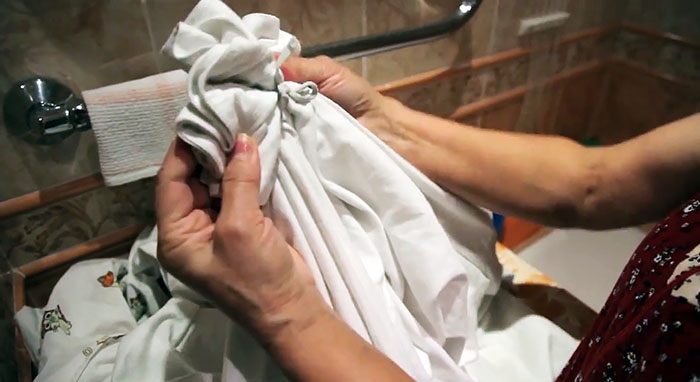
- We distribute the item along the wall and place a folded sheet, pillowcase or towel on top.
Before washing, read the label for manufacturer's recommendations!
It's important to fold the opening so that the bow doesn't unravel during washing. However, don't pull it too tightly, or you'll have to cut the tie. Another option is to quickly baste the edges of the opening, "sewing" the opening shut. This is more time-consuming and labor-intensive, but after washing, the duvet cover won't be wrinkled like it would be if the bow and elastic were removed.
Select the appropriate mode
Once the duvet cover is loaded into the drum, you can begin setting up the washing machine. First, choose a wash cycle based on the color, fabric type, and soil level of the laundry. Typically, you should choose from the "Cotton," "Delicates," "Quick Cotton," and "Synthetics" programs.
- "Cotton, 60 or 90 degrees" – suitable for heavily and moderately soiled bedding made of satin, chintz, jacquard, calico and cotton.
- "Cotton, 40 degrees" - for natural colored fabrics.
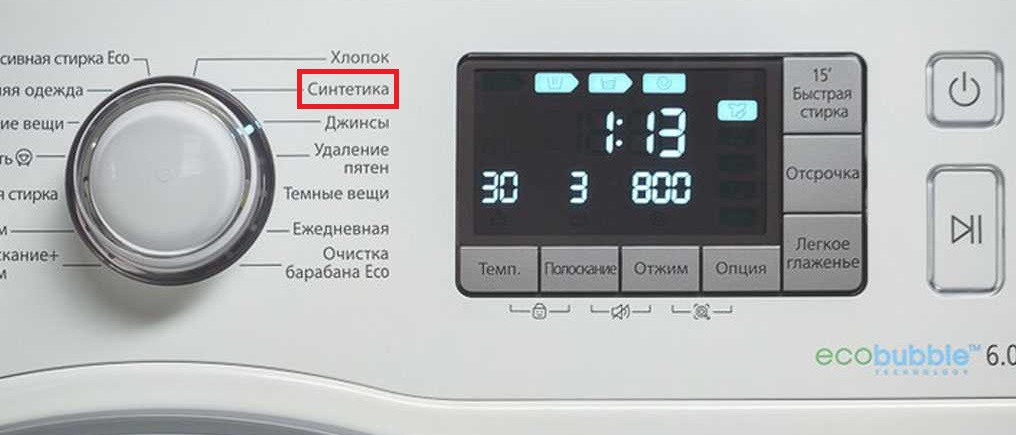
- "Cotton, 30 degrees" is the optimal program for cleaning bed linen with 3D, 5D and 7D patterns.
- “Cotton Quick” – selected for lightly soiled items made from natural fibers.
- "Delicate wash" – ensures gentle washing of silk and satin.
- "Synthetics" - for the fabric type of the same name (by the way, it is not recommended to buy bedding made from synthetic materials).
Colored cotton bedding is washed at 30-40 degrees, white – at 60-90 degrees.
The right program will remove stains without damaging the duvet cover fabric. It's also important to pay attention to the spin speed setting—for both natural and synthetic fabrics, it's recommended to spin at a minimum, reducing the setting to 800-1000. When washing satin and silk linens, it's best to avoid the automatic spin cycle altogether.
High temperature wash
If your bedding is heavily soiled, boil it first. This is acceptable if the duvet cover is white and made of cotton, linen, or other similar materials. Delicate and synthetic fabrics cannot withstand high temperatures! When washing by hand, boiling is carried out according to a simple scheme.
- A white cloth is placed on the bottom of a saucepan the size of the duvet cover.
- A soap solution of powder and water is mixed.
- Existing stains can be removed with soap or stain remover.
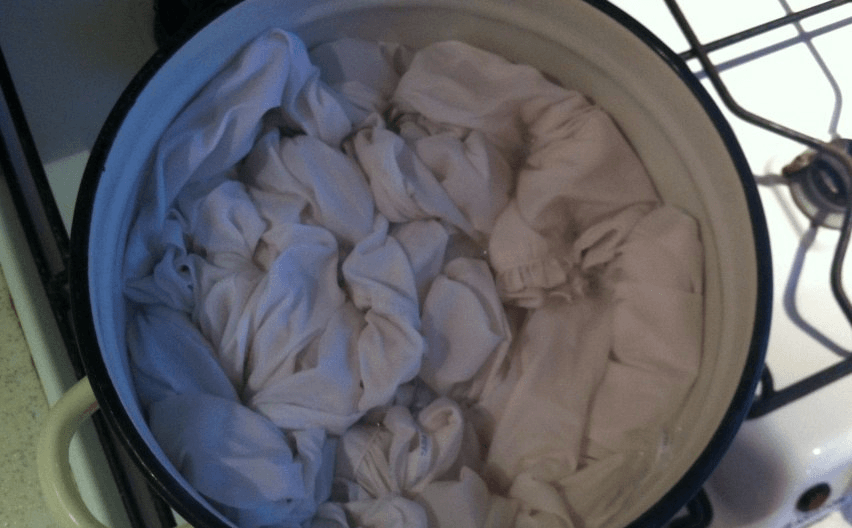
- The duvet cover is placed in the pan and filled with soapy water.
- The linen is boiled over high heat for an hour, stirring regularly.
High-temperature programs are used only for natural cotton, chintz, and linen bedding – silk, satin, and synthetics should not be overheated!
It's now much easier to bleach clothes by boiling them in a washing machine. Everything happens automatically: select the "Cotton" program, set the heat to maximum, and start the cycle.
What if the duvet cover is new?
New bedding sets are washed regardless of purchase location or price. In upscale stores, as well as at textile markets, linens are treated with special impregnations before sale, ensuring the fabric retains its presentable appearance for a long time. It's also important to remember that when stored in a warehouse for extended periods, the fibers accumulate dust and odors.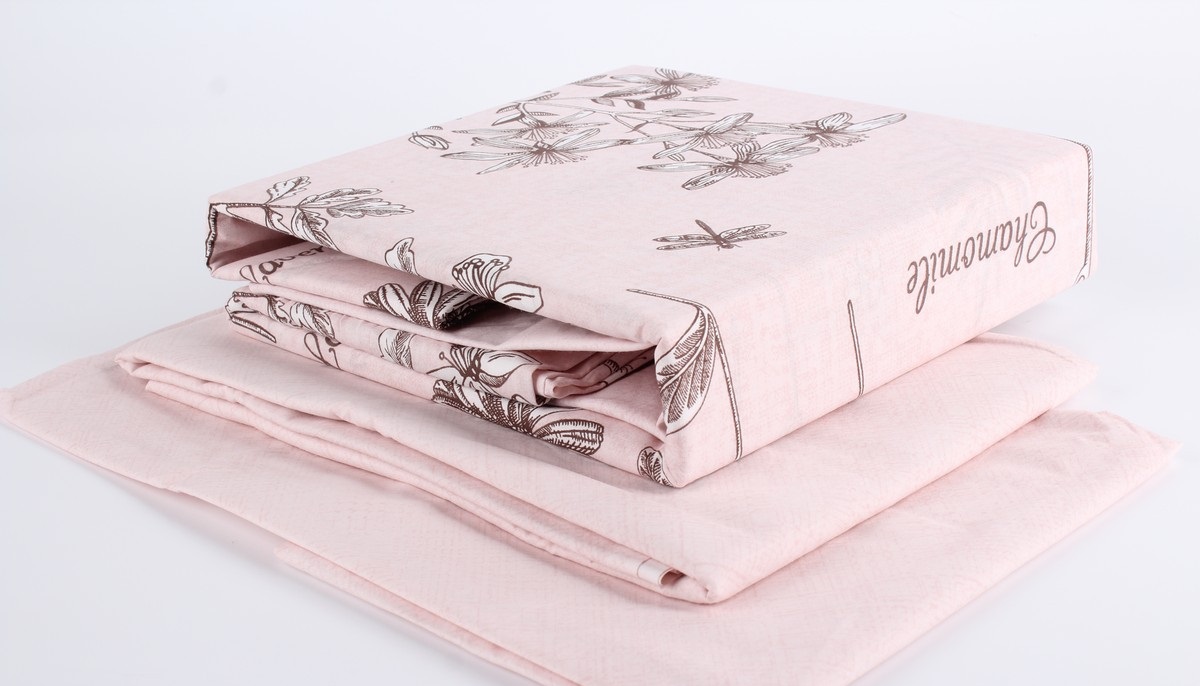
The first wash will not only remove dust, dirt, and odors from new bedding, but also remove excess paint. Laying unwashed bedding is unhygienic and dangerous to your health.
When washing in hot water, the duvet cover may shrink slightly - this is normal!
When washing laundry for the first time, set the temperature to the highest possible setting. Each fabric type and color has its own maximum temperature, which is indicated on the packaging or label. Other manufacturer recommendations will also be provided, including drying method, spin speed, and whether dry cleaning with bleach is acceptable.
Interesting:


1 reader comment
Add a comment
Headings
Washing machine repair




For buyers




For users


Dishwasher




You didn't answer the main question: how do you wash a duvet cover without it clumping? You're washing just the duvet cover, there's nothing else in the drum, and it's the only one that clumps, doesn't wash properly, and doesn't spin properly. You take it out of the drum and water pours out.