
Does a clothes dryer require a water supply?
 While a washing machine is found in almost every home, a dryer is much less common, which is why not everyone knows whether a dryer requires a water supply. While the two devices are indeed similar in many ways, a dryer is often connected to a sewer line and ventilation system, it definitely doesn't require a water supply. We'll explain how to properly connect your new "home helper."
Where to connect the dryer?
First of all, let's note a simple truth: a tumble dryer, like any other large household appliance, requires access to a power supply. With sewerage and ventilation, everything is a little more complicated, because the need for these communications directly depends on the dryer model.
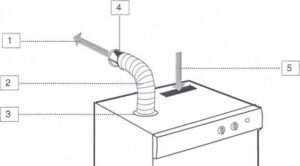
There are ventilation-type units on the market that can vent moisture directly to the outside via a ventilation pipe. Unfortunately, this type of dryer is only permitted for use in private homes. However, the only advantage of this type of dryer is its low cost. However, it is difficult to operate, is only suitable for mild climates, and finding a suitable installation location is very difficult.
Ventilation is very easy to provide. The device's body has a special ventilation hole, to which a soft air duct is attached. The "home assistant" itself comes with a special clamp needed to connect the ventilation pipe to the hole. The other end of the pipe goes into a vent, if one is installed, or directly into a window in the house.
Never allow the pipe to bend more than 90 degrees, otherwise the exhaust duct may not have enough draft.
Another obvious drawback of these dryers is the difficulty of installation due to their high temperature dependence. If the room intended for the dryer is frequently hot, avoid running the ductwork overhead. Failure to follow this advice will result in condensation collecting in the pipe, making it much more difficult for air to escape. In this case, it's recommended to drill another hole in the wall at the same level as the corrugated pipe so that it horizontally connects the vent on the appliance to the wall of the house.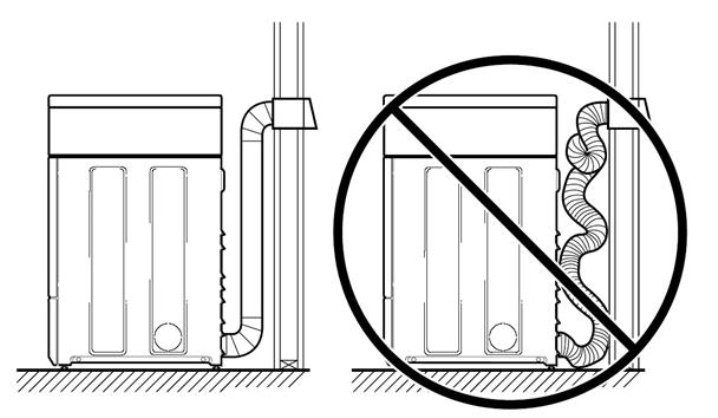
Because of all of this, users often ask, "Is such a device even necessary in the home?" Considering that vented dryers are incredibly outdated, these types of dryers are gradually being phased out, making way for condensation dryers.
In these units, clothes are effectively treated with hot air, which is then pumped into a cooling chamber, where the moisture condenses and is either sent to a special tank or directly discharged into the sewer. Often, housewives don't even use plumbing, preferring to empty the condensate container manually. However, it's much more convenient to connect the appliance to the sewer system using a special hole in the machine body and a regular hose, eliminating the need to worry about refilling the tank.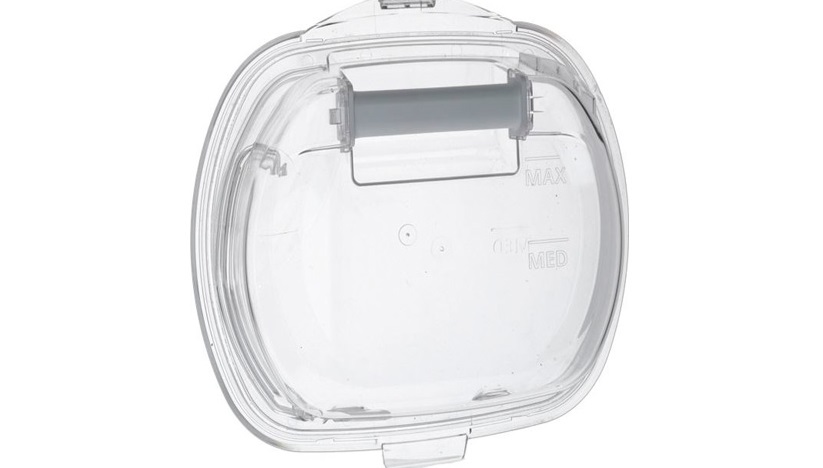
Finally, there are condenser dryers with a heat pump—the most modern and efficient drying devices. They have no heating element, and the temperature difference is generated by a built-in refrigeration unit. These dryers have virtually no heat loss, making them very energy-efficient and suitable for installation in any room with a standard 200-volt outlet. Due to their high energy efficiency, they are often placed not only in kitchens and bathrooms, but also in hallways and even on balconies, provided they have reliable double-glazed windows to prevent excess moisture from building up on expensive appliances.
We connect the equipment to the sewer system
The drainage of water into the sewer for the dryer is organized according to a similar principle as for the washing machine. The main difference is that the drain hose of a dryer is thinner than that of a washing machine because there is much less waste liquid. The owner of the appliance must connect one end of the drain hose to the body of the appliance, and the other to a siphon or tee valve pre-installed in the sewer riser. Carefully follow our instructions for making the connection.
- Turn the dryer over to gain easy access to the back wall.
- Find the opening where the hose comes from. Its end is attached to a fitting so that all condensate flows through the hose into a special container.
- Unscrew the hose from the fitting.
- Take the drain hose, which should be included with your dryer.
- Attach one end of the drain hose to the fitting.
- Connect the other end of the hose to your siphon or tee faucet.
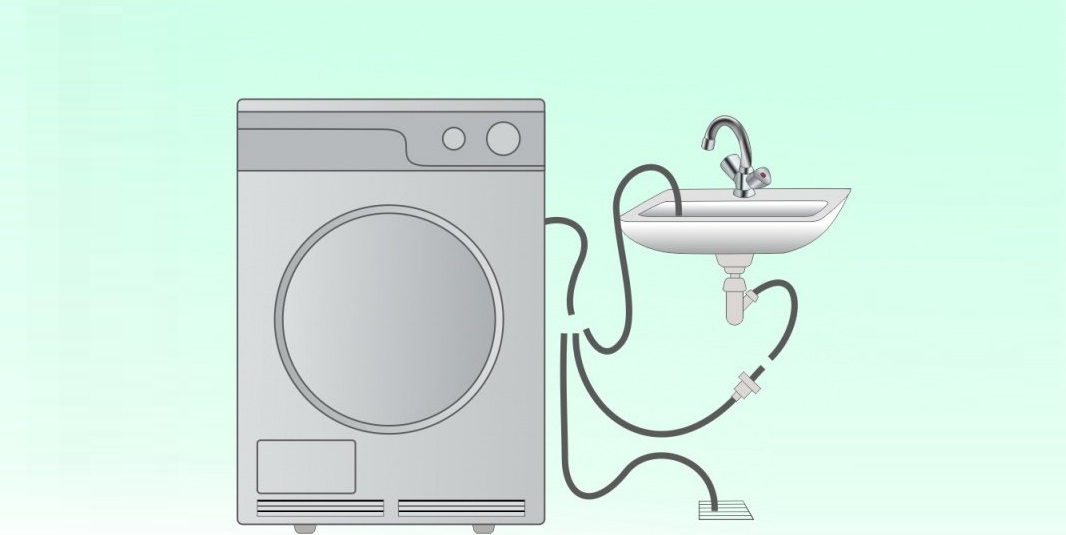
The easiest way to drain water into the sewer is to use a trap under the sink or bathtub, screwing a drain hose to the fitting. If this method is not available for some reason, you will need to install a tee on the sewer pipe. In this case, you will need to use a collar during the connection to prevent any possible leaks.
There's a much more lazy way to install drainage: instead of using a trap or a tee, attach the drain hose to the edge of a bathtub, sink, or toilet. This method is viable, as a dryer doesn't drain very much, so the corrugated hose won't come loose during use and flood your floors or your downstairs neighbors. The only significant drawback is that this type of drainage is not only unsightly but also unhygienic, so it should only be used as a last resort.
Interesting:

Readers' comments
Headings
Washing machine repair




For buyers




For users


Dishwasher




Add a comment