
Review of a polyphosphate washing machine filter
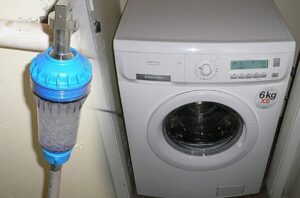
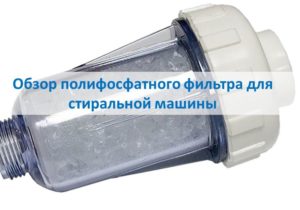 Excessive water hardness can lead to premature failure of your washing machine. To prevent damage to your expensive appliance, it's important to take safety measures. Installing a polyphosphate filter in your washing machine is an excellent way to soften the water entering the machine.
How does this filter work?
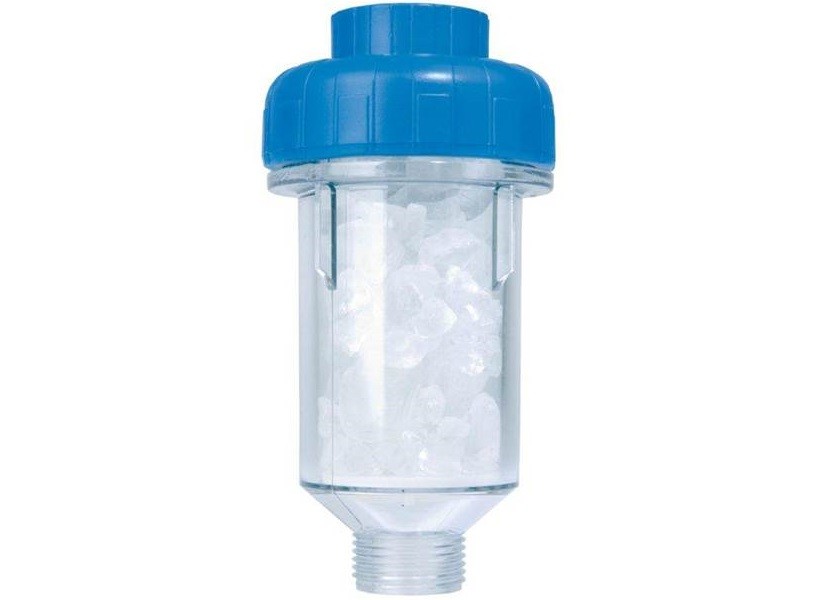
First, it's important to understand what a filter element consists of and how it works. The design of a polyphosphate filter is very simple, consisting of:
- flasks with lids;
- drain element;
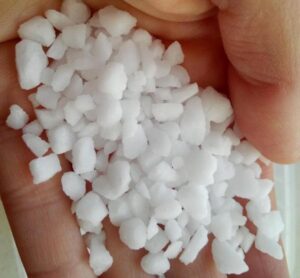
- filler - salt crystals.
The filtering device works by passing water from the mains through polyphosphate crystals, which in turn infuse the water into the washing machine. This interaction creates a special film on the surface of the hard salts already present in the water, which coats them and prevents scale buildup.
Water passing through the polyphosphate filter purification system becomes technical water and is prohibited for drinking.
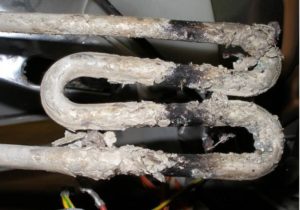 If hard water entering the system isn't softened, many parts of the washing machine will become coated with scale, and the heating element will quickly fail. Due to scale buildup on the valves, the intelligent system won't be able to accurately regulate water intake. If scale forms on the heating element, the time it takes to heat the water in the tank to the required temperature will inevitably increase, meaning that electricity consumption will increase. A polyphosphate filter will prevent these problems and eliminate the need to clean the washing machine valves.
An additional benefit of the filter element is its ability to dissolve existing limescale. Another advantage is that washing in soft water requires significantly less washing powder and other detergents. Now that you understand the purpose of the filter and the consequences that will inevitably arise if you don't install it, answering the question of whether you need this filter is very simple.
Is it possible to connect a filter to a mixer tap?
Filter elements that purify water by treating it with polyphosphate salt are used exclusively for purifying industrial liquids. This is due to the toxicity of polyphosphate. Furthermore, if the water temperature passing through the device exceeds 40°C, the salt crystals will disintegrate and become completely ineffective.
This is why the filter cannot be connected to a common faucet; it can only be used to soften and purify industrial water.
How long does one cartridge last?
An equally interesting question that concerns the target audience is: how often should the filter be changed? Polyphosphate consumption is very modest – about 3 grams per thousand liters of liquid. Manufacturers recommend completely replacing the filler in the container when the amount of salt crystals has decreased by half, or after a long period of use, the contents of the flask remain at the original volume.
Statistics show that the average service life of a filter without replacing the filler is approximately 6 months.
The filter element is installed directly in front of the washing machine. When connecting the washing machine, a special tap is installed in the water supply pipe to connect the inlet hose. A polyphosphate filter is installed between the water outlet and the water inlet hose. Alternatively, the device can be inserted directly into the inlet hose.
Before installation, the polyphosphate element must be rinsed with running water. This procedure will remove small salt crystals that, if introduced into the system, could clog the washing machine's valves.
Review of the best filters
We'll introduce you to several of the highest-quality and most reliable polyphosphate filters. This information will help you save time searching for the right filter element.
- Geyser 1PF. A device designed to protect washing machines, water heaters, and dishwashers from the effects of hard salts. The filter prevents limescale formation, increases the service life of the equipment, and significantly reduces the consumption of detergents. The container is made of transparent material, which helps monitor the remaining filler in the flask. Prices range from $2.50 and up.
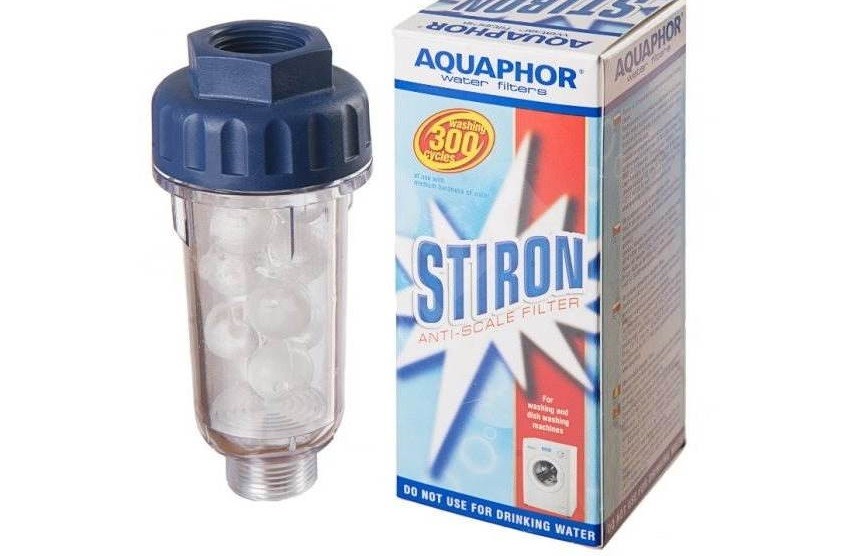
- Aquafon Stiron protects household appliances from scale buildup. It's installed between the water pipe and the washing machine. Installation is simple thanks to its standard dimensions. The polyphosphate crystals last for 300 wash cycles.
- WFST, BEST-2 filter. This device has proven itself effective in preventing and preventing scale buildup. The filter cartridge is sufficient to filter 20,000 liters of liquid.
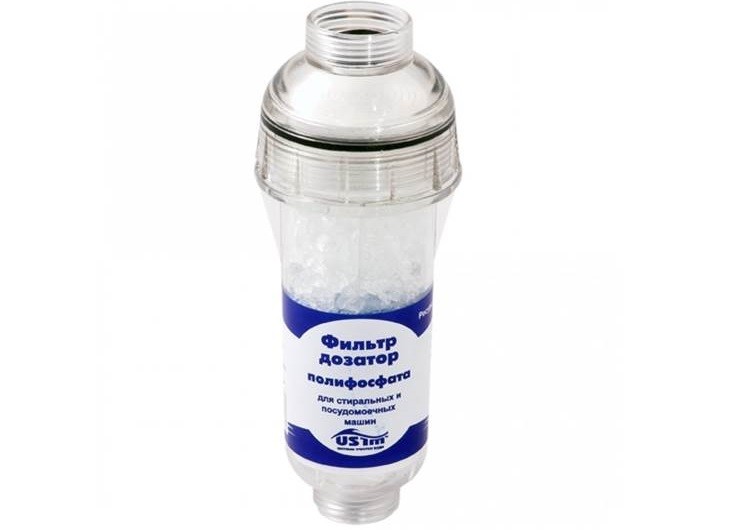
- ATMOR ATP. A product distinguished by its reliability, high-quality polyphosphate filler, and ease of installation. Prices range from $3 and up.
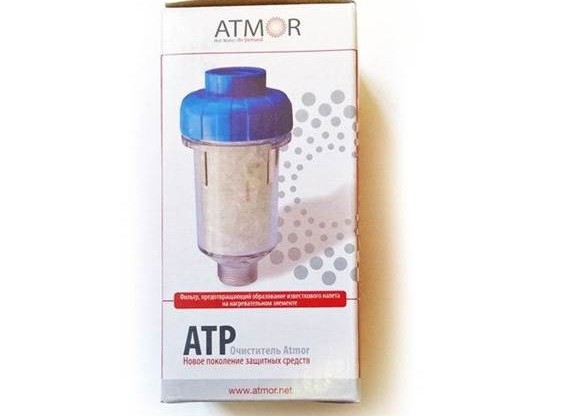
We hope this information is helpful. Remember, installing a polyphosphate filter will significantly extend the life of your washing machine, reduce detergent consumption during washing, and prevent increased energy consumption.
Interesting:

Readers' comments
Headings
Washing machine repair




For buyers




For users


Dishwasher




Add a comment