After a bath or shower, you want to wrap yourself in a soft towel and smell its pleasant scent to cement the positive emotions of your bath. However, sometimes a repulsive odor emanating from the towel—a musty, damp smell—can ruin your mood. You're tempted to wash the still-fresh towel right away. Let's figure out why this happens and what you can do to avoid such disappointment.
We are looking for the causes of the smell
Why do towels stink after washing? There's actually a simple explanation. But before we delve into the reasons, I'd like to emphasize the most important rule: don't delay cleaning your towels. This is important, as they're almost always damp, collecting skin, hair, and dirt particles. They require regular care.
If a towel sits in the laundry basket for several days, it will develop a repulsive odor, even after being washed in the washing machine.
So, the main reasons why towels smell bad are:
bacteria. Harmful microorganisms quickly multiply in fabric fibers, using dead skin flakes that remain on the fabric after drying the body and hair as their “food.” If the “odor” remains after washing, it means the towel was not washed;
Oleic acid. It ensures proper metabolism, that is, human metabolism. This component of sebum imparts a foul odor to both towels and bedding. The acid penetrates deep into the fibers of the material and, over time, begins to decompose, hence the offensive "aroma." Fat also promotes the spread of microbes, acting as a food source for them.
Improper drying. This is exactly the case when a towel smells fresh out of the closet. It may have been dried in a closed room without adequate air circulation, or in a room with excessive humidity, leaving it damp for a couple of days. To remove the mildew smell, you'll need to rewash the item and dry it properly.
So, there are several reasons why towels stink. To avoid this problem, you should wash your towels as often as possible and dry them in a well-ventilated area. But what if the stale smell has already set in? Let's figure out how to get rid of the musty, moldy smell.
Methods for getting rid of stench
No one likes using a foul-smelling towel, knowing it's a breeding ground for germs and bacteria. However, the smell isn't a reason to throw it away. You can try washing it to restore its former purity.
You can refresh your towel and remove unpleasant odors using:
boiling;
bleach;
lye;
use of modern detergents.
The first method was used by our great-grandmothers. Although boiling may make terry towels stiffer, it is the most effective method of fighting bacteria. It won't be difficult to soften the item - just rinse it afterwards with some conditioner.
Moreover, you can boil towels not only on the stovetop, in a large pot, using laundry soap, as was done several years ago. Today, most washing machines have a "Boil" setting. If there is no such setting, you should run a different one, lasting about two hours and heating the water to 90-95°C. This method is only suitable for towels made from natural fibers.
Another option for eliminating unpleasant odors is to use chlorine-based products. These include "Belizna," "Utenok," and "Chlorine Tablets." To understand the dosage, read the packaging. For example, you'll need one measuring capful of bleach for every 10 liters of water.
The instructions for using chlorine-containing detergents for washing towels are always the same:
fill a basin with water of the required temperature;
pour chemicals into it, mix the solution well;
soak towels in the resulting liquid;
Wash the items by hand or in the machine.
Some detergents can be added directly to the washing machine. However, it's important to carefully read the instructions and follow them carefully to avoid damaging the machine or your laundry.
The chlorine smell will disappear during drying, leaving your towels clean and fresh.
Lye will help remove musty odors. This folk remedy is odorless, rinses completely from fabric fibers, and leaves clothes soft. You'll have to make the mixture yourself. To make lye:
fill a third of the jar with wood ash;
Pour water to the top of the container, stir;
remove all floating particles;
Leave the ash for three days or boil the mixture until it's almost clear and soft to the touch. When preparing lye by boiling, it usually takes an hour to an hour and a half;
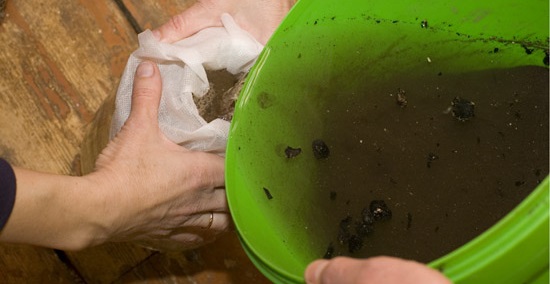
Carefully drain the liquid, making sure no ash gets into it. This "water" is the disinfectant we need.
Next, you can boil the item with lye in a saucepan or add the mixture to your washing machine. The disgusting odor will be gone.
Lye has several advantages:
absolutely harmless to humans;
gives clothes a soft feel, like after using fabric softener;
maintains color, restores brightness to fabrics;
does not damage the fibers of the material, but only strengthens them.
Lye has its drawbacks. First, it only combats odors, not stains. Second, the mixture must be prepared in advance.
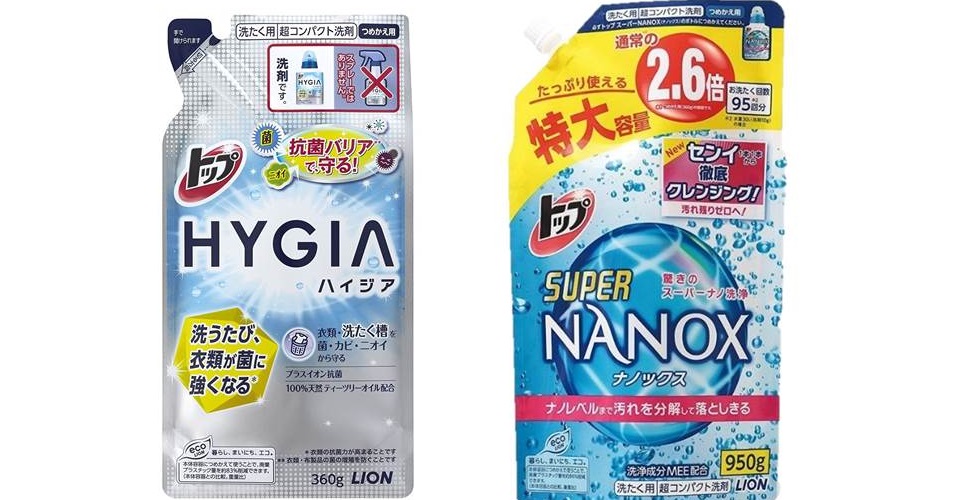
Finally, you can always resort to modern cleaning products. These days, it's easy to find gels and powders in stores that help remove odors, provide antimicrobial treatment, restore color, and remove old stains. To clean towels, you can purchase:
Top Hygia Concentrated Laundry Detergent. This antibacterial product kills harmful microorganisms embedded in the fabric. It can be used for both hand and machine cleaning. The manufacturer guarantees that the ingredients are washed out of the fibers in just one rinse cycle. A significant advantage of Top Hygia is that its formula inhibits bacterial growth even after washing.
Nanox LION gel. It contains a substance that helps break down oleic acid accumulated in fabric fibers. Another ingredient is tea tree extract, renowned for its antimicrobial properties. The liquid is phosphate-free, which is harmful to the environment.
There are plenty of ways to deal with the damp, stale smell of towels. Don't just write them off and throw them away. Try boiling the item, washing it with a special detergent, or treating it with bleach.
Towels made of bamboo or linen
We'd like to pay special attention to the most common types of towels. We'll explore why linen and bamboo towels can smell unpleasant.
Any natural fabric is an excellent base for the life and reproduction of harmful microorganisms.
So don't think that linen towels are immune to offensive odors and mustiness. This is not true. Natural materials require regular, timely care and proper drying. Then things will not disappoint you with an unpleasant “aroma”.
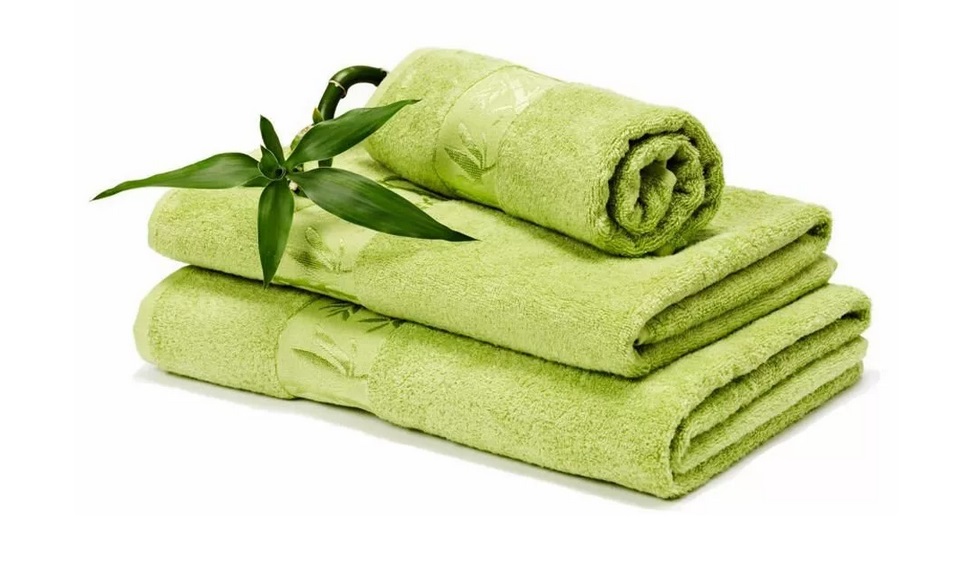
Bamboo fiber manufacturers claim it provides a powerful antiseptic that prevents the growth of bacteria and mold. Towels made from this material are considered the most hygienic, but they can still develop an odor. Over time, homeowners report that bamboo products also begin to smell.
It's possible that bamboo's antiseptic properties are lost after prolonged use, and bacteria still colonize the fibers. Another possibility is that pure bamboo towels are rare; they typically contain cotton blends. These additives can reduce the disinfectant effect.
How to get rid of moisture?
The main reason towels become musty is improper drying. To avoid unpleasant odors, consider a few tips. To keep your towels smelling fresh:
Don't dry them in the kitchen, and especially not in the bathroom. The humidity in these rooms is always high, which will affect the drying results;
After washing, hang towels outside in the fresh air, exposed to sunlight. The ultraviolet radiation will provide additional antibacterial action.
If you can't hang towels on the balcony, you should spread them out on a drying rack and place the structure in a room with open windows.
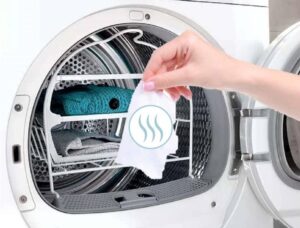
There's a secret "weapon" that will help your clothes smell nice. Place cotton pads soaked in essential oil under your dryer. Using this life hack, you'll be storing your clothes in your closet already scented.
Aromatic addition
And finally, be sure to store your towels properly. To ensure you enjoy drying yourself with a towel and feel comfortable holding it close to your body, it's recommended to place natural shock absorbers on your closet shelf. These include:
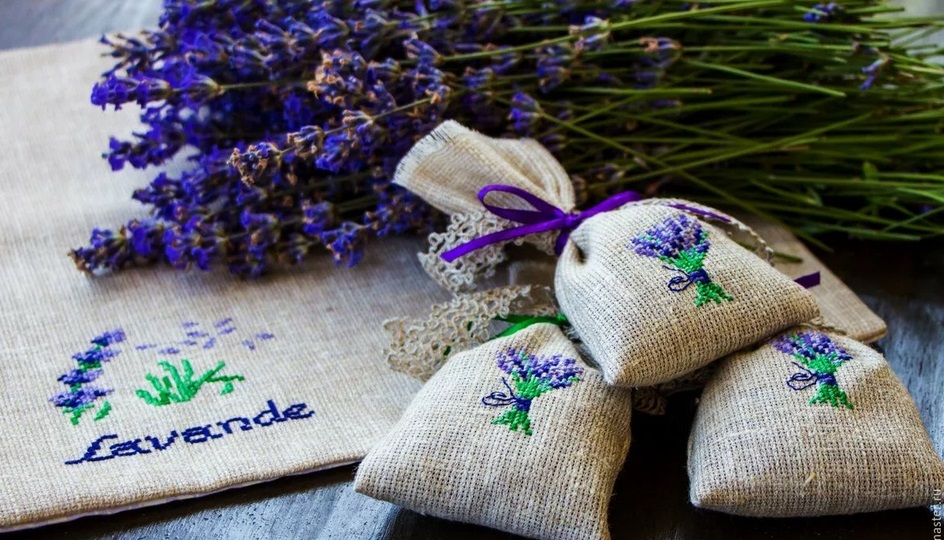
Sachets filled with fragrant herbs. You can make them yourself or buy them at the supermarket. For example, lavender will linger for years, imparting a delicate aroma to clean linens;
A deliciously scented toilet soap. Simply remove the bar from its packaging and place it in your closet. Your clothes will be guaranteed to smell wonderful;
Incense sticks. Place them in the desired section of the cabinet to diffuse a delicate aroma.
You can also consider artificial air fresheners designed for installation in cars, as well as fragrant plaster figurines impregnated with a special concentrated solution. A wide variety of home fragrance devices are also available today, including bottles, sachets, and aerosols.
Don't forget the basic rules for storing things. The shelves of the closet should not be filled to capacity with linen; it is essential to ensure free air circulation inside. It is ideal to order wardrobe systems with mesh, perforated shelves.
Now it's clear what to do when towels still smell bad even after washing. Which household chemicals and methods to use to neutralize the odor are up to the homeowner. It's also important to remember that frequent washing won't harm towels; it's best to load them into the washing machine every 3-4 days of use.

 After a bath or shower, you want to wrap yourself in a soft towel and smell its pleasant scent to cement the positive emotions of your bath. However, sometimes a repulsive odor emanating from the towel—a musty, damp smell—can ruin your mood. You're tempted to wash the still-fresh towel right away. Let's figure out why this happens and what you can do to avoid such disappointment.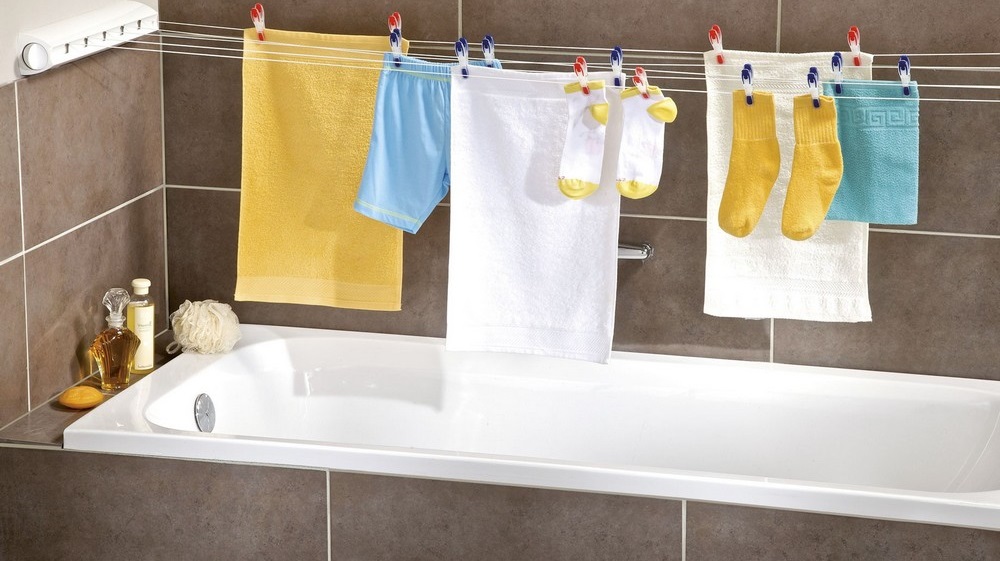















Add a comment