
Drying towels in a tumble dryer
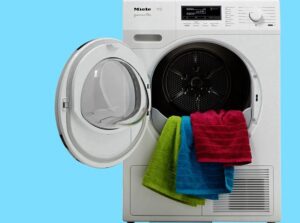
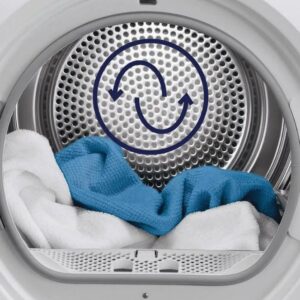 The official user manual is helpful in almost any situation where a person has questions about using their favorite household appliance. However, the instructions don't always provide helpful tips for specific items. For example, how to dry towels in a dryer? We'll explore this important process, as well as how to dry many other unusual items in a dryer.
Towel program
First of all, it is worth noting that drying towels should be carried out in compliance with the standard operating rules for drying machines. The user must load a strictly limited number of items into the drum to avoid overloading. You also need to consider the type of fabric, its moisture content, and other factors that may affect the load size and the choice of drying mode.
Linen towels are perfectly safe to tumble dry, but they often shrink, so avoid drying them at high temperatures. Use gentle cycles and temperatures of 45 degrees Celsius or lower.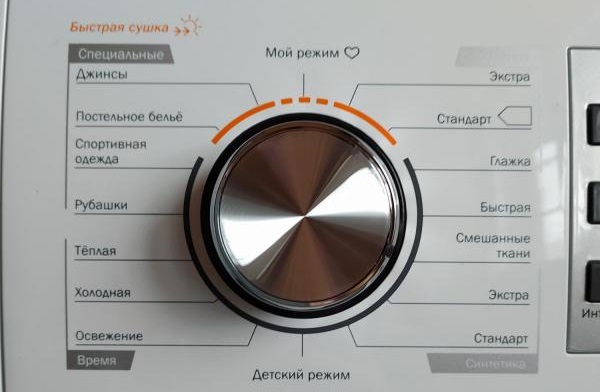
Cotton items can be safely dried on standard cycles and the bedding cycle. The only important caveat is that it's best to spin the items first to ensure the cycle is more efficient. Avoid overdrying cotton towels, as this can make them too stiff and scratchy.
Bamboo towels require much more care than cotton ones. Avoid over-drying or high-heat drying, as this can result in a towel that's too stiff and loses its essential properties. For these items, it's best to use the most delicate drying cycle.
Finally, synthetic items should be processed in the mode called “Synthetics”.
Items incompatible with the dryer
Towels are not included in the list of items that should not be dried in a tumble dryer. It is only important to wash and wring them out well first. However, the list of items that are incompatible with machine drying includes many other items made from various materials and fabrics that may become unusable after a dryer cycle.
- Items made of delicate fabrics, such as silk, lace, chiffon, and tulle. These garments may stretch or, conversely, become damaged due to excessive shrinkage. Furthermore, the seams of dresses and lingerie may become distorted, and their colors may fade and become dull.
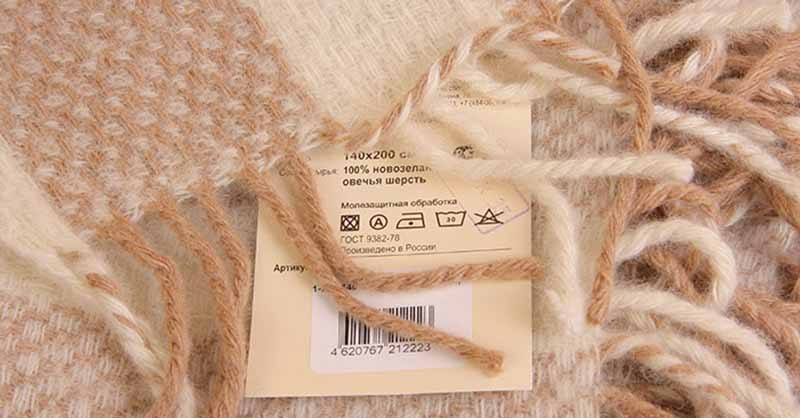
- Woolen items. After tumble drying, items may shrink several sizes. Therefore, it's best to either air dry wool, out of direct sunlight, or use the gentlest setting on your dryer.
- Suede clothing. Heat and mechanical friction create creases in garments, making them appear worn and aged.
- Fur items. Fur tends to tangle and fall out when tumble dried. Therefore, if your fur coat gets wet from rain or snow, it's best to hang it on a hanger and let it dry naturally, remembering to brush the fur along the nap line afterward.
- Nylon tights. Polyamide fiber changes shape significantly when processed at high temperatures, so it's best not to tumble dry them.
- Leather clothing. Tumble drying can cause the leather to fade, crack, and develop salt stains. It's best to dry leather shoes, jackets, skirts, and other items at room temperature.
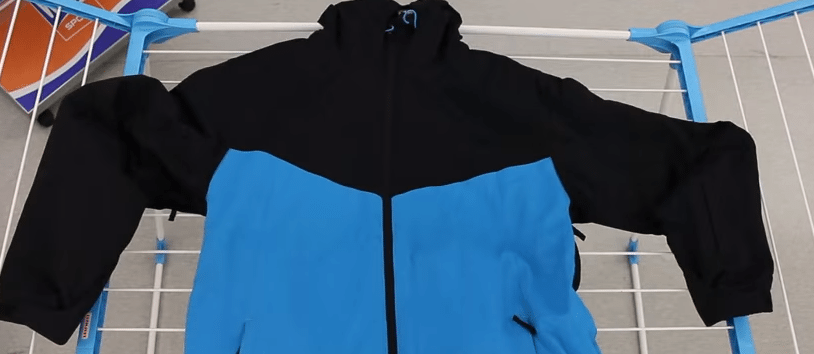
- Membrane fabrics. These materials are used to create sportswear, children's clothing, and footwear. Heating them is not recommended, as they will lose all of their water-repellent properties, which are prized by athletes and mothers.
- Rubber products. This category includes sneakers with rubber soles, raincoats, boots, and anything else that shrinks due to high temperatures. The same applies to foam inserts in bras and rubberized mats, which can become deformed during drying.
- Items with small inlays and intricate trim. The vigorous rotation of the dryer drum can cause damage to these items, causing snags or even the metal inlays to fall off. Plastic elements attached with adhesive can melt and deform, as can the adhesive itself.
Be careful with small parts on clothing - bra underwires and other small items can puncture the drum and damage the dryer.
- Items soaked in hazardous substances. This applies to any workwear and towels that have been exposed to gasoline, acetone, alcohol, paint, or other hazardous substances. Items with such stains can not only ignite but also emit explosive vapor. Also, avoid drying kitchen towels that have been exposed to vegetable oil, as it also burns readily.
- Dirty clothes. Finally, it's not recommended to dry items that haven't been pre-treated in the washing machine. This is because the dryer filters will become clogged with dirt, causing all clothes to have an unpleasant musty odor. Also, avoid drying poorly washed clothes with stains like grass, fruit, wine, or blood, as this will only further penetrate the fabric fibers and cause the stains to remain there permanently.
The list of prohibited clothing is not as long as it might seem at first glance, so it is easy to remember so as not to accidentally damage your favorite things or your housekeeper herself.
Preparing items for drying
It's not enough to know the list of items that shouldn't be tumble dried; you also need to know the rules for preparing clothes for tumble drying. It is very important to sort your clothes correctly to achieve perfect drying results. How is this sorting carried out?
- Color. If brightly colored clothes touch white ones in the drum, they may change color. That's why dark and colored items should be dried separately from light-colored ones. Furthermore, even if the clothes don't change color during the drying process, they will still have lint—white on black clothes, and black on white clothes.
- Fabric composition. This is because different fabrics can be dried at different temperatures. For example, cotton can be dried at 60 degrees Celsius, while wool can only be dried at 30 degrees Celsius. Therefore, these items should be dried on two different settings.
- Fabric thickness. Avoid drying thick and thin fabrics at the same time, as they require different drying times. Setting the maximum drying time for items of varying thicknesses will result in some items being dry and others being overdried. Setting the minimum drying time will result in some items being dry and others remaining damp, requiring repeated drying.
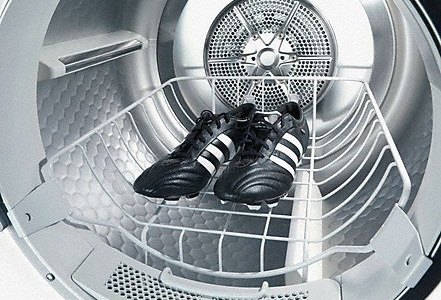
- Creasing. Some items cannot be folded and should be dried separately. This includes children's toys, bags, and shoes, which should be placed in special baskets and dried on a fan setting, which does not rotate the drum.
- Size. Large items, such as jeans, sheets, and duvet covers, should be dried together with smaller items to prevent bulky items from bunching up on one side of the drum and becoming lumpy, rather than being regularly crushed by smaller items like T-shirts and socks.
Be sure to fasten all duvet covers and pillowcases to prevent small items from getting caught inside.
- Seam Strength. It's best not to dry items with strong stitching alongside pillows and duvets, as lightweight seams can be damaged by friction with rougher items like jackets and jeans. This can cause the threads to unravel, causing the filling to spread throughout the drum, becoming trapped in the cells and creating a fire hazard.
It's not enough to just sort clothes beforehand; it's also crucial to prepare them for processing. There are a few steps, but all of them are extremely important.
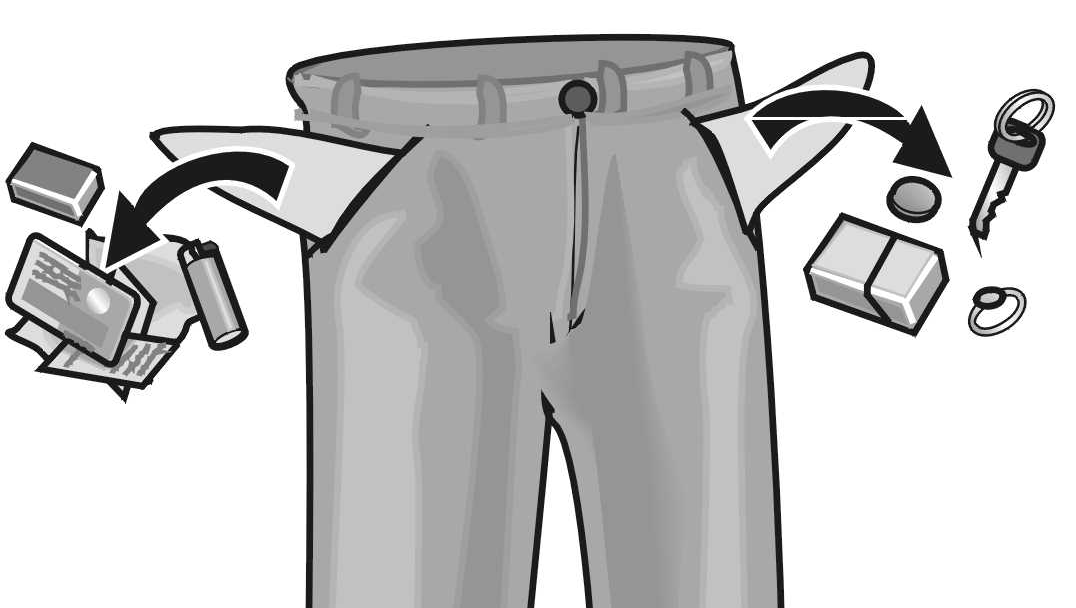
- Inspect all pockets and remove any unnecessary items. Pens, lighters, coins, bills, receipts, paper clips, keys—all of these should be removed, as they could melt, explode, or get caught in the drum holes, causing damage.
- Close all zippers and hooks on your underwear. It's also a good idea to remove underwires from bras, as they can snag and tear clothing. Check that buttons are securely sewn on, as they could otherwise come loose during operation and become lodged in the dryer's internal components.
- Turn the garment inside out so that the zippers and buttons are on the inside, which will help prevent snags and fading of the color of the front side of the garment.
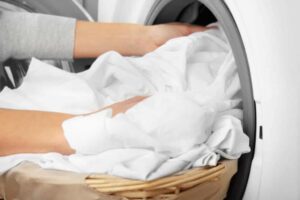
- Place the items evenly in the drum, gently smoothing them out with your hand, straightening out any creases, and remembering to shake them out first.
As you can see, not only are there not many rules, but they're all very easy to follow. They'll all help you keep your clothes and dryer safe.
Interesting:


Readers' comments
Headings
Washing machine repair




For buyers




For users


Dishwasher




Add a comment