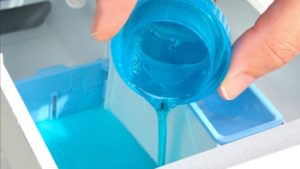
Liquid washing machine detergents are safer and more gentle than powdered ones, but not everyone knows how to use washing gel correctly. If you pour the concentrate into the wrong compartment or use the wrong amount, the result will be disastrous: clothes will remain dirty or too soapy. To avoid problems, it's important to understand the nuances of adding gel-based detergents to your washing machine.
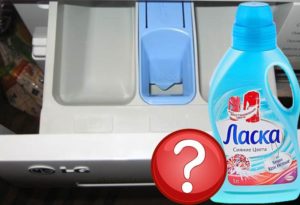
Which compartment should I fill it into?
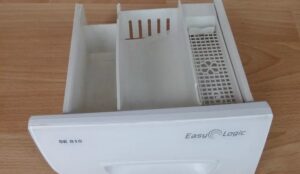
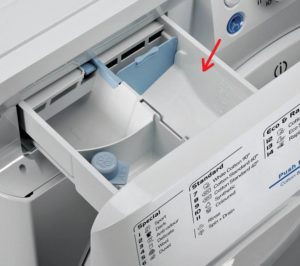
Before washing with gel detergent in a washing machine, it's important to understand where to pour the detergent. The detergent drawer in every machine has three compartments, each marked with a Roman numeral or letter. Typically, the largest compartment, labeled "B" or "II," is used during the main cycle and holds dry and liquid detergents. The center, smallest compartment, labeled "*," "C," or "III," is reserved for fabric softeners, rinse aids, and antistatic agents. The middle compartment, labeled "A" or "I," is only needed for the prewash cycle.
It makes sense that washing gel should be poured into the main wash compartment – this way, the product will reach the drum at the right time and stay there long enough. You cannot use the conditioner tray: it only draws water during rinsing. Bunker "A" is also prohibited, since without a special program it is not listed.
Before adding gel to the machine, read the manufacturer's instructions - the manufacturer specifies all the details and guidelines.
The location, shape, and purpose of the detergent drawer compartments also depend on the specific washing machine model. Some brands have quite noticeable differences.
The detergent drawer is divided into three compartments with standard markings. However, the instructions state that gels and liquid concentrates must be poured into the compartment with a special flap, which is always located in the center.
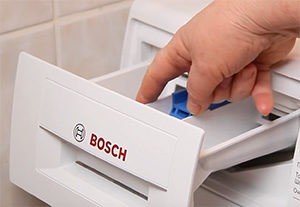
Bosch. Of the three compartments in the powder drawer, the compartment labeled "B" or "II" is best for liquids.
This brand's washing machines feature a separate compartment for liquid detergents, complete with a special dispenser. This dispenses the gel into the drum in increments, ensuring a thorough wash.
A distinctive feature of Hotpoint models is the semicircular detergent drawer. Despite the unusual shape, the detergent dispenser is filled in the standard way: the largest compartment is on the far right.
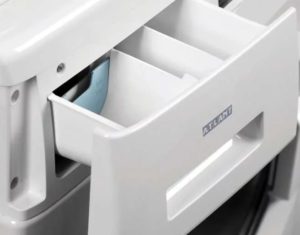
Atlant machines have an additional bleach dispenser. However, a special flap must be inserted before adding the bleach.
The "smart dosing" feature is available. It automatically calculates the required amount of detergent or gel based on the selected wash cycle and the laundry load. A special gel capsule dispenser is also included.
To properly pour the liquid concentrate into the powder dispenser, first consult the manufacturer's instructions. The manufacturer specifies which compartment is suitable for the gel, whether a flap is required, and how to calculate the correct dosage.
Dispenser container
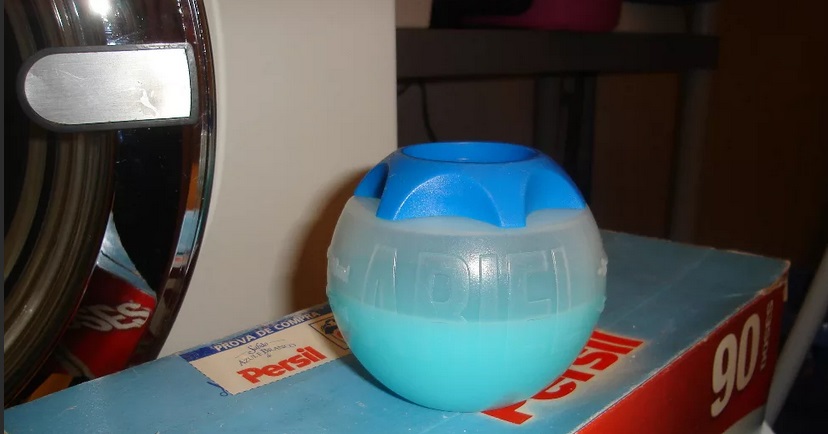
If your washing machine doesn't allow you to add detergent to the detergent dispenser, you can use a dispenser container. This is a special plastic "box" with holes that you fill with detergent and place in the drum. The liquid then gradually flows out of the "capsule."
The dispensing container has several advantages:
the gel begins to dissolve as soon as the drum is filled with water;
the product comes out in portions, which ensures high-quality washing;
the concentrate dissolves completely and does not remain on the walls of the powder receiver;
Eliminates contact between chemicals and clothing, allowing you to safely wash delicate fabrics, wool, and silk.
If you don't have a special dispenser, you can pour the gel directly into the drum. Some concentrates, which boast a safe, natural formula, are added directly to the clothes, as indicated in the instructions. However, not all fabrics "like" contact with chemicals, so it's best to play it safe: pour the liquid into the bottom of the empty drum, rinse with water, and then load the clothes.
Consequences of improper use of the gel
It is no coincidence that washing machine manufacturers provide recommendations for the use of liquid detergents. If you mix up the compartments of the powder receptacle and pour the concentrate into the wrong place, the consequences will not please the housewife.This error will result in poor washing and rinsing results:
the product will not get into the drum and the clothes will remain dirty if you pour the gel into the pre-wash compartment;
Items will become dirty and soapy if you add liquid to the conditioner compartment, as the product will be drawn in during the rinsing stage.
Correcting the error is easy: simply turn on the pre-wash program or run a second rinse. However, it's better not to waste time and detergent and pour it directly into the designated compartment.
Do not exceed the dose
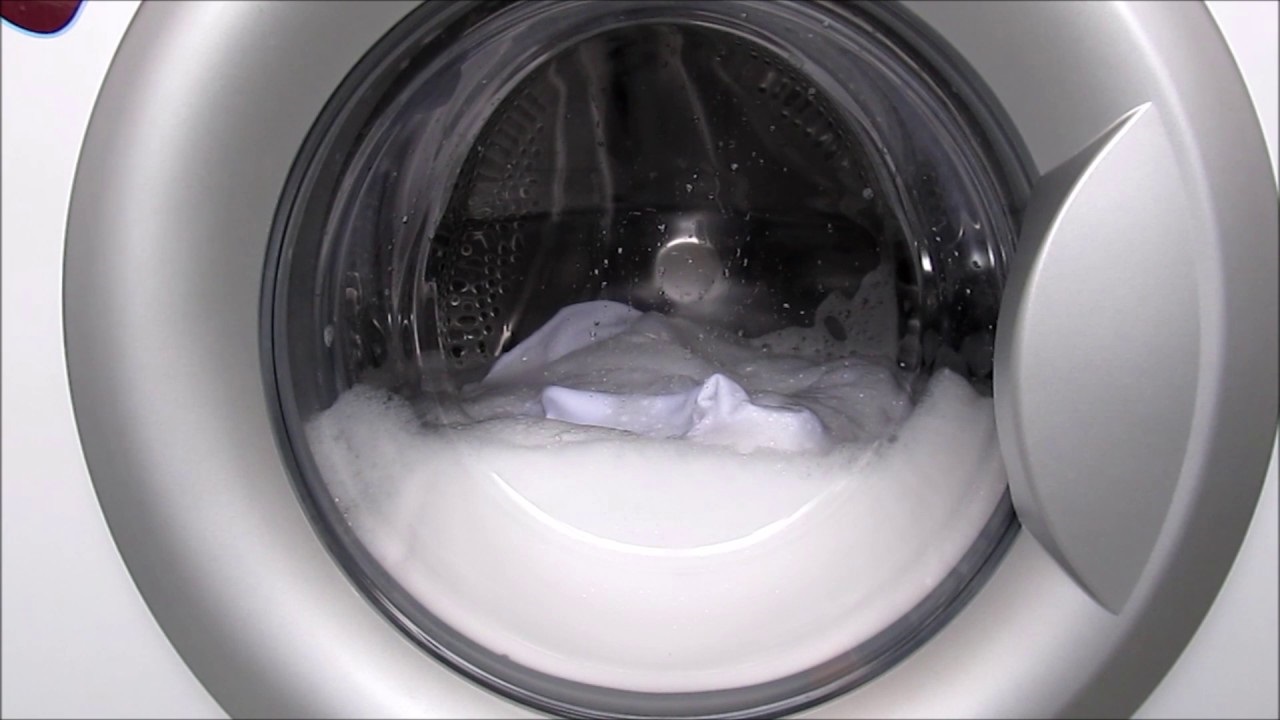
Gel detergents foam well, dissolve, and rinse out of fabrics, but only when used correctly. The amount of gel to use depends on the fabric type, stains, weight of the laundry, and the liquid itself: detailed recommendations are provided on the packaging. Do not exceed or underdose the recommended dosage, otherwise the items will not be completely clean or will remain soapy.
Observe the dosage of the gel!
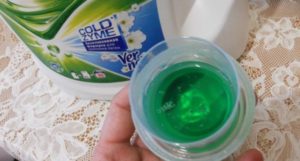
Typically, a standard full load of a washing machine requires about 150 ml of regular gel. If the product is concentrated, it will be more economical: 75-80 ml per cycle.
Nuances of using the gel
To ensure washing with gel is as gentle and effective as possible, it's important to follow not only the manufacturer's recommendations but also the advice of experienced homeowners. There are several rules for using liquid detergents that, if followed, will help you achieve perfect results. These include the following:
Do not pour gel into several compartments of the detergent drawer at once - an excessive amount of the product will impair the quality of the wash;
It is recommended to dilute thick compositions slightly with water so that the gel is better washed out of the cuvette and does not remain on the walls of the tray;
Gels containing active bleaching agents should not be poured into the drum onto items – aggressive components will damage the fibers, leaving white spots and streaks on the fabric;
It is forbidden to combine powder and gel, as an unexpected chemical reaction is possible;
Old stains must be soaked before washing, as the gentle action of the gel is not able to quickly remove stubborn dirt.
It's important to approach your gel selection responsibly. The modern market offers hundreds of products with varying compositions, so it's best to start your search by reading reviews. There's no need to skimp - a good concentrate isn't cheap, but it uses less and washes faster.
What are the pros and cons of gel?
Like any detergent, gel has both pros and cons. To fully appreciate liquid laundry detergent, you need to familiarize yourself with both the pros and cons. Let's start with the advantages, of which the concentrate has many more:
easily rinses out of fabric without leaving stains or streaks;
penetrates the fiber structure faster, pushing out dirt from the inside;
has sealed packaging;
easy to dose with a cap;
less allergenic;
does not remain on the walls of the tray and drum;
often has a combined composition (conditioner, softener and bleach in one);
"works" in cold water;
used sparingly;
effective against protein stains;
does not wash off the water-repellent treatment from items.
Gel has its drawbacks: high price and short shelf life. Liquid is also less effective at removing old stains and oil. However, liquid concentrate is ideal for everyday laundry – it refreshes and softens without damaging fabrics.

 Liquid washing machine detergents are safer and more gentle than powdered ones, but not everyone knows how to use washing gel correctly. If you pour the concentrate into the wrong compartment or use the wrong amount, the result will be disastrous: clothes will remain dirty or too soapy. To avoid problems, it's important to understand the nuances of adding gel-based detergents to your washing machine.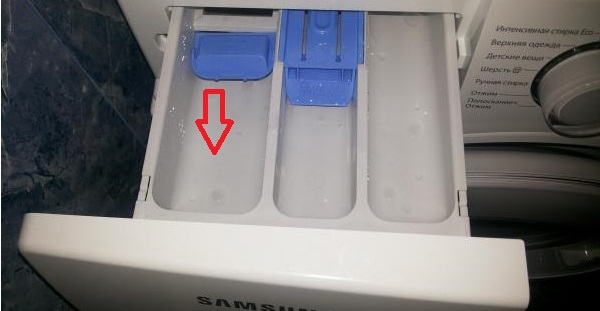















Add a comment