
How to use fabric softener in a washing machine
 New users of automatic washing machines often use only laundry detergent or gel, ignoring any other household chemicals. However, if you don't use fabric softener in your washing machine, you might find that the fabric of your favorite clothes suddenly feels stiff. That's why it's best to remember to add fabric softener and other softening detergents. Let's learn how to use them correctly to prevent your clothes from feeling stiff or scratchy after washing.
Does it make sense to pour conditioner directly into the drum?
One of the most common mistakes made by beginners is adding detergent directly into the drum of their “home helper”. In fact, such an action is pointless, because in this way you will only waste household chemicals. In the case of fabric softener, it will either be washed down the drain or its effectiveness will be interrupted by the laundry detergent. Therefore, the only proper way to use fabric softener is by adding it to the special compartment of the detergent dispenser.
Alternatively, you can add fabric softener directly to the drum, but only after the main wash cycle has completed and only the rinse cycle remains.
Let's take a detailed look at how to properly add fabric softener to the dispenser. First, connect the machine to the power supply, water supply, and sewerage system. Then, pull out the detergent drawer to add detergent, gel, and fabric softener to the designated compartments. Then, simply select a cycle with a rinse cycle and start the wash. The detergent will be removed from the drawer as soon as the rinse cycle begins.
It's also worth considering the situation where the washing machine doesn't have a separate fabric softener dispenser. How exactly will the fabric softener work if there's no space for it in the appliance?
- In this case, the user starts the wash function without rinsing.
- Once the job is completed, the machine will stop.
- The hatch door is unlocked to allow the user to manually add air conditioner to the special container.
- Next, the container with gel must be placed in the drum of the washing machine and the door closed.
- Finally, all that remains is to activate the “Rinse + Spin” program and wait until the work is completed.
If you don't have a separate container for household detergents, you'll have to take a different approach. Once the main wash cycle is complete, remove the clothes, pour fabric softener into the bottom of the drum, rinse out any remaining fabric softener with clean water, return the items to the washer, and then activate the rinse cycle.
Let's use a dispenser
The detergent drawer is typically located at the top left of the washing machine's front panel. It's typically divided into three compartments, each differing in size, shape, color, and markings. The purpose of each compartment can be determined by its markings.
- The Roman numeral "II" or the English letter "B" is easy to find—it's the largest compartment in the detergent drawer. This is where you should add your main washing detergent, such as your laundry detergent or gel.
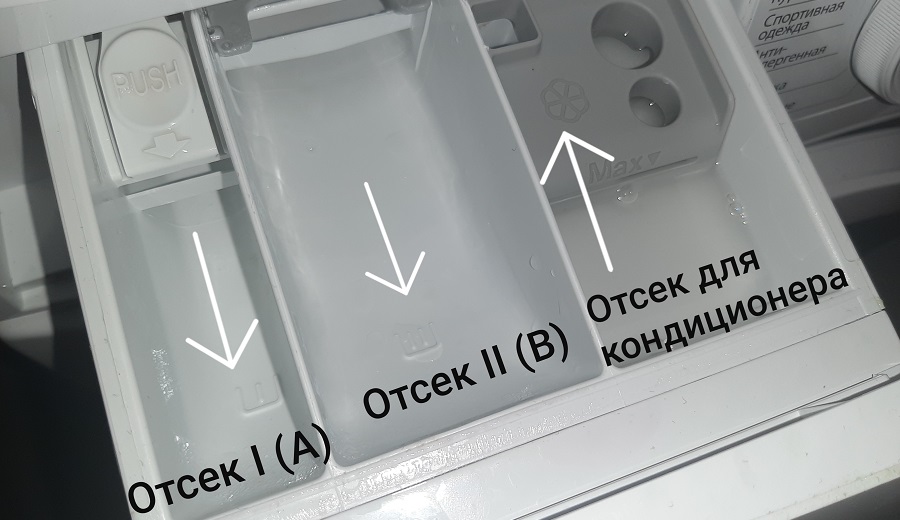
- The Roman numeral "I" or the English letter "A" indicates a medium-sized compartment for pre-wash. This compartment is where you add the pre-wash detergent, which will be used before the main wash.
If the user selects a cycle without prewash, this compartment will not be filled with water.
- The "*" icon. This compartment is designed for additional household chemicals, such as fabric softener. A clearly visible line is always visible, indicating the maximum liquid level, beyond which you should not add fabric softener.
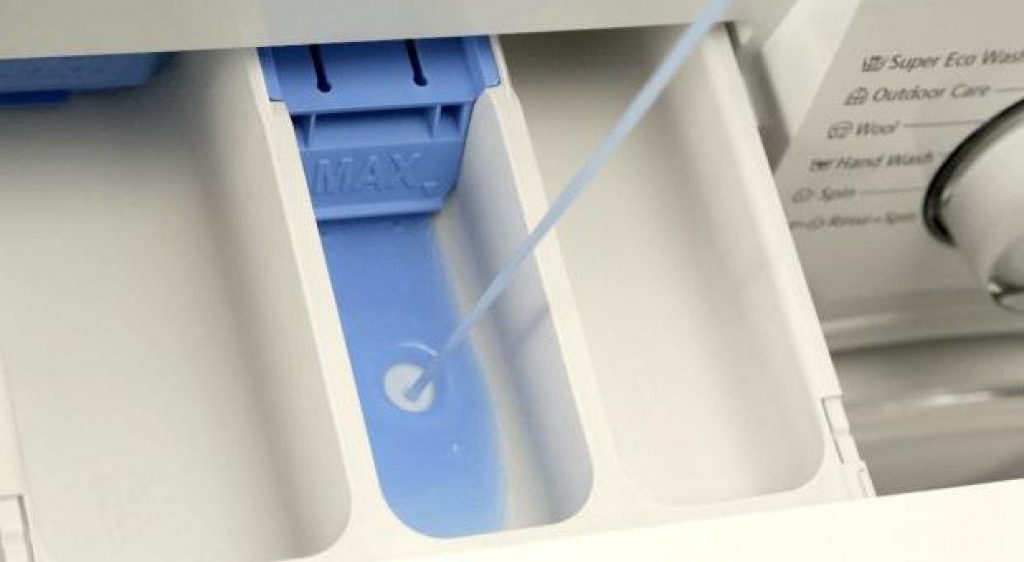
Water enters the final compartment only during the rinse cycle, ensuring that the fabric softener is released into the drum exactly when needed. After the rinse cycle is complete, the detergent and waste liquid are drained into the drain, leaving your laundry soft, smooth, and fresh.
The newest automatic "home assistants" feature removable conditioner trays. They're used in the same way; the only difference is the ease of filling, plus they're much easier to clean of mold, scale, and other debris.
What you need to know about mouthwash
It's not enough to simply choose the right time and compartment for your detergent drawer. To ensure your fabric softener does its job effectively, you need to follow a number of other rules, such as paying attention to dosage and carefully selecting the type and composition of your fabric softener.
- Dosage. Don't assume that the more detergent you use, the more effective it will be. Exceeding the recommended level will only result in the household chemicals not dissolving during the wash cycle, causing your clothes to harden and even become covered in light stains. However, if you try to save money on conditioner by using less than the recommended amount, the product's effectiveness will be minimal. That's why you should always strictly follow the user manual, which can be found on the packaging.
- Type. Choosing the right fabric softener is crucial, as today you can find fabric softeners for a wide variety of situations, including colored laundry, black laundry, wool, children's clothing, and more. Therefore, choosing the right fabric softener directly impacts the quality of your wash.
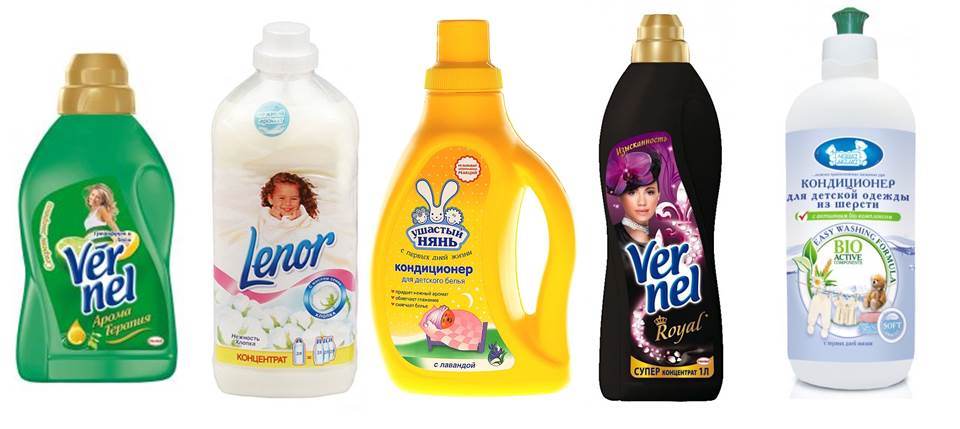
- Ingredients. It's also important to carefully read the ingredients of products available in stores. In some situations, you may encounter products that are so concentrated that they shouldn't be used without first diluting them with water at a ratio of 1 to 3.
Finally, don't forget about simple carelessness, as many liquid laundry detergents have similar packaging, making them easy to accidentally mix up. Before starting a wash cycle, double-check that you haven't accidentally added stain remover or other household chemicals to the detergent dispenser instead of fabric softener.
Clean the powder drawer regularly.
Of course, the performance of your "home helper" is also affected by its cleanliness. This includes the detergent drawer, whose walls often retain a slippery layer that can harden over time, becoming coated with dirt or even mold. The longer the user ignores such contamination, the more critical the situation becomes – the deposits will partially block the nozzles, making it more difficult for detergents to be flushed out of the compartment and almost completely stopping them from reaching the drum. This problem can be easily solved by regularly cleaning the detergent drawer. This can be accomplished using three different methods.
- Remove the powder receptacle from its seat, soak it in a container of hot water, and then use a sponge or brush to remove all dirt.
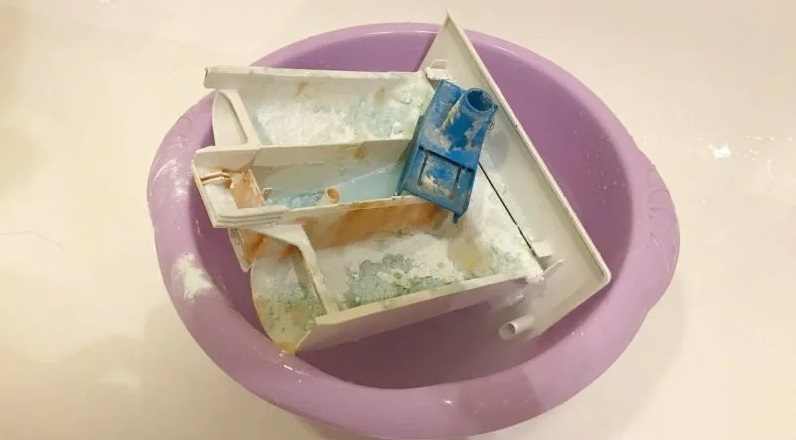
- Fill all compartments with citric acid solution, then run any long cycle during which the machine heats the water to high temperatures.
- First, pour regular baking soda into the tray, then add table vinegar and wait about 20-30 minutes before rinsing the element thoroughly.
Experts recommend thoroughly cleaning the detergent dispenser after each wash cycle.
Each of these methods will help you effectively clean your detergent drawer without any effort or additional investment. Don't be lazy and skip cleaning, as otherwise you'll face a host of unpleasant consequences, including unpleasant odors.
Interesting:




Readers' comments
Headings
Washing machine repair




For buyers




For users


Dishwasher




Add a comment