
How to use Candy dishwasher?
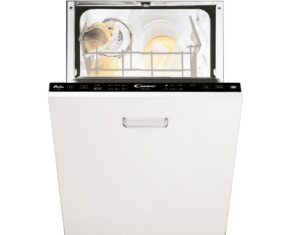 If you don't know how to use your Candy dishwasher, it's likely that you just bought it and haven't read the instructions yet. Or perhaps, for some reason, you simply don't have one. But you want to understand how to properly operate the dishwasher, what household chemicals you'll need, and how to care for it?
General procedure for using the PMM
Before testing the dishwasher with a pile of dirty dishes, Candy manufacturers strongly recommend in the user manual to first run the dishwasher in an empty mode. This means there should be no dishes in the dishwasher; the machine will run empty. This is necessary to:
- wash the dishwasher after assembly at the factory, since it will contain traces of oil, dust, and general dirt from your hands during assembly;
- Check the quality of the connection to the water supply and drainage, as well as the operation of the machine as a whole and its individual stages.
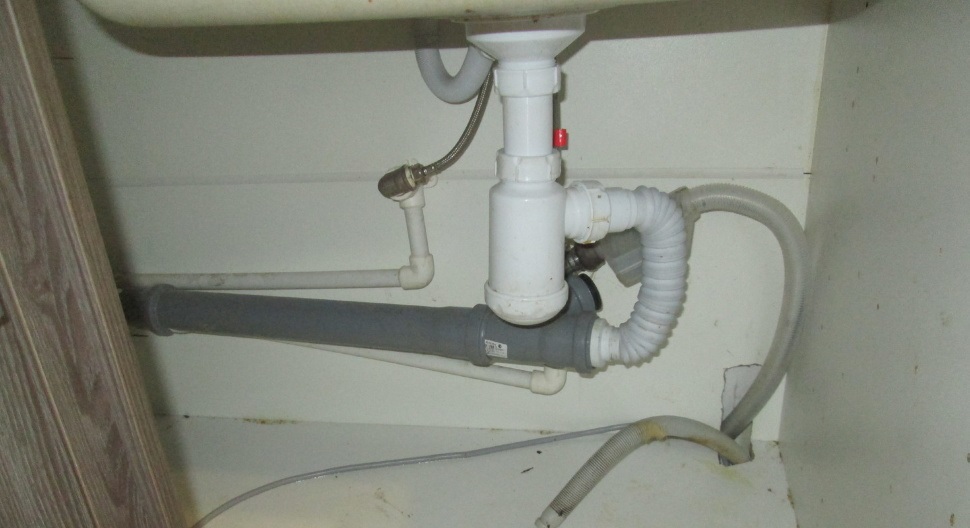
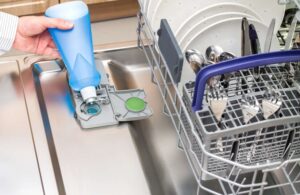
Only after the empty cycle is complete can you start the dishwasher. Before filling the baskets with dishes, add dishwasher salt to the special container at the bottom of the machine. Place a tablet or powder detergent in the detergent dispenser, and pour rinse aid into the adjacent compartment. Then, arrange the dishes in the baskets (we'll cover this in more detail later), select a wash program, start it, and close the door. All that's left to do is wait for the results.
Features of laying out dishes
At first glance, loading dishes into the dishwasher may seem simple. Just do it intuitively and that's it. But in reality, the cleaning results depend on how you arrange the dishes. Pans, pots, plates, bowls, cutlery, mugs—everything should be in its place. Otherwise, you'll think the dishwasher isn't doing its job properly, when in fact, it's your fault.
Almost all Candy dishwashers are equipped with two dish racks and a cutlery rack. The upper rack is used for small items like saucers, mugs, bowls, and other dishes. The lower rack is used for larger items like pans, pots, baking sheets, and large plates. If the racks are height-adjustable, find the optimal position to ensure water reaches the dishes evenly from all sides.
To increase the space in the lower basket, you can fold the vertical holders, which are provided in many Candy dishwasher models.
Cutlery (forks, spoons, small spatulas) is stored vertically in a special removable tray. Occasionally, special metal trays are available for silverware, typically found in premium dishwashers. When storing dishes, the following guidelines should also be followed: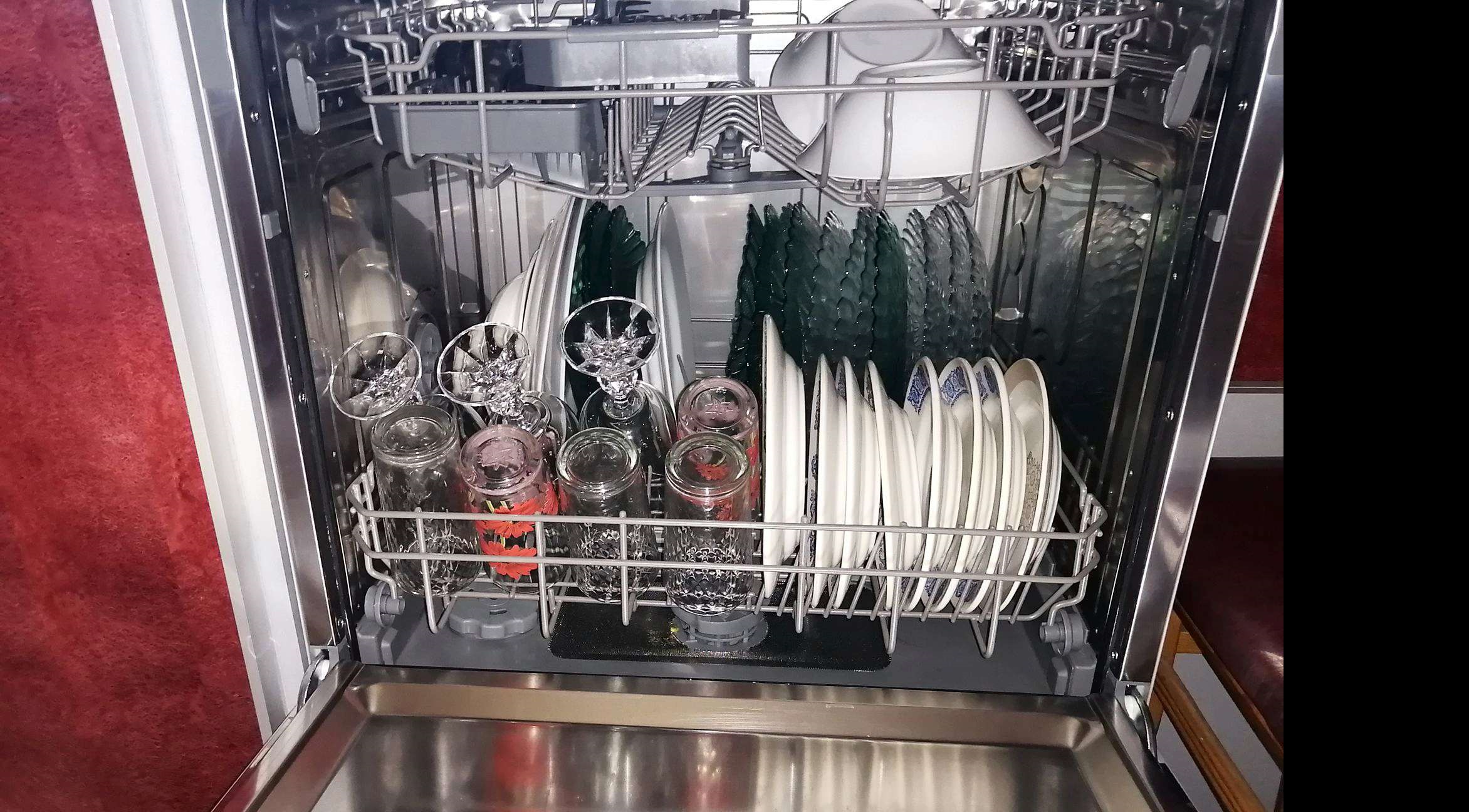
- clean dishes from food residues, bones, napkins, pieces of food, etc., otherwise the garbage filter will become clogged right during the dishwashing process;
- Rinse very dirty and greasy dishes with hot water under the tap before loading them into the machine, especially in those without a pre-rinse or soak cycle. This will significantly improve the cleaning results.
- Load large items first, filling the bottom basket, then small items;
- place plates, soup bowls, and salad bowls with the inner surface facing the center;
- Place large plates at the edges of the basket and small ones in the center. There should be a small gap between the plates placed in the holders so that they can be washed well with water.
- Place glasses and goblets upside down in special holders to allow water to drain. Glasses made of fragile glass or crystal should not touch the sides or other glassware. This increases the risk of breakage.
- place forks, spoons, and knives with the handles down to allow water to drain better;
- It's best to wash lightly soiled dishes separately from heavily soiled ones, especially baking sheets, pans, and pots. It's best to place baking sheets on their sides and pots upside down.
- Don't overload the dishwasher; dishes shouldn't pile up in a pile! Water must reach the surface of all items, including every plate, cup, and spoon, otherwise, the dishes will remain dirty after an hour and a half of washing.
Important! The dishwasher arms must rotate freely around their axis, and dishes must not interfere with the water spraying from the arms.
PMM maintenance
To extend the lifespan of your dishwasher, it needs regular maintenance. This will ensure its smooth operation and keep it looking like new. Here are some maintenance tips.
- After the dishes are dry and you've removed them from the dishwasher's baskets, you need to clean the waste filter, which is a mesh-like structure located at the bottom of the dishwasher chamber. Simply rinse the mesh under running water, and then you can reinstall the filter.
- Pay special attention to the rubber seals around the freezer compartment, as food particles can become trapped underneath them. Wipe the seals with a damp cloth first to remove any food debris, then wipe with a dry cloth to remove any excess moisture.
- It's also a good idea to wipe the dishwasher's walls with a dry cloth after each use. Additionally, you can leave the dishwasher door open until the walls are completely dry. This will help prevent future odors, especially if done regularly.
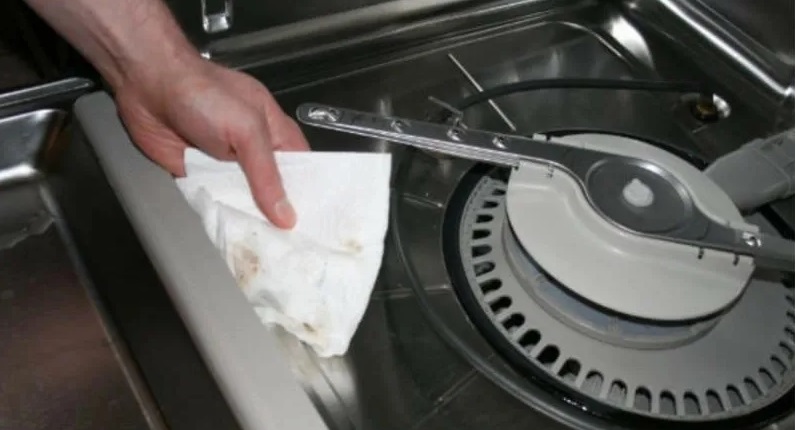
- Once every three months, you should perform a full cleaning of your dishwasher. To do this, run the machine on a long cycle using special grease and scale removers. This procedure will clean not only the visible parts of the dishwasher but also any hidden parts, such as the hoses. Even the cheapest and simplest descaling agents will do, and you can save money on "miracle" cleaning tablets.
- And don't forget to wipe the outside of your dishwasher. Like any other kitchen appliance or furniture, it collects dust, water droplets, and possibly even steam and grease from cooking. Therefore, be sure to wipe the door first with a slightly damp microfiber cloth, then with a dry one.
If you don't neglect maintenance and perform the procedures described above regularly, you won't have to spend much time restoring your dishwasher's pleasing appearance. It will always look flawless.
Interesting:




Readers' comments
Headings
Washing machine repair




For buyers




For users


Dishwasher




Add a comment