
How to use Lex dishwasher?
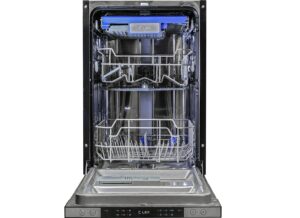 Before using your Lex dishwasher, you should thoroughly read the instructions. The manufacturer's documentation describes every detail: how to connect the appliance, how to start the wash, and what detergents to use. We'll cover the basic recommendations, explaining how to properly load dishes into the dishwasher, and what care your "home helper" requires.
First and subsequent launches of the PMM
After purchasing the equipment, be sure to read the instructions for using it. The first time you run the dishwasher, it should be empty, i.e. without any cutlery. This is necessary in order to:
- Rinse the insides of the machine. During assembly, components become dirty, and some parts may be contaminated with fluids. A dry cycle will help clean the appliance;
- Test the "home assistant" to see how it works. During the first launch, it's important to identify any issues, if any. The user should monitor the dishwasher as it goes through all the program stages.
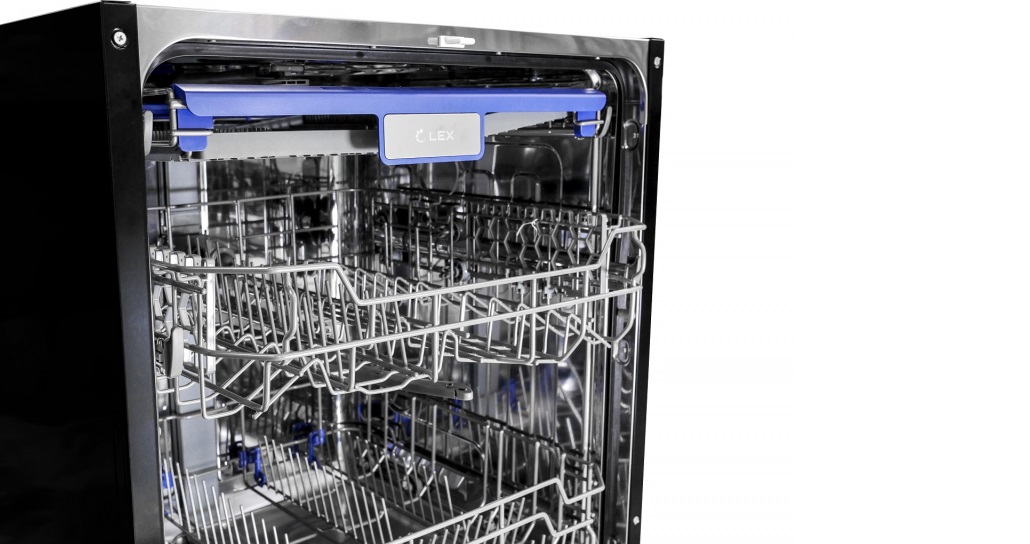
If the machine has passed the test, you can restart it with a full load. After placing the dishes in the chambers, make sure there's salt in the salt tray (if there isn't, add salt). Next, place a tablet in the dispenser, add rinse aid, select the appropriate program, and close the door. Now you can turn on the machine by pressing the "Start" button.
We arrange the dishes in the dishwasher baskets
Washing results directly depend on how the dishes are arranged in the dishwasher. It's important to load plates, mugs, glasses, spoons, saucepans, and pots according to the manufacturer's recommendations. Failure to follow these guidelines will reduce cleaning efficiency.
Correct placement of dishes in the machine chambers is the key to effective washing.
Most Lex dishwashers are equipped with two baskets. The only exception is the super-compact single-dish models. Let's look at which dishes are recommended for loading where.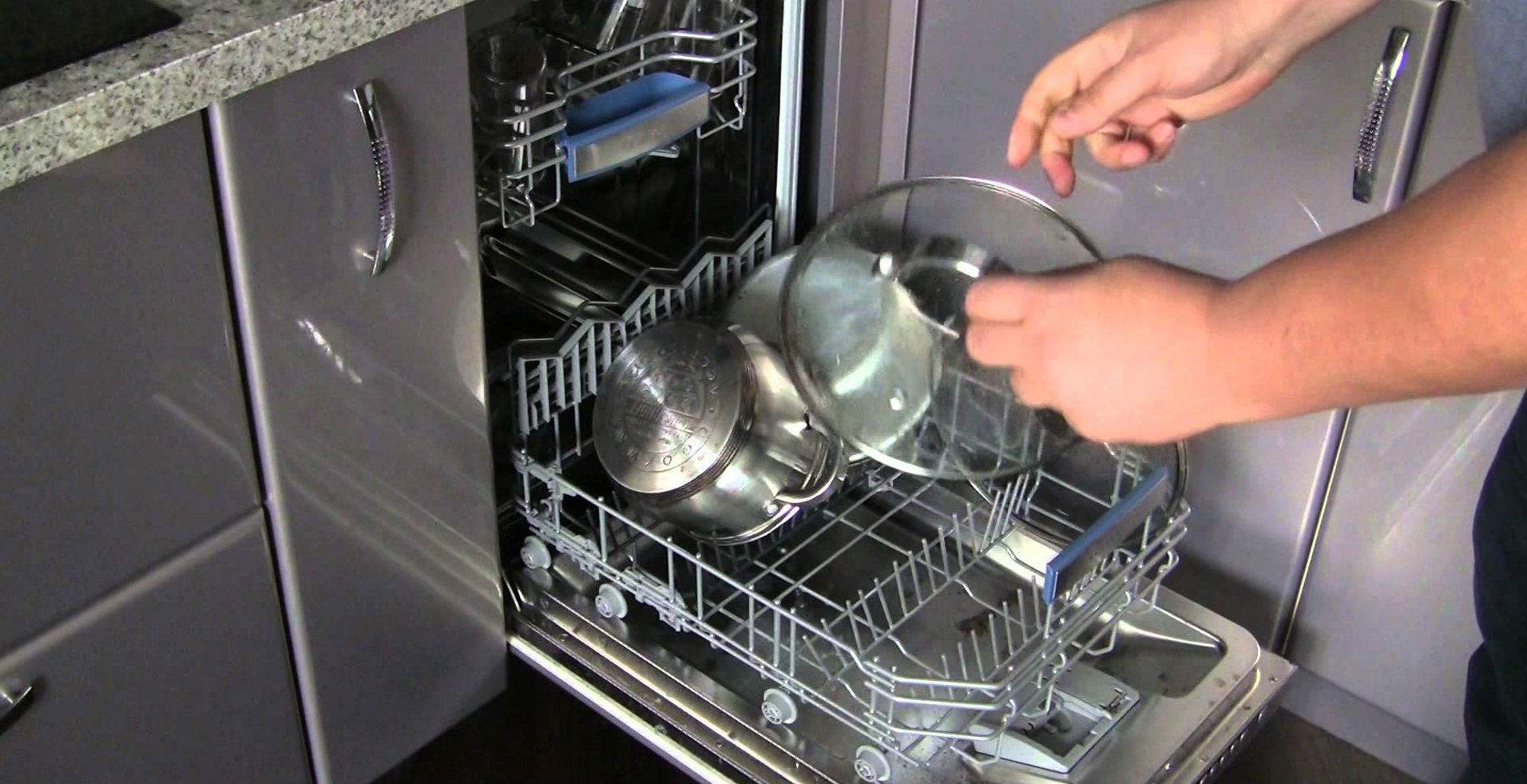
The upper basket is designed for mugs, plates, wine glasses, and other small cutlery. It's important to ensure that the dishes don't block the spray arm. If the tray is height-adjustable, it's best to adjust its position immediately so that the water evenly covers all the utensils.
The lower basket in Lex dishwashers is designed for loading larger items: pots, saucepans, frying pans, baking sheets, and deep salad bowls. Some models feature special holders to help evenly distribute the dishes. If you have a large number of utensils, the holders simply fold down, creating a level surface for storing your kitchenware.
Lex dishwashers also feature a small removable tray. It's designed for loading forks, spoons, and knives. Premium models feature an aluminum container specifically designed for washing silverware.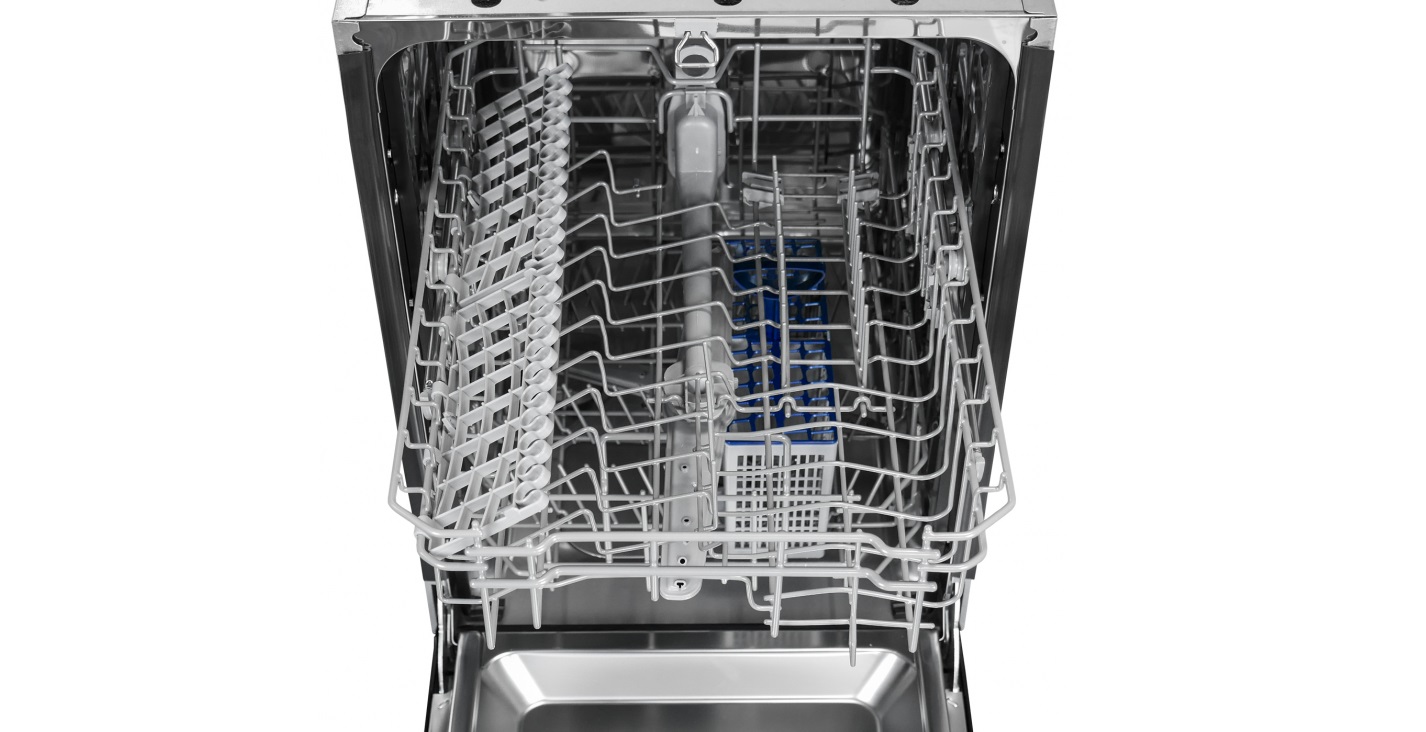
There are a few more recommendations to follow. Let's review the basic operating rules for Lex dishwashers.
- Before loading dishes into the machine, be sure to scrape off any food residue from your plates. Make sure there are no tea bags or tea leaves left in your mugs. This will prevent the filter from clogging quickly.
- It's best to rinse very greasy, dirty dishes under the tap first. This will reduce power consumption and improve cleaning results. If your machine doesn't have a pre-soak program, it's recommended to use this trick every time you start a cycle.
- First, the lower basket is loaded, then the upper one, and then the tray for forks, spoons and knives.
- Plates, salad bowls and tureens should be placed with the inner surface facing the middle of the chamber.
- Focus on the size of the plates: large ones are placed along the edges of the basket, small ones – closer to the middle of the tray.
When placing plates in holders, make sure there is a gap between the saucers – this will ensure that the dishes are washed well.
- Mugs and glasses are placed in the basket upside down - this way water will not accumulate in the cups.
- Crystal glasses should be placed separately so they don't touch each other or other cutlery. Otherwise, there's a high risk of damage during washing.
- It is better to wash greasy dishes separately from glasses and saucers that are not very dirty.
- It is better to load baking sheets into the dishwasher sideways so that they do not obstruct the circulation of water in the chamber.
- Pots, saucepans and frying pans are placed upside down on the bottom level.
It's crucial not to overload the machine and to arrange kitchen utensils so that there are gaps between them. If you pile the dishes on high, the water won't reach every mug, plate, or pot. As a result, your cutlery will remain dirty at the end of the wash.
It's important to ensure that dishes loaded into the baskets don't interfere with the movement of the spray arms. These are special rotating devices that spray water. If even one device is blocked, you can't expect good washing results.
Features of dishwasher care
To ensure your dishwasher runs smoothly, you need to service it on time. The instructions for use of any household appliance include a section dedicated to recommendations for caring for the appliance. If you ignore the manufacturer's advice, you can quickly put your "home assistant" out of order.
So, what should you do after each wash?
- Clean the filter located above the drain hole at the bottom of the chamber. Shake out any accumulated food debris and rinse the mesh under running water.
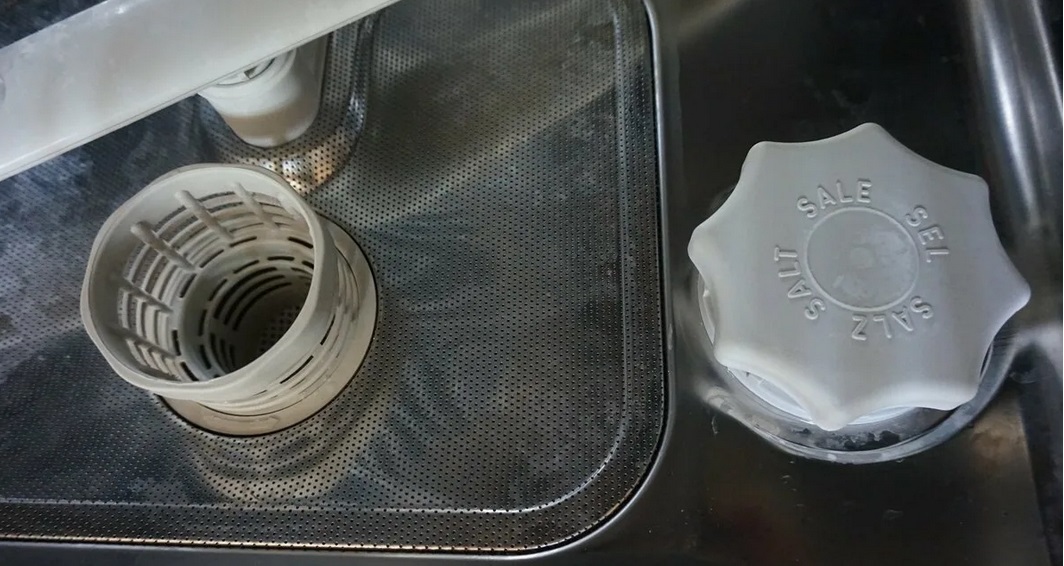
- Remove any food particles stuck under the oven door or in the rubber seal.
- Wipe the walls of the washing chamber dry.
- Leave the machine door and detergent drawer slightly open for ventilation. This will prevent odors and mold.
In addition to daily maintenance, every 3-4 months you should clean the inside of your dishwasher using specialized household cleaning products. Purchase descalers and grease removers and use them according to the instructions. This will remove deposits that have accumulated in the hoses and even the most difficult-to-reach corners of the wash chamber.
If you know the tap water in your region is quite hard, it's best to use anti-limescale tablets or powders for washing dishes. These days, it's easy to find multi-functional 5-in-1 or 6-in-1 products that not only clean your cutlery but also care for your dishwasher. Following these simple recommendations can extend the life of your dishwasher.
In fact, using a Lex dishwasher is quite simple. The key is to carefully read the instructions and understand how to properly load the dishwasher racks. It's also important to use high-quality detergents and remember to take proper care of your dishwasher.
Interesting:





Readers' comments
Headings
Washing machine repair




For buyers




For users


Dishwasher




Add a comment