
How to use a Beko dishwasher
 The Beko brand is widely known for its top-notch dishwashers, capable of handling even the dirtiest dishes. Furthermore, the company's appliances are extremely reliable, so breakdowns are extremely rare. However, they can occur, especially if your Beko dishwasher is used improperly. To prevent this, you can consult the official user manual or our article today.
Add salt and other ingredients
First of all, we would like to warn you that you should not load dirty dishes into the dishwasher immediately after purchasing it to see how it works. First, you need to perform a dry run, that is, a working cycle without dishes in order to wash out all the dirt and dust that may have remained during assembly at the factory.
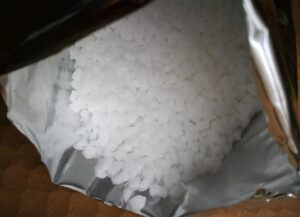
To do this, you first need to load special dishwashing salt into the salt bin located at the bottom of the washing chamber. How do you do this?
- Remove the lower dish rack.
- Remove the lid from the salt container.
- Pour about 1 liter of water into the reservoir.
- Using a salt funnel, add about a kilogram of salt granules.
Be sure to use only specialized salt for the hopper, as its granules are larger and purer than those of ordinary table salt, which can damage the ion exchanger of the device.
- Tighten the lid tightly by turning it clockwise.
- Salt can take up to two hours to dissolve in water, so this should be taken into account when working.
If you accidentally spill a small amount of salt solution on the bottom of the wash chamber while loading salt, clean it up immediately. You can do this with a dry cloth or by running a wash cycle. Do not leave the salt solution on the bottom of the dishwasher, as it may damage the machine's coating. Ignore the salt level indicator - it will go out after the first wash and then light up only when the salt solution in the tank runs out.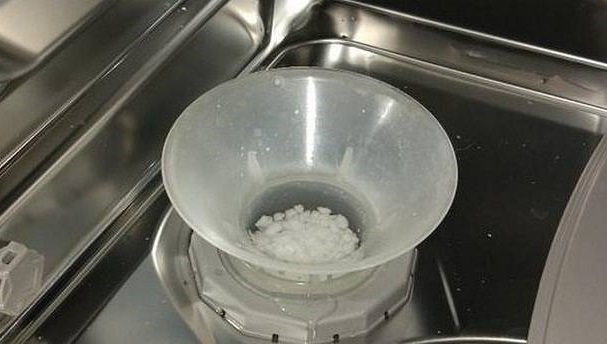
After adding salt, rinse aid should be added to remove water marks and streaks from dishes. Rinse aid is initially dispensed at the factory-set third speed, but can be reduced by adjusting the dispenser.
After rinse aid comes detergent, which is essential for effective dishwashing. Add detergent to the dispenser, which can come in the form of gel, powder, or multi-purpose tablets containing several detergents. It's much more effective to use separate detergents rather than 3-in-1 tablets, which means buying rinse aid, salt, and detergent separately, or gel instead of detergent.
Arranging objects in the PMM
After fully loading the dishwasher with detergent, it's time to properly load the dishes. This is a crucial step, as it determines the subsequent quality of the wash. If you load the dishes incorrectly, some items may not even get clean, so carefully read the following instructions.
- Be sure to remove all food debris from dishes before loading.
- Every vessel, be it a cup, a glass or a saucepan, should be placed upside down to allow water to drain from it.
- Never stack cutlery on top of each other to create a pile of dishes.
- Fragile glass and crystal items should not be placed in contact with each other.
- Make sure that the dishes are positioned so as not to interfere with the movement of the spray arms.
- All large and heavy items such as pots, pans and skillets should be placed in the bottom basket.
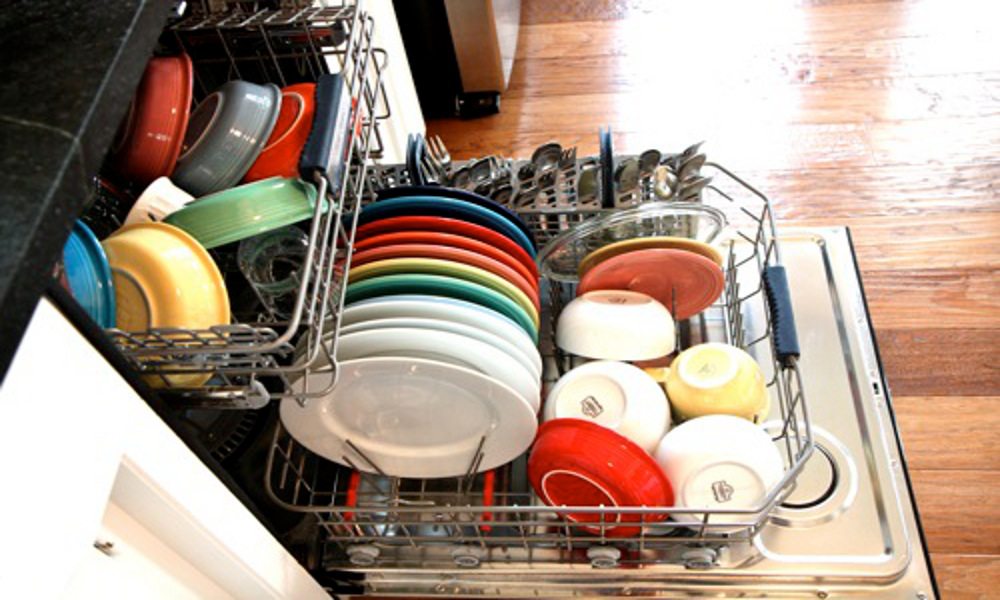
- Light and small dishes, such as plates, saucers and bowls, are washed in the top basket.
- Long and narrow items should be placed in the middle of the baskets.
- It is better to place knives, forks and other sharp objects horizontally in the bottom basket.
- Never overload the dishwasher with dishes, otherwise you risk getting dirty dishes after the cycle, or worse, deforming the dish racks.
- Be sure to leave a small gap between kitchen utensils so that water can flow freely over the entire surface of the dishes, without leaving dirty spots.
- If you have a pile of both lightly and heavily soiled dishes, it's best to divide them into two sinks.
Some dishwasher models can significantly free up space inside the washing chamber to accommodate more dishes – for this purpose, they are equipped with special pull-out cutlery trays, folding plate supports, height-adjustable baskets, bottle holders, and much more.
In short, using a dishwasher is intuitive, and after these instructions, there shouldn't be any questions about loading dishes. Make sure all the devices are in their places, stand stable, do not interfere with each other and do not create an overload, and the work cycle will go perfectly.
How to care for a dishwasher?
Maintaining your Beko dishwasher is truly important. If you want to extend the life of your appliance and reduce the risk of breakdowns, it's not enough to simply load dishes correctly and top up the ion exchanger salt. There's a whole series of procedures that must be performed after each wash.
- After the operating cycle, unplug the dishwasher from the power supply to clean it safely.
- Remove the debris filter mesh from the bottom of the washing chamber and rinse it under a powerful stream of hot water.
- Remove any food debris that often gets trapped behind the door seals, and then wipe the rubber parts with a dry cloth to remove any remaining moisture.
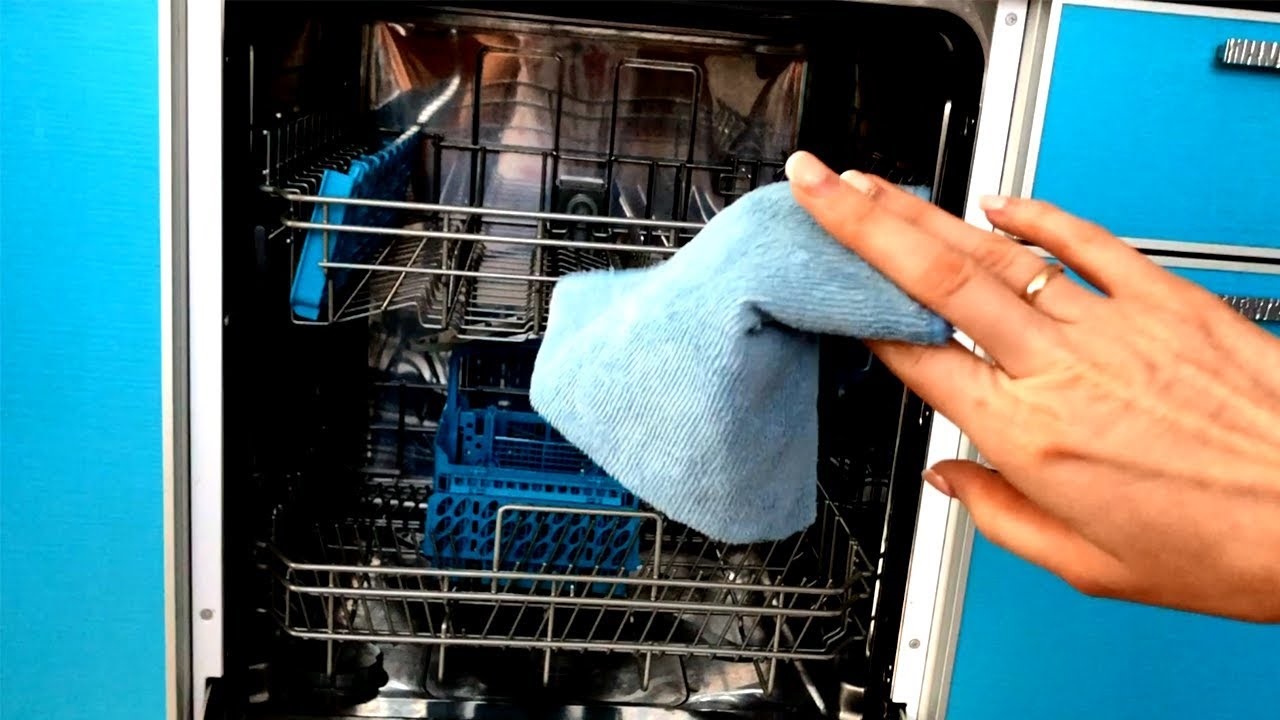
- Using the same dry cloth, wipe the walls of the chamber dry.
- Always leave the dishwasher open to allow the inside to dry. This also prevents unpleasant odors from developing in the wash chamber.
Not after every work cycle, but regularly, it's necessary to clean the spray arms, as their nozzles can become clogged due to dirt or calcium deposits. To do this, loosen the clamping screw on the spray arms, remove them, and rinse them under a strong stream of water. The filter insert in the water supply hose, which also tends to become clogged, should be cleaned in the same manner.
Finally, every three months, you should have your dishwasher professionally cleaned, using a special dishwasher cleaner. This powerful, single-use detergent thoroughly cleans your dishwasher, removing dirt, grime, and grease. To clean key components of household appliances, as well as the most difficult to reach areas of the system, you should run a working cycle without dishes, but with a cleaner. By following all the instructions above, your appliance will be reliably protected from breakdowns and poor dishwashing results.
Interesting:




Readers' comments
Headings
Washing machine repair




For buyers




For users


Dishwasher




Add a comment